
Film
Pie in the Sky
Other titles called Pie in the Sky: the 1994 series (BBC One).
A 1935 avant-garde short where two broke men escape a miserly mission by transforming garbage into surreal comedy. Shot by documentary pioneers, it's visual slapstick without dialogue—anarchic, poetic, and funny in ways that still feel fresh. For anyone curious how radical early cinema could be, or who loves physical comedy stripped to its essence.
If you liked this
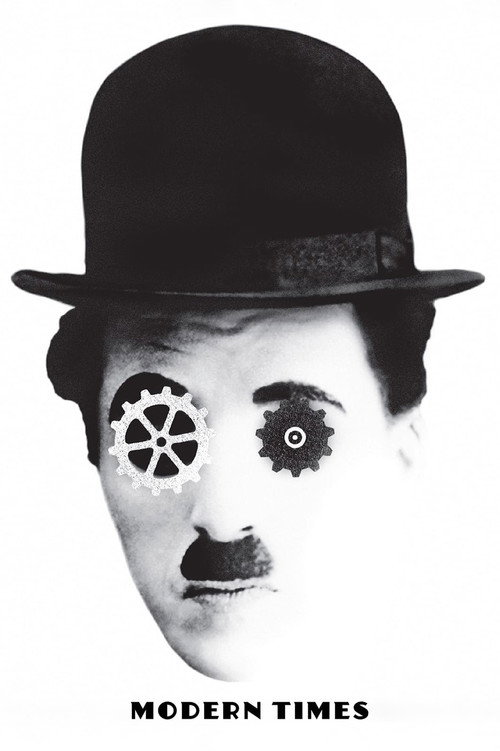
Modern Times1936
Chaplin's masterpiece pairs slapstick with social rage: a factory worker battling machines and hunger. The rhythm and invention feel like kin to Pie in the Sky—comedy as desperate survival dressed in beauty.
But Silent films ask patience from modern viewers. The emotional beats are broad, and the sentiment about progress can feel heavy-handed.
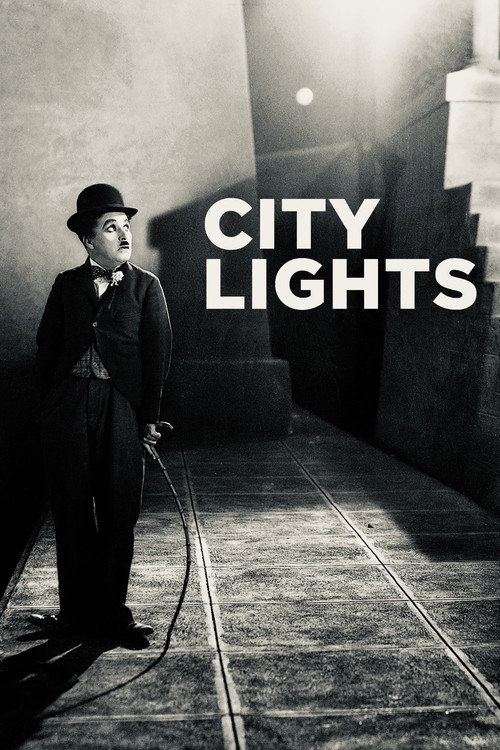
City Lights1931
A tramp and a blind girl in Depression-era streets. Wordless, elegant, and devastating—proof that physical comedy and genuine feeling aren't opposed. The boxing sequence alone is genius.
But Runs 87 minutes and the melodrama may seem overripe to audiences raised on faster pacing and irony.
Meshes of the Afternoon1943
Maya Deren's 14-minute experimental film is dreamlike, looping, hypnotic—visual language doing things words can't. Like Pie in the Sky, it treats cinema as pure image-making, but toward trance instead of comedy.
But There's no plot in the traditional sense. It's formally experimental and requires you to surrender to mood rather than narrative.

Not sure tonight? Get a pick in a minute, starting from Pie in the Sky
The wildcard
Something you would not have found on your own.
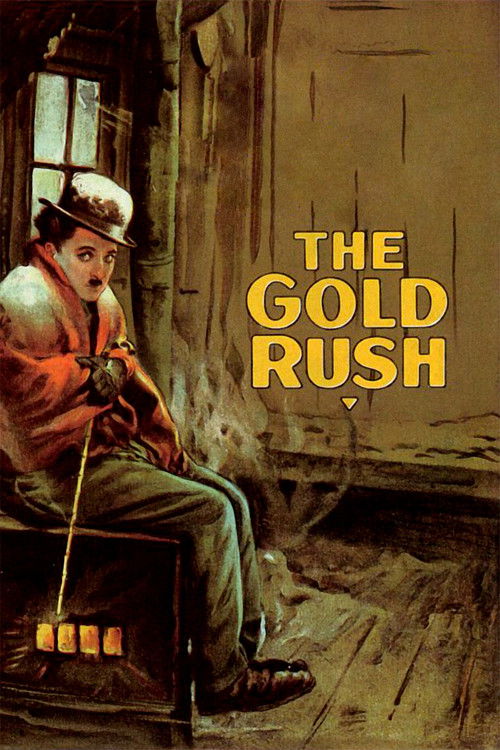
The Gold Rush1925
Both are comedies of poverty and hunger where garbage or harsh landscapes become stages for human dignity and wild imagination.
Chaplin in the Yukon during a gold rush, hungry and alone and funny. Like Pie in the Sky, it transforms desperation into poetry and absurdist gags. But here the scale is epic, the photography luxurious, and the pathos runs deep.
But At 95 minutes, it's not a short. Chaplin's sentimentality may feel manipulative, and the pacing is slow by modern standards.
More like this (8)
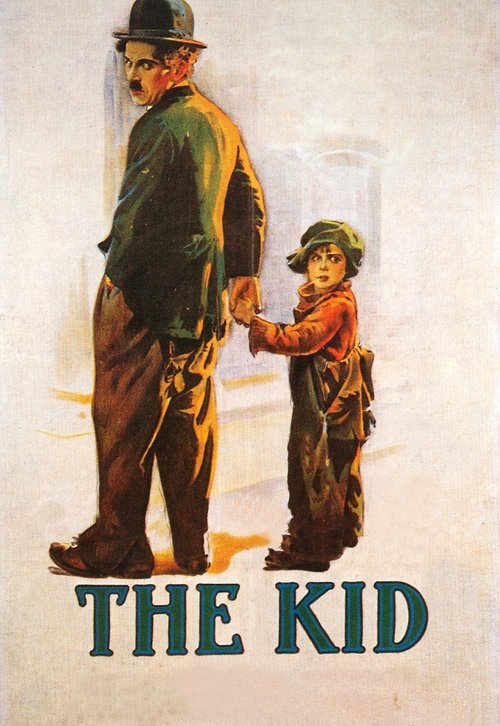
The Kid1921
Chaplin and child actor Jackie Coogan: tender, funny, anarchic. Urban poverty becomes the stage for heart and mischief. The energy matches Pie in the Sky's sense of making magic from nothing.
But Melodrama seeps in heavily in the third act, and some viewers find Chaplin's sentimentality cloying rather than moving.
Sunrise: A Song of Two Humans1927
F.W. Murnau's camera moves like a living thing. A story of temptation and redemption told almost entirely through image. Visual storytelling at its most sophisticated—the opposite register from Pie in the Sky's anarchism, but same fluency.
But Lasts 97 minutes and the pace is deliberate. The tonal whiplash between nightmare and comedy may feel uneven to modern sensibilities.

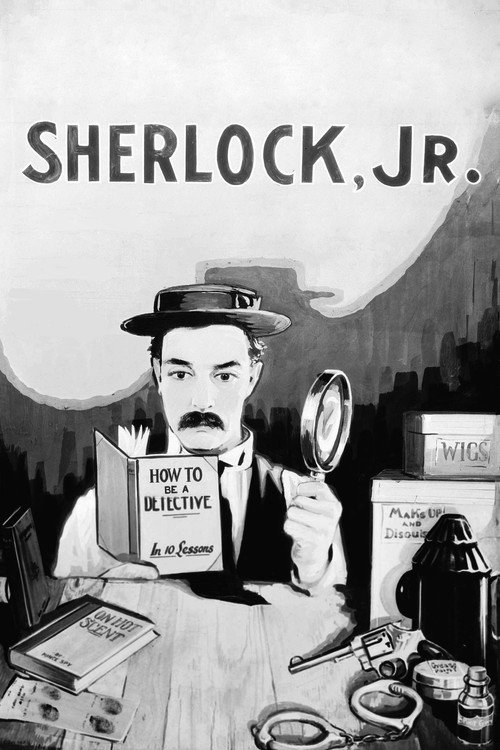
Sherlock Jr.1924
Buster Keaton's projectionist dreams himself into a movie. Visual gags of staggering invention, and the self-aware cinema-within-cinema play feels surprisingly contemporary. Pure physical imagination.
But Keaton's stone-faced delivery can read as cold. Some viewers prefer Chaplin's warmth, or find silent comedy repetitive.
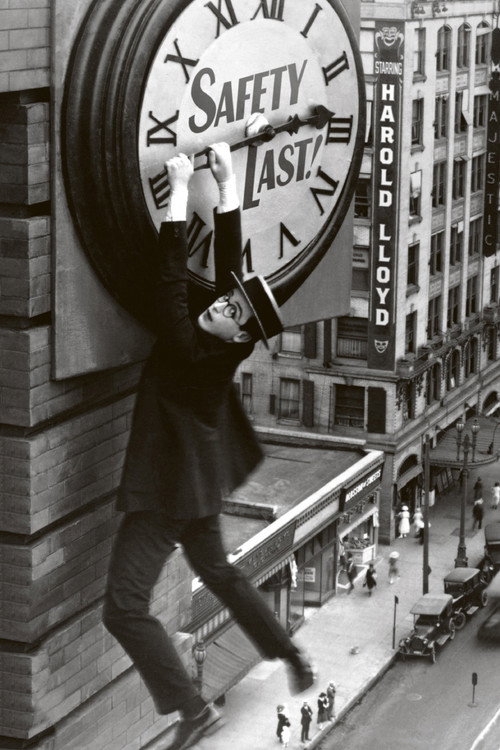
Safety Last!1923
Harold Lloyd climbing a building while being genuinely hilarious. Vertigo-inducing stunts married to sharp timing. The pleasure is immediate and uncynical—cinema as pure thrill and comedy.
But Once you've seen it referenced 500 times, the shock wears off. The story is gossamer-thin, which some find unsatisfying.
Battleship Potemkin1925
Eisenstein's revolutionary epic: montage and image-making as argument. Visually stunning, intellectually alive. If Pie in the Sky is anarchist comedy, this is anarchist cinema at its most urgent. Same DNA, different cause.
But It's a Soviet propaganda film about revolution, and the abstraction can feel distant. Runs 75 minutes and demands attention in ways entertaining films may not.

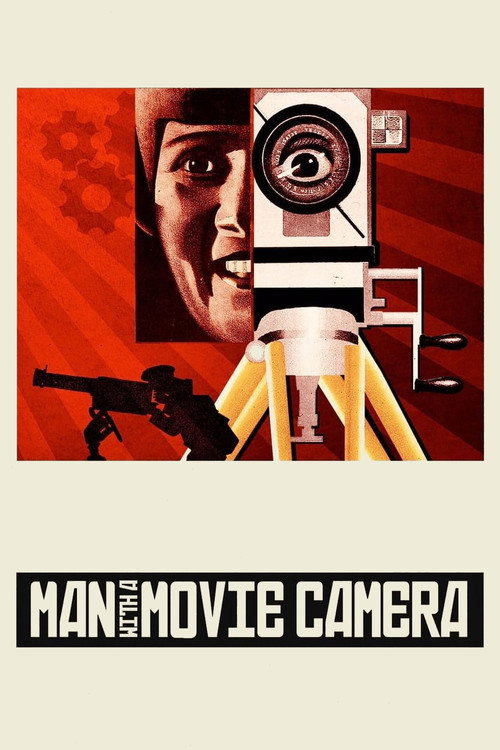
Man with a Movie Camera1929
Dziga Vertov's documentary symphony of Soviet life: pure cinema, no actors, no story. Dazzling montage and rhythm. For viewers drawn to how Pie in the Sky uses image instead of words.
But Genuinely plotless. It's a formal experiment first, and if you want narrative or character, you'll be frustrated.
Night and Fog1956
Both use rapid montage and visual poetry as their language. Both were made by artists trained in experimental cinema who understood that form itself carries meaning.
Alain Resnais's 31-minute documentary about the Holocaust, directed by a filmmaker who learned montage from the Soviet avant-garde. Like Pie in the Sky, it uses image and pacing instead of exposition—but to bear witness to atrocity, not to comic transcendence.
But It is harrowing and not remotely funny. Many viewers will find it unbearably difficult, which is entirely appropriate.

The Seventh Seal1957
Both trust image and silence. Both were made by artists skeptical of dialogue's necessity, each proving cinema can speak to what words cannot reach.
Bergman's knight playing chess with Death. Medieval, philosophical, deeply serious—a film about mortality and meaning. Visual and spare like Pie in the Sky, but tragic rather than comic. Proof that the same formal language can express opposites.
But It is slow, bleak, and European in the way that tries patience. Not entertainment; it's an argument conducted in images.

People
Cast
Directing
- Ralph SteinerDirector