
Film
The Cave of the Silken Web
A 1927 Chinese silent film adapting Journey to the West's most famous episode: the Spider Queen's seduction trap. Gorgeously staged with practical effects, it captures early cinema's wonder at transformation and spectacle. Essential for anyone curious about how non-Western cinema was telling mythic stories when Hollywood was still finding its voice.
If you liked this
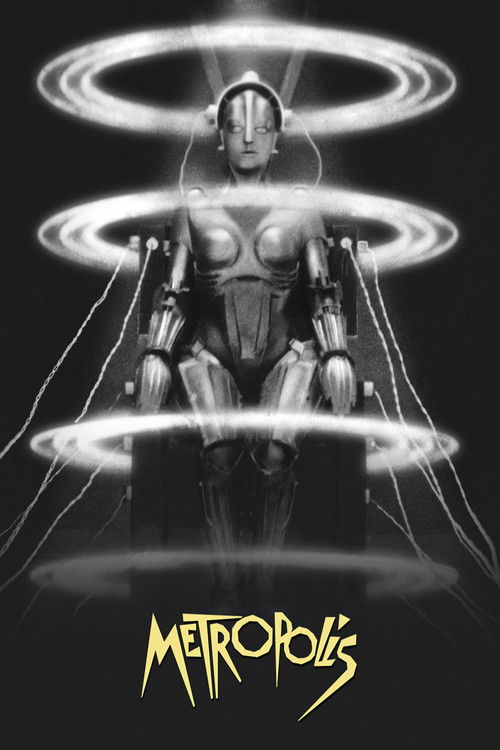
Metropolis1927
Released the same year, this German sci-fi epic shares The Cave's ambition to dazzle audiences with unprecedented visual effects and a narrative that transcends mere entertainment.
But It's 153 minutes of silent film, and the restoration can feel cold and cerebral compared to the warmth of human performance.
The Phantom Carriage1921
A Swedish silent masterpiece about redemption and spiritual transformation. Like The Cave, it uses supernatural imagery and moral clarity to explore what humans owe each other.
But The pacing is glacial by modern standards, and the intertitles can feel heavy-handed about its Christian message.

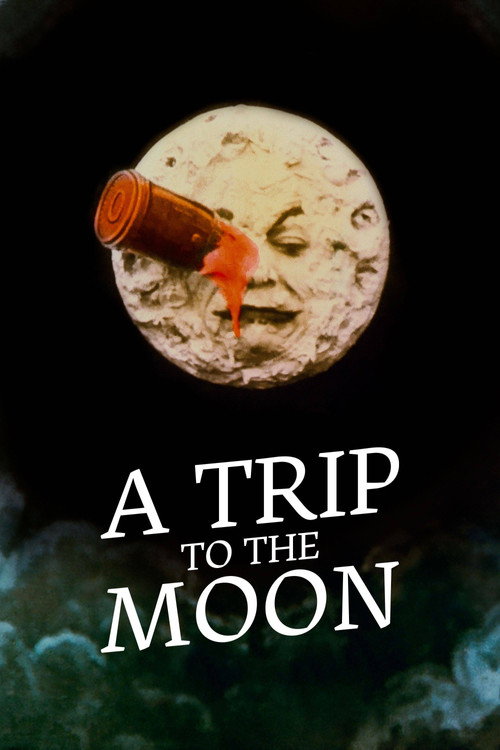
A Trip to the Moon1902
Méliès's 1902 film shares The Cave's delight in transformation, trick photography, and the sheer possibility of cinema. It's the DNA of what The Cave inherited.
But It's only fourteen minutes, and the narrative is almost nonexistent—more a series of dazzling images than a story.
Not sure tonight? Get a pick in a minute, starting from The Cave of the Silken Web
The wildcard
Something you would not have found on your own.
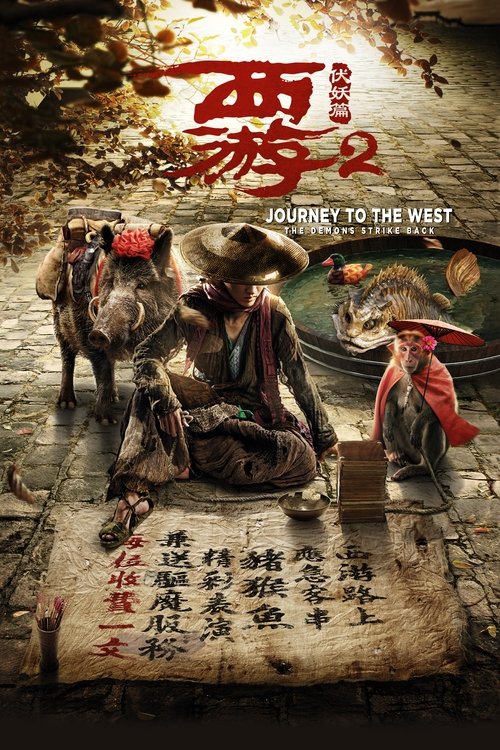
Journey to the West: The Demons Strike Back2017
Both are Chinese films adapting the same Journey to the West episode: one shows what cinema could do in 1927, the other what it could do a century later.
A contemporary Chinese CGI adaptation that returns to the same source material with wildly different tools. Seeing what the same story becomes when you have every technical resource reveals what The Cave achieved through pure imagination and craft.
But It's loud and hectically paced, with no respect for silence or stillness. If you love The Cave's contemplative beauty, this will feel like visual assault.
More like this (8)
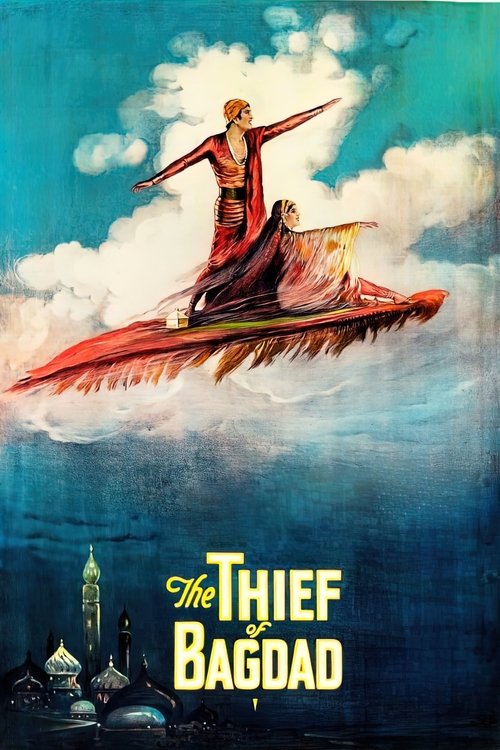
The Thief of Bagdad1924
Douglas Fairbanks in a fantasy adventure of magical transformations and princesses. Both films believe in spectacle as a language, and in beauty as a lure.
But Fairbanks's performance is deeply earnest in a way that reads as campy now, and the colonial attitudes in the setup are uncomfortable.
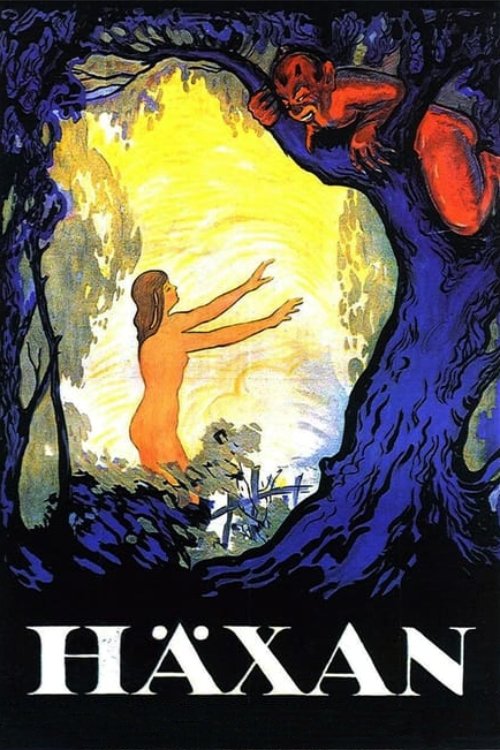
Häxan1922
A Danish-Swedish silent film about witchcraft and demons that uses practical effects and grotesque makeup to create a fever dream of supernatural horror. Shares The Cave's interest in illusion and desire.
But It's genuinely unsettling and sometimes nauseating—not a comfortable watch, and the misogyny of the historical sections is real.
Battleship Potemkin1925
Eisenstein's Soviet montage masterpiece shows how silent film could reshape perception itself. Different genre, same era, same conviction that cinema could reveal truth through image.
But It's a political film about revolution with no narrative arc in the traditional sense—patience and engagement with theory required.

Nosferatu1922
German Expressionism meeting vampire folklore: a film about seduction, corruption, and the supernatural that uses shadow and light the way The Cave uses transformation and spectacle.
But It moves slowly, and the restored versions can feel clinical. Some viewers find silent horror less frightening than the sound version.

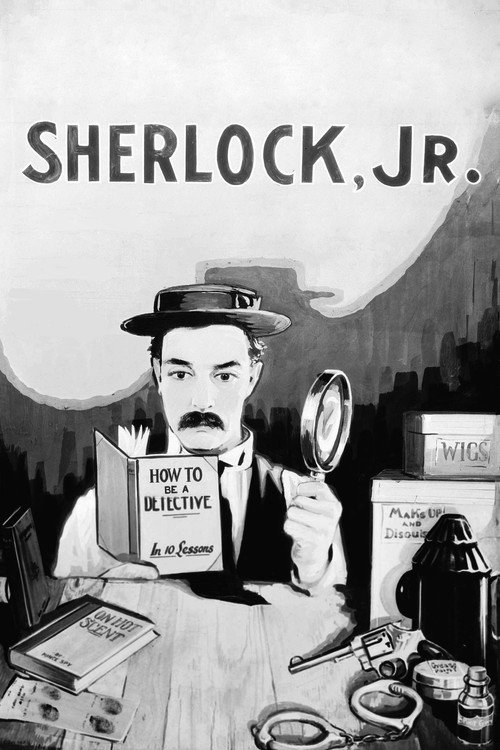
Sherlock Jr.1924
Buster Keaton's comic masterpiece about a film projectionist who enters the movie itself. A meditation on cinema's power to transform reality, with genuine visual invention throughout.
But Physical comedy doesn't land the same way for everyone, and the plot is thin—it's really an excuse for set pieces.
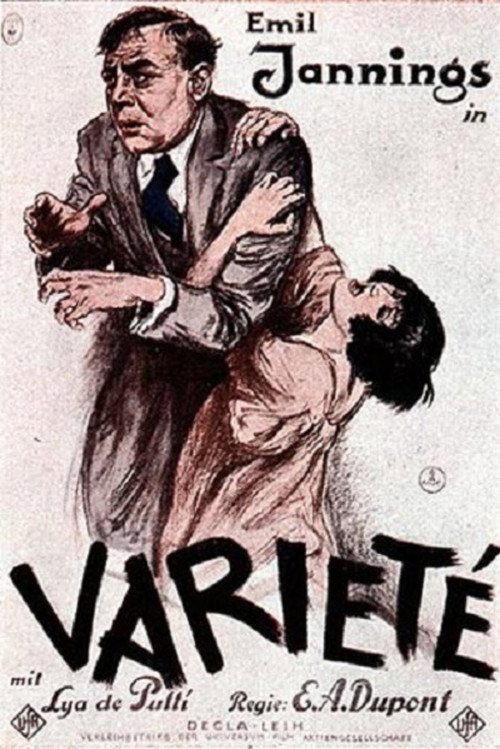
Variety1925
A German silent film about circus performers and desire, shot with revolutionary camera movement and compositional daring. Explores beauty, betrayal, and the cost of spectacle.
But The sexual jealousy plot is familiar, and the film's energy peaks early. It can feel repetitive in its second half.
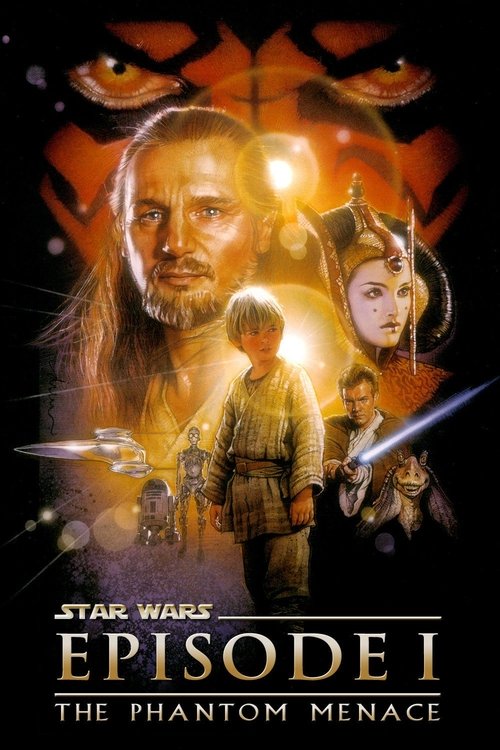
Star Wars: Episode I - The Phantom Menace1999
Both films pit spectacle and illusion against truth and rescue. Both feature a protagonist trapped by manufactured desire and saved by allies who see through the trick.
Lucas's film about deception and seduction through illusion—a princess trapped by false desire, courtesans as weapons of manipulation. The same mythic structure as The Spider Queen's trap, executed with ILM instead of painted silk.
But It's bloated and poorly acted, with dialogue that mortifies. The spectacle often overwhelms what it's meant to serve.
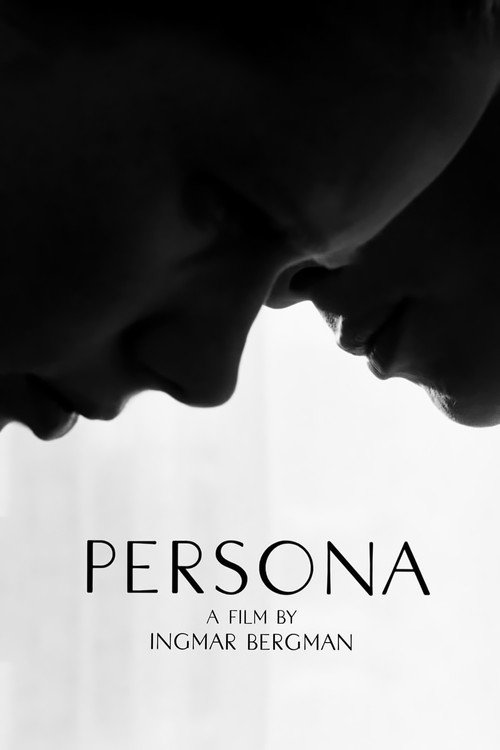
Persona1966
Both use the image of a mask (literal in The Cave, metaphorical in Persona) to explore what happens when identity becomes fluid. Both are about stripping illusion away to find something true underneath.
Bergman's meditation on identity, masks, and what remains when we strip away the performance. Where The Cave shows transformation as external spectacle, Persona shows it as internal dissolution—two approaches to the same question of who we are beneath appearance.
But It's austere, glacially paced, and demands sustained attention. No narrative arc, no comfort—just two women and the space between them.
People
Cast
 Yin MingzhuThe Spider Queen
- Ng Man-ChiuWukong, the monkey
- Jiang MeikangTang Xuanzang, the pilgrim
- Zhou HongquanZhu Wuneng, the pig
- Zhan JialiSha Wujing, the shark
- Rongzhu HeThe Man in White
 Peizhen XiaSecond spider spirit
- Dan ErchunSandy
 Baoqi Chenyellow flower Daoist spirit
Directing
- Dan DuyuDirector
Writing
- Wu Cheng'enNovel
- Guan Ji'anScreenplay