
Film
Three Songs About Lenin
- Musical
- Dip in and out
Dziga Vertov's 1934 experimental documentary weaves together archival footage, Soviet newsreels, and performances of propaganda songs into a portrait of Lenin's legacy. It's hypnotic and strange—part avant-garde film essay, part state mythology made visible. Essential viewing for anyone curious about early cinema technique or how ideology gets encoded into images.
If you liked this
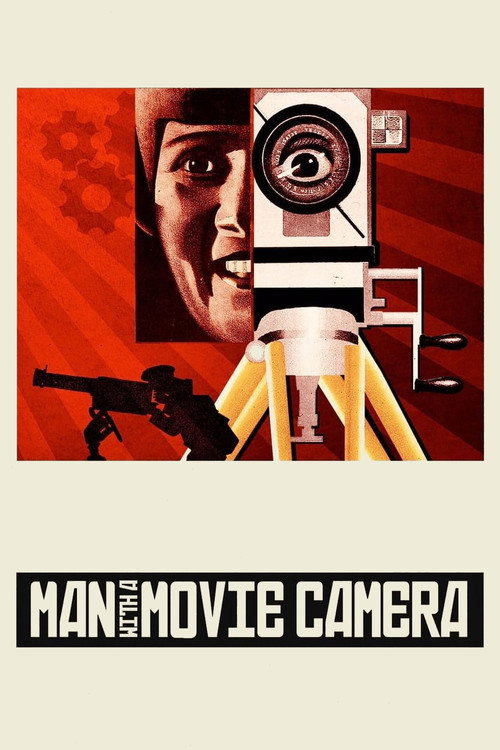
Man with a Movie Camera1929
Dziga Vertov's masterpiece of visual storytelling without plot or dialogue. Pure cinema—movement, rhythm, and montage creating meaning. If you respond to Three Songs' formal inventiveness, this will blow your mind even harder.
But Very abstract. No narrative to hold onto, just images and their relationships. Can feel impenetrable on first viewing and demands active, focused watching.
Battleship Potemkin1925
Eisenstein's revolutionary montage technique at its peak—how to make propaganda emotionally devastating without speeches. Shows the same era's cinema language, but with a gripping historical narrative you can grip onto.
But The famous Odessa Steps sequence aside, the film moves in formal blocks that can feel glacial. Soviet pacing, not Hollywood pacing.

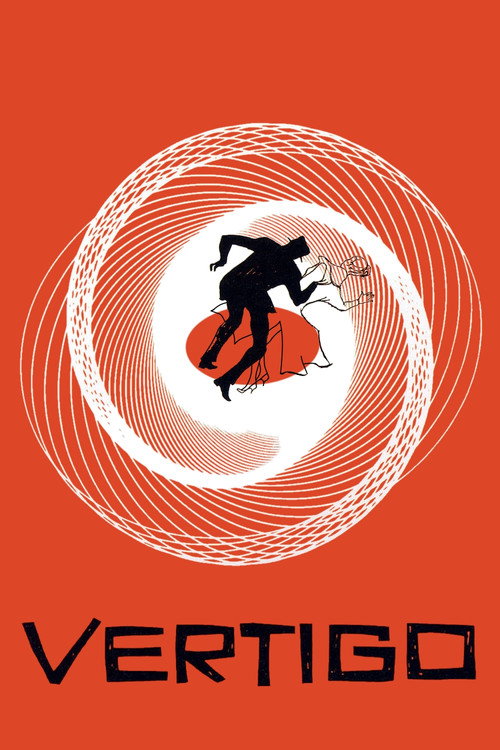
Vertigo1958
Hitchcock uses editing and visual repetition the way Vertov does—making formal technique inseparable from meaning and emotion. A completely different genre, same obsession with how montage sculpts consciousness.
But It's a psychological thriller, so if you're coming to this for documentary substance or historical interest, you'll get a genre film instead. Very different temperature.
Not sure tonight? Get a pick in a minute, starting from Three Songs About Lenin
The wildcard
Something you would not have found on your own.
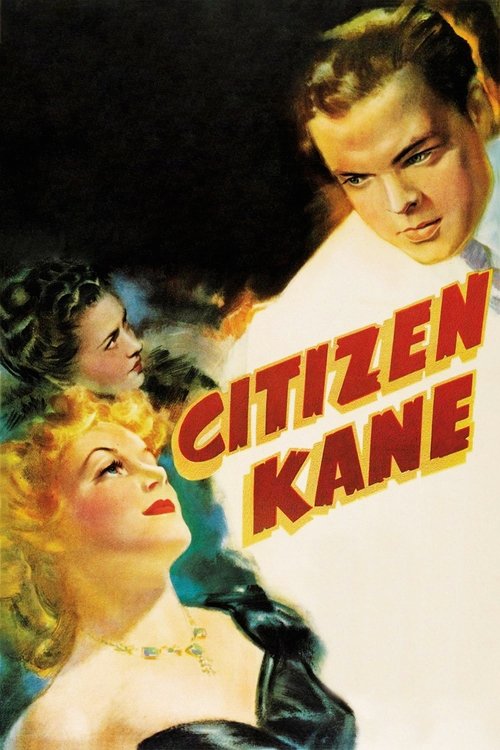
Citizen Kane1941
Both use layered archival materials and formal innovation to interrogate how history becomes myth; both ask cinema to think rather than just show.
Welles uses montage and archival material—newsreels, paintings, photographs—to build a biographical essay about power and memory. Completely different subject and tone, but the same faith that cinema can compose a life through visual collage and rhythm rather than chronology.
But At 119 minutes it's longer and more conventionally plotted than Three Songs, so it might feel slow to modern viewers expecting faster cutting. The deep-focus cinematography, while revolutionary, can feel static to eyes trained on montage.
More like this (6)
Stalker1979
Tarkovsky's science-fiction meditation on faith, desire, and Soviet ideology. Moves like a poem. Uses the same Eastern European cinema language as Vertov, but filtered through decades of existential doubt rather than revolutionary certainty.
But Extremely slow. 163 minutes. Requires you to sit with unease and ambiguity. Not cathartic or traditionally entertaining. Some people find it pretentious; they are not wrong to feel that.

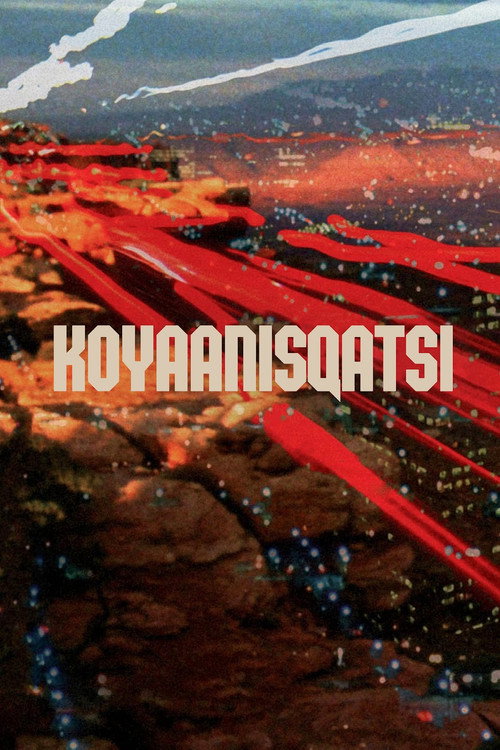
Koyaanisqatsi1983
Godfrey Reggio's visual symphony of images set to Philip Glass's hypnotic score. No dialogue, pure montage-driven meditation on technology and society. Direct spiritual heir to Vertov's belief that cinema is poetry through juxtaposition.
But No narrative, no interviews, no plot. Some viewers experience it as beautiful and some as tedious; there's almost no middle ground. The score can feel manipulative to some ears.
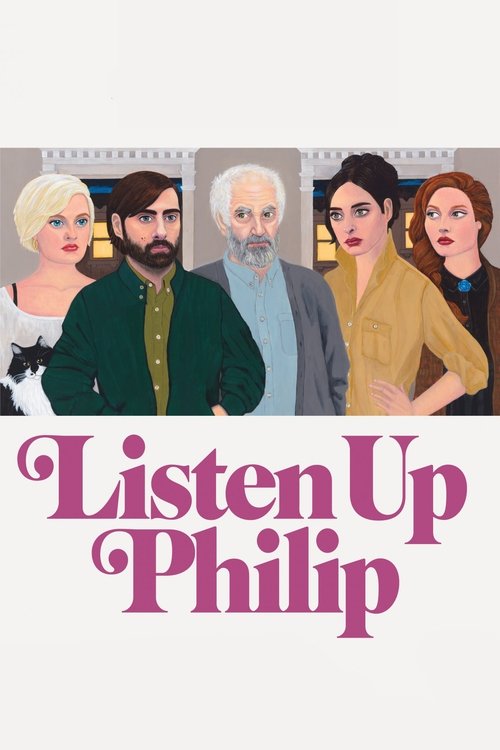
Listen Up Philip2014
Alex Ross Perry's deadpan comedy about a novelist spirals into formal experimentation and archival fiction. Uses montage and found footage creatively, reminding us that Vertov's techniques live on in unexpected contemporary places.
But Abrasive and deliberately unlikeable. The protagonist is insufferable, the humour is cold, and the film doesn't ask you to like it. Jason Schwartzman's performance polarizes hard.
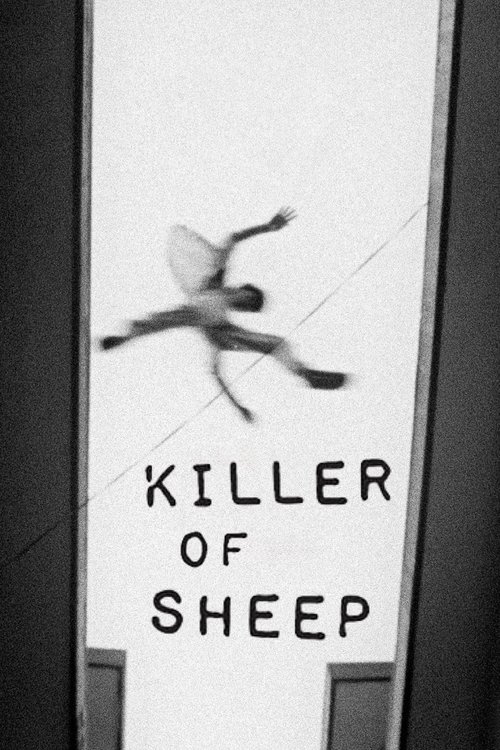
Killer of Sheep1978
Charles Burnett's experimental narrative about a slaughterhouse worker in LA. Uses fragmentation, silence, and image-music relationships to build emotional truth. Shares Vertov's belief that cinema's poetry is visual and rhythmic, not plot-driven.
But Barely a story. Shot in black-and-white on 16mm in the 1970s. Deliberately looks unfinished. Requires surrender to mood over narrative momentum.
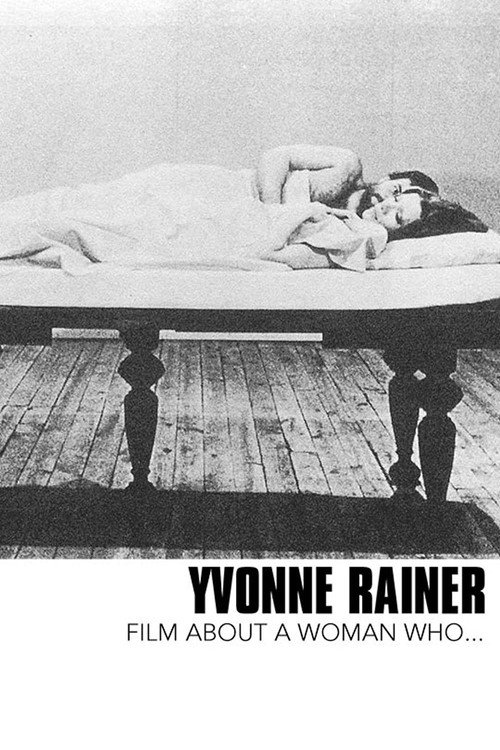
Film About a Woman Who…1974
Both are portrait-essays using montage as primary meaning-making; both show how the same formal tool can serve opposite political projects.
Lis Rhodes' avant-garde piece—structurally a portrait of a woman told through fragmented footage, performance, and theory. Radical feminist inversion of state propaganda's techniques. Uses the same montage language as Vertov but to completely opposite ideological ends.
But Deliberately difficult. Combines archive, theory, performance art, and formal abstraction. Thirty-one minutes that require serious attention. Not entertainment in any traditional sense.
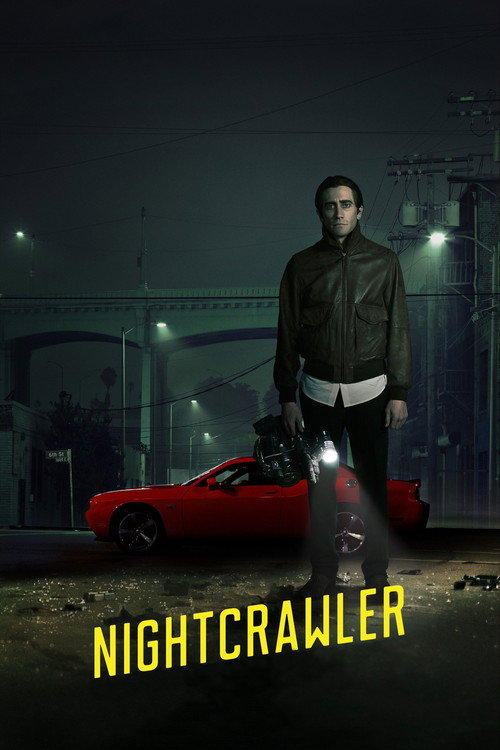
Nightcrawler2014
Both centre the radical power of images and editing; Vertov believed it could free us, Gilroy shows it can also trap and corrupt us.
Dan Gilroy's thriller about a freelance cameraman selling footage to news stations. Uses found footage and distorted images—corrupted media as moral register. Shows what happens to Vertov's faith in the camera's revolutionary truth when that camera serves late capitalism instead of revolution.
But Brutal, cynical, and exhausting. Jake Gyllenhaal's character is repellent. The film offers no catharsis, only the bitter clarity that vision can serve any master. Some viewers find it nihilistic and unrewarding.
People
Cast
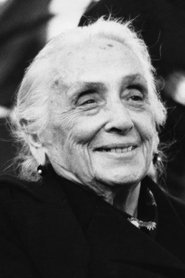 Dolores IbárruriSelf (archive footage)
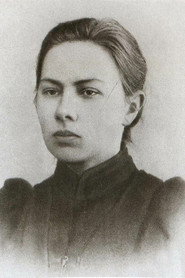 Nadezhda KrupskayaSelf (archive footage)
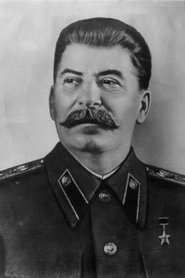 Joseph StalinSelf (archive footage)
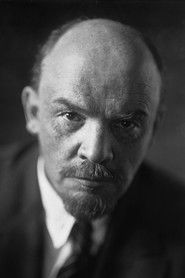 Vladimir LeninSelf (archive footage)
Directing
- Elizaveta SvilovaAssistant Director
- Ilya KopalinAssistant Director
- Semiramida PumpyanskayaAssistant Director
- Dziga VertovDirector
Writing
- Dziga VertovWriter
Production
- Moisey AleynikovProducer