
Film
Finding Kukan
Finding Kukan pieces together a 75-minute puzzle about Li Ling-Ai, the uncredited female producer of an Oscar-winning 1941 documentary that vanished from history. It's detective work dressed as cinema—archival hunting, oral history, and the quiet anger of discovering how women's contributions were erased. For anyone who believes art history matters.
Should you watch it?
Watch it if you enjoy investigative documentaries where the search itself becomes the drama, and you like history recovered from archive fragments and overlooked people.
Skip it if you want a sweeping account of the war, since this short, tightly focused film spends most of its time on one woman's paper trail.
What it asks of you: Around seventy-five minutes, it moves at the pace of patient inquiry, with long stretches of searching and talking rather than big set pieces.
Not sure? Find tonight's pick in a minute.
If you liked this
20 Feet from Stardom2013
Searing portrait of backup singers whose voices defined pop music but whose names nobody knew. Like Finding Kukan, it excavates forgotten talent and asks uncomfortable questions about credit and recognition.
But The musical portions can feel repetitive, and some segments drag between the stronger interview moments.

Guardians of the Galaxy2014
Russian documentary following women soldiers from WWII, tracing how their stories were silenced by Soviet propaganda. Shares Finding Kukan's mission: restoring women to a war narrative that pretended they weren't there.
But Slower pacing and subtitles; the emotional weight accumulates gradually rather than hitting hard upfront.

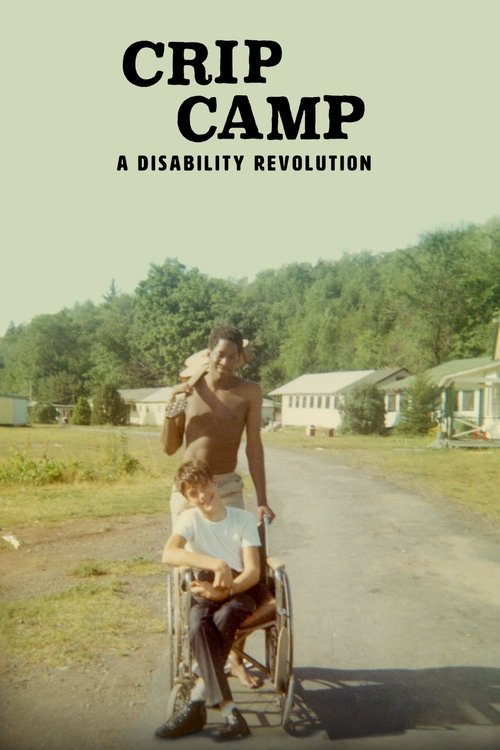
Crip Camp: A Disability Revolution2020
Unearths decades-old footage of a 1971 summer camp that sparked the disability rights movement. Joyful and revelatory—proof that lost archives can reshape how we understand history.
But Occasionally feels like it's using archival material as ornament rather than fully interrogating it; some sections move faster than others.
Not sure tonight? Get a pick in a minute, starting from Finding Kukan
The wildcard
Something you would not have found on your own.
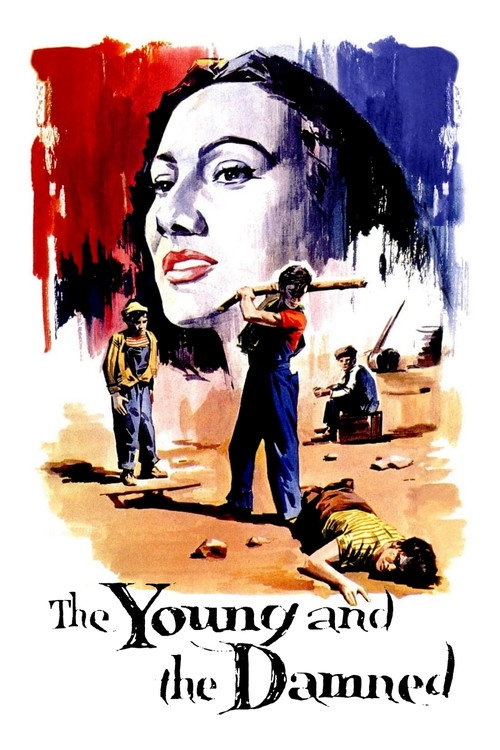
The Young and the Damned1950
Both are films about forgotten people—real and rendered invisible—that had to be actively rescued from obscurity to be seen at all.
Buñuel's fierce Mexican street-kids film was suppressed, forgotten, then rediscovered as a masterpiece. Shot in a nation Hollywood was also ignoring, it's cinema that had to be excavated from the past.
But Brutal imagery and abrupt tonal shifts; it's a provocation first and a comfort never. Disturbing by design.
More like this (2)
Three Songs About Lenin1934
Dziga Vertov's 1934 Soviet documentary is formally radical propaganda that also asks what it means to make a film about invisible historical forces. Connects to Kukan through both era and medium obsession.
But Avant-garde aesthetics and Soviet ideology aren't for everyone; abstract and demanding in ways modern documentaries rarely are.

The Act of Killing2012
Both pursue hidden histories with unstoppable gentleness and rigor. Both understand that some truths only emerge when you refuse to let the story stay buried.
Extraordinary documentary that makes perpetrators of violence reenact their crimes on camera, turning them into unwilling witnesses to their own history. Radically different method, same obsession: forcing the hidden into view.
But Morally and viscerally unsettling; watching men perform casual atrocity is intentionally disturbing and not something to watch lightly.

People
Cast
 Daniel Dae KimRey Scott (voice)
 Kelly HuLi Ling-Ai (voice)
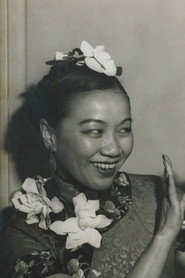 Li Ling-AiSelf
Directing
- Robin LungDirector
Writing
- Robin LungWriter
- Shirley ThompsonWriter
Production
- Kimberlee BassfordCo-Executive Producer
- Shirley ThompsonProducer