
Film
Paris 1900
Nicole Védrès' 1948 documentary stitches together over 700 pieces of archival film to show Paris in the Belle Époque: streets, celebrities, fashion, technology, the texture of daily life before the First World War shattered it all. It's a love letter assembled from fragments—not an argument or narrative, but a reverie of a vanished world. For anyone drawn to history through images rather than words.
Should you watch it?
Watch it if you love archive footage that lets you wander through a vanished city, watching ordinary streets, fashions and music-hall faces flicker past in a patient, curious montage.
Skip it if you want a story with characters, a plot to follow, or a narrator who explains things, since this is a mosaic of found film held together by a single voice.
What it asks of you: About eighty minutes of settling in and letting images accumulate rather than building toward anything; it is unhurried, mostly quiet, and asks you to look closely.
Not sure? Find tonight's pick in a minute.
If you liked this
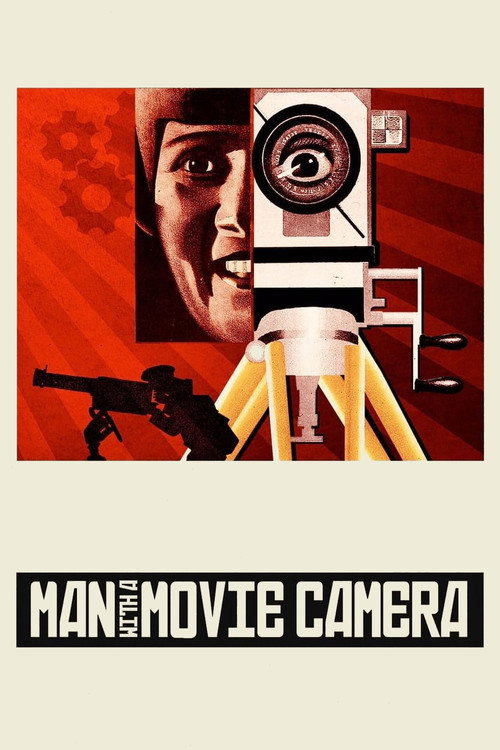
Man with a Movie Camera1929
Dziga Vertov's Soviet montage masterpiece captures a city's full day—waking, working, playing—through pure cinema. Like Paris 1900, it's intoxicated by what film can show us about how people actually live.
But It's entirely silent and structurally repetitive. If you need dialogue or plot momentum, this will feel like watching someone else's home videos for 68 minutes.
Sunrise: A Song of Two Humans1927
F.W. Murnau's silent film captures urban modernity—traffic, crowds, electric light, temptation—with the same wondering eye as Védrès brings to Paris. It's cinema discovering the modern city in real time.
But The melodrama is thick and occasionally overwrought. Some viewers find silent-film acting styles affected rather than moving.

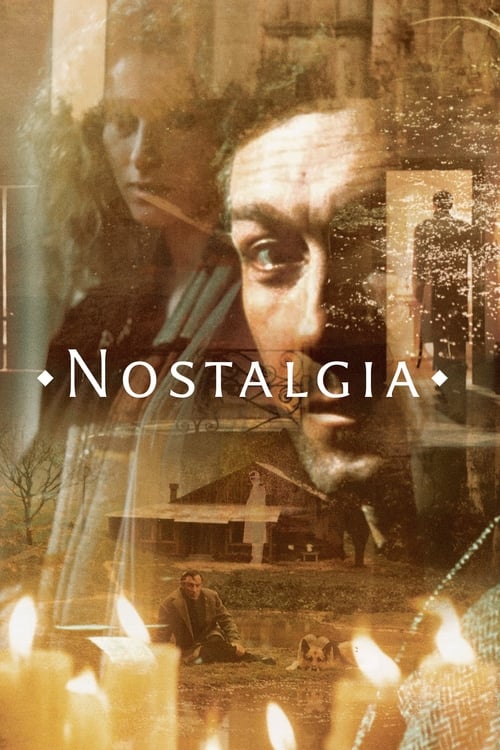
Nostalgia1983
Andrei Tarkovsky's meditation on memory, loss, and what we carry from the past into the present. It's slow and essayistic, built from long takes and accumulation—a spiritual cousin to Védrès' method of looking back.
But 163 minutes of deliberately paced material about states of feeling rather than events. Requires patience and acceptance of ambiguity that will exhaust some viewers.
Not sure tonight? Get a pick in a minute, starting from Paris 1900
The wildcard
Something you would not have found on your own.
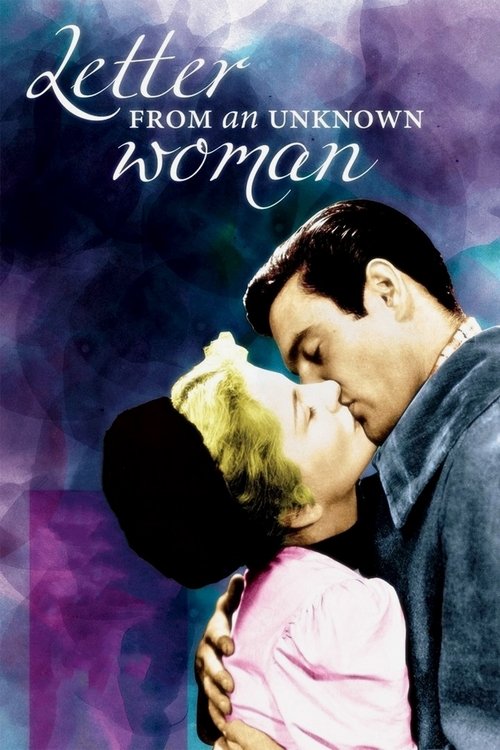
Letter from an Unknown Woman1948
Both works are elegies made in 1948, looking back at pre-war Europe with the same mixture of longing and grief. One uses archives, one uses fiction, but they're singing the same song.
Max Ophüls made this the same year Védrès made Paris 1900—a Viennese love story about memory, loss, and the ghosts of the past. It's baroque and formally dazzling, but its heart is Védrès' heart: mourning a world that's gone.
But It's formally mannered and emotionally overwrought. The Ophüls camera never stops moving; some find it beautiful, others exhausting.
More like this (8)
Sans Soleil1983
Chris Marker's essay film jumps through time and continents—Japan, Iceland, Guinea-Bissau, Paris—exploring memory, tourism, and what photography and film actually preserve. It's a restless, brilliant cousin to Védrès' archival method.
But Fragmentary and digressive by design. There's no spine, no argument you can follow; it asks you to surrender to mood and association rather than comprehension.

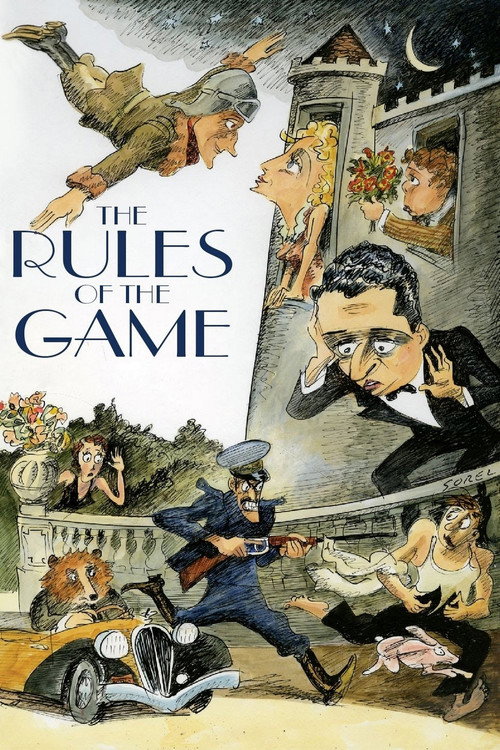
The Rules of the Game1939
Jean Renoir's masterpiece captures French society in the 1930s with the same affection and social detail as Paris 1900 brings to the Belle Époque. It's the fictional equivalent of what Védrès does with documentary material.
But Nearly four hours, densely plotted, and the pacing feels deliberately baroque. Rewarding but demanding; the kind of film that needs your full attention.
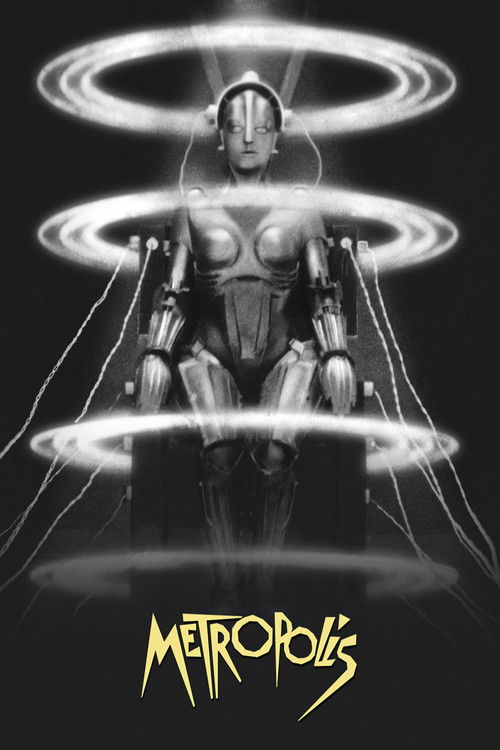
Metropolis1927
Fritz Lang's vision of a future megacity captures technological transformation and urban scale with the same fascination Védrès brings to early-century Paris. Both are about cinema discovering the modern world.
But The restored version is still silently theatrical. The gender politics are dated and uncomfortable, and the melodrama is sometimes unintentional comedy.
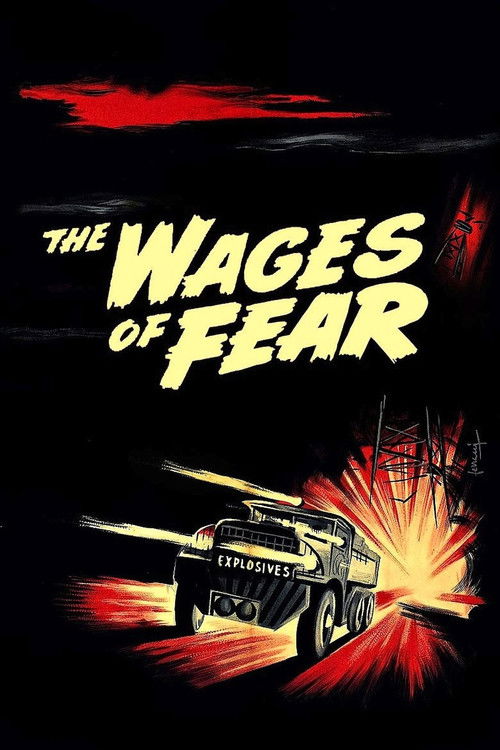
The Wages of Fear1953
Henri-Georges Clouzot made this in the decade after Paris 1900, bringing the same eye for social texture and human detail to a high-concept thriller. It's French cinema at its most humanist and suspenseful.
But It's a slow-burn buildup to a visceral climax. The first hour is deliberately claustrophobic and talk-heavy before the stakes escalate.
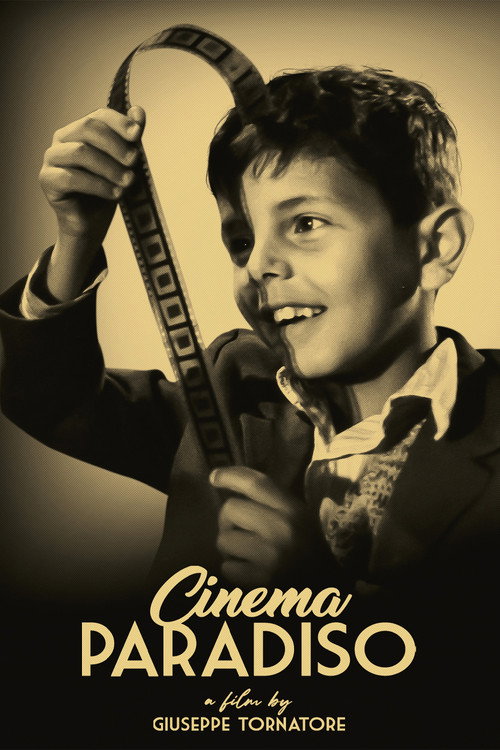
Cinema Paradiso1988
Giuseppe Tornatore's love letter to cinema and memory—childhood, friendship, the power of watching films together. It shares Védrès' nostalgic reverence for what film preserves and why it matters.
But It can feel sentimental and manipulative, especially in the restored longer cut. If you're allergic to earnestness, this will feel cloying rather than touching.
Stalker1979
Tarkovsky again, but this one moves—a narrative film about desire, faith, and what we're really searching for. It has the patient observation of human behavior you find in Paris 1900, but wrapped in science-fiction metaphor.
But 163 minutes of a man walking through a landscape. Very little happens. It's meditative to the point of testing most viewers' definition of cinema.

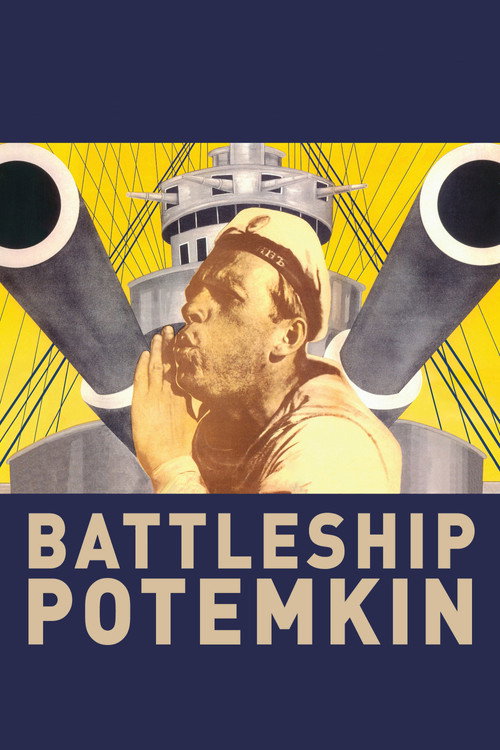
Battleship Potemkin1925
Both are archival/assemblage works about modernity and social change—one documentary, one fiction propaganda—but both treat editing as the fundamental cinematic act and trust montage over narrative.
Sergei Eisenstein's revolutionary montage film shows how to make images collide and create meaning—the opposite approach to Védrès' patient observation, but cut from the same cloth of discovering cinema's real power.
But It's explicitly propagandistic, didactic, and structured as argument rather than experience. Its politics are blunt; the Odessa Steps scene has been imitated so much it now feels familiar.
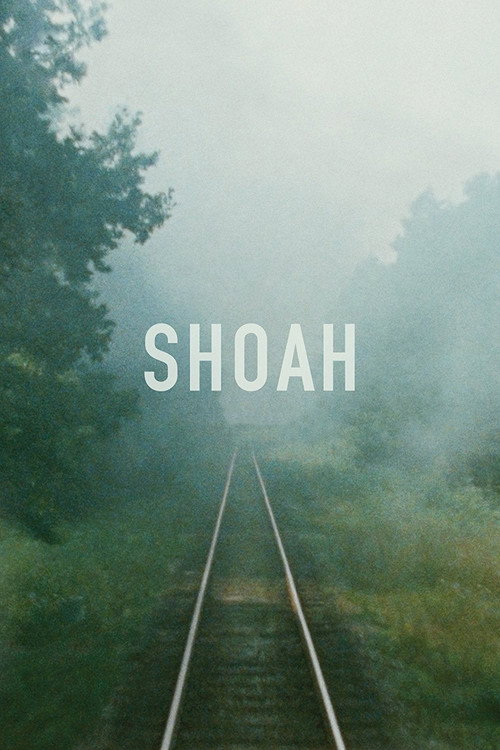
Shoah1985
Paris 1900 is nostalgia for a world before catastrophe. Shoah is the sound of that catastrophe itself, and what voices say afterward. Both understand that cinema's deepest job is preserving what dies.
Claude Lanzmann's nine-and-a-half-hour oral history documents the Holocaust through survivor testimony, Nazi perpetrators, and empty landscapes. It's the most unsparing use of time and archive as method to preserve what might be forgotten.
But It is vast, exhausting, and often unbearable. Lanzmann refuses easy catharsis or redemption; watching it is an ordeal, and it should be. Not an evening—a commitment.
People
Cast
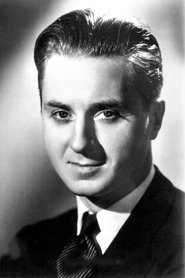 Claude DauphinNarrator
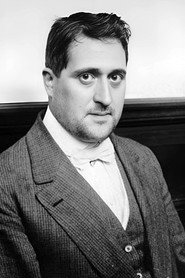 Guillaume ApollinaireSelf (archive footage)
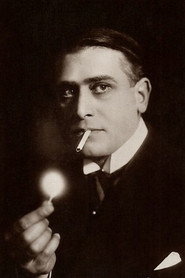 René AlexandreSelf (archive footage)
 Régina BadetSelf - Actress and dancer (archive footage)
- Maurice BarrèsSelf (archive footage)
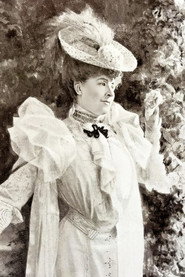 Julia BartetSelf (archive footage)
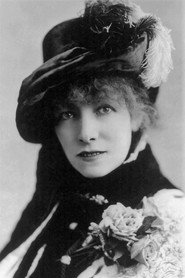 Sarah BernhardtSelf (archive footage)
- Henry BatailleSelf (archive footage)
- Louis BlériotSelf (archive footage)
- Alice BonheurSelf - Singer and actress (archive footage)
- Jean BouinSelf (archive footage)
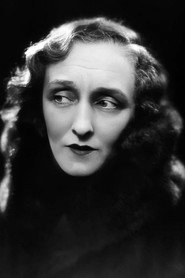 Berthe BovySelf (archive footage)
Directing
- Alain ResnaisAssistant Director
- Nicole VédrèsDirector
Writing
- Nicole VédrèsScenario Writer
- Pierre BraunbergerScenario Writer
Production
- Alain ResnaisAssistant Production Coordinator
- Henri LangloisConsulting Producer
- Jacques DamiotConsulting Producer
- Sacha GuitryConsulting Producer
- Pierre BraunbergerExecutive Producer
- Arthur MayerProducer
- Edward KingsleyProducer
- Claude HauserProduction Supervisor
- Alain ResnaisResearcher