
Film
The Inn of the Sixth Happiness
A 1958 epic about Gladys Aylward, an English missionary who defies convention to build a life in remote China, eventually becoming a beloved figure in her village. Bergman is luminous; the film is sweeping, earnest, and genuinely moving about faith, belonging, and the collision of cultures. For anyone who loves old-fashioned Hollywood drama with a conscience.
If you liked this
The Nun's Story1959
Audrey Hepburn in a similarly intelligent, layered portrait of a woman navigating faith, doubt, and independence within rigid institutions. It asks harder questions about vocation than it answers.
But Much slower and more introspective than *Inn*; less plot, more interior wrestling. Some find it austere.

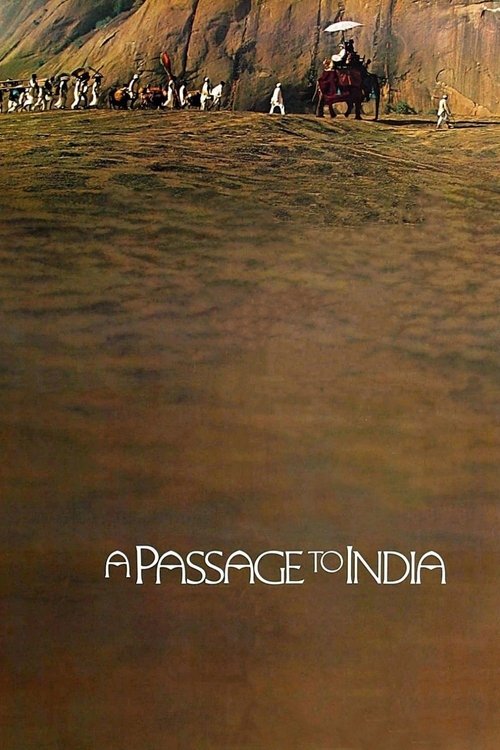
A Passage to India1984
Lean's final masterpiece about English and Indian characters colliding across culture and misunderstanding in colonial India. Epic in scale, devastating in its humanity, with David Lean's incomparable eye.
But Nearly three and a half hours, and the central trial stretches longer than some entire films. It can feel glacial.
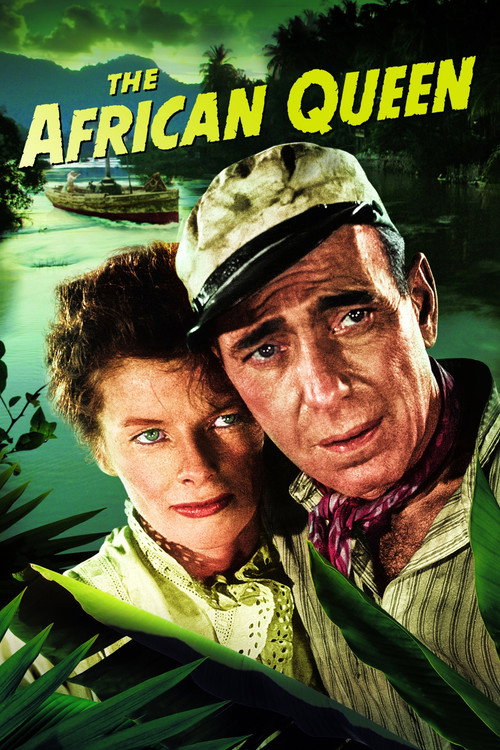
The African Queen1952
Bogart and Hepburn on a river in Africa during WWI, bickering their way toward heroism. Adventurous, funny, and shot in real locations with genuine danger. Pure movie joy.
But The colonialist attitudes are unexamined by the film itself, and some scenes haven't aged well by modern standards.
Not sure tonight? Get a pick in a minute, starting from The Inn of the Sixth Happiness
The wildcard
Something you would not have found on your own.
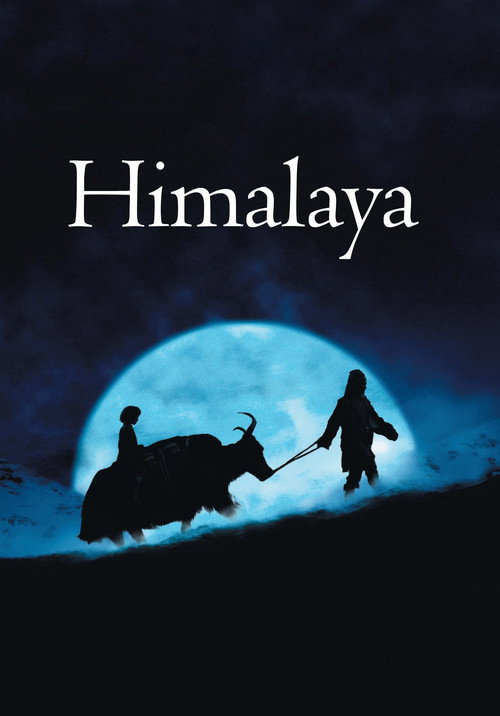
Himalaya1999
Both are about outsiders discovering their true calling through service to a community, but *Himalaya* centers the community's own voice instead of the Western savior figure.
A Nepali film about an old sherpa and a young one competing to lead a dangerous mountain crossing. Shot on location, in Nepali, with non-professional actors. It has the epic scope and moral clarity of *Inn* but from the perspective usually erased from such stories.
But Subtitled; the pacing is deliberate and the victories humble rather than triumphant. Western audiences expect narrative momentum this film doesn't provide.
More like this (8)
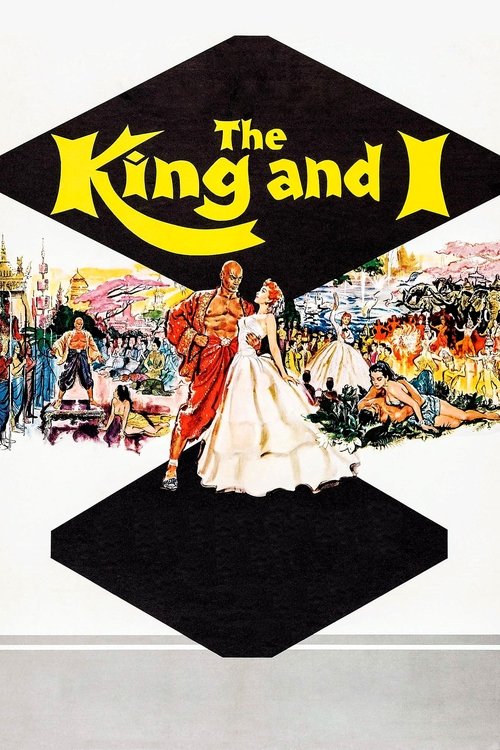
The King and I1956
Rodgers and Hammerstein's musical about Anna Leonowens, an English governess in Siam. Deborah Kerr is graceful and real; the spectacle is stunning; 'Shall We Dance' remains glorious.
But Yul Brynner's performance, while commanding, relies on yellowface makeup. The orientalism is of its era. Also: it's a musical, which is not for everyone.
The English Patient1996
A woman alone in wartime caring for an injured man, piecing together his identity and their shared past. Visually ravishing, emotionally intricate, with a haunting Sade score.
But Dialogue-heavy and deliberately paced; some find it self-consciously beautiful. The central romance divides audiences sharply.

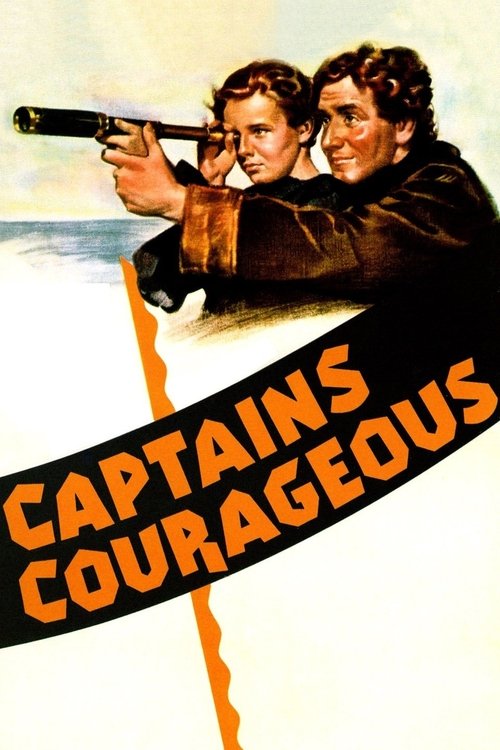
Captains Courageous1937
A spoiled boy learns humility from working-class fishermen at sea. Spencer Tracy is magnificent; it's Kipling filtered through Hollywood but done with real craft and heart.
But The class politics are of 1937. Some of the sentimental beats feel overwrought to modern eyes.
The Citadel1938
Robert Donat (who plays the Mandarin in *Inn*) as an idealistic Scottish doctor torn between profit and principle. Intelligent drama about vocation with a moral spine.
But Quite slow; the medical details, while praised at the time, can feel procedural rather than dramatically urgent now.

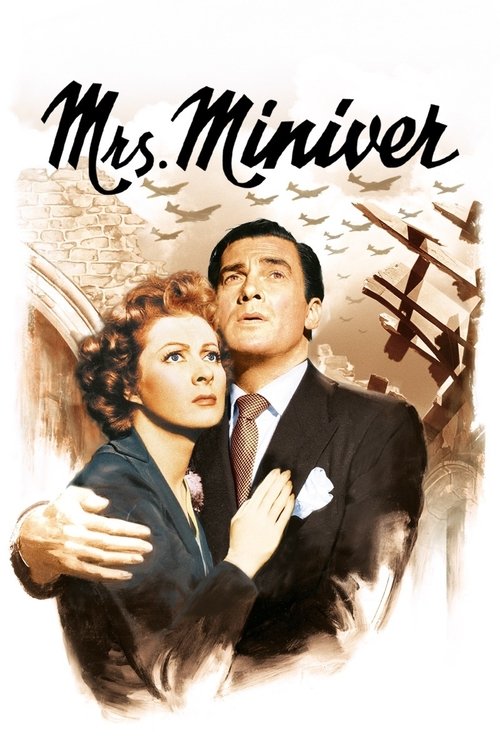
Mrs. Miniver1942
Greer Garson as an English wife facing the Blitz with grace and grit. It won Best Picture; it's a masterclass in balancing intimate family drama with historical weight.
But The patriotic messaging is unironic and heavy-handed; some find it maudlin. The wartime setting may feel distant from *Inn*'s later conflict.
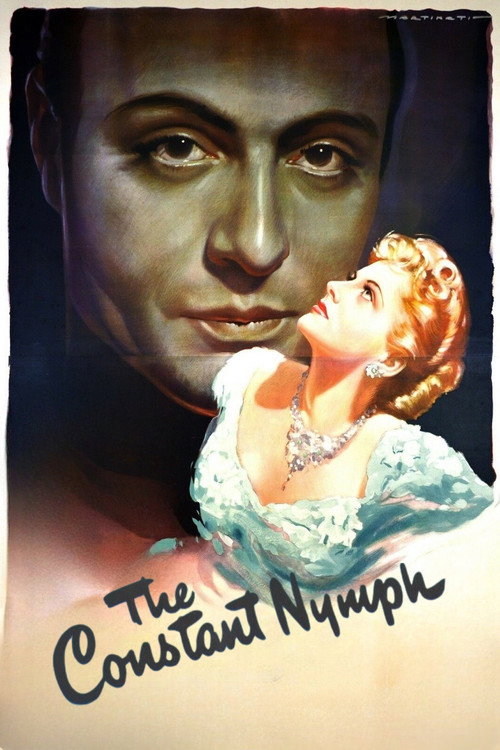
The Constant Nymph1943
Bergman herself, playing a woman torn between artistic passion and social convention. It's romantic and melancholic, with music as a character itself.
But The plot hinges on a character who remains adolescent; modern viewers may find the romantic dynamic uncomfortable. It's also quite minor Bergman.
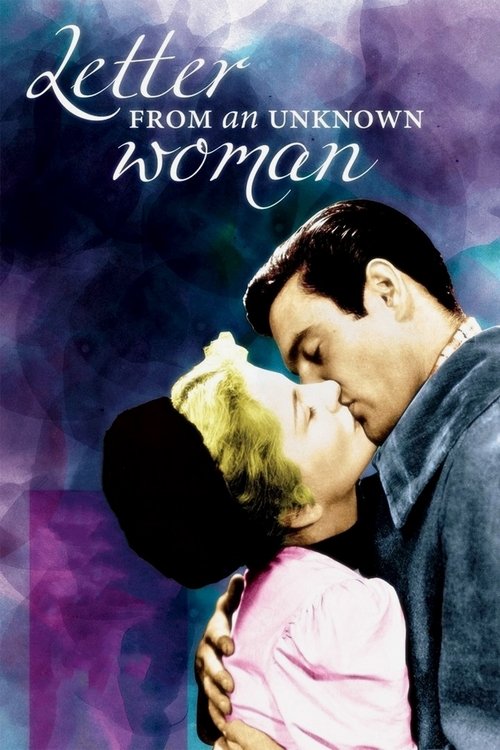
Letter from an Unknown Woman1948
Both examine a woman's capacity for love and sacrifice, but where Gladys finds reciprocation and purpose, Ophüls' heroine finds only the echo of an impossible feeling.
Max Ophüls' heartbreaking chamber piece: a woman writes a letter to a man who never knew she existed, recounting a life defined by devotion to an indifferent love. Achingly beautiful cinematography; emotionally devastating.
But No plot in the conventional sense—it's all interior longing and regret. Some viewers find it unbearably passive; the female protagonist never acts, only feels.
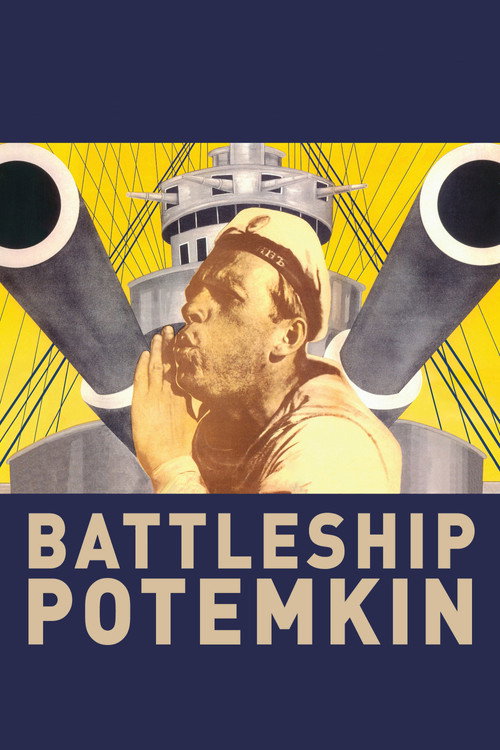
Battleship Potemkin1925
Both use individual heroism against the backdrop of war and social upheaval, but *Potemkin* sees the crowd as hero and violence as necessary, while *Inn* trusts personal faith and civilian mercy.
Eisenstein's silent Soviet masterpiece about mutiny during the 1905 Russian Revolution. The Odessa Steps sequence is cinema itself. Visceral, artfully composed, and morally urgent in a completely different register.
But Silent; the editing is rapid and expressionistic rather than naturalistic. The revolutionary rhetoric is unapologetic. It demands active viewing, not passive comfort.
People
Cast
 Ingrid BergmanGladys Aylward
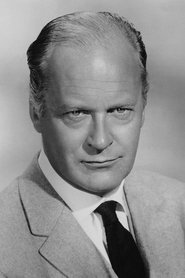 Curd JürgensCapt. Lin Nan
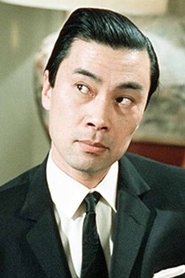
 Robert DonatThe Mandarin of Yang Cheng
 Tsai ChinSui-Lan
 Richard WattisMr. Murfin
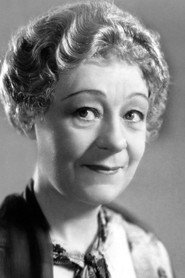 Athene SeylerJeannie Lawson
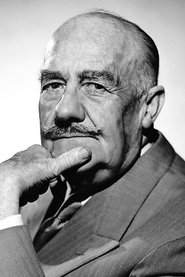 Ronald SquireSir Francis Jamison
- Michael DavidHok-A
- Peter ChongYang
 Joan YoungSir Francis' cook
 Noel HoodMiss Thompson
Directing
- David MiddlemasAssistant Director
- Mark RobsonDirector
Writing
- Alan BurgessNovel
- Isobel LennartScreenplay
Production
- Nora RobertsCasting
- Buddy AdlerProducer
- Cecil F. FordProduction Manager
- James E. NewcomProduction Supervisor