
Film
Russian Ark
A single unbroken camera glides through the Winter Palace across three centuries of Russian history, following a ghost and a French aristocrat through ballrooms, war rooms, and intimate chambers. It's experimental and hypnotic—part concert, part fever dream, part museum come alive. For anyone who's ever felt small standing in front of history.
Should you watch it?
Watch it if you love films that treat a single formal idea as a whole universe, and you enjoy following a camera through rooms full of centuries of ceremony, costume and argument.
Skip it if you need a story with momentum or characters to hold onto, since the Marquis's chatter can grow wearing and the drift between eras may leave you waiting for a hook.
What it asks of you: Expect the full ninety-nine minutes in one unbroken take, with a slow, floating pace and no cuts to rest your eyes; it rewards patience and close attention rather than quick comprehension.
Not sure? Find tonight's pick in a minute.
If you liked this
Stalker1979
Tarkovsky's meditation on desire and the unknowable unfolds across a mysterious landscape much as Russian Ark unfolds through palace rooms. Equally patient, equally strange, equally rewarding if you surrender to its rhythm.
But At 163 minutes with long passages of silence and philosophical dialogue, it demands more from you than most films ask. Frustrating if you want plot to drive forward.

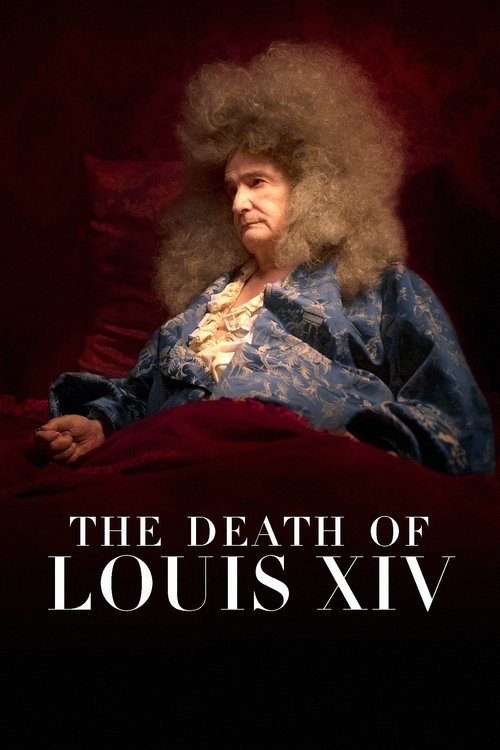
The Death of Louis XIV2016
A single room, a single day, the end of an empire. Like Russian Ark, it finds the entire weight of history in a contained space and asks you to simply watch what happens there.
But It's almost aggressively undramatic. If you need incident and forward momentum, this will feel like watching paint dry—intentionally.
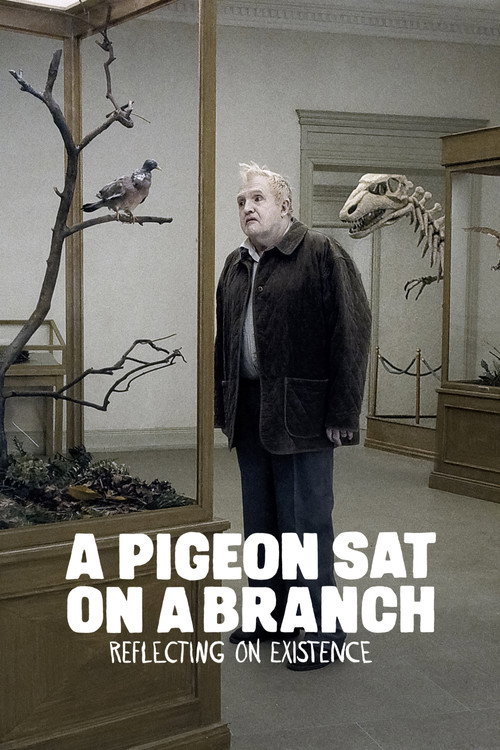
A Pigeon Sat on a Branch Reflecting on Existence2014
Roy Andersson's tableaux of melancholy and absurdity across Swedish history echo the episodic grandeur and dark humour of moving through the Palace. Equally surreal and deeply humane.
But Its deadpan tone and static compositions won't satisfy anyone looking for conventional drama or character development. Some find it pretentious.
Not sure tonight? Get a pick in a minute, starting from Russian Ark
The wildcard
Something you would not have found on your own.
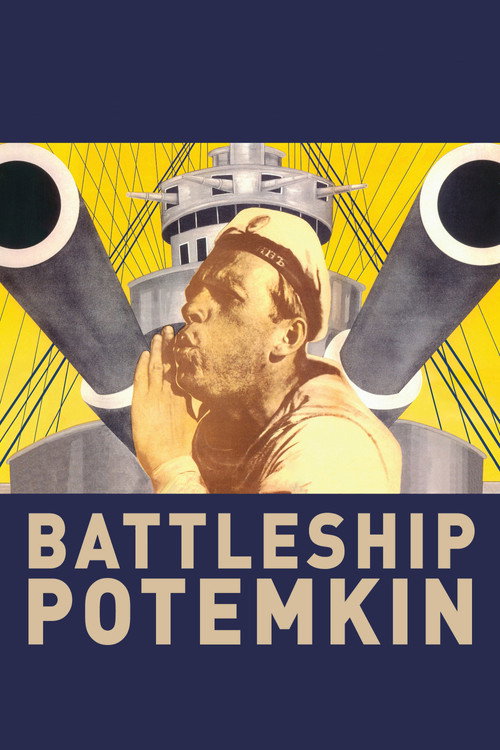
Battleship Potemkin1925
Both use a circumscribed space as a vessel for centuries of Russian meaning; both are formally radical experiments that treat cinema as philosophy.
Eisenstein's revolution-era masterpiece also uses a single location (a ship, a staircase) as the stage for political upheaval and collective will. Both films treat space as the real protagonist, and both were made by Russians processing their national identity.
But The montage-heavy editing style and silent-film acting conventions feel very much of their moment. It's history, and that can feel like homework.
More like this (6)
Winter Light1963
Bergman captures spiritual crisis in a small Swedish church much as Russian Ark captures the soul of an empire—by staying close to one space and letting meaning accumulate. Intimately grand.
But Bleak and austere even for Bergman. If you need warmth or hope, this will exhaust you.

The Phantom Carriage1921
Sjöström's silent masterpiece also weaves past and present through supernatural visitation, with ghosts reflecting on history and mortality. A clear ancestor to what Sokurov is doing.
But The theatrical performances and intertitles date it noticeably. You have to meet it in its own era to fully appreciate it.

Possession1981
Andrzej Żuławski's fever dream through Berlin and a crumbling relationship feels like a nightmare version of Russian Ark—movement through space as movement through psychology and history.
But Deliberately claustrophobic, deliberately ugly, deliberately exhausting. Its intensity will repel as many as it hypnotizes.

Synecdoche, New York2008
Like Russian Ark, Kaufman creates a complete world—a theater within a warehouse—that becomes a meditation on time, memory, and the impossibility of capturing experience. Both are essentially about the act of representation itself.
But It spirals inward until logic gives up. Some viewers find that liberating; others find it self-indulgent and opaque.

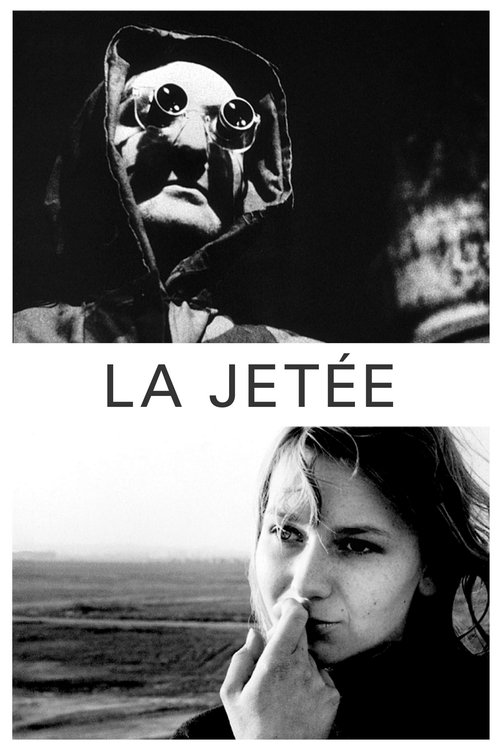
La Jetée1962
Both are unconventional approaches to how cinema moves through time itself; both are essentially about the act of witnessing and remembering rather than narrative.
Chris Marker's time-travel poem is technically a slideshow but moves like memory—weightless, precise, devastating. Like Russian Ark, it proves that cinema's power isn't in motion but in what it chooses to hold still.
But It's 28 minutes of still photographs with voiceover. If you need actors performing scenes, this will feel like punishment rather than art.
Chungking Express1994
Both use unbroken or nearly unbroken camera movement and a single location as the engine for reflection on time, loss, and what persists. Both are about motion as meditation.
Wong Kar-wai's two-part love story moves through Hong Kong's neon underbelly with the same flowing-camera grace as Russian Ark, but trades history for memory and empire for heartbreak. Utterly alive, utterly immediate.
But The plot is thin and fragmentary, and the philosophical melancholy might feel like style covering for substance. Requires patience and acceptance of ambiguity.

People
Cast
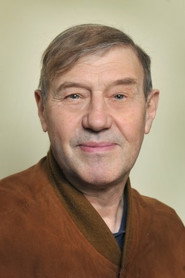 Sergey DreydenMarquis de Custine
 Mariya KuznetsovaCatherine The Great
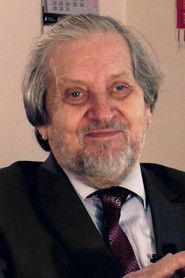 Leonid MozgovoyThe Spy
- Mikhail PiotrovskyHermitage director
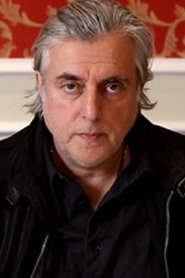
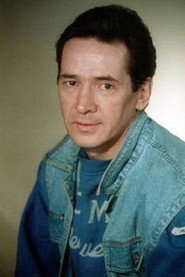 Aleksandr ChabanBoris Piotrovsky
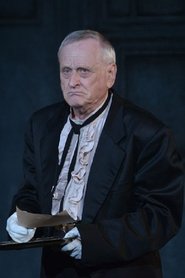 Lev EliseevSelf
- Oleg KhmelnitskySelf
 Alla OsipenkoSelf
- Artyom Strelnikovtalented boy
- Tamara Kurenkovablind woman
 Maxim SergeevPeter the Great
Directing
- Marina KorenevaAssistant Director
- Aleksandr SokurovDirector
- Leda SemyonovaScript Supervisor
Writing
- Aleksandr SokurovDialogue
- Boris KhaimskyDialogue
- Svetlana ProskurinaDialogue
- Aleksandr SokurovWriter
- Anatoly NikiforovWriter
Production
- Tatyana KomarovaCasting Director
- Alla VerlotskyProducer
- Andrew ColtonProducer
- Andrey DeryabinProducer
- Jens MeurerProducer
- John HamiltonProducer
- Karsten StöterProducer
- Oliver DamianProducer
- Vladimir PlyatskovskyProducer
Recommended by
Wheel of Fortune, The Disappearance of Haruhi Suzumiya, Cheaters, Get a Job, Being Erica, Holiday Hearts, A Godwink Christmas