
Television series
Wheel of Fortune
- Mystery
- Light-hearted
- Dip in and out
Wheel of Fortune is the longest-running game show in American television history. Contestants spin a wheel to win money while guessing letters in hidden phrases—simple enough to play along at home, engaging enough to keep millions watching for four decades. It's comfort viewing that asks almost nothing of you except a willingness to shout answers at your screen.
Should you watch it?
Watch it if you like low-stakes, rhythm-driven entertainment where the pleasure is watching a puzzle slowly reveal itself letter by letter, and where a bit of luck and a lot of nerve do most of the work.
Skip it if you want a show with a through-line, characters to follow or any real narrative stakes, since each half hour is a self-contained game with nothing carried over from the last one.
What it asks of you: Half an hour, the same shape every time, with long stretches of waiting while letters are called. It asks for a little patience and a willingness to shout answers at the screen.
Not sure? Find tonight's pick in a minute.
If you liked this
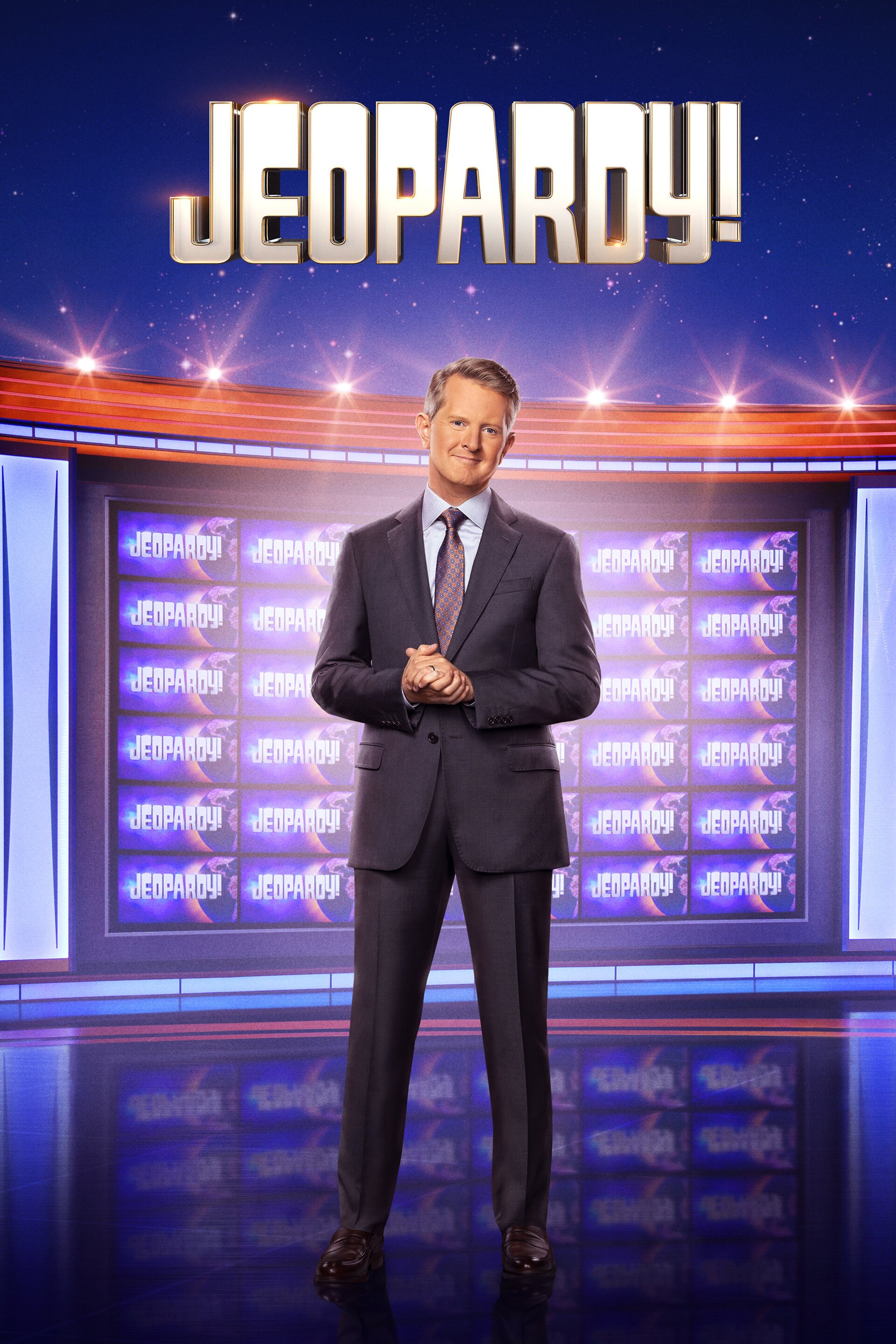
Jeopardy!1984
The intellectual counterpart to Wheel: contestants answer trivia questions across every conceivable category. Alex Trebek's warmth and the show's elegant format made it appointment television for thinking households everywhere.
But If you don't know the answers, you're just watching other people be smart. The pace is slower, and there's no wheel to break the rhythm.
The Price is Right1972
Pure game show joy. Contestants guess prices, spin big wheels, and play absurd mini-games for actual prizes. Drew Carey's version captures the same daytime magic Wheel perfected—accessible, generous, endlessly watchable.
But The pacing is deliberately languid; it's designed for people at home in their slippers. If you need narrative momentum, you'll find it repetitive.

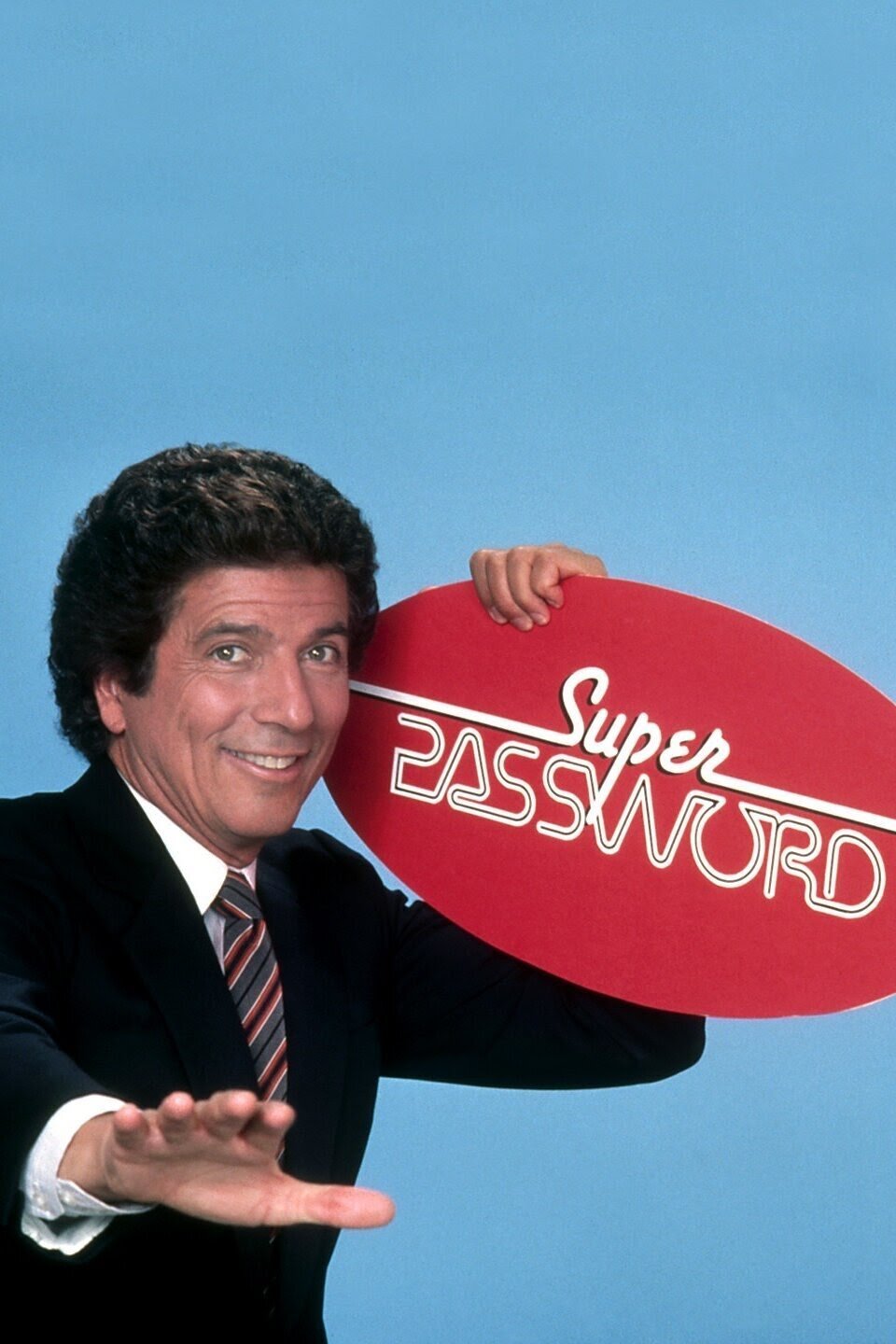
Super Password1984
The grandfather of word-guessing game shows, with celebrities and civilians forming teams. The interplay between host and players creates moments of genuine wit and spontaneity that pure mechanics can't quite match.
But Black-and-white, 1960s pacing, and you need to actually care about the celebrity guests for it to sing.
Not sure tonight? Get a pick in a minute, starting from Wheel of Fortune
The wildcard
Something you would not have found on your own.
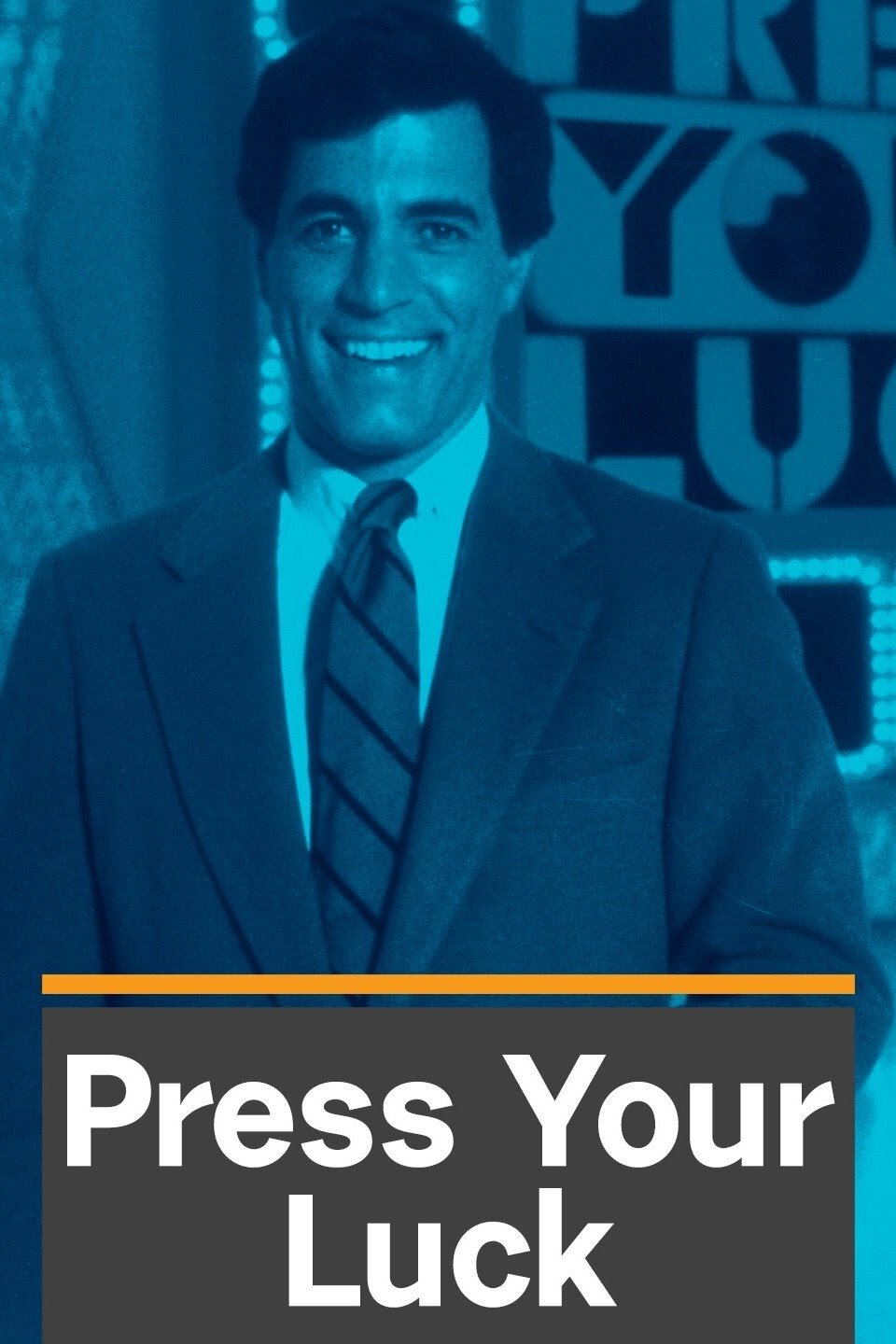
Press Your Luck1983
Both premiered in 1983 and perfected the same formula: simple mechanical gameplay wrapped around a spinning wheel, allowing contestants to influence their own fate while luck remains genuinely in play.
Your exact contemporary and spiritual sibling. Contestants earn spins on a board by answering trivia, then navigate a grid of cash prizes while avoiding the dreaded Whammy. It's Wheel's manic cousin—less about letters, more about risk and greed. Peter Tomarken's hosting is pure energy.
But The board is visually chaotic and the rules take a moment to grasp. If you don't like contestants sweating under pressure, the emotional tone might feel punishing.
More like this (4)
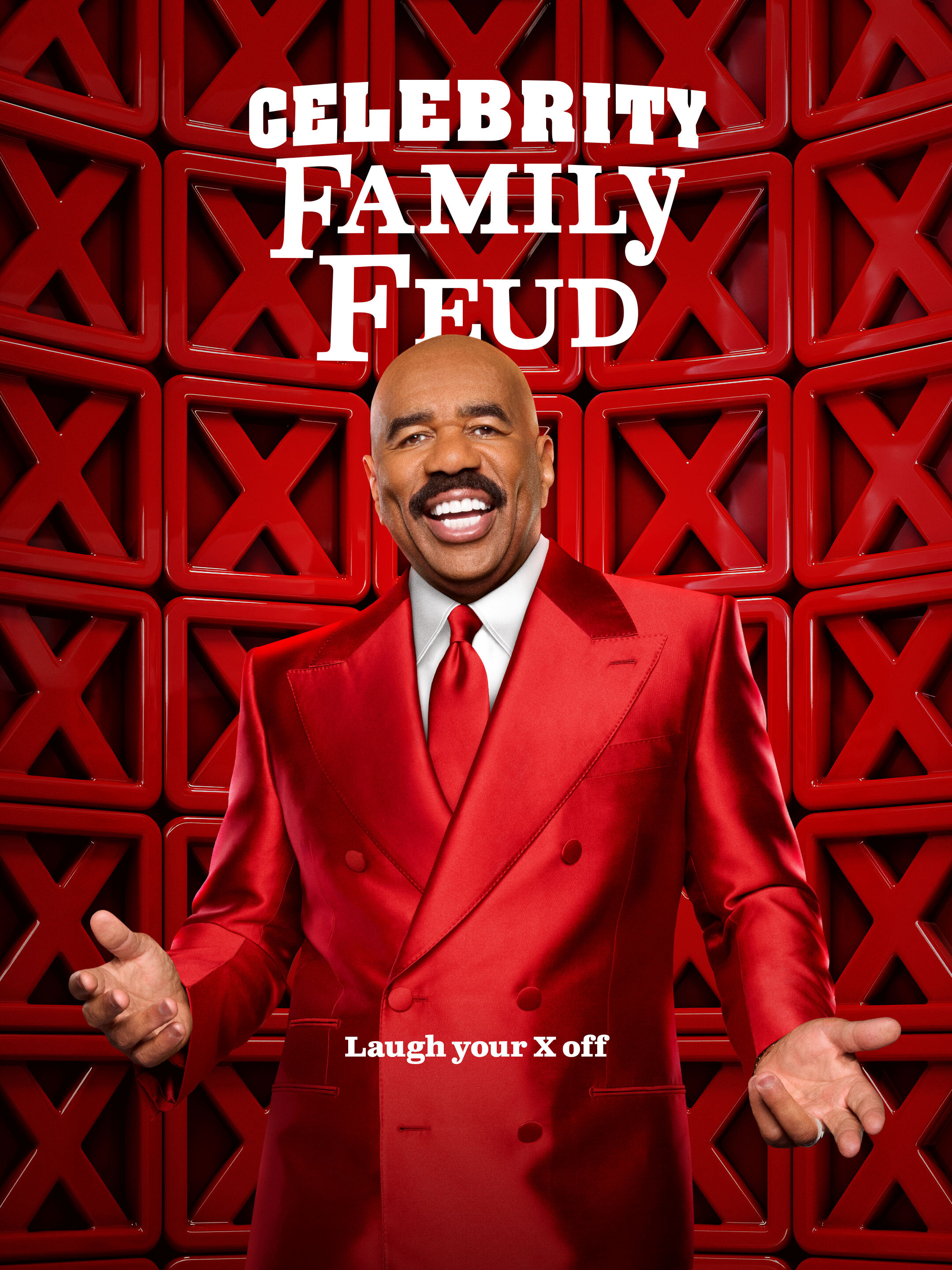
Celebrity Family Feud2015
Survey-based chaos. Families guess what regular people said, leading to absurd answers, genuine laughter, and Richard Dawson's (or Steve Harvey's) comedic salvage attempts. It's funny in ways Wheel simply isn't trying to be.
But The format is narrow; every episode feels similar. Some answers are manufactured nonsense, which breaks the game's internal logic.
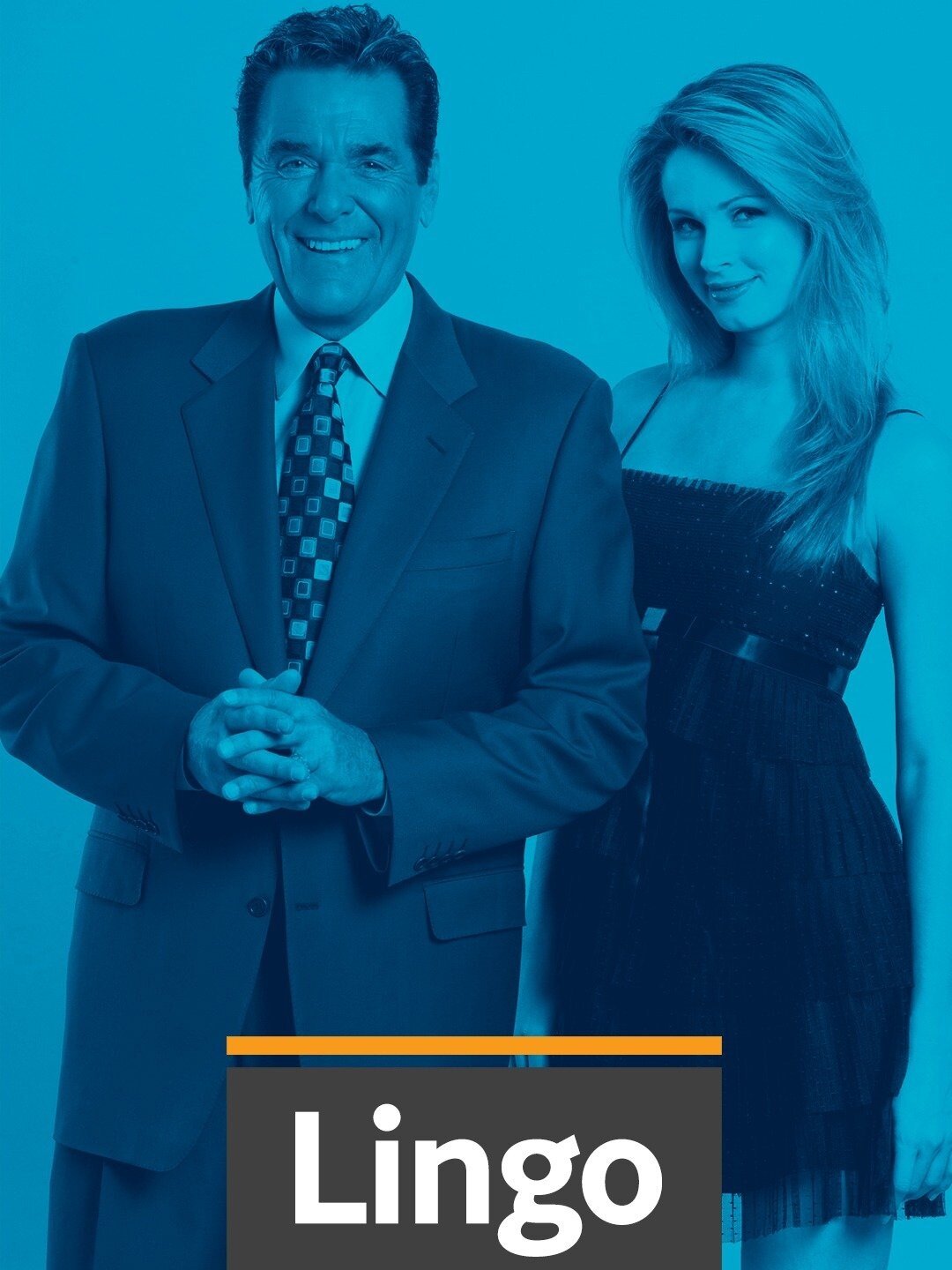
Lingo2002
A word-guessing game show that sits between Wheel and Password—you deduce five-letter words using colored tiles for feedback. Chuck Woolery's hosting is warm, and the gameplay is genuinely clever.
But It disappeared from TV for years and never quite had Wheel's cultural momentum. The grid system is more abstract than flipping letters.
High Rollers
Contestants roll dice to reveal numbers on a board, which they use to make educated guesses about trivia answers. It's lighter than Jeopardy, more strategic than Wheel, and genuinely fun to play along with.
But The trivia is often forgettable. Without a memorable host, it blends into the background of game show history.
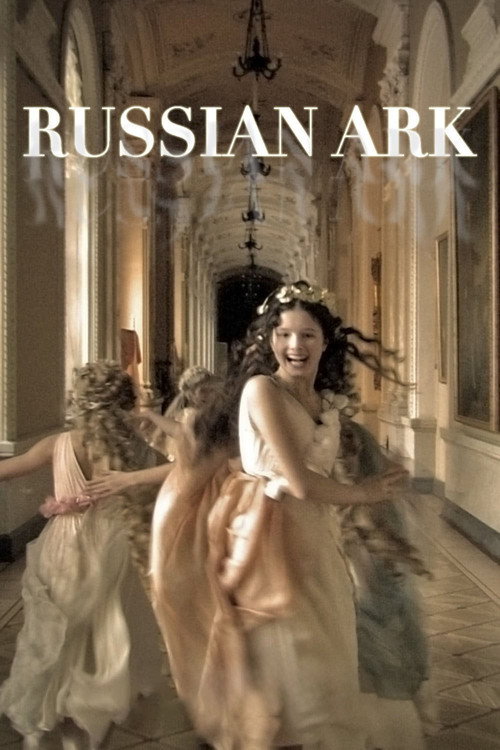
Russian Ark2002
Both are vessels for wonder. Wheel of Fortune uses game mechanics to create moments of revelation and joy; Russian Ark uses the museum itself as the mechanism—discovery is the entire point, and both trust that the act of uncovering something beautiful is enough.
A feature film shot in a single unbroken take, following a ghostly narrator through the entire history of the Hermitage Museum. It's visually spectacular, philosophically ambitious, and hypnotic. Zero conventional narrative—pure aesthetic and historical immersion for 90 minutes.
But There's no plot, no drama, and no character arc. If you need a story with stakes to hold your attention, this will feel like walking through a museum with a very talkative guide.
People
Cast
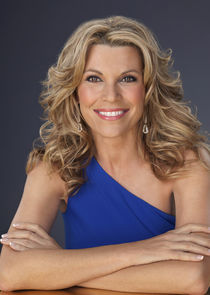
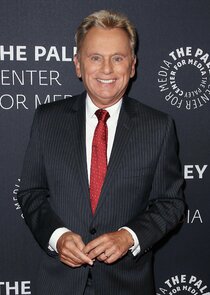 Pat SajakHost
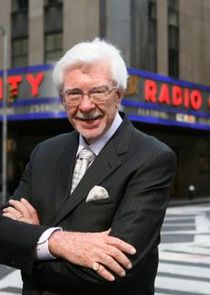 Charlie O'DonnellAnnouncer
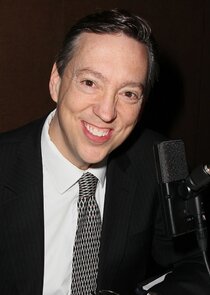 Jim ThorntonAnnouncer
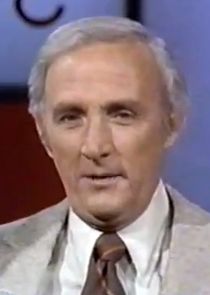 Jack ClarkAnnouncer
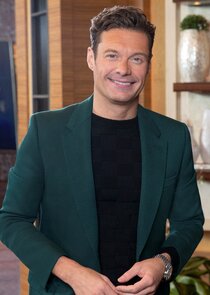 Ryan SeacrestHost
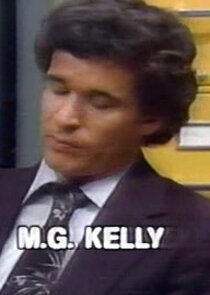 M.G. KellyAnnouncer
Directing
- Darcy AltwargAssistant Director
- Jody F. VaclavAssistant Director
Writing
- Merv GriffinCreator
Production
- Jason MauroAssociate Producer
- Jenny KimAssociate Producer
- Nayeli PinedaAssociate Producer
- Sarah SenensiebAssociate Producer
- Genna GintzigCo-Executive Producer
- Steve SchwartzCo-Executive Producer
- Jackie LamatisCo-Producer
- Shannon BobilloCo-Producer
- Pat SajakConsulting Producer
- Ryan SeacrestConsulting Producer
- Bellamie BlackstoneExecutive Producer
- Harry FriedmanExecutive Producer
- Mike RichardsExecutive Producer
- Philip JoncasLine Producer
- Randy BerkeLine Producer
- Aaron SimnowitzProducer
- Alexandra ReevesProducer
- Amanda SternProducer
- Andrew SchotzProducer
- Annette Dimatos-SchwartzProducer
- Bob SofiaProducer
- Brooke EatonProducer
- Gary O'BrienProducer
- Holly CarterProducer
- Ken WeinerProducer
- Lisa DeeProducer
- Patrick O'BrienProducer
- Randy BerkeProducer
- Rob RomanProducer
- Shannon BobilloProducer
- Stacy ThampthimthongProducer
- Suzy RosenbergProducer
- Trevor WardProducer
- Amanda SternSupervising Producer
- Karen GriffithSupervising Producer
- Philip JoncasSupervising Producer
- Steve SchwartzSupervising Producer
Recommended by
The Wall, Press Your Luck, The Floor, Jeopardy!, Scrabble, Are You Smarter Than a 5th Grader?, Press Your Luck, Lingo, The Joker's Wild