
Film
Naqoyqatsi
- Very dark
Naqoyqatsi is a wordless visual essay on technology, violence, and globalization that speaks entirely in images—no narration, no interviews, just montage. It's hypnotic and disorienting, built from archive footage, TV clips, and found imagery assembled into a whirlwind critique of the modern world. For viewers who want cinema as pure sensation and reflection rather than explanation.
Should you watch it?
Watch it if you like wordless montage cut to hypnotic, repeating music, and are curious how that style handles a world of screens, crowds and war.
Skip it if you want a plot, characters or any explanation, since there is no dialogue and the imagery makes its argument with a blunt, sometimes numbing insistence.
What it asks of you: Roughly ninety minutes of pure looking, with no narration to lean on, so it rewards sustained attention and a tolerance for relentless, lecturing juxtaposition.
Not sure? Find tonight's pick in a minute.
If you liked this
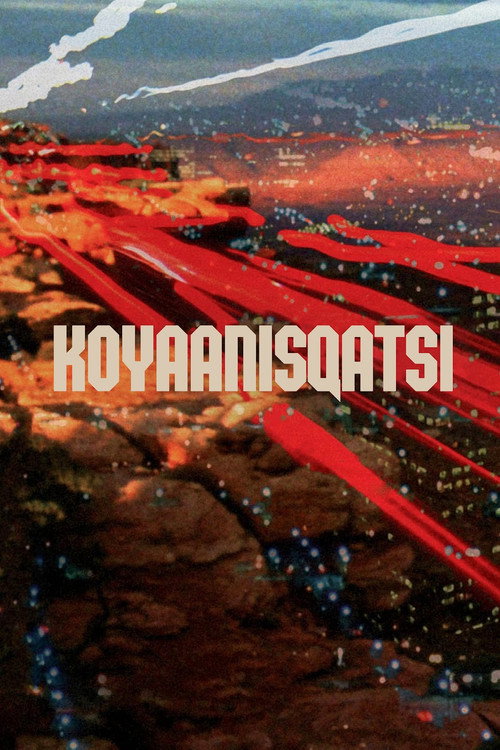
Koyaanisqatsi1983
The first film in Godfrey Reggio's non-narrative trilogy and the template for everything Naqoyqatsi attempts. Equally wordless, equally visual, with Philip Glass's score that feels like the soundtrack to civilization itself. Essential.
But It moves slowly and demands active attention. If you need plot or dialogue to stay engaged, this will feel like watching screensavers for 86 minutes.
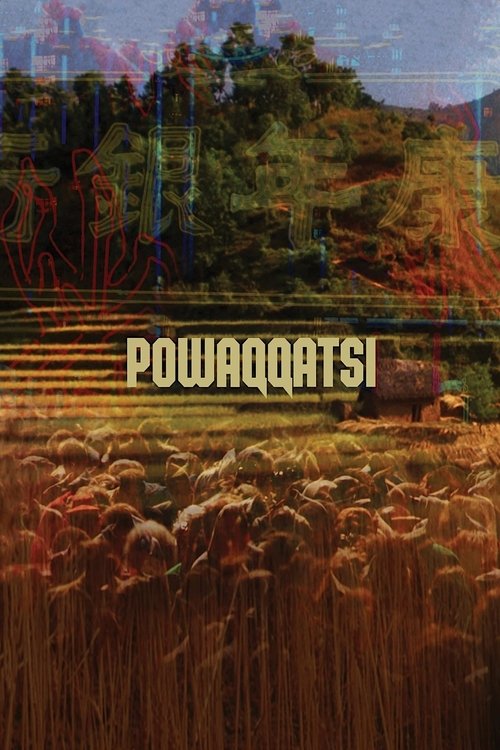
Powaqqatsi1988
The middle child of Reggio's trilogy, shifting focus from technological excess to human labor and exploitation across the developing world. Same hypnotic visual language, different heartbeat. A natural companion piece.
But It's deliberately paced and meditative. The slow-burn approach that makes it powerful can feel glacial if you're not in the right headspace.
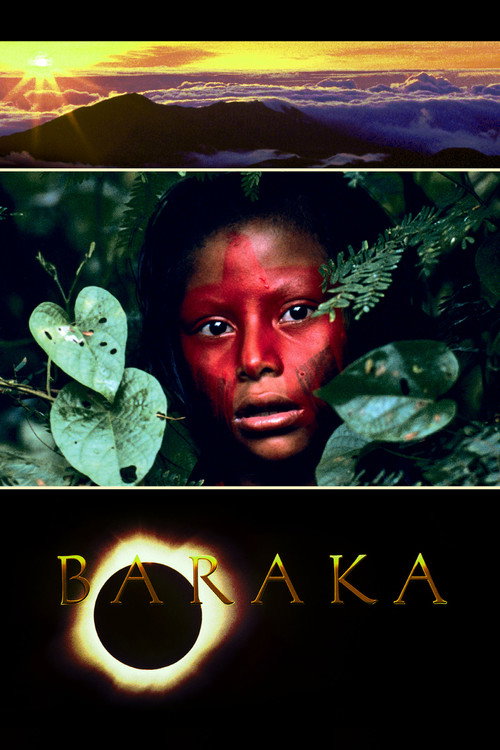
Baraka1992
Ron Fricke's wordless tour of human ritual, nature, and spirituality across continents. Like Naqoyqatsi but warmer—less critique, more wonder. Shot on VistaVision and genuinely gorgeous.
But Nearly two hours of pure image without argument or narrative can exhaust rather than transport, depending on your mood.
Not sure tonight? Get a pick in a minute, starting from Naqoyqatsi
The wildcard
Something you would not have found on your own.
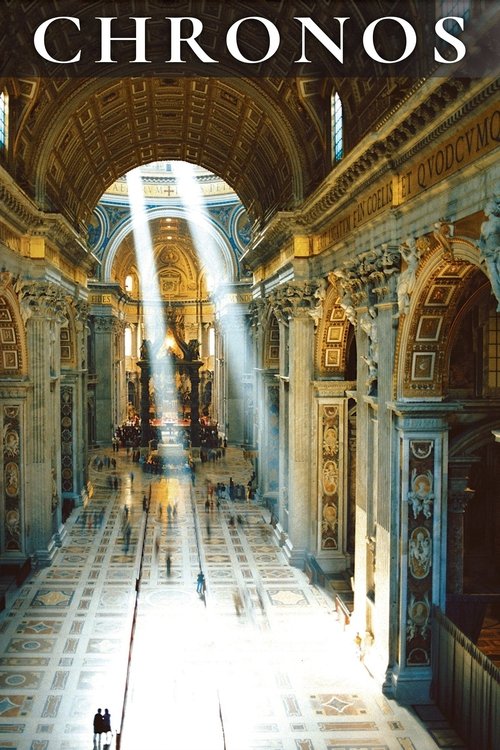
Chronos1985
Both films use rapid montage and temporal distortion to make the invisible (time, systems, ideology) suddenly visible. Chronos is Naqoyqatsi's ancestor and its opposite—purer and quieter.
Reg Tomlinson's 24-minute experimental film compresses time itself—sunrise, decay, human motion, mechanical processes—into pure visual flow. No narrative, no message, just time made visible. Naqoyqatsi's technique stripped to its essence.
But At under half an hour it's brief, but also very abstract. If you need images to *mean* something explicit, this is all suggestion and sensation.
More like this (8)
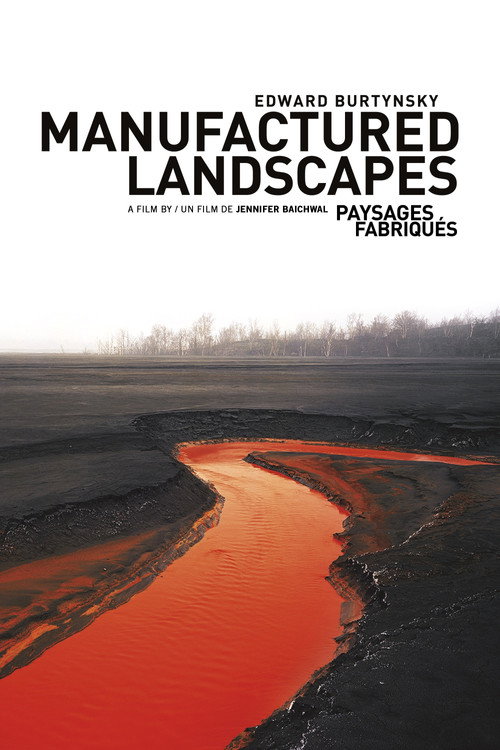
Manufactured Landscapes2006
Jennifer Baichwal's documentary follows photographer Edward Burtynsky into the massive industrial landscapes reshaping our planet. Naqoyqatsi's themes grounded in real locations and one artist's investigation.
But Once you see the factory, you've kind of seen it. The repetition that builds the argument can feel monotonous.
The Corporation2003
A detailed investigation into corporate power and its corrosive effects on society. Shares Naqoyqatsi's distrust of globalized systems but actually explains what it's critiquing, with interviews and structure.
But At nearly two and a half hours it's didactic and sometimes ponderous. The argument can feel obvious if you're already skeptical of corporations.
Sans Soleil1983
Chris Marker's essay film assembles footage from Japan, Guinea-Bissau, and Iceland into a meditation on memory, cinema, and loss. Equally fragmented as Naqoyqatsi but more poetic and personal.
But The philosophical voiceover (read by actors) can feel arch. If you want pure image, the constant narration gets in the way.

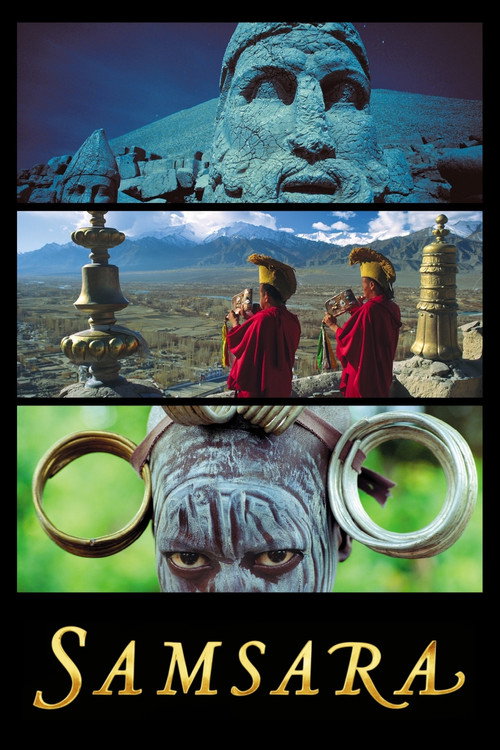
Samsara2011
Ron Fricke returns to his wordless visual essay style, this time exploring cycles of life, death, and transformation. Breathtaking cinematography and a more spiritual, less accusatory vision than Naqoyqatsi.
But It's lovely but less biting. If you're drawn to Naqoyqatsi for its anger at the world, Samsara's serenity might feel evasive.
Requiem for a Dream2000
Darren Aronofsky's portrait of addiction uses rapid montage, repetition, and visual distortion to convey psychological breakdown. Similar formal techniques to Naqoyqatsi but weaponized for emotional devastation.
But It's aggressively assaultive and deeply depressing. The style that mirrors mental illness can be genuinely difficult to sit through.

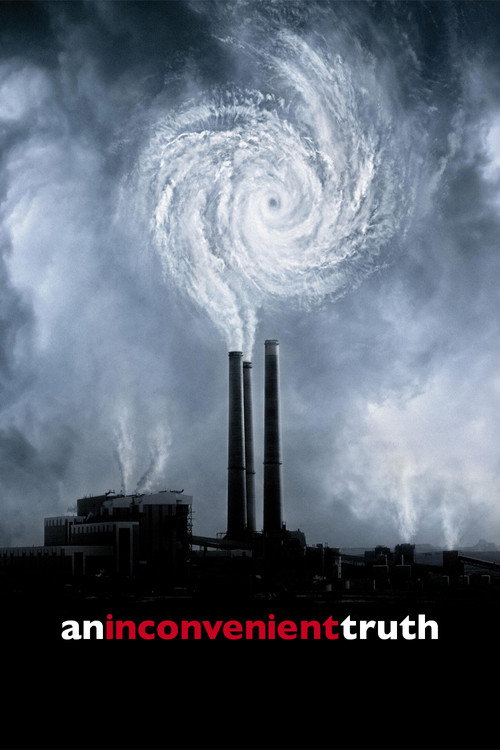
An Inconvenient Truth2006
Al Gore's climate change documentary uses visual evidence and data to make its case. Shares Naqoyqatsi's concern with our technological civilization's destructive trajectory but argues its point explicitly.
But It's dated in some details and occasionally feels more like a political speech than cinema. The earnestness can be heavy-handed.
Come and See1985
Both films reject conventional storytelling to create a portrait of contemporary chaos and violence. Come and See is Naqoyqatsi's darkest possible conclusion—what happens when the montage is one person's destruction.
Elem Klimov's Soviet WWII film uses disorienting sound design, grotesque imagery, and formal distortion to convey the psychological and moral disintegration of war. Naqoyqatsi's visual language applied to a single, unbearable subject.
But It is one of the most harrowing films ever made. Not 'intense'—genuinely traumatizing. Watch Naqoyqatsi first to understand if you can handle this.

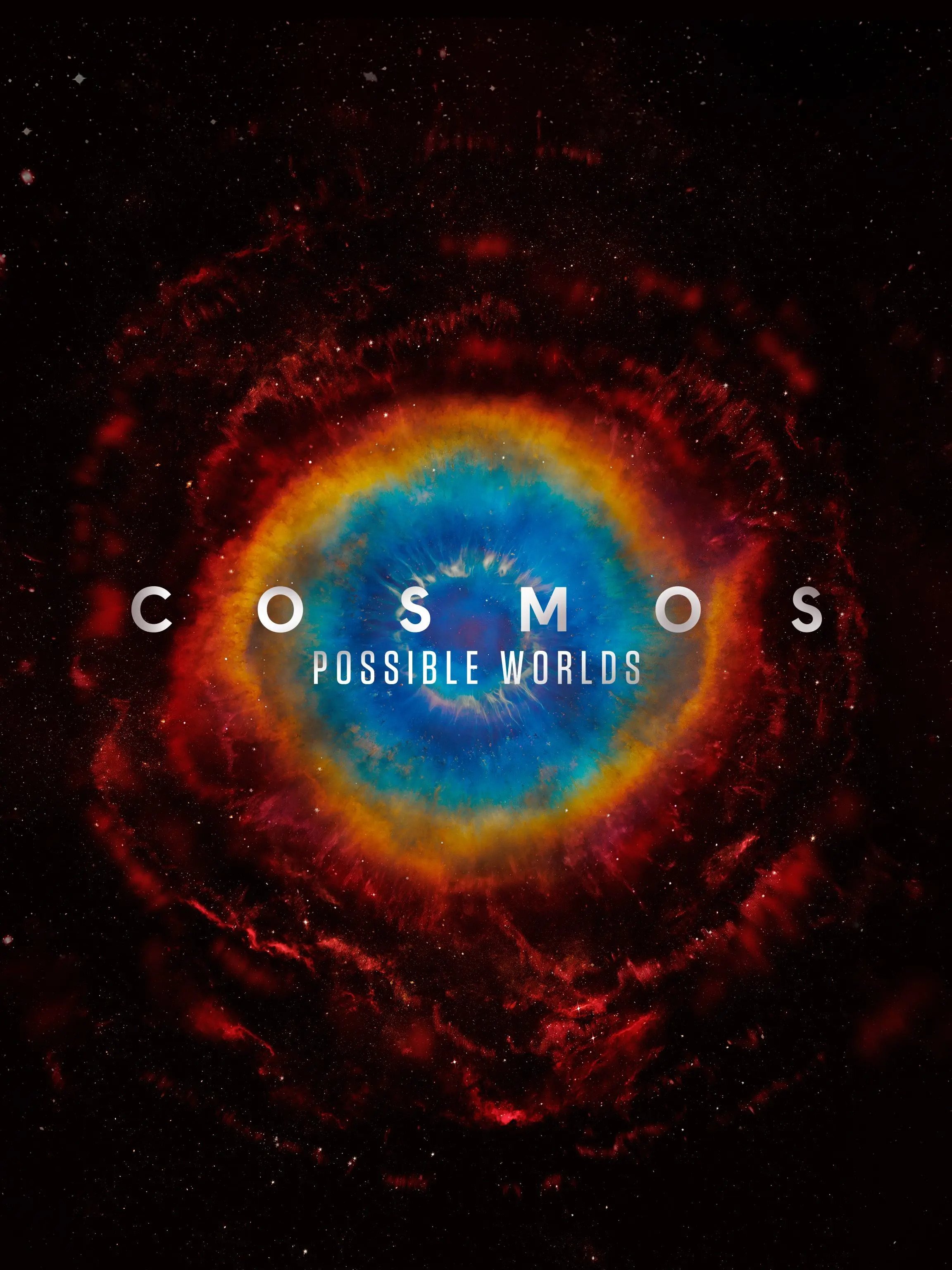
Cosmos1980
Both films use visual montage to show the individual as infinitesimal within vast systems—one technological and social, one physical and cosmic. Same vertigo, different scale.
Neil deGrasse Tyson's narrated cosmos tour uses scale and montage to position humanity within incomprehensible systems—galaxies, time, entropy. Naqoyqatsi's global critique zoomed out to the universe itself.
But The accompanying narration and pop-science explanations are the opposite of Naqoyqatsi's wordlessness. If you prefer ambiguity to answers, this will feel didactic.
People
Cast
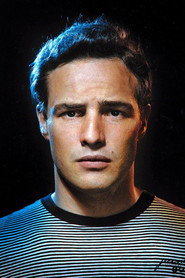 Marlon BrandoSelf (archive footage) (uncredited)
 Elton JohnSelf (archive footage) (uncredited)
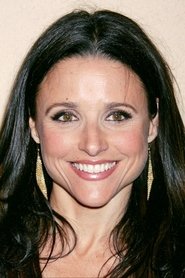 Julia Louis-DreyfusSelf (archive footage) (uncredited)
 MadonnaSelf (archive footage) (uncredited)
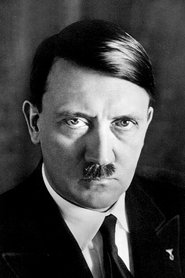 Adolf HitlerSelf (archive footage) (uncredited)
 Bill ClintonSelf (archive footage) (uncredited)
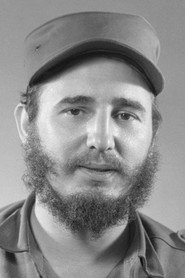 Fidel CastroSelf (archive footage) (uncredited)
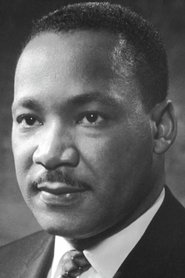 Martin Luther King Jr.Self (archive footage) (uncredited)
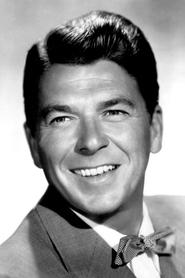 Ronald ReaganSelf (archive footage) (uncredited)
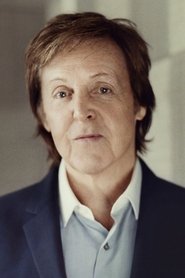 Paul McCartneySelf (archive footage) (uncredited)
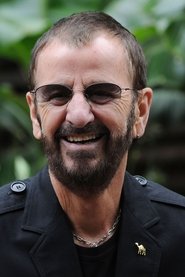 Ringo StarrSelf (archive footage) (uncredited)
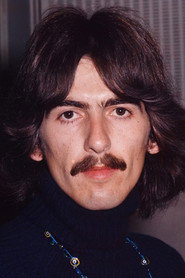 George HarrisonSelf (archive footage) (uncredited)
Directing
- Godfrey ReggioDirector
- Jon KaneSecond Unit Director
Writing
- Godfrey ReggioAuthor
Production
- Lauren FeeneyAssociate Producer
- Steve GoldinAssociate Producer
- Mel LawrenceCo-Producer
- Steven SoderberghExecutive Producer
- Federico NegriLine Producer
- Godfrey ReggioProducer
- Joe BeirneProducer
- Lawrence TaubProducer