
Film
Genesis
- Slow-burning
Genesis is a visual poem about the formation of Earth and the emergence of life, told by a Senegalese narrator over stunning footage of landscapes, animals, and geological wonders. It's meditative rather than explanatory, more concerned with awe than facts. For anyone who finds conventional documentaries cold, or who simply wants to sit back and let beauty wash over them.
Should you watch it?
Watch it if you are drawn to quiet, image-led documentaries that let a single resonant voice carry a huge sweep of time, where the telling matters as much as the facts.
Skip it if you need a talking-head film with argument and pace, since this is mostly cosmic footage and spoken narration with little conflict or people to hold onto.
What it asks of you: Settle in for an unhurried seventy-seven minutes of sweeping imagery and measured narration, where patience pays off more than attention to plot.
Not sure? Find tonight's pick in a minute.
If you liked this
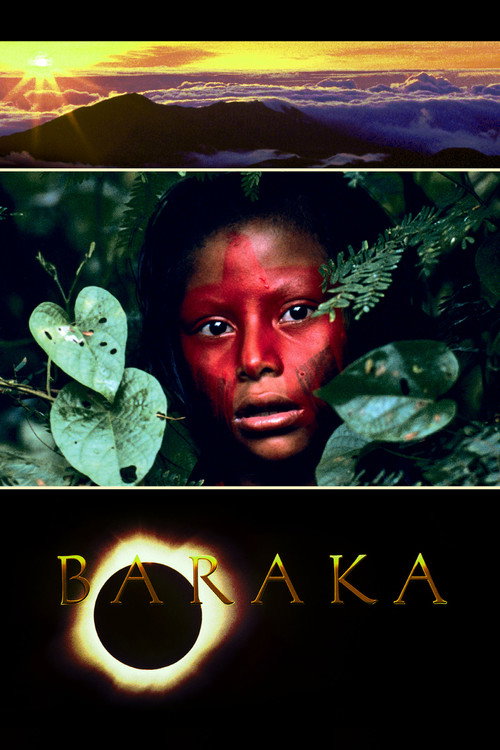
Baraka1992
A similar cascade of images from across the globe, edited to suggest spiritual connection between all living things. Wordless, hypnotic, impossible to look away from.
But Nearly three decades old now, and the image quality shows it. Some find the sentimentality heavy-handed.
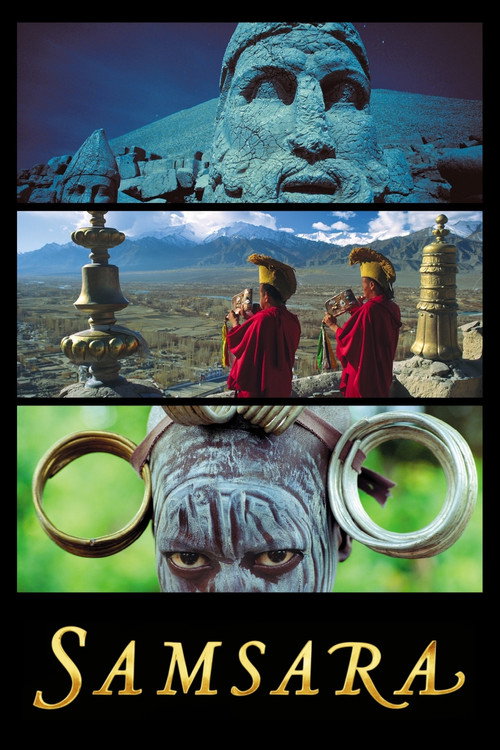
Samsara2011
Colour, motion, light, decay, rebirth—same visual-spiritual language as Genesis, but with even more technical polish. Completely transporting if you surrender to it.
But At 96 minutes, it can feel repetitive. There's no narrative spine, just themes turning like a kaleidoscope.
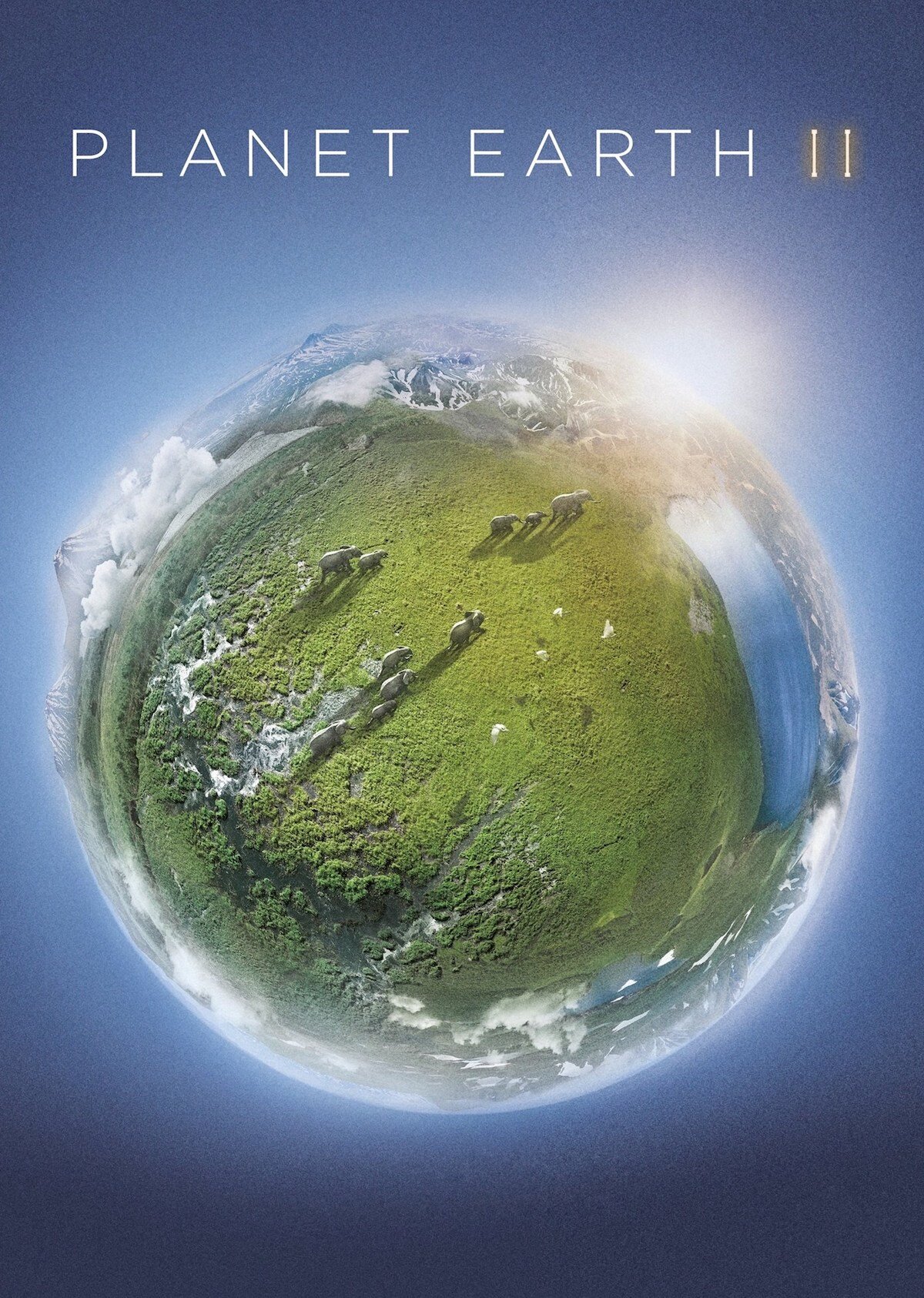
Planet Earth II2016
The BBC at the absolute peak of wildlife cinematography. Every frame could hang in a gallery. David Attenborough's narration complements rather than dominates.
But A nature documentary in the conventional sense—you will learn facts. If you want pure atmosphere without information, this tips toward education.
Not sure tonight? Get a pick in a minute, starting from Genesis
The wildcard
Something you would not have found on your own.
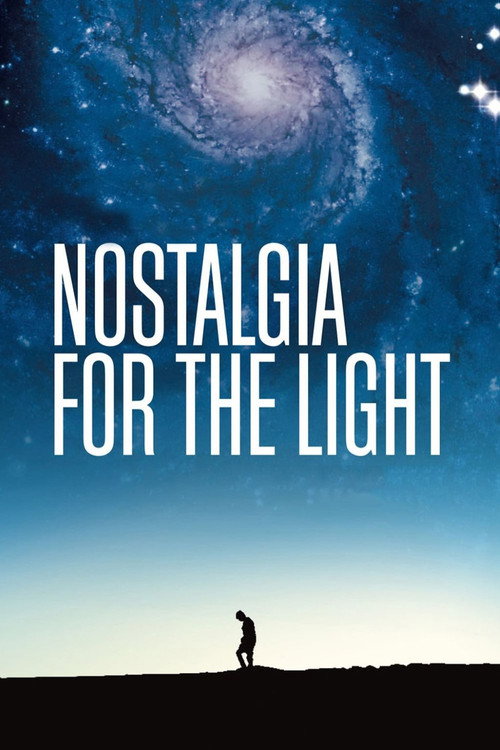
Nostalgia for the Light2010
Both use natural imagery—sky, landscape, geological time—as the frame for meditation on existence, but Genesis celebrates emergence while this film grieves erasure.
A Chilean documentary about the Atacama Desert, astronomers searching for distant stars, and people excavating shallow graves to find the bodies of the disappeared. Memory, loss, light, time—same questions Genesis asks, but through history and trauma.
But Structurally abstract and emotionally heavy. It refuses easy synthesis, which is the point, but demanding.
More like this (7)
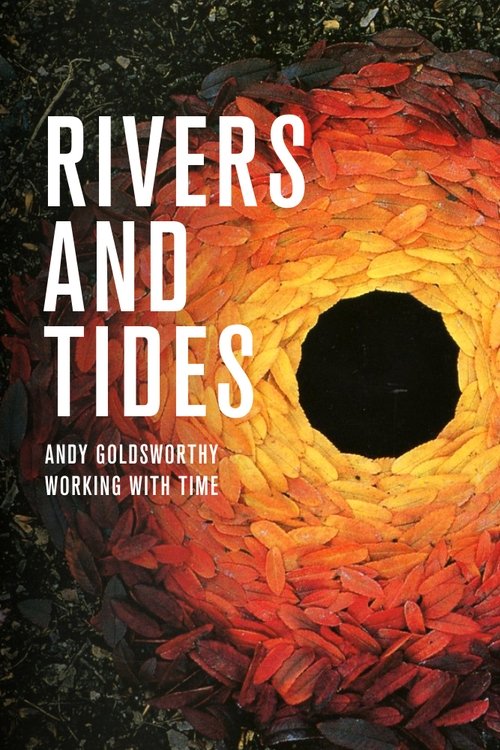
Rivers and Tides2001
A documentary about Andy Goldsworthy making ephemeral sculptures in nature. Watches like a visual haiku—quiet, precise, about the conversation between human hands and the natural world.
But Very slow. If you need plot or traditional documentary structure, this will test your patience.
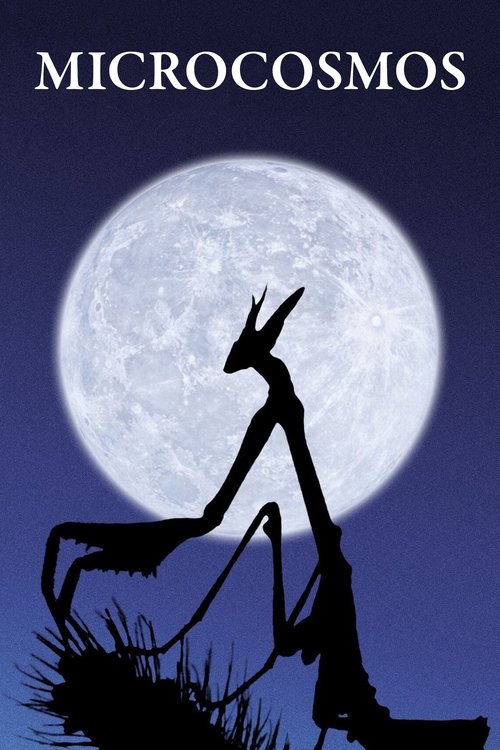
Microcosmos1996
An insects'-eye view of a meadow over the course of a year. Macro photography reveals an entire universe in grass and soil. Tender, sometimes funny, often startling.
But Some of the imagery is genuinely unsettling if you're squeamish about insects. It's also quite explicitly sexual in places.
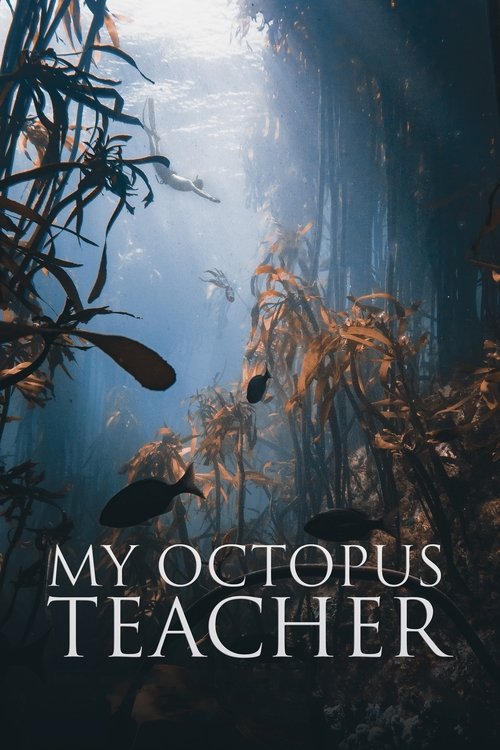
My Octopus Teacher2020
A South African diver documents a year spent observing one octopus in its kelp-forest home. Intimate, surprising, meditative. A genuine connection between human and animal unfolds.
But The personal story can feel a touch self-indulgent. Some find the narration overly poetic.
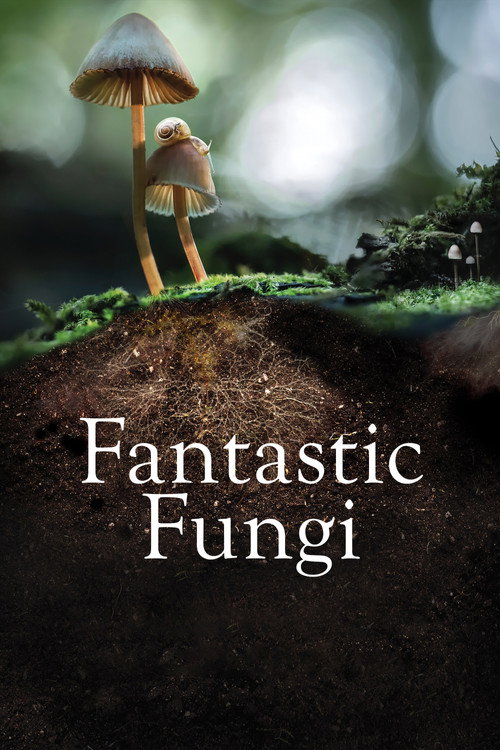
Fantastic Fungi2019
Fungi—the kingdom most of us ignore—revealed as the internet of the forest. Gorgeous time-lapse photography, genuinely mind-altering scientific revelation, without pretension.
But Occasionally drifts into new-age territory. Some science is simplified to the point of slipperiness.
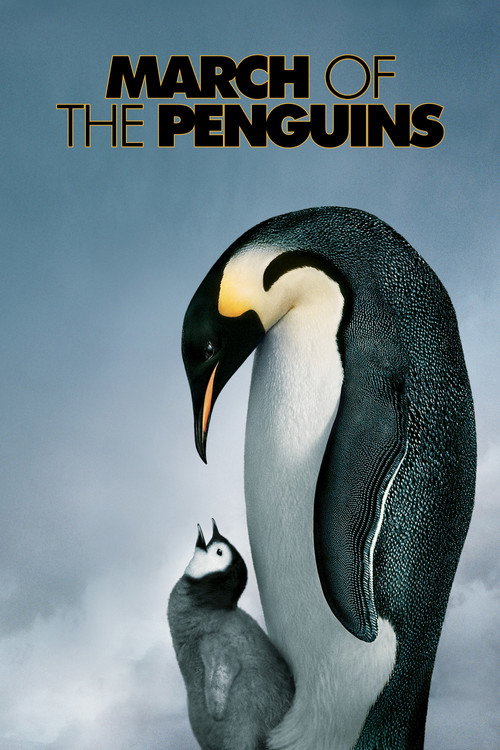
March of the Penguins2005
Emperor penguins crossing Antarctica in real time. Brutal, beautiful, intimate. The French original with Cécile Davenne's narration is best—more poetic than the American dub.
But The March of the Penguins captured a lot of attention; you may already know the footage. Some find the pacing glacial.
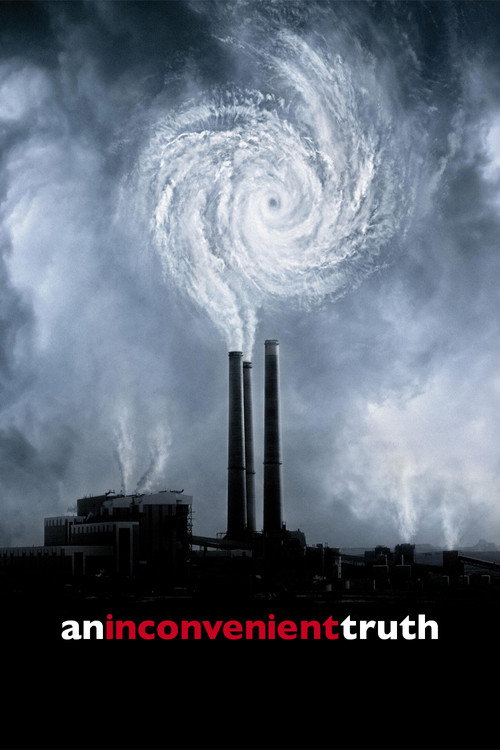
An Inconvenient Truth2006
Both trace Earth's evolution, but where Genesis shows life emerging and flourishing, this shows it currently in retreat—a companion piece that demands action rather than contemplation.
Al Gore on climate change, but made as a visual argument: before-and-after photos, time-lapses, ice cores, glaciers vanishing. It's basically Genesis told in reverse, showing how the life-filled world is collapsing.
But Political, polemical, sometimes simplistic. Some of its predictions have aged oddly. If you want pure wonder untethered to climate anxiety, skip it.
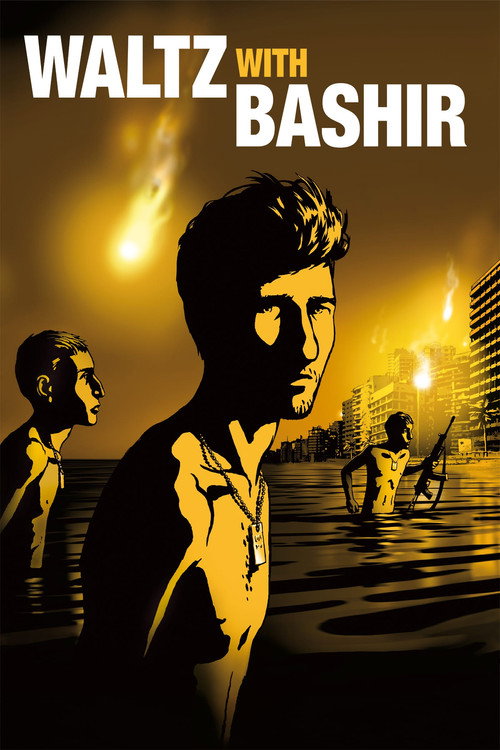
Waltz with Bashir2008
Both use visual splendour—colour, form, landscape—to explore what cannot be easily spoken. Genesis looks outward at deep time; this looks inward at memory and culpability, but both ask: what do we owe to what we have witnessed?
An Israeli animator reconstructs his own memories of the 1982 Lebanon War through rotoscoped interviews and dreamlike sequences. It's a documentary told as visual abstraction, history as fever dream.
But Animated and elliptical—not the usual way we encounter war documentaries. The final 30 seconds will devastate you; some find that a betrayal of the film's lyrical tone.
People
Cast
 Sotigui KouyatéNarrator
Directing
- Claude NuridsanyDirector
- Marie PérennouDirector
Writing
- Claude NuridsanyAuthor
- Marie PérennouAuthor
Production
- Christine GozlanExecutive Producer
- Alain SardeProducer