
Film
Cosmic Zoom
A silent eight-minute animation from 1968 that zooms from the edge of the universe down to a single atom inside a human cell. Pure visual storytelling: no dialogue, no score, just the elegant mathematics of scale and perspective. It's a meditative marvel for anyone who's ever felt small under the stars or wondered what we're made of.
Should you watch it?
Watch it if you are drawn to films that teach through pure visual wonder, where a restless camera does the explaining and the scale shifts make your head spin with delight.
Skip it if you need a story, characters or spoken narration to stay engaged, since this is a silent, eight-minute stream of images with no plot to hold onto.
What it asks of you: Very little time and a willingness to simply look; it moves steadily through its scale changes without pausing, and it asks you to follow the picture alone.
Not sure? Find tonight's pick in a minute.
If you liked this
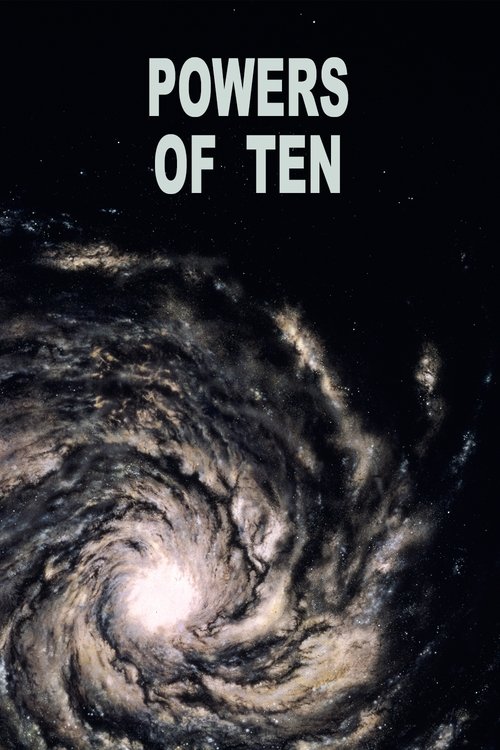
Powers of Ten1977
The spiritual sequel that expands on Cosmic Zoom's concept with even more scale and confidence. Narrated and in colour, it traces outward from a couple in Chicago to the edge of the known universe. A companion piece that feels like watching the same idea mature.
But The voiceover and deliberate pacing might feel didactic or slow compared to Zoom's pure visual poetry. Some find the 1970s sensibility dated.
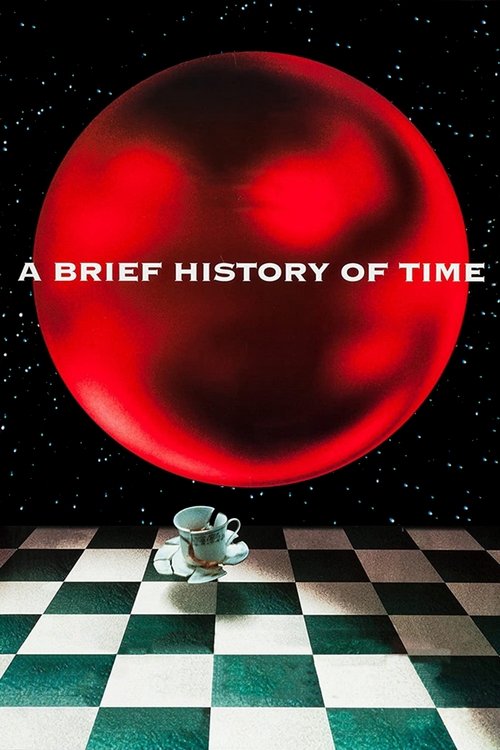
A Brief History of Time1991
Errol Morris making Hawking's cosmology visceral and strange. Animated sequences dance around the physics in ways that echo Cosmic Zoom's wordless wonder. Intellectual without being cold.
But It's really about Hawking the man as much as the science, and that biographical thread won't appeal to everyone. Heavy thinking required.
Baraka1992
Ron Fricke's no-dialogue tour of the planet in stunning cinematography. Like Cosmic Zoom but horizontal: showing the bewildering variety of human and natural life without explanation. Pure visual revelation.
But Ninety minutes is a long time to sit with no narrative anchor. Some find it exhausting or self-consciously artful.

Not sure tonight? Get a pick in a minute, starting from Cosmic Zoom
The wildcard
Something you would not have found on your own.
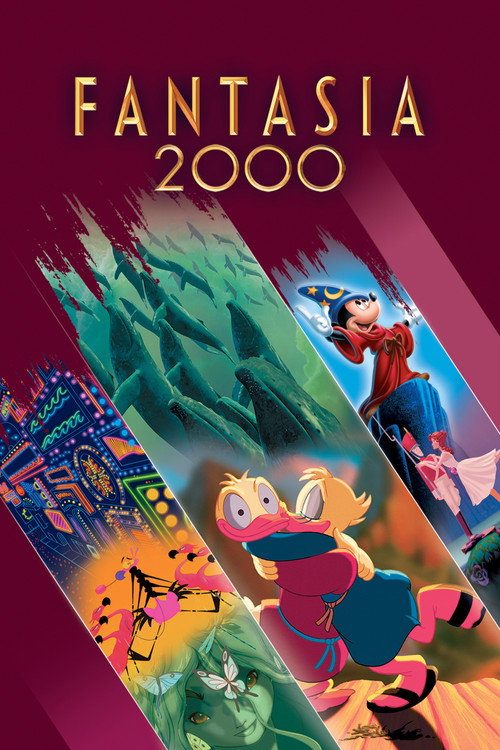
Fantasia 20002000
Both use animation to make abstract ideas visible without dialogue, but Fantasia roots itself in feeling while Cosmic Zoom embraces pure intellectual awe.
Disney's forgotten gem pairs classical music with abstract animation. Several segments (especially "Rhapsody in Blue") share Cosmic Zoom's wordless visual storytelling, but they're rooted in emotion and human experience rather than pure scale. Proof the concept could go many ways.
But It's uneven—some segments work, others don't. The Disney branding might feel too familiar or safe after Zoom's stark elegance.
More like this (7)
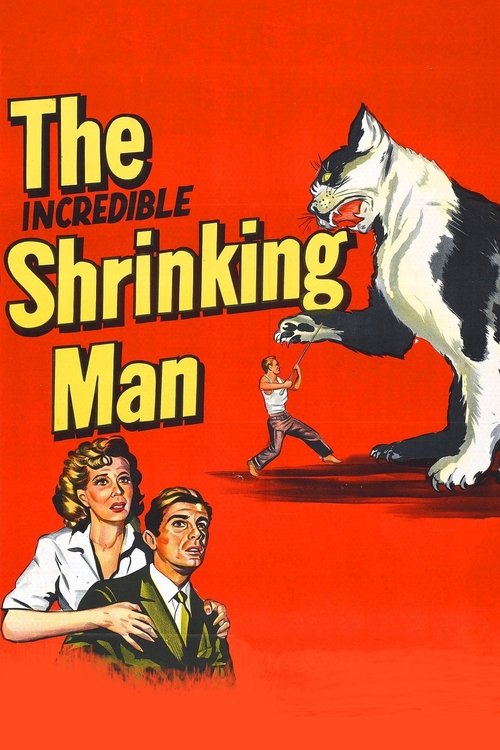
The Incredible Shrinking Man1957
A man shrinks to atomic scale in this lean sci-fi thriller. It shares Cosmic Zoom's fascination with scale and perspective, but weaponizes it as horror and existential dread. Strange and moving.
But It's a 1950s B-movie with all the dated gender politics that came with the era. The tone is melodramatic by modern standards.
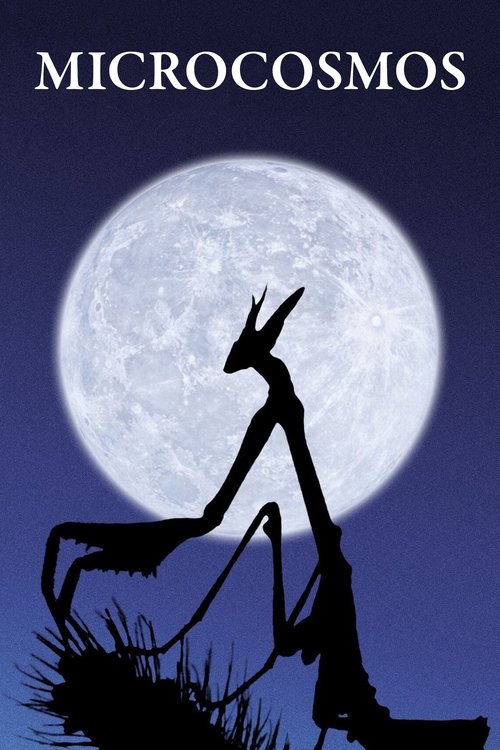
Microcosmos1996
Macro-photography of insects and plant life so extreme it becomes alien landscape. Like Cosmic Zoom inverted: the universe lives in a meadow. Hypnotic, sometimes unsettling.
But There's no plot or human connection. If you need narrative or emotional stakes, this is pure sensation with nowhere to land.
Samsara2011
Another Fricke vision: wordless cinematography of human ritual, nature, and decay cycling endlessly. Philosophically ambitious in a way that mirrors Cosmic Zoom's sense of scale and perspective on existence.
But The repetition of themes can feel heavy-handed. Some viewers find it pretentious or emotionally manipulative.

Man with a Movie Camera1929
Dziga Vertov's experimental documentary uses montage to make you see the invisible machinery of a city. No dialogue, pure visual argument. A kinetic ancestor to Cosmic Zoom's structural ambition.
But The editing is frenetic and demanding. Silent film rhythm is an acquired taste, and the political context feels distant.

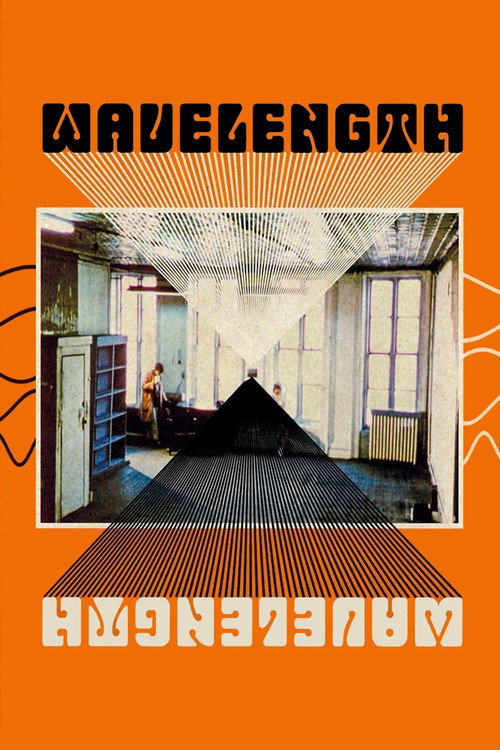
Wavelength1967
Michael Snow's avant-garde meditation: a forty-five-minute zoom into a photograph on a wall. Minimalist and maddening, it asks the same structural question as Cosmic Zoom but takes the opposite route. A mirror held up to perspective itself.
But It's genuinely difficult to watch and borders on unwatchable for most people. Patience and an appetite for formal experiment required.
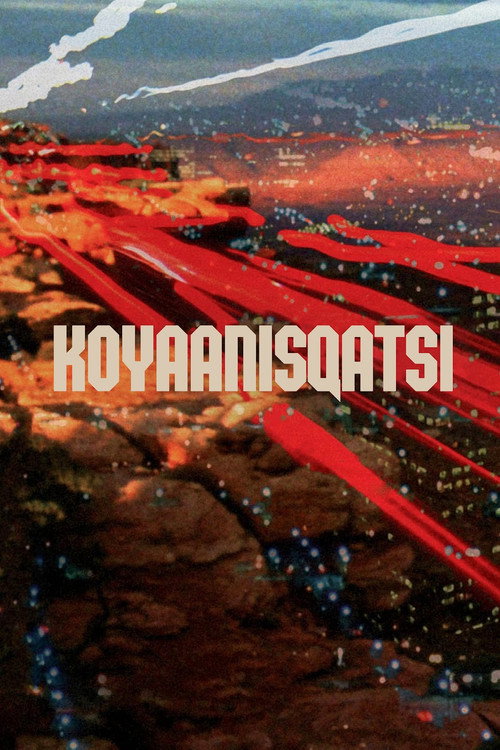
Koyaanisqatsi1983
Godfrey Reggio and Philip Glass create a visual symphony of scale: time-lapses, extreme angles, montage. No dialogue, just hypnotic imagery and music. It's about what happens when humans scale up their ambitions.
But The environmental message is delivered with a heavy hand, and some find the Philip Glass score intrusive rather than enhancing. Repetitive for long stretches.
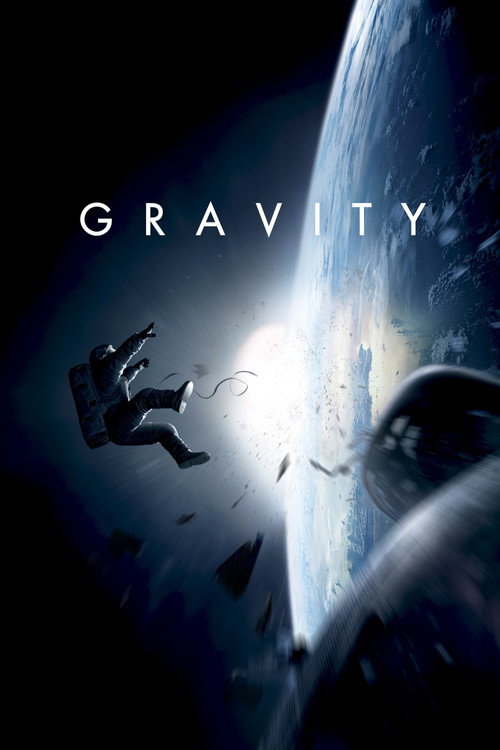
Gravity2013
Both visualize cosmic scale in ways that make humans feel insignificant, but Gravity uses it to generate adrenaline while Zoom generates awe.
Cuarón's near-silent space thriller uses scale and perspective as suspense. Long takes in vast emptiness; the camera pulls back to show how small one woman is against the indifference of the void. It makes Cosmic Zoom's mathematics into terror and survival.
But The science is shaky, and the emotional resolution feels tacked on. If you're a stickler for accuracy or prefer quieter endings, the Hollywood ending will disappoint.
People
Directing
- Robert VerrallDirector
Writing
- Kees BoekeBook
Production
- Joseph KoenigProducer
- Robert VerrallProducer