
Film
I Used to Be Darker
A quiet, observant film about displacement and fractured intimacy. A Northern Irish teenager arrives at her Baltimore relatives' house just as their marriage is collapsing, and everyone's forced to reckon with loneliness, desire, and the gap between who they are and who they want to be. It's patient and unglamorous—less a plot than a mood, less dramatic than deeply felt.
If you liked this
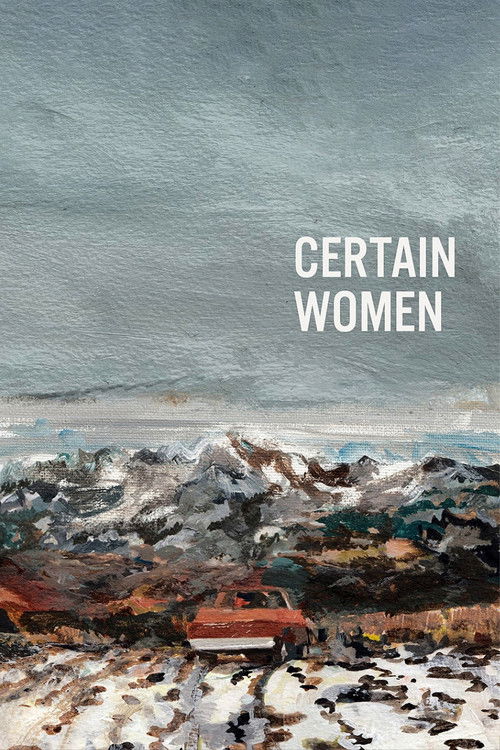
Certain Women2016
Kelly Reichardt's triptych of quiet lives in rural Montana. Three women, three small ruptures. Like I Used to Be Darker, it trusts you to find the story in what people don't say, and it's hypnotic.
But Nothing visibly happens. If you need narrative momentum or a clear arc, this will feel like watching paint dry in real time.
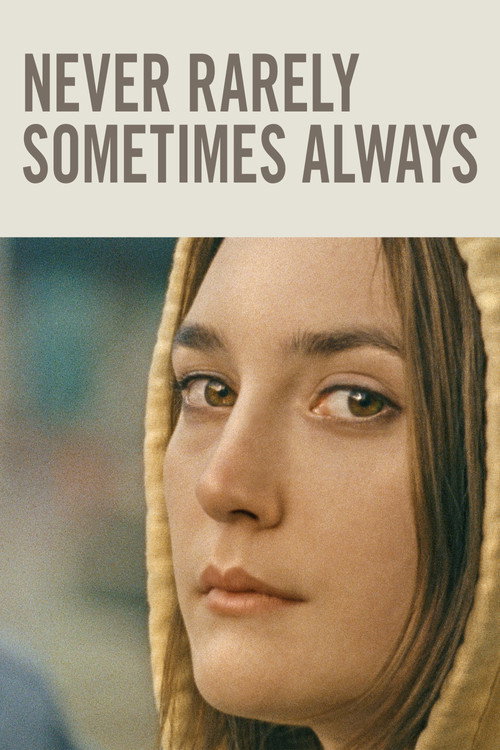
Never Rarely Sometimes Always2020
Eliza Hittman's unsparing look at two teenagers navigating abortion access. Handheld, intimate, alive to shame and solidarity. Similar attentiveness to the texture of ordinary crisis and the strength required just to endure.
But It's deliberately bleak. The film has no reassuring moments, and some viewers find that relentless rather than moving.
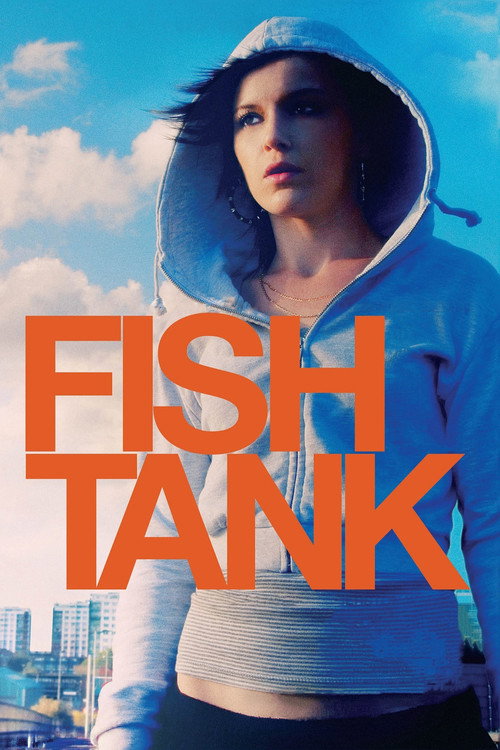
Fish Tank2009
Andrea Arnold's debut about a volatile teenager in East London. Restless, sensual, and willing to sit with ugliness and yearning in the same frame. It has the same unsettled energy and refusal to make things easy.
But The protagonist is genuinely difficult to like. If you need to root for people, her constant aggression will exhaust you.
Not sure tonight? Get a pick in a minute, starting from I Used to Be Darker
The wildcard
Something you would not have found on your own.
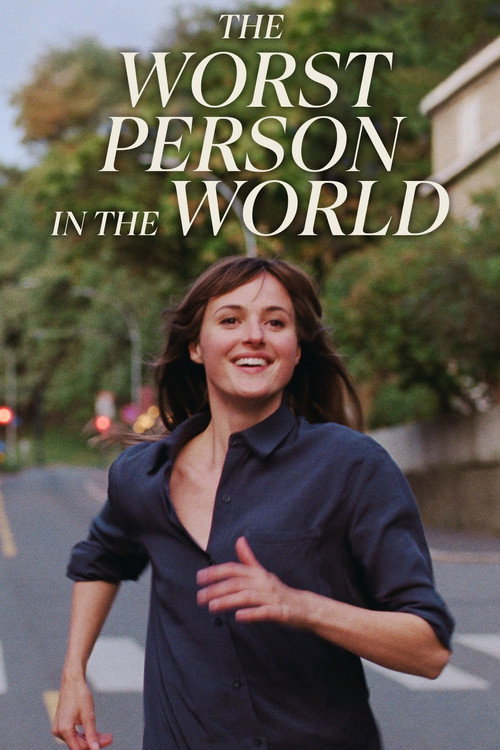
The Worst Person in the World2021
Both are about young people untethered from home, searching for traction in relationships that won't hold. But where I Used to Be Darker stays still, this one is restless and self-aware about its own search.
Joachim Trier's Oslo romance about a woman in her twenties cycling through selves and lovers. Formally inventive—it breaks its own rules, jumps perspectives, shifts genres—yet it's precisely as observant about loneliness and displacement as I Used to Be Darker, just in 4K color instead of grayscale restraint.
But It's Norwegian, and the subtitled dialogue is dense. Some viewers find the tonal shifts jarring rather than liberating.
More like this (7)
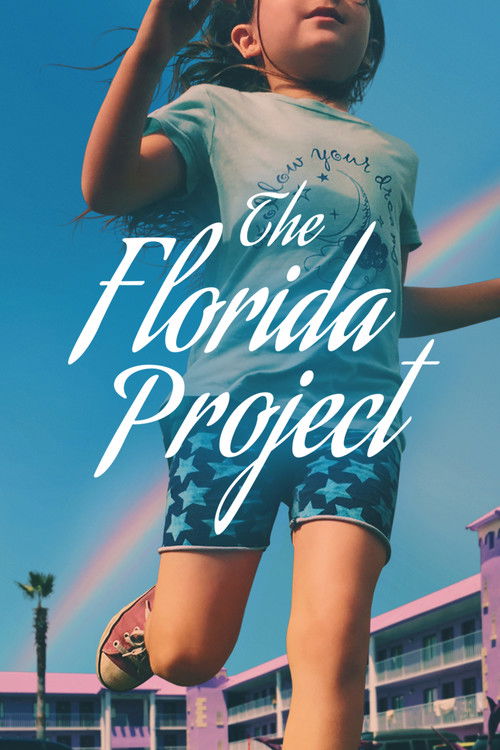
The Florida Project2017
Sean Baker following a six-year-old and her mother in a motel on the edge of Orlando. Luminous and devastating, capturing how children and adults experience the same crisis entirely differently. Quietly observant about survival and makeshift family.
But Some find the handheld style and loose narrative frustrating. There's also a gut-punch ending that leaves you nowhere to land.
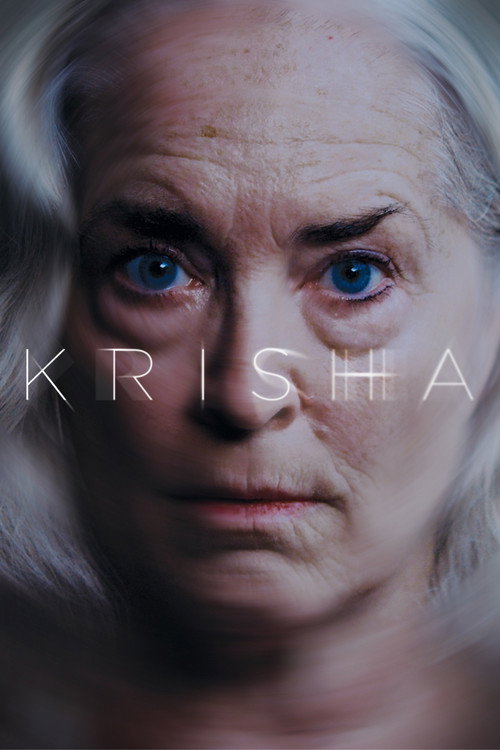
Krisha2016
Ari Aster's debut about addiction and family rupture in a Californian basement. Raw, unpolished, using non-actors and real locations. Feels lived-in rather than performed, much like I Used to Be Darker.
But The production design is deliberately ugly. Some viewers mistake cheapness for incompetence rather than intention.
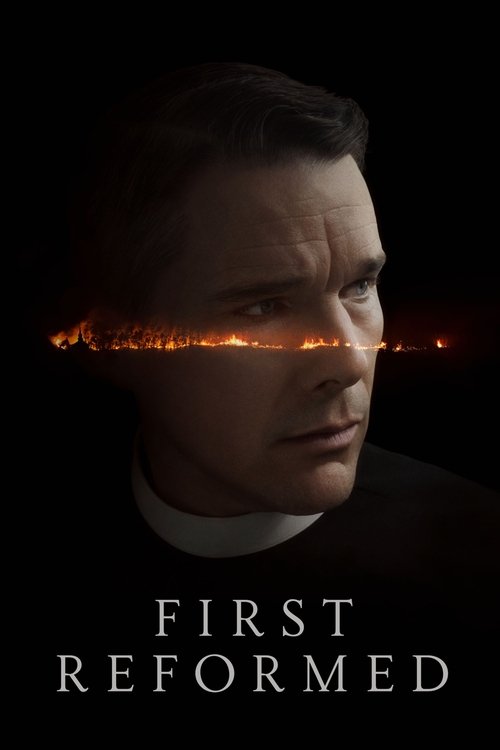
First Reformed2018
Paul Schrader's portrait of a pastor unraveling. Austere, morally rigorous, obsessed with small gestures and what they mean. Similar commitment to interior life over plot machinery.
But It's claustrophobic and punishing. The protagonist's spiral offers no comfort or catharsis, only honest darkness.
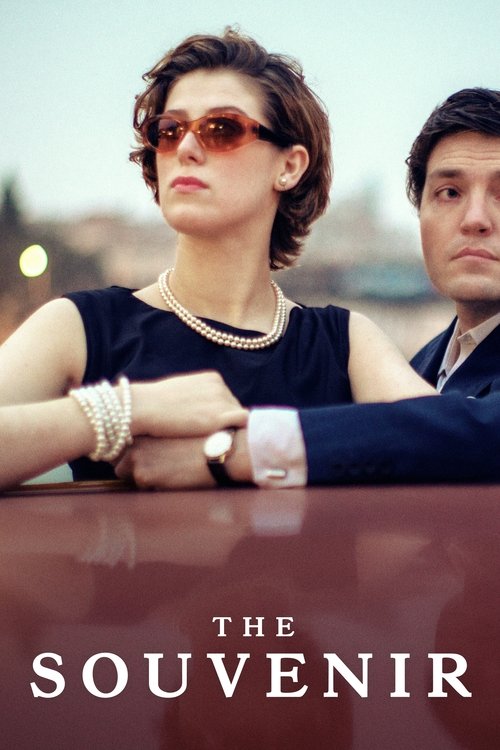
The Souvenir2019
Joanna Hogg's autobiographical film about a young art student and her toxic relationship. Formal, painterly, focused on memory's unreliability and the stories we tell ourselves. Emotionally precise in a way most films never attempt.
But The narrative is deliberately fragmented and elusive. If you want clarity about what happened or why, you won't find it.
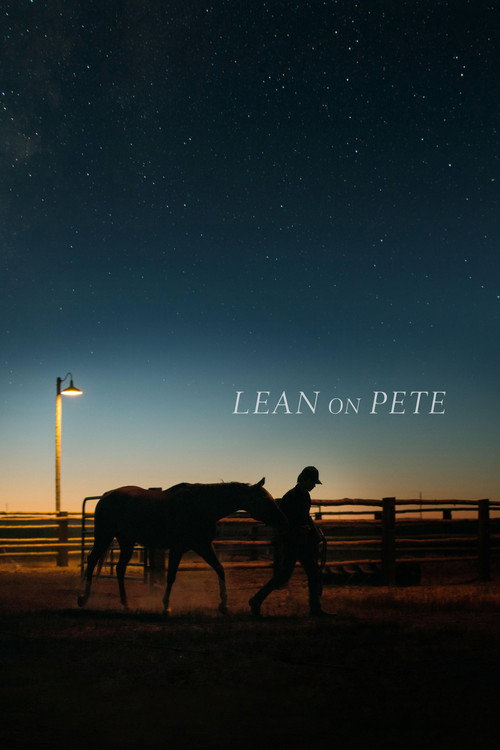
Lean on Pete2018
Kelly Reichardt again: a teenage boy, a racehorse, the American frontier as an idea that keeps failing him. Tender and sparse, alert to displacement and the things people need to feel less alone.
But It's episodic and deliberately slow. Some find the pacing inert rather than meditative.
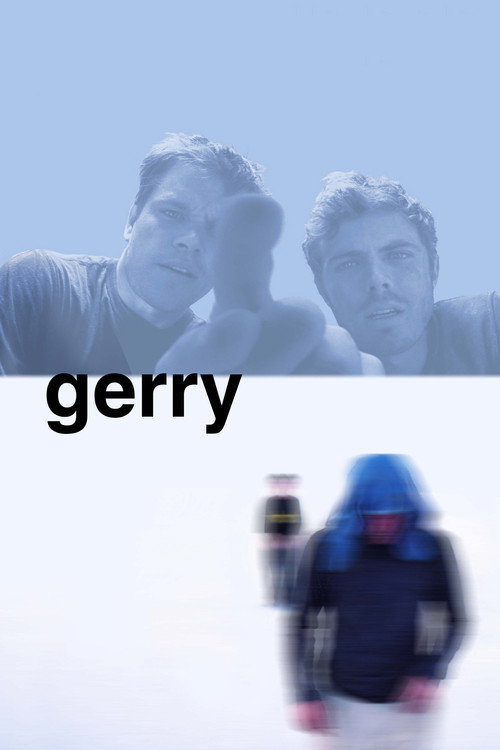
Gerry2002
Both trust silence and the space between people more than plot. Both suggest that proximity to someone you love can coexist with radical separation.
Gus Van Sant's 100-minute film of two friends walking into the desert until one disappears. Shot in long takes with minimal dialogue, it's an anti-narrative about drift and unspoken connection. Hypnotic in a way that demands patience, but if you match its wavelength, it's devastating.
But Nothing happens. People complain that Van Sant is making a joke at the audience's expense. It's closer to an endurance test than entertainment.
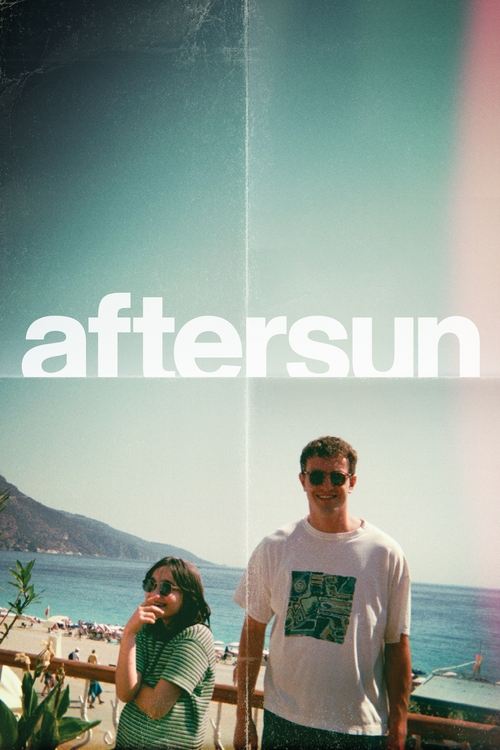
Aftersun2022
Both center on a young woman in a temporary family structure, trying to read the emotional truth beneath routine interactions. Both make estrangement beautiful.
Charlotte Wells's debut, a fractured memory of a father and daughter on holiday in Turkey. Shot on digital video that looks like recovered footage, it's about what we can't recover—gaps, distances, the things we wish we'd understood. Achingly precise about family as a place where you're always slightly unknown.
But It's formally experimental in ways some find alienating. The editing jumps; the timeline dissolves. You're never sure what year you're watching.
People
Cast
 Deragh CampbellTaryn
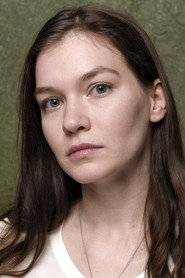 Hannah GrossAbby
- Ned OldhamBill
- Kim TaylorKim
- Nicholas PetrNIck
- Geoff GraceGeoff
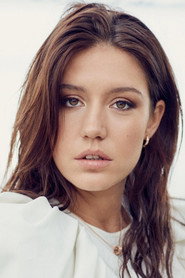 Adèle ExarchopoulosCamille
- Jack CarnealJack
- Jimi ZhivagoJimi
Directing
- Matthew PorterfieldDirector
Writing
- Amy BelkWriter
- Matthew PorterfieldWriter
Production
- Brooke BernardCo-Producer
- Jane BrownExecutive Producer
- Eric BannatProducer
- Ryan ZacariasProducer
- Steve HolmgrenProducer