
Television series
Unorthodox
A four-part miniseries following Esther, a young Hasidic woman who abandons her arranged marriage and insular Brooklyn community to start over in Berlin. It's intimate, visually gorgeous, and moves with propulsive urgency. Essential viewing for anyone interested in how people break free from systems designed to contain them—and what it costs.
Should you watch it?
Watch it if you are drawn to slow, observant dramas where a character's inner life carries the weight, and you enjoy watching someone relearn ordinary things like music, language and friendship in a new city.
Skip it if you want brisk plotting or a steady run of cliffhangers, since the pace is measured and much of the tension is quiet, internal and built from small moments rather than events.
What it asks of you: Four episodes of roughly under an hour each, so it is a short commitment, but you need to sit still with long pauses, subtitled German and Yiddish, and scenes that linger on faces more than on dialogue.
Not sure? Find tonight's pick in a minute.
If you liked this
Fleabag2016
Like Unorthodox, it's a propulsive character study about a woman finding her way after rejecting a life she was supposed to want. Both compress enormous emotional and spiritual journeys into brief, exquisite seasons.
But Fleabag is anarchic comedy; Unorthodox is deadly serious. If you need levity woven through your drama, this tonal shift might feel punishing.

The Farewell2019
Both examine the collision between family loyalty and personal autonomy, and both find profound humanity in the specific details of cultural belonging. Gorgeously shot, emotionally precise, never condescending.
But It's quieter and more ambiguous than Unorthodox. There's no clear escape arc here, which some viewers find frustrating rather than thoughtful.

Spotlight2015
Two stories about exposing hidden systems and the courage required to speak truth. Both are methodical, dignified, and deeply angry beneath a composed surface.
But Spotlight is procedural and ensemble-focused; if you came for intimate character work, this investigative approach feels colder and more distant.

Not sure tonight? Get a pick in a minute, starting from Unorthodox
The wildcard
Something you would not have found on your own.
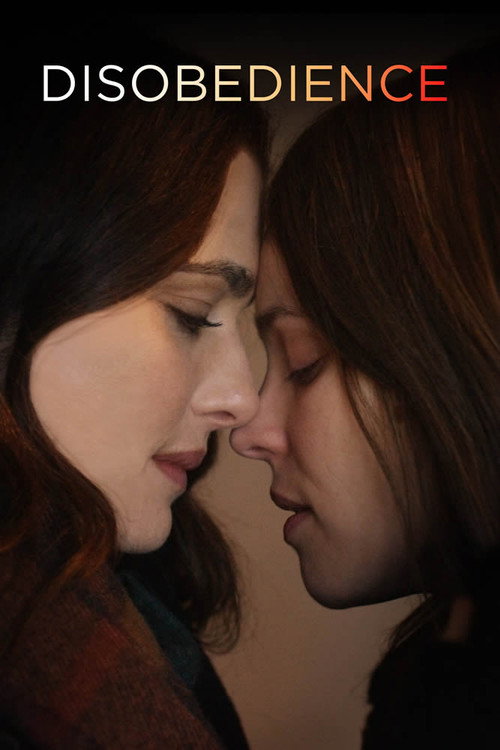
Disobedience2018
Both follow women rejecting Hasidic lives, but this one argues that escape isn't the same as resolution. It asks what you lose when you leave, not just what you gain.
A film about a woman returning to her Orthodox Jewish community after years away, then choosing to leave again. It's the inverse move—going back to face what was lost and what cannot be recovered. Quiet, sensual, devastating.
But It's much slower and more melancholic than Unorthodox. Some find the restraint moving; others find it depressing without catharsis.
More like this (7)
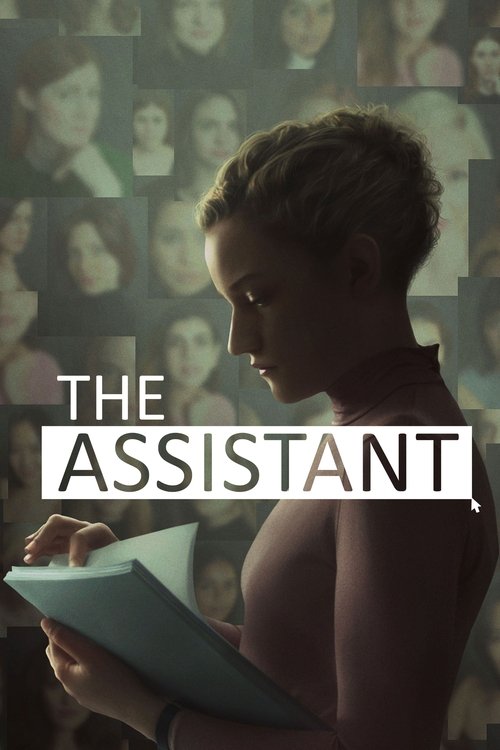
The Assistant2020
Another portrait of a woman navigating an institution built to silence her. Like Unorthodox, it's quiet and observant, finding drama in the accumulated small humiliations of a rigged system.
But It's slow and deliberately unglamorous. Some find it suffocating in the right way; others find it suffocating in the wrong way.
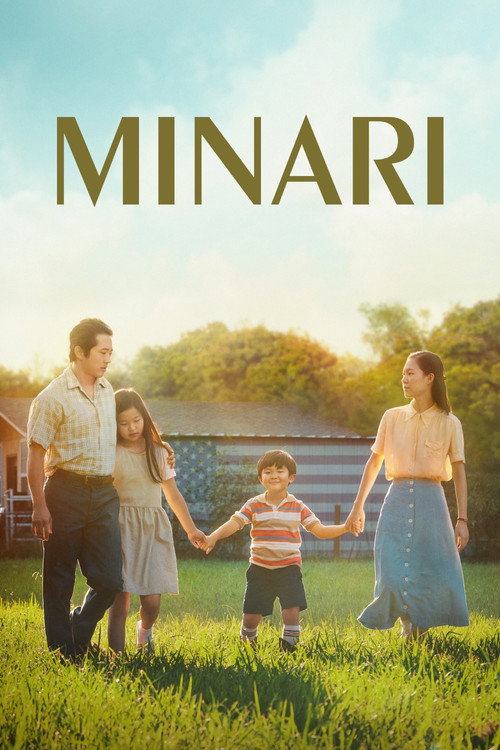
Minari2021
Both are intimate stories about families on the margins of belonging, and both find grace and specificity in the details of diaspora and displacement. Warm, unsentimental, deeply human.
But It's a family drama, not an escape story. If you came for Esther's liberation, this meditative pacing might feel too patient.
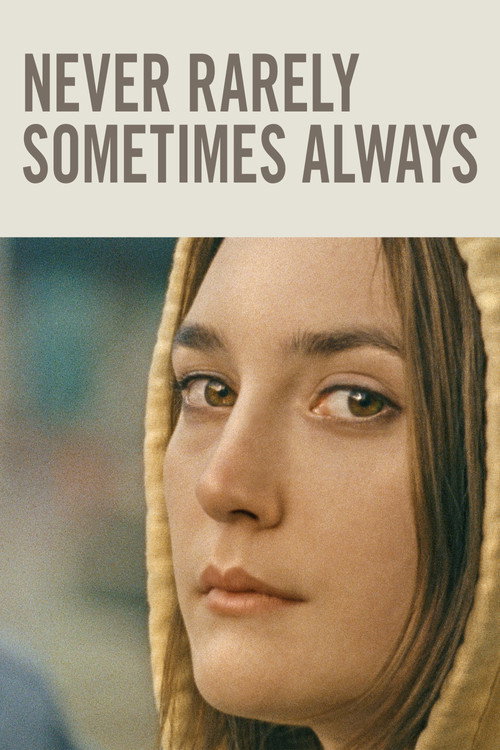
Never Rarely Sometimes Always2020
A quietly radical film about two young women navigating bodily autonomy and consent in a system designed to restrict both. Unorthodox's spiritual cousin in terms of stakes and emotional precision.
But It's minimalist and slow, with long silences. Visual storytelling instead of dialogue can feel like work if you're not in the mood.
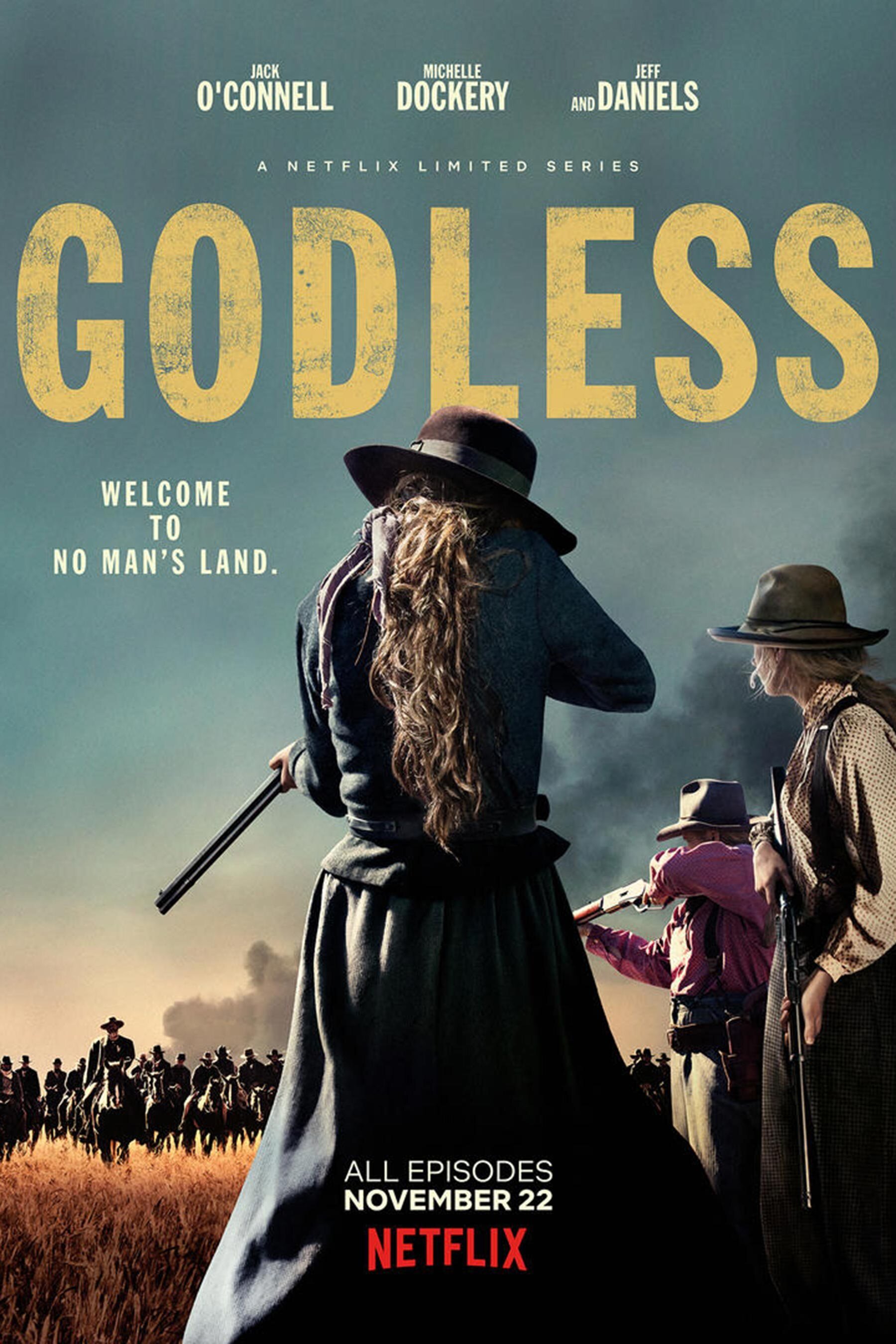
Godless2017
A miniseries about a woman-run town resisting patriarchal control. Like Unorthodox, it's visually stunning and urgently concerned with how systems of power operate on the intimate level.
But It's a Western with genre conventions; if you want pure character study, the plot machinery feels more visible and less subtle than Unorthodox.
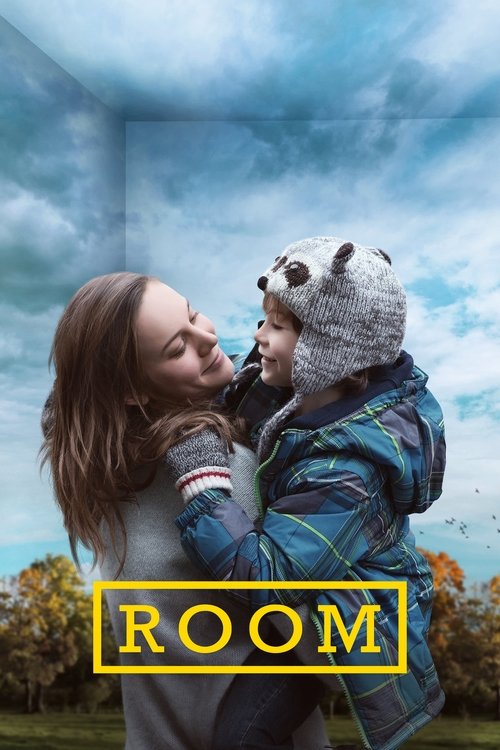
Room2015
Both are unflinching portraits of women and girls reclaiming agency after systematic confinement. Devastating and ultimately hopeful, though in very different ways.
But Room is traumatically focused; it's harder to watch. Unorthodox offers more moments of beauty alongside the difficulty.
Mustang2015
Both are about young women's bodies as contested property within family systems. Both refuse to make escape simple or consequence-free. Both are formally beautiful and morally uncompromising.
A Turkish film about five sisters confined by family honor, fighting for autonomy within an inescapable patriarchal structure. International cinema with the same emotional urgency as Unorthodox but from an entirely different cultural vantage point.
But It's in Turkish with subtitles. The confinement is more literal and physical than Unorthodox, and far more claustrophobic.

Ask Dr. Ruth2019
Both are about Jewish women escaping confinement and then dedicating themselves to helping others do the same. One is historical and celebratory; Unorthodox is contemporary and intimate. Together they suggest a genealogy.
A documentary about Ruth Westheimer, who escaped Nazi Germany and later became America's most famous sex educator—breaking silence and shame. Like Unorthodox, it's about a woman from a closed religious world using her voice to dismantle the systems that confined her.
But It's a documentary, not drama. If you came for narrative and character immersion, talking heads and archival footage will feel entirely different.

People
Cast



Writing
- Anna WingerCreator
Production
- Anna WingerExecutive Producer
- Henning KammExecutive Producer
- Alexa KarolinskiProducer