
Film
Close
A tender, unsentimental portrait of adolescent intimacy. Two thirteen-year-old boys share an effortless closeness until schoolyard gossip tears it apart. Belgian director Lukas Dhont finds profound sadness in small moments—a hand not taken, a word not said. Quietly devastating and alive to how cruelly children police affection.
Should you watch it?
Watch it if you are moved by films that trust silence and glances more than dialogue, and that treat a friendship's tenderness as something worth studying closely without explaining it.
Skip it if you need plot momentum or escalating stakes, since this one moves at the pace of everyday feelings and rarely pushes forward.
What it asks of you: Just under two hours, mostly unhurried, with long held silences and close faces that linger on small gestures; it rewards stillness more than attention to plot.
Not sure? Find tonight's pick in a minute.
If you liked this
The Farewell2019
A quietly powerful study of how families communicate through silence and obligation. It shares Close's ability to find emotional depth in understated moments and unspoken things between people who love each other.
But The pacing is deliberately slow and meditative. If you need plot momentum or catharsis, this will feel like watching paint dry.

Moonlight2016
Three chapters of a man's life, each shot in a different key. Like Close, it's about intimacy, vulnerability, and the violence of the world intruding on private connection. Visually stunning and emotionally precise.
But It's elliptical and sparse. Big emotional beats happen in silences. The third act especially will frustrate anyone wanting resolution or explanation.

A Ghost Story2017
A haunting meditation on loss and connection that moves between intimate domestic scenes and vast philosophical questions. It has Close's gift for finding the cosmic in the everyday between two people.
But It's experimental in form. There's a long, strange sequence that tests patience. If you need conventional storytelling, this will feel pretentious or pointless.

Not sure tonight? Get a pick in a minute, starting from Close
The wildcard
Something you would not have found on your own.
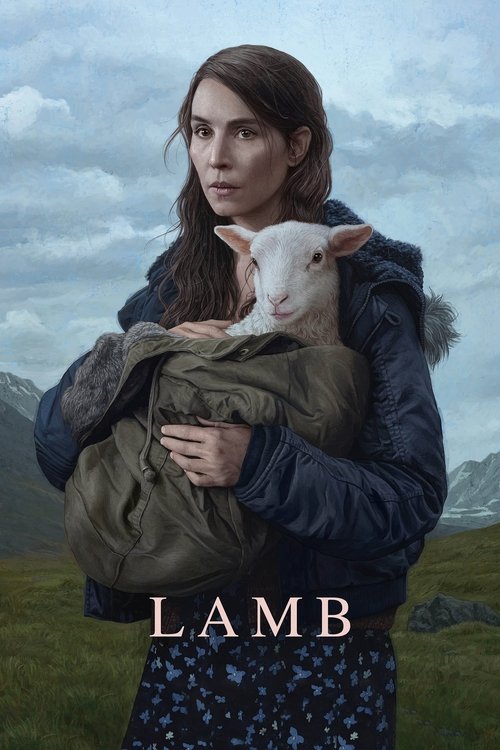
Lamb2021
Both films locate deep human feeling in the small, daily rituals between intimate others, then show how fragile those connections are when the outside world demands they be explained or justified.
An Icelandic folk horror film about isolation and the things we love. It shares Close's focus on quiet domestic spaces and unspoken bonds, but channels it through something stranger and more mythic. Visually extraordinary and philosophically unsettling.
But It's cryptic and elliptical to the point of obscurity. If you need the film to explain itself or justify its images, you'll be frustrated. The tonal register is genuinely uncanny, not comforting.
More like this (8)
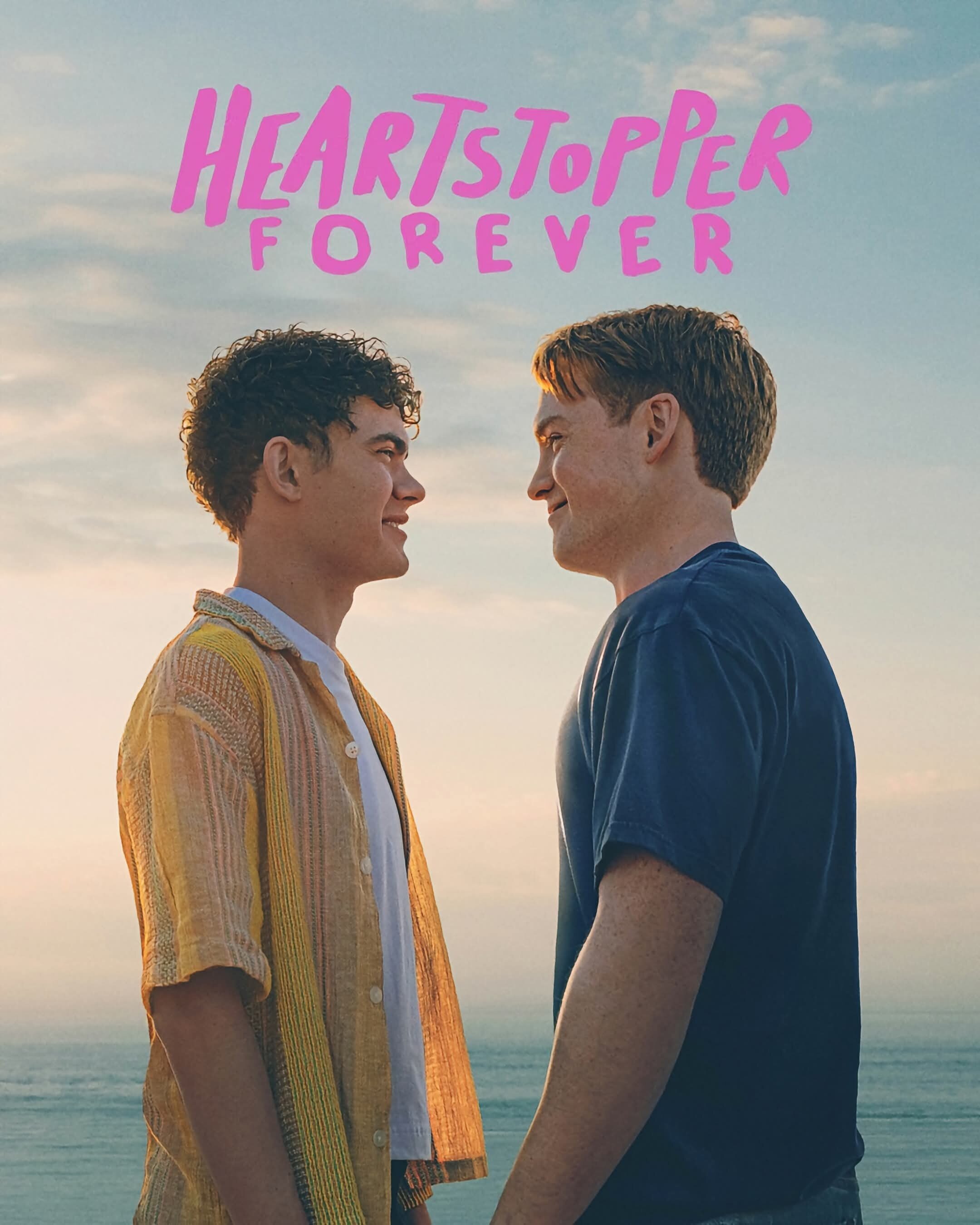
Heartstopper2022
A British series about two teenage boys discovering their feelings for each other. It's warm and genuine where Close is devastating—a necessary counterpoint that shows what acceptance and support looks like for young people.
But It's relentlessly sweet and optimistic. If you're drawn to Close's darker register, this might feel too soft or affirming in ways that don't reflect most people's actual experience.
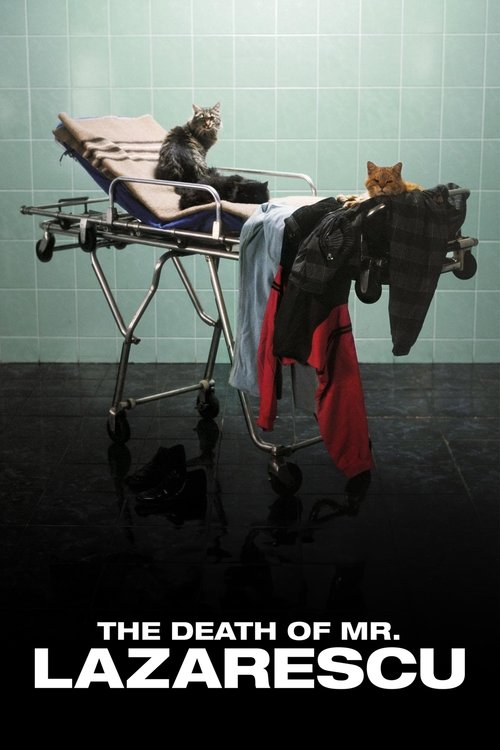
The Death of Mr. Lazarescu2005
A Romanian film that follows an old man through a hospital night with glacial, unsentimental observation. Like Close, it finds devastating humanity in small humiliations and the terrible indifference of institutions to individual suffering.
But It's 153 minutes of watching an elderly man navigate bureaucracy and pain. Not depressing exactly, but grinding and intentionally frustrating. Patience is non-negotiable.
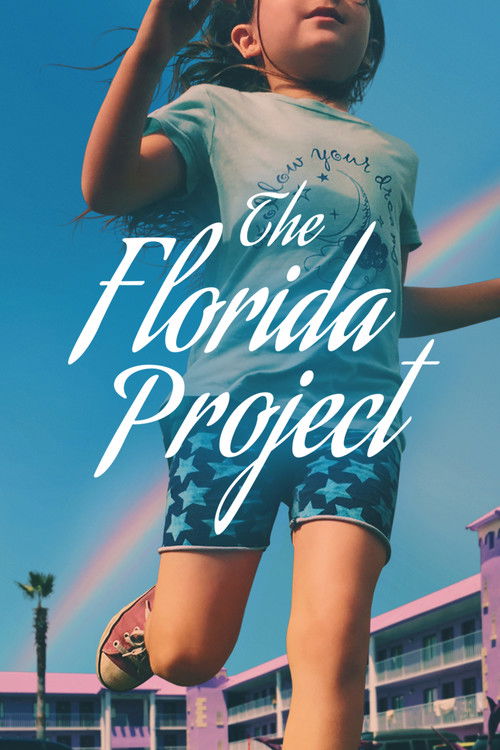
The Florida Project2017
Children's lives in a budget motel near Disney World. Sean Baker captures how kids experience the world—play, wonder, cruelty, incomprehension—with the same unsentimental eye Dhont brings to Close. Heartbreaking and wise.
But Handheld camera, overlapping dialogue, long takes. It mimics the rhythms of real life, which means it sometimes feels like nothing is happening. The ending is deliberately oblique.
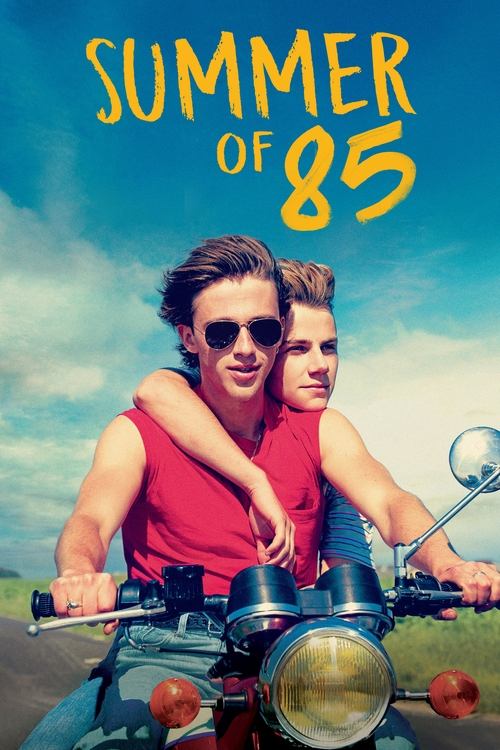
Summer of 852020
François Ozon's film about a teenage boy's first love during a holiday in the 1980s. It understands the intensity and fragility of adolescent connection, and the way one person can reshape your entire inner world.
But It's structured as a mystery with a dark turn. If you're coming for gentle coming-of-age, the tonal shift will feel like betrayal rather than depth.
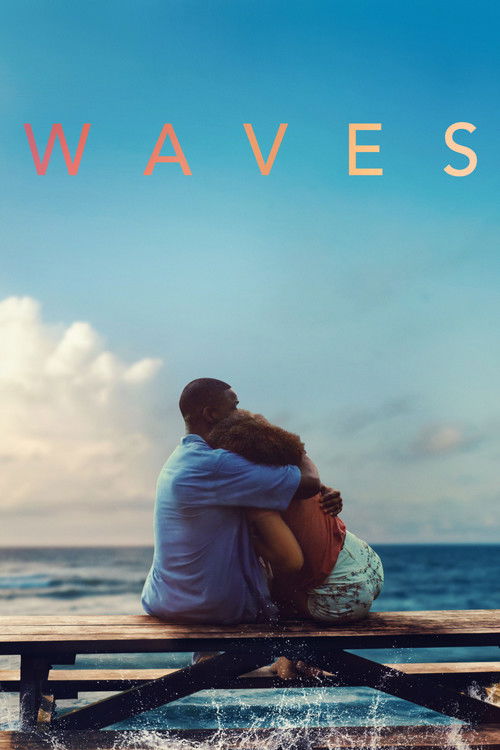
Waves2019
A family comes apart under pressure. It's formally ambitious and deeply felt, moving between rage, tenderness, and devastation with the same emotional honesty Close achieves. Bold in register and style.
But It's exhausting. The first half is especially raw and angry. The tonal and visual shifts might feel manipulative if you're not onboard with its ambitious form.
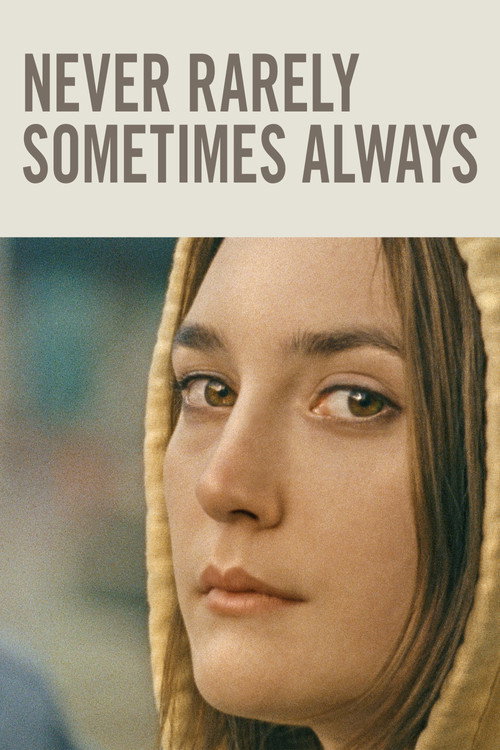
Never Rarely Sometimes Always2020
Eliza Hittman's film about two girls traveling for an abortion is a masterclass in observation and emotional restraint. It finds intimacy and resistance in quiet moments, the way Close does—the power of presence without sentimentality.
But It's deliberately unglamorous and repetitive. Lots of waiting, conversation, mundane logistics. If you need drama or intensity, the film's refusal to provide it will feel like distance rather than depth.
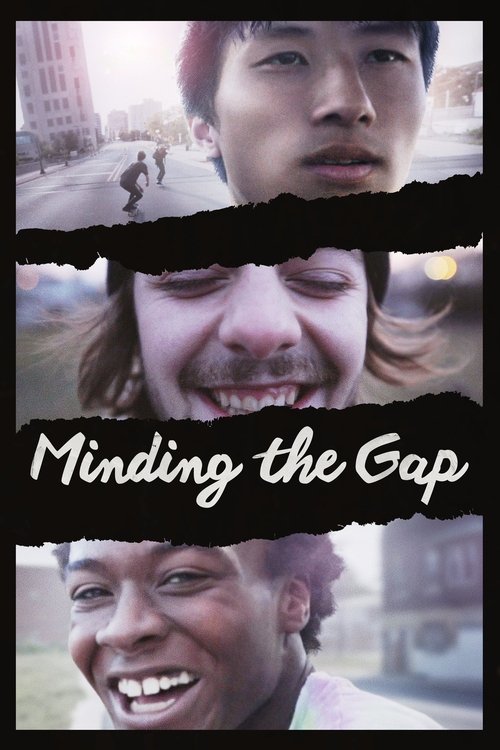
Minding the Gap2018
Both examine unspoken pain between young men—what we don't say to each other, the performances masculinity requires, the terrible loneliness underneath friendship. Both suggest that silence can be a form of love and a form of violence.
A documentary about skateboarding, working-class life, and male friendship that becomes something far more vulnerable. Director Bing Liu reveals his own trauma alongside his subjects with devastating intimacy. Real stakes, real stakes.
But It's a documentary, not a narrative film. The connection to Close isn't obvious. It meanders across years, cities, and ideas. If you want focused storytelling, this will feel unfocused until you realize the unfocusing is the point.
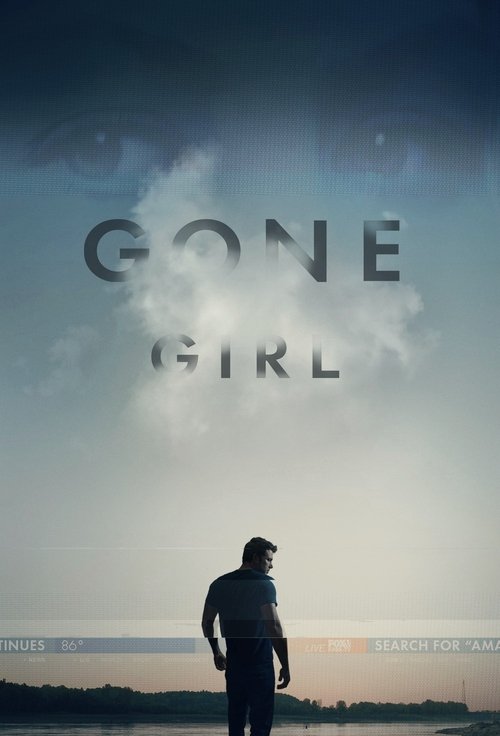
Gone Girl2014
Both Dhont films (he also made Girl) are obsessed with how the body becomes public, how internal experience is read by others, and how young people navigate being seen. Both refuse the comfort of neat resolution or growth.
A raw, unsentimental documentary following a transgender teenager's first year of transition in Belgium. Like Close, it's attentive to the body, to how we present ourselves, and to the cruelty of observation. Intimate without manipulation.
But It's a documentary. No fiction cushions you from reality. Some scenes are uncomfortable to watch because they feel intrusive. If you need distance or narrative shape, the directness will feel too much.
People
Cast
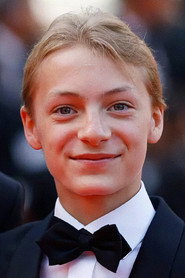
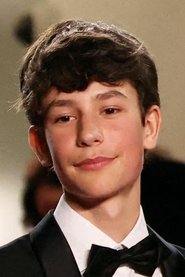 Gustav De WaeleRémi
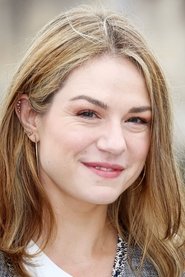 Émilie DequenneSophie
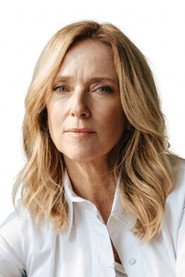 Léa DruckerNathalie
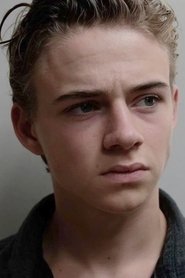 Igor van DesselCharlie
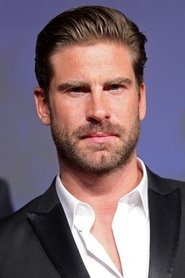 Kevin JanssensPeter
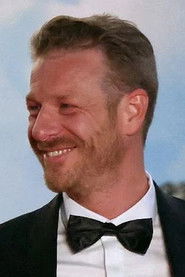 Marc WeissYves
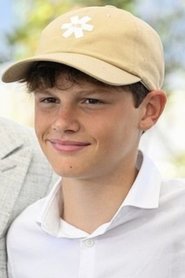 Léon BatailleBaptiste
 Serine AyariCéline
 Robin KeyaertThomas
- Iven DeduytschaverIce Hockey Coach
Directing
- Anne-Marie BrandstötterCrowd Assistant Director
- Lukas DhontDirector
- Siel Van DaeleFirst Assistant Director
- Elise Van DurmeScript Supervisor
Writing
- Angelo TijssensWriter
- Lukas DhontWriter
Production
- Sebastiàn MoradiellosCasting
- Arnold HeslenfeldCo-Producer
- Frans van GestelCo-Producer
- Jacques-Henri BronckartCo-Producer
- Laurette SchillingsCo-Producer
- Dirk ImpensProducer
- Michel Saint-JeanProducer
- Michiel DhontProducer
- Anéline PlateauProduction Assistant