
Film
Berlin Blues
A languid comedy-drama set in West Berlin's bohemian Kreuzberg district days before the Wall falls. Frank, a barkeeper content with drink and aimlessness, faces small crises—his parents arriving, a romantic entanglement, his best friend unraveling—as history builds outside his bubble. Warm and wryly funny about drift, friendship, and the moment when standing still becomes impossible.
If you liked this
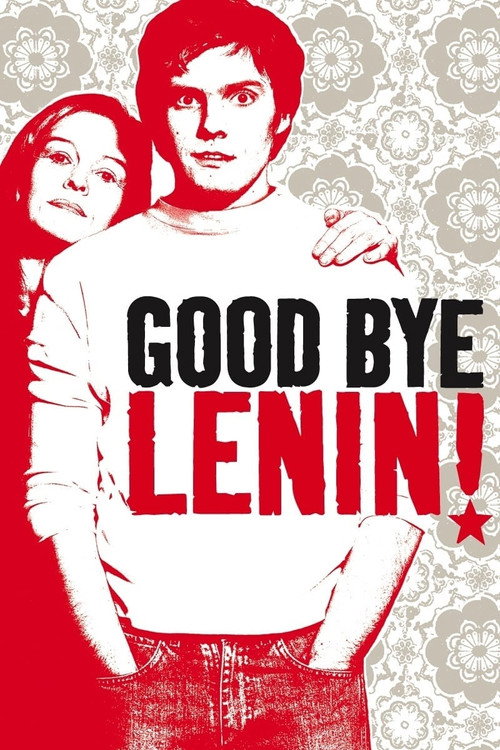
Good Bye, Lenin!2003
A sibling film about Berlin at a hinge moment, mixing comedy and melancholy as a son tries to hide the fall of the Wall from his recovering mother. Shares the same tender, unsentimental tone about East-West division and the people caught in its shadow.
But The magical realism lurches occasionally into whimsy, and the political allegory can feel a touch on-the-nose for viewers who prefer their history indirect.
Run Lola Run1998
Another Berlin film thrumming with energy and consequence, following a woman with ninety minutes to save her boyfriend's life. Kinetic where Lehmann is still, but shares the sense of ordinary people knocked sideways by circumstance and the ticking clock of fate.
But Its frenetic visual style and electronic score might feel dated now, and the premise is much higher-stakes than the naturalistic comedy-drama you just watched.

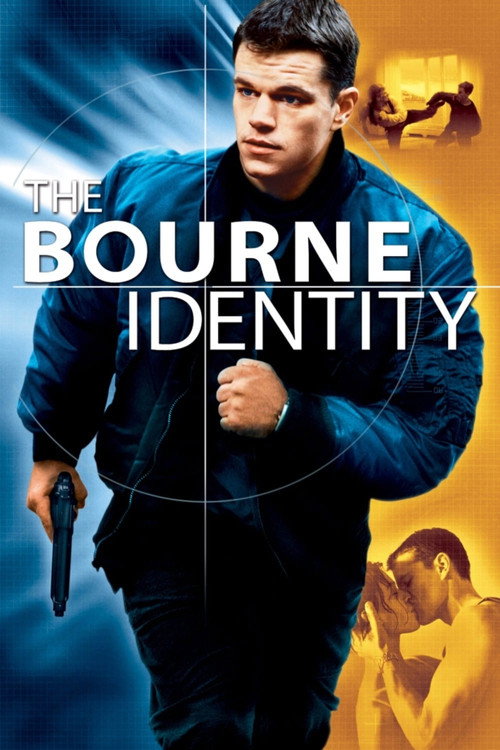
The Bourne Identity2002
Released the same year, it captures that early-2000s energy of European cities as actual places rather than postcards. A man adrift trying to remember who he is—thematically close to Frank's refusal to engage with the world beyond his small radius.
But It's an action thriller, not a character study. If you're coming from Lehmann looking for more intimate conversation and bar scenes, this will feel alienatingly propulsive.
Not sure tonight? Get a pick in a minute, starting from Berlin Blues
The wildcard
Something you would not have found on your own.
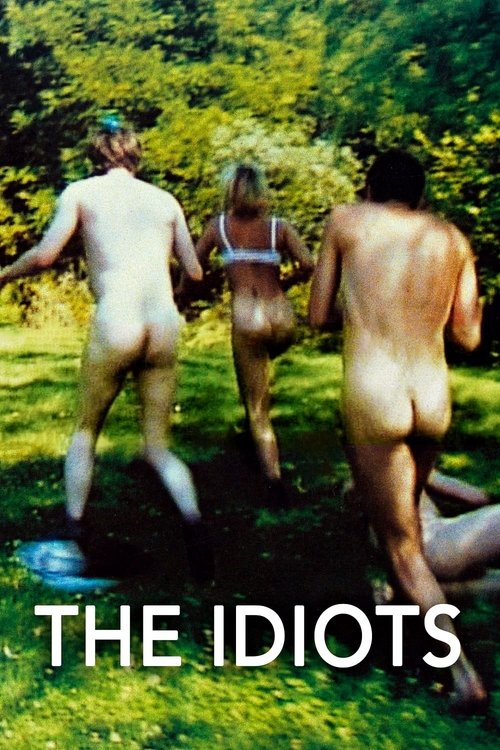
The Idiots1998
Both are ensemble films about countercultures at a threshold moment, using comedy and small human details to ask what happens when people stop pretending.
Dogme 95—rough, unvarnished, shot on digital before that was normal. A commune of Copenhageners testing bourgeois boundaries through wilful stupidity, discovering something real about community and mask-wearing. Made three years before Lehmann in a radically different register but asking identical questions about how people live together and what they're hiding.
But It's deliberately ugly and sometimes difficult to watch. The intellectual provocation might feel alienating if you're looking for the warm comedy-drama you just finished. Von Trier's agitation is the opposite of Lehmann's acceptance.
More like this (8)
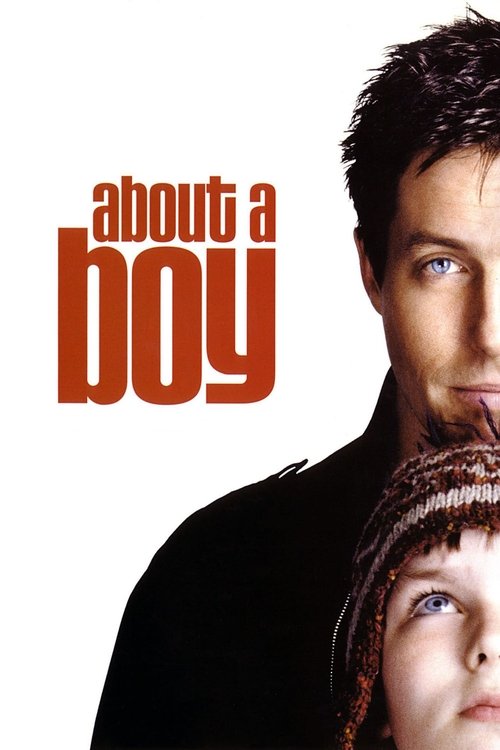
About a Boy2002
A charming study of a man resisting adulthood and connection, learning slowly that isolation isn't freedom. The humor is gentle, the disappointments real, and the supporting cast as important as the lead—much like Lehmann's ensemble of misfits.
But The tone is considerably sunnier and the ending more redemptive. Lehmann's melancholy sits deeper and doesn't resolve into uplift quite so neatly.
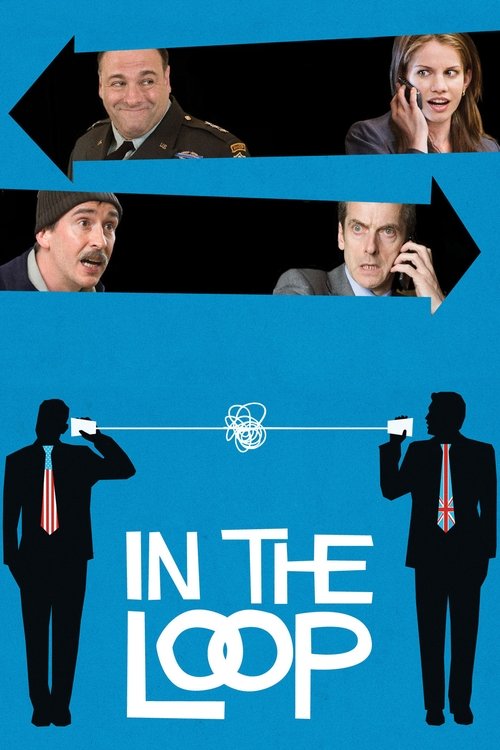
In the Loop2009
A satirical comedy about bureaucrats and hangers-on in the margins of power, where everything is just beyond anyone's control. The ensemble cast and deadpan humor about people trapped in systems they barely understand echoes Lehmann's sensibility.
But It's much sharper and more explicitly political. Where Lehmann is wry and diffident about history, this one is angry and direct.
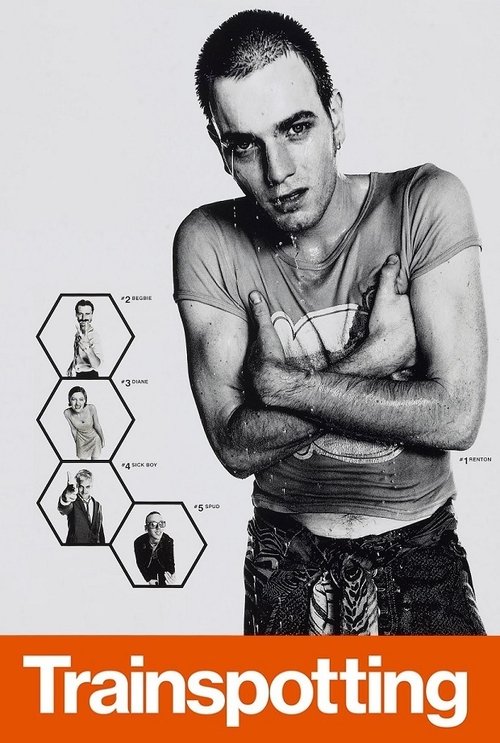
Trainspotting1996
An earlier portrait of bohemian dissolution and friendship under pressure. Fast, dark, and urgent where Lehmann is slower, but both anatomize how people cling to each other and their small rituals to survive indifference and chaos.
But It's visceral and genuinely harrowing about addiction. Lehmann is melancholic but never punishing. The registers are quite different despite the surface similarities.
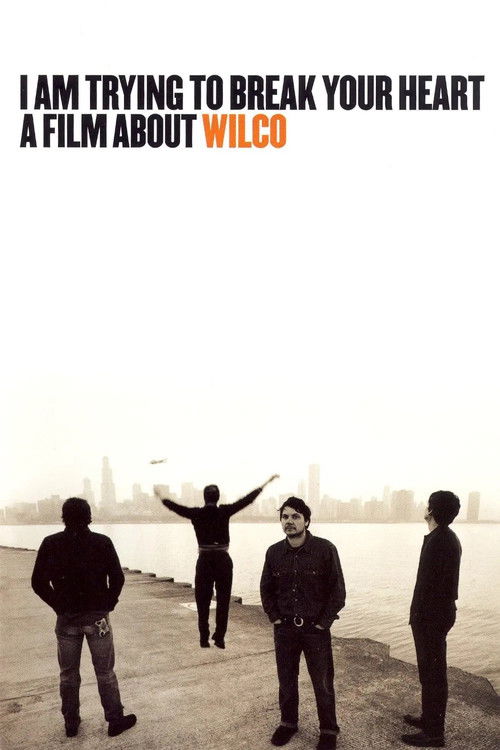
I Am Trying to Break Your Heart: A Film About Wilco2002
A documentary following a band in flux as they try to make an album and hold together. The same year as Lehmann, same mood of drift and indecision, with long takes of people sitting around wondering what happens next.
But It's a documentary about a real band's real dysfunction, not narrative drama. The music world might feel distant if you're not already invested in Wilco.
Before Sunrise1995
Richard Linklater's film about two strangers talking through Vienna, equally concerned with conversation and the weight of history happening elsewhere. It shares Lehmann's faith that ordinary people are interesting enough without melodrama.
But Almost nothing happens. If you need plot momentum, this will feel like watching someone's vacation footage, however beautifully filmed.

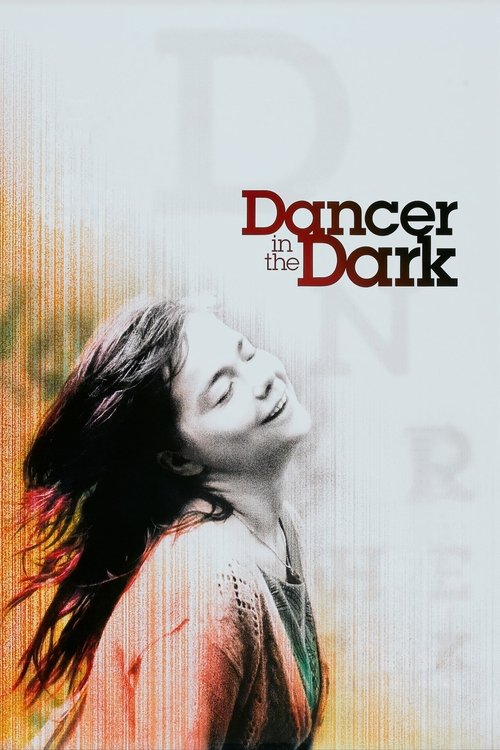
Dancer in the Dark2000
Lars von Trier's portrait of a woman navigating American life while internally alive to another world. Dark, strange, and committed to finding grace in ordinary disappointment—the emotional underside of Lehmann's wry surface.
But It's devastating and operatic, ending in genuine tragedy. Lehmann is melancholic but never this bleak. The tonal shift alone might feel jarring.
La Haine1995
Both films trust that the lives of ordinary men—their conversations, their neighborhoods, their small dramas—contain everything cinema needs. Both are love letters to specific cities at specific moments.
Mathieu Kassovitz's black-and-white portrait of three young men in a banlieue, spending a day navigating class, police, and their own restlessness. Shot in stark contrast to Lehmann's warm palette but identical in structure—a few people, a day or two, the texture of friendship and the city pressing in.
But It's much angrier and its stakes are life-or-death rather than romantic confusion. The formal beauty is severe rather than genial. It's a masterpiece but not a comfort.

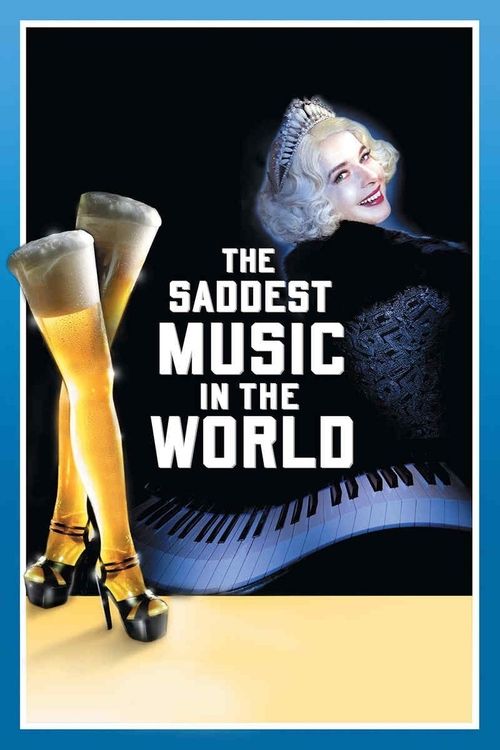
The Saddest Music in the World2003
Both use the year they're made or nearly so as the point of historical hinge, asking what it means to be a person at the moment when everything changes. Both are obsessed with mood over plot.
Guy Maddin's deliberately artificial chamber piece set in Depression-era Winnipeg, filmed in theatrical black-and-white with a woman conducting a global sadness competition. Utterly bizarre and formally strange, but it shares Lehmann's quiet understanding that history and personal sorrow are the same texture, and that drinking is involved.
But It's genuinely surreal and looks like nothing else. The artifice is complete—no naturalism whatsoever. If you want something in the same emotional register as Lehmann, this formal approach might read as cold rather than warm.
People
Cast
 Christian UlmenHerr Lehmann
 Katja DanowskiKatrin, die schöne Köchin
 Detlev BuckDer beste Freund Karl
 Janek RiekeKristall-Rainer
 Uwe Dag BerlinJürgen
 Martin OlbertzMarco
 Hartmut LangeErwin
 Margit BendokatLehmanns Mutter
 Johann Adam OestLehmanns Vater
 Annika KuhlHeidi
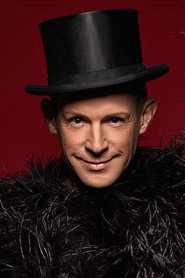 Tim FischerSylvio
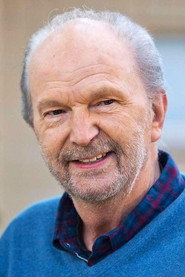 Michael GwisdekHans
Directing
- Leander HaußmannDirector
Writing
- Sven RegenerNovel
- Sven RegenerScreenplay
Production
- Simone BärCasting
- Sonja SchmittExecutive Producer
- Claus BojeProducer
- Jens MeyerProduction Manager