
Film
Swimming to Cambodia
- Comedy
- Slow-burning
Spalding Gray sits at a desk for 85 minutes and tells you about being an extra on The Killing Fields, Cambodia's genocide, his anxieties, and the strange coincidences that followed. It sounds like a monologue—because it is—but it's mesmerizing: funny and devastating by turns, a master class in performance and the power of a single voice held steady.
Should you watch it?
Watch it if you love a single performer talking straight to camera, where the comedy comes from a wry, self-deprecating mind circling a serious history.
Skip it if you need visual variety or a plot, since nearly everything here is one man, one desk and one voice, and his tangents may feel slack.
What it asks of you: Eighty-five minutes of one seated man, drifting from anecdote to atrocity and back, with little to lean on except your attention to his digressions.
Not sure? Find tonight's pick in a minute.
If you liked this
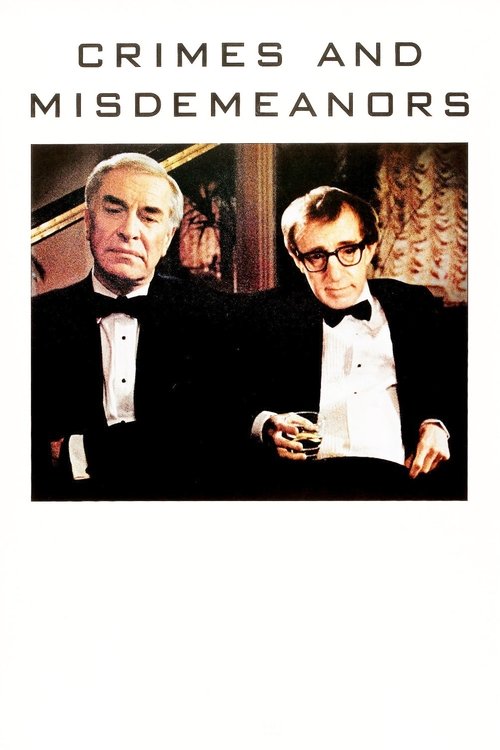
Crimes and Misdemeanors1989
Woody Allen examines morality, guilt, and self-deception through interwoven stories of murder, infidelity, and comedy. Like Gray, he finds absurdity and darkness nested inside each other, though his approach is narrative rather than confessional.
But Allen's cynicism about human nature can feel cold. Some of the romantic subplots haven't aged well, and the tonal shifts between comedy and philosophy may feel uneven.
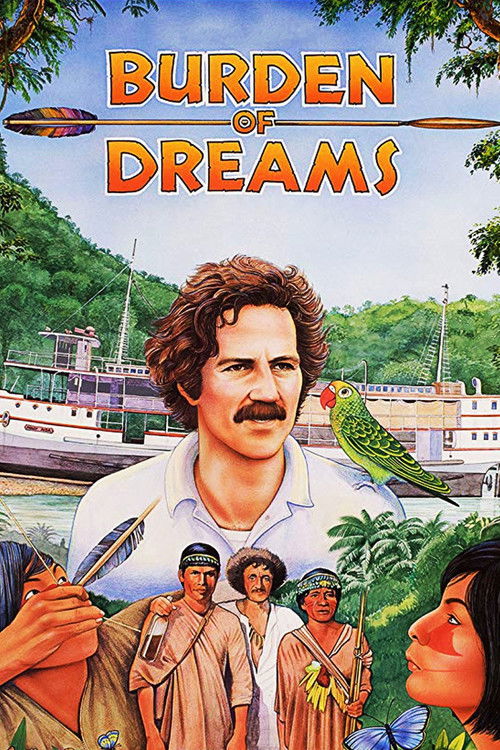
Burden of Dreams1982
Werner Herzog's documentary about making Fitzcarraldo in the Peruvian Amazon. Like Gray, it's about a filmmaker's obsession, the gap between intention and reality, and the strangeness of art-making in hostile conditions.
But It's slow and demanding. Watching someone struggle with logistics and doubt can feel tedious if you're not invested in Herzog's particular madness.
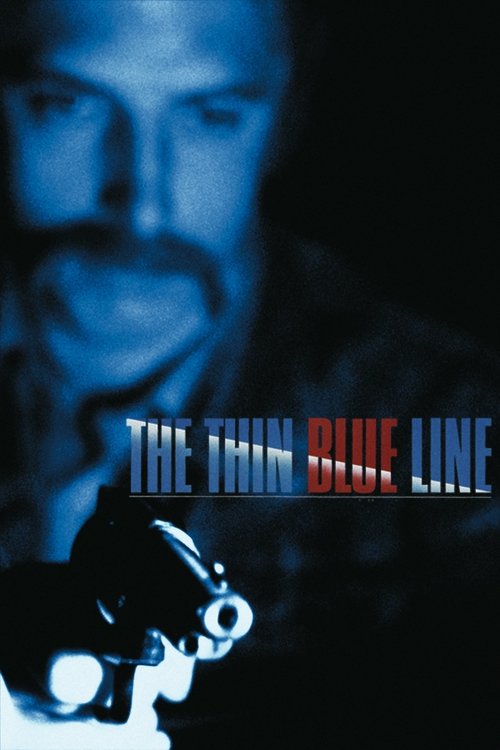
The Thin Blue Line1988
Errol Morris reconstructs a murder through interviews and stylized reenactments, circling the same events from different angles. Like Swimming to Cambodia, it's about how narrative shapes truth and how one person's account can never be complete.
But The subject matter is heavy—wrongful conviction, real crime. The experimental form takes patience; it's not conventional storytelling.
Not sure tonight? Get a pick in a minute, starting from Swimming to Cambodia
The wildcard
Something you would not have found on your own.
My Dinner with Andre1981
Both films prove that a single voice sustained with intelligence and honesty can hold an audience. Both are acts of trust—trust that you'll listen, that you'll follow a thought into its corners, that you won't need to be entertained.
Two men sit and talk for two hours about ideas, memory, theatre, and what it means to be alive. It's pure conversation with no plot, asking the same question Gray does: can a human voice and one human's attention be enough? The answer is yes.
But There is literally nothing else to hold onto. No movement, no music, no visual interest. If you need narrative or spectacle, this is unbearable.
More like this (8)
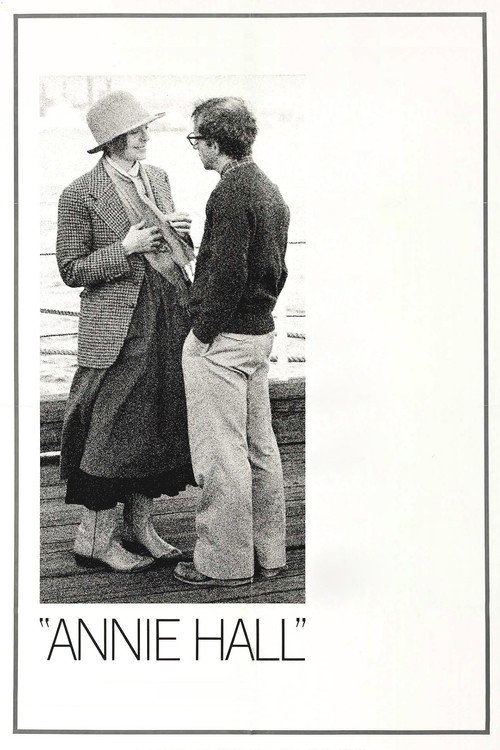
Annie Hall1977
Woody Allen's breakup comedy uses direct address, digression, and anxiety as its structure. Gray's nervous energy and willingness to seem foolish on stage find their cinematic parallel in Allen's neurotic New York intellectual.
But It's dated in both good and bad ways. The gender politics are complicated, and some jokes land softer now than they did then.
Singin' in the Rain1952
Gene Kelly and Donald O'Connor perform joyously about the fakery and labor behind Hollywood glamour. There's a kinship with Gray's willingness to show you the machinery of his own thought and to find delight in exposure.
But If you're expecting something like Swimming to Cambodia's philosophical dread, you'll be disappointed. It's bright and uncomplex in the best and worst ways.

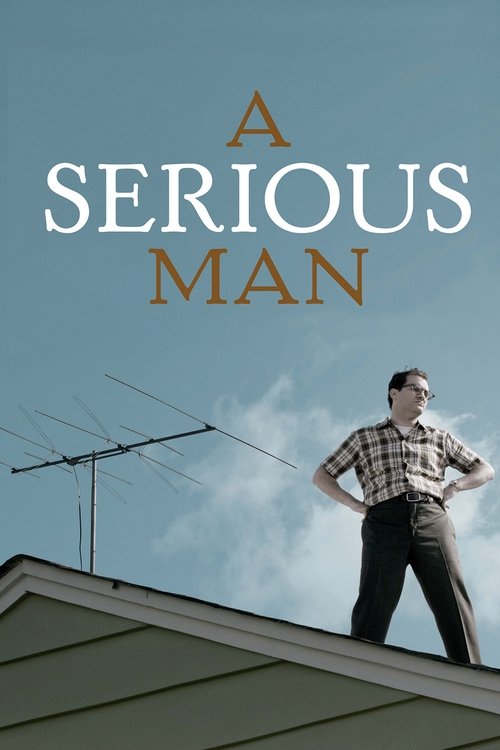
A Serious Man2009
The Coen Brothers follow a Jewish man circling moral confusion and bad luck. Like Gray, it treats anxiety and contingency as genuine subjects for art, and finds that life rarely resolves into meaning.
But It's bleak and circular. Nothing is resolved; the protagonist learns nothing. If you need narrative satisfaction, this will frustrate you.
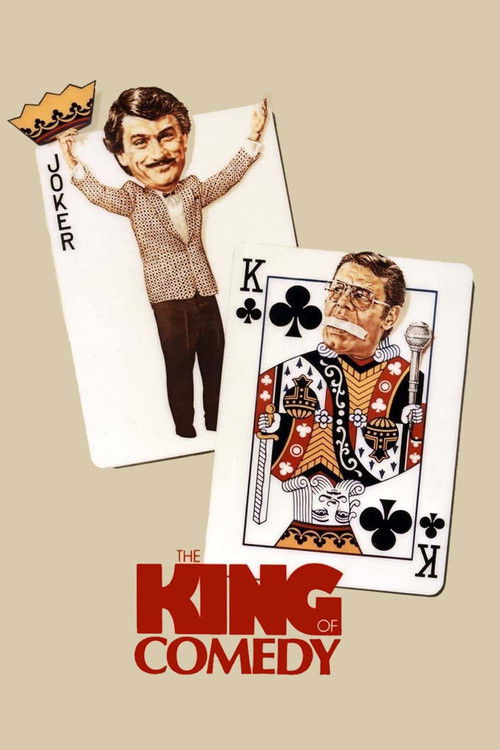
The King of Comedy1982
Martin Scorsese's dark comedy about an obsessed fan trying to become a late-night talk show host. Gray's monologue form and Rupert Pupkin's desperation both pivot on the weird intimacy between performer and audience.
But It's uncomfortable and claustrophobic. Robert De Niro's character is deeply unlikeable, and the film refuses to judge him softly.
Come and See1985
A Soviet film about a boy's journey through war-torn Belarus. Like Swimming to Cambodia, it braids personal experience with historical atrocity, asking how we hold both in our minds simultaneously.
But It's one of cinema's most brutal and dehumanizing depictions of war. Not a film you watch; a film that wounds you. Proceed only if you're ready for that.

Zelig1983
Woody Allen plays a man with no fixed identity, a mockumentary about shape-shifting and the hunger to belong. It shares Swimming to Cambodia's fascination with performance, authenticity, and whether a true self exists.
But The gimmick—a fake newsreel style—can overshadow character. The film is clever in a way that sometimes feels more interested in itself than in anything deeper.

Stalker1979
Both films are structured as journeys through a man's consciousness and Cambodia's unknowability. Gray is unstable and funny about it; Tarkovsky is solemn. But both believe that uncertainty itself is the subject, not a problem to solve.
Andrei Tarkovsky's science-fiction film about a guide leading two men to a mysterious room. It moves at a glacial pace, asks unanswerable questions about desire and meaning, and locates spirituality in doubt and digression rather than resolution.
But It's three hours long and almost nothing happens. Tarkovsky's metaphysics can feel impenetrable. Patience isn't enough; you need to surrender to the film's rhythm entirely.

Sans Soleil1983
Like Gray, Marker trusts the power of a single voice and the viewer's willingness to follow an associative rather than linear path. Both films ask how we understand distant traumas and strange moments through the only tools we have: language, memory, and the willingness to sit still and listen.
Chris Marker's essay-film about memory, colonialism, and cinema itself, woven together through footage from Japan, Guinea-Bissau, and elsewhere. Marker's voice—calm, erudite, digressive—builds a meditation on how images and stories shape what we think we know about the world.
But It's structurally abstract and demands active attention. There's no plot to follow, only a voice and images that circle themes. Some will find it profound; others will find it opaque.

People
Cast
 Spalding GraySelf
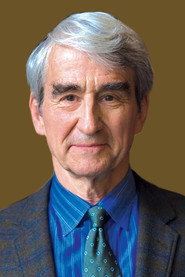 Sam WaterstonAdditional Cast from 'The Killing Fields' (archive footage)
 Ira WheelerAdditional Cast from 'The Killing Fields' (archive footage)
Directing
- Jonathan DemmeDirector
Writing
- Spalding GrayWriter
Production
- Edward SaxonAssociate Producer
- Amir Jacob MalinCo-Executive Producer
- Ira DeutchmanCo-Executive Producer
- Lewis M. AllenExecutive Producer
- Peter NewmanExecutive Producer
- Paula MazurLine Producer
- Renée ShafranskyProducer
- Bart WenrichProduction Assistant
- Deborah Eve LewisProduction Assistant
- Suzanne GriffinProduction Assistant
- Sam GelermanUnit Manager
Recommended by
Bo Burnham: Inside, Mike Birbiglia: The New One, Fishing with John