
Film
The Ax Fight
- Slow-burning
A 30-minute ethnographic landmark that records a Yanomami village conflict through four distinct lenses: raw footage, slow-motion breakdown, kinship analysis, and edited narrative. It's a masterclass in how anthropologists construct meaning from chaos—and how cameras shape what we think we know. Essential viewing for anyone curious about fieldwork, representation, or the mechanics of documentary truth.
Should you watch it?
Watch it if you are drawn to films about how a scene gets understood, and enjoy watching a single event taken apart frame by frame until the method itself becomes the story.
Skip it if you need a story with momentum; this is a short, deliberately repetitive study of one violent clash, and it keeps its distance from the people in it.
What it asks of you: Patience for repetition: about half an hour, with the same few minutes returning again and again, each pass asking you to look harder at what you already saw.
Not sure? Find tonight's pick in a minute.
If you liked this
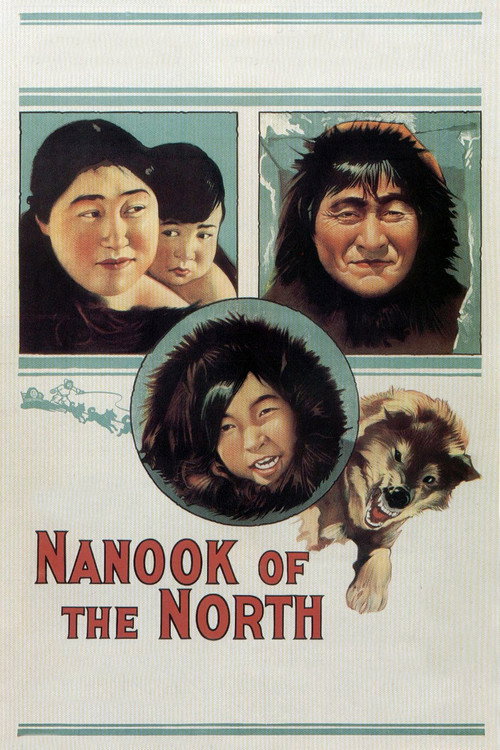
Nanook of the North1922
The founding text of documentary cinema. Robert Flaherty follows an Inuit hunter through Arctic survival, creating intimate, immersive footage that defined what ethnographic film could be. Visually stunning and deeply human.
But Flaherty staged and manipulated scenes extensively. The 'authenticity' you're watching is partly constructed—which is partly the point, but still uncomfortable if you're not prepared.
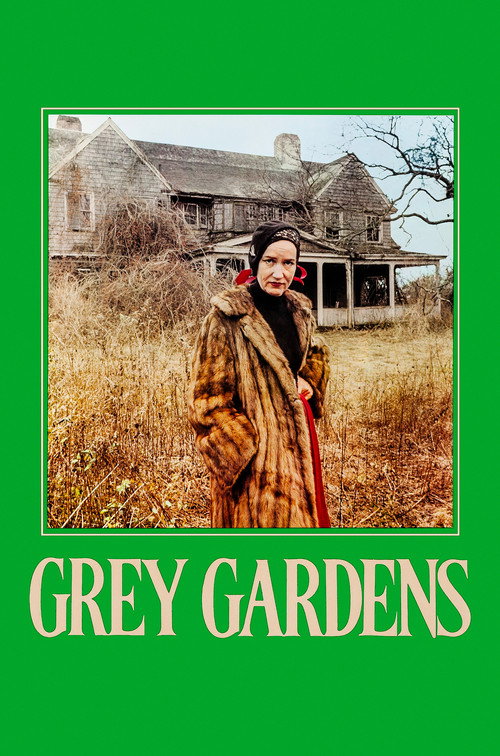
Grey Gardens1976
The Maysles brothers capture two wealthy recluses in their decaying East Hampton mansion with no narration or judgment. It's mesmerizing, bizarre, and raises uncomfortable questions about observation and exploitation that parallel The Ax Fight's concerns.
But Deliberately slow and repetitive. Some will feel the filmmakers exploit their subjects' mental illness and hoarding for spectacle. Legitimately difficult to watch at moments.
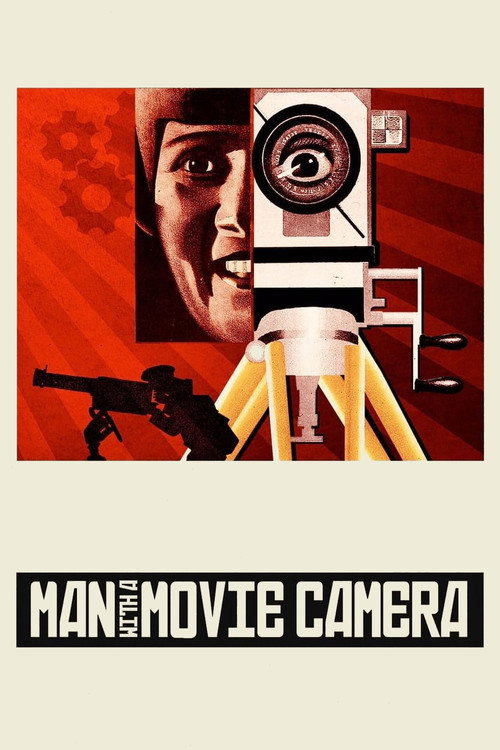
Man with a Movie Camera1929
Dziga Vertov's Soviet montage masterpiece deconstructs how cinema constructs reality from fragments. Like The Ax Fight, it's fascinated by the apparatus itself—how editing and framing create meaning from raw material.
But No dialogue, no plot, deliberately experimental. If you want narrative or resolution, this will frustrate you. It's about form, not story.
Not sure tonight? Get a pick in a minute, starting from The Ax Fight
The wildcard
Something you would not have found on your own.
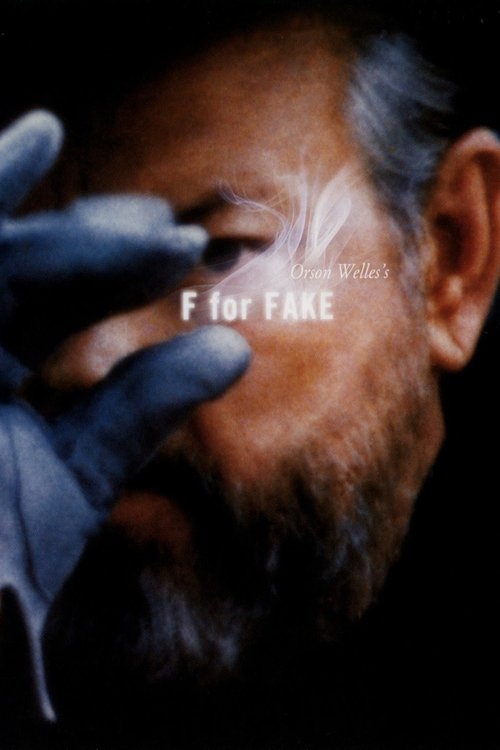
F for Fake1973
Both films interrogate the reliability of what a camera records and what montage makes us believe. They're not content to show you something; they're asking you to think about the act of showing.
Orson Welles deconstructs documentary truth itself through a dizzying essay about art forgery, deception, and cinema's complicity. Like The Ax Fight, it's obsessed with how we know what we know from what we see. A formal masterpiece wrapped in playfulness.
But Fractured, digressive, sometimes frustratingly incomplete. Welles was making an argument about the impossibility of certainty—if you want clarity, this will irritate you.
More like this (8)
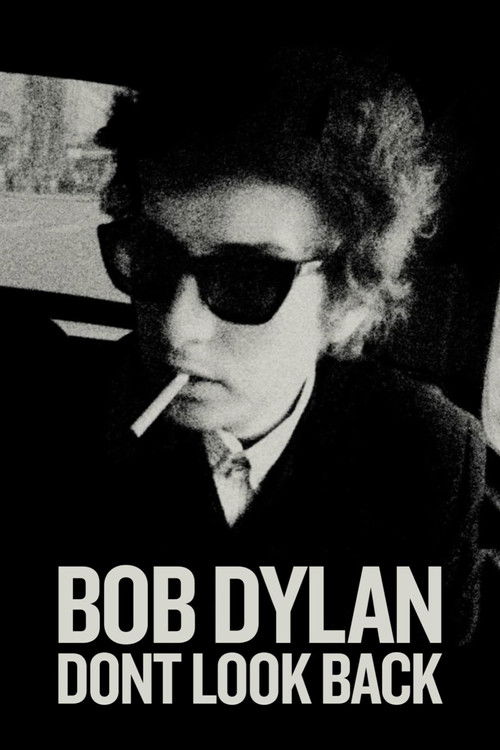
Bob Dylan – Don't Look Back1967
D.A. Pennebaker documents Bob Dylan's 1965 UK tour with a roving camera that captures candid moments and deliberate performances. Like The Ax Fight, it's fascinated by how cameras change what they record.
But Heavy on screen time for minor figures. The Dylan moments feel fragmentary and incomplete—which is the point, but some find it diffuse.
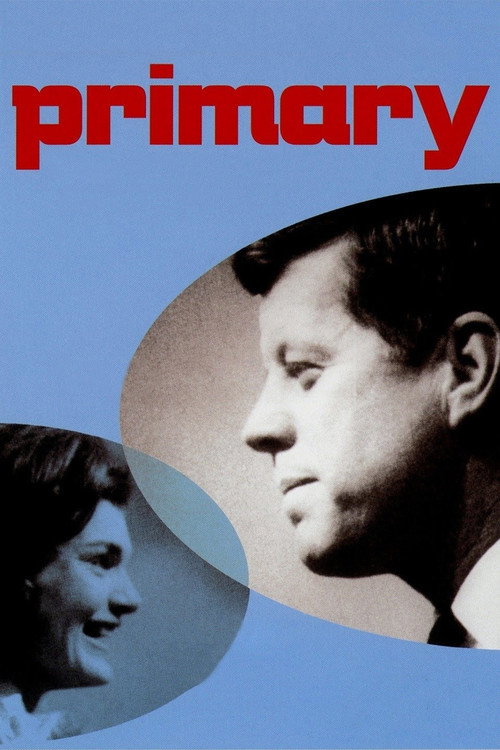
Primary1960
Robert Drew's direct-cinema verite follows the 1960 Wisconsin Democratic primary with no narration. It invented a way of filming politics that influenced everything after, including how we think about objective documentation.
But Cold and distancing by design. The lack of guidance means you're assembling meaning yourself—some prefer a clearer editorial hand.
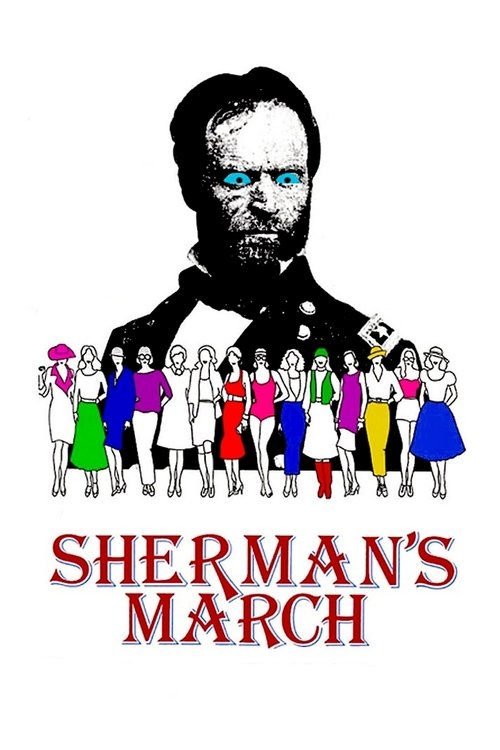
Sherman's March1986
Ross McElwee turns his camera on himself and his life while nominally documenting General Sherman's path through Georgia. It's a meditation on how documentation is always self-documentation, autobiographical even when it tries not to be.
But Deeply personal to the point of indulgence for some. The meandering structure and McElwee's romantic anxieties will feel solipsistic if you want weightier subjects.
The Act of Killing2012
Joshua Oppenheimer films Indonesian death-squad leaders staging recreations of their own genocidal violence. Extraordinary as both documentation and interrogation—it asks what happens when you give the camera to people defining their own atrocities.
But Extremely disturbing. The ethical complications are immense and unresolved. Not entertainment, and the violence—even represented—is hard to sit with.

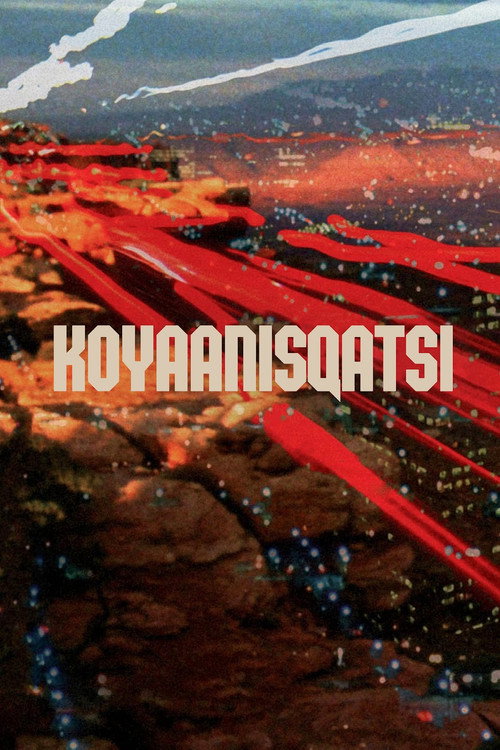
Koyaanisqatsi1983
Godfrey Reggio's visual essay assembles time-lapse and slow-motion footage of human civilization into a rhythmic, wordless meditation. Like The Ax Fight, it trusts montage and pacing to convey meaning without explanation.
But No conventional argument or narrative. Pure sensation and mood. If you need to understand *what* you're watching, the abstract approach will defeat you.
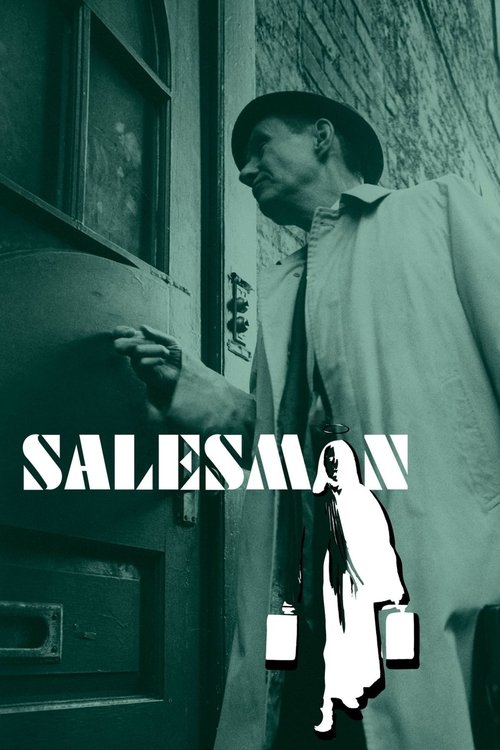
Salesman1969
Albert and David Maysles follow Bible salesmen in their daily work with observational patience. It's a portrait of American hustle and delusion that accumulates power through detail rather than judgment. Quietly devastating.
But Very slow, very repetitive by design. The 'action' is just men talking and visiting houses. Requires patience and attention—boredom is part of the experience.
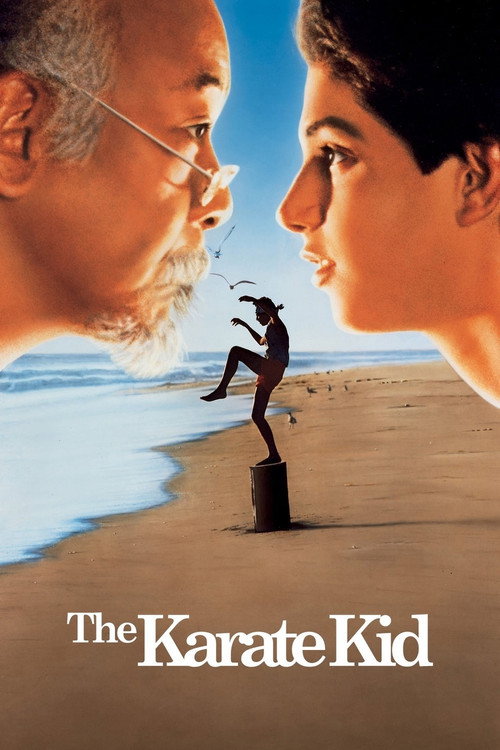
The Karate Kid1984
Both films foreground the *construction* of ethnographic knowledge. If The Ax Fight shows you four different ways to read the same event, Verite asks why anthropologists think they can read events at all.
Razib Khan's documentary essay examines how anthropologists and documentarians construct 'truth' from observation. A direct intellectual conversation with ethnographic cinema's foundational problems. Denser than The Ax Fight but operating from the same questions.
But Academic and deliberately difficult. If you haven't read anthropology or thought much about epistemology, long stretches will feel abstract and dry.
Sans Soleil1983
Like The Ax Fight, it treats the arrangement of footage as the real documentary work. Marker is asking what you *learn* about the world by editing, which is The Ax Fight's central question approached from the opposite direction.
Chris Marker's essay film assembles footage from across the world—Guinea-Bissau, Japan, Iceland—into a fragmented, poetic meditation on memory, time, and what cameras actually capture. Elliptical, profound, utterly original in form.
But Extremely demanding. No plot, scattered geography, long stretches of beautiful but purposefully oblique imagery. The meaning is intentionally unstable—if you want anchoring, leave now.

People
Directing
- Napoleon ChagnonDirector
- Timothy AschDirector