
Film
My Tale of Two Cities
A screenwriter returns to his native Pittsburgh and finds the city transformed. Kurlander weaves his own coming-of-age story through the industrial city's decline and reinvention, creating something more intimate than a civic history—it's about belonging, ambition, and the places that make us who we are.
Should you watch it?
Watch it if you love documentaries that treat a hometown as a character, and you don't mind a personal memoir threading through civic history to get there.
Skip it if you're after a rigorous history of Pittsburgh's industrial past, since this one keeps circling back to one man's memories.
What it asks of you: At eighty-five minutes it moves at an easy, conversational clip, and it wants you to follow a personal thread rather than a strict timeline.
Not sure? Find tonight's pick in a minute.
If you liked this
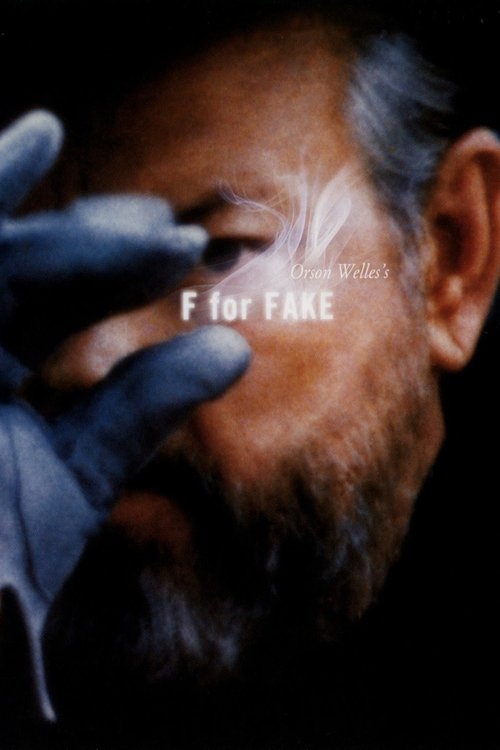
F for Fake1973
Welles digresses brilliantly about art, deception, and authenticity while supposedly making a documentary. It's playful filmmaking that questions what autobiography even means—perfect company for Kurlander's blend of memoir and city portrait.
But Deliberately fragmented and elliptical. Welles is performing the film as much as making it, which some find precious or self-indulgent.
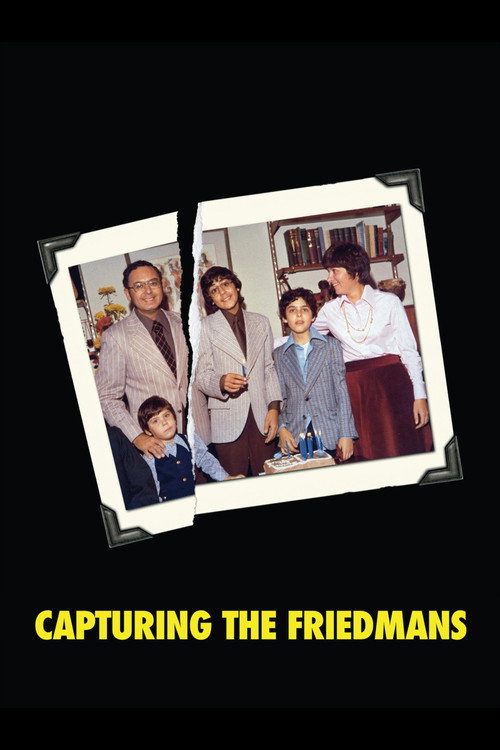
Capturing the Friedmans2003
A documentary that uses family history to explore larger questions about community, reputation, and perspective. Like Kurlander's film, it refuses to be either simple memoir or simple social document.
But Deeply unsettling and morally complex. It doesn't offer comfort or clear answers, and the subject matter is dark.
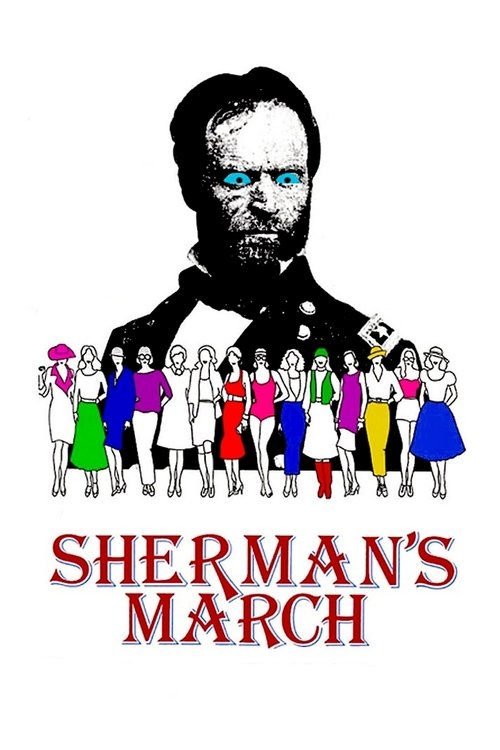
Sherman's March1986
A director trying to make a Civil War documentary ends up making a deeply personal film about his own life, relationships, and obsessions. It's funny and touching in ways that sneak up on you.
But The irony and self-consciousness might feel dated now. It's very much a product of its moment in tone and style.
Not sure tonight? Get a pick in a minute, starting from My Tale of Two Cities
The wildcard
Something you would not have found on your own.
Synecdoche, New York2008
Both use city and biography as the same story; both suggest that home can only truly be known after you've been remade by leaving it.
Kaufman's masterpiece is about a director creating a massive replica of New York inside a warehouse, collapsing his art and life and the city itself into one obsessive sculpture. It's the inverse of Kurlander's approach—not a director returning home to understand it, but a director trying to rebuild home because understanding failed. Both films ask whether you can ever really see the place that made you.
But Deliberately baroque and difficult. It plays like a fever dream, and the emotional toll accumulates. Most viewers find it exhausting rather than cathartic.

More like this (7)
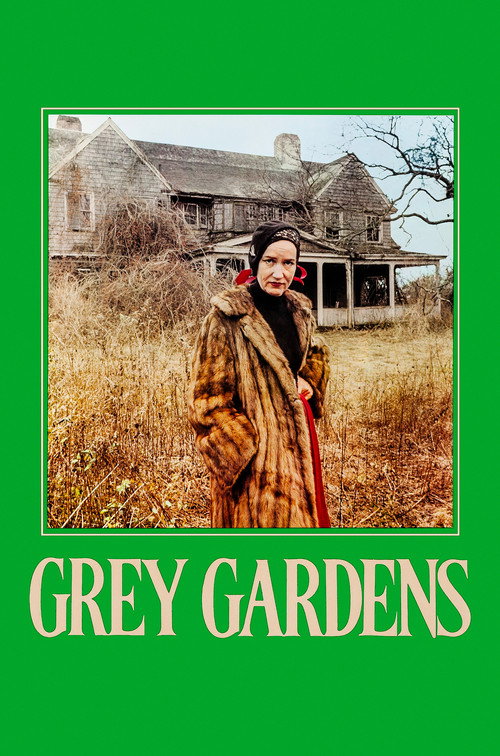
Grey Gardens1976
A portrait of two women and their decaying mansion that's simultaneously intimate character study and social history. It captures place and person in ways that feel inextricable from each other.
But Uncomfortable and claustrophobic. The filmmakers observe without judgment, but the sadness is relentless.
Boyhood2014
Linklater follows a boy from childhood to adulthood across twelve years of real time. It's shaped by Americana, family, ambition, and the slow realization of who you become.
But Nearly three hours long with minimal plot. If you need incident or dramatic stakes, this will feel glacial.

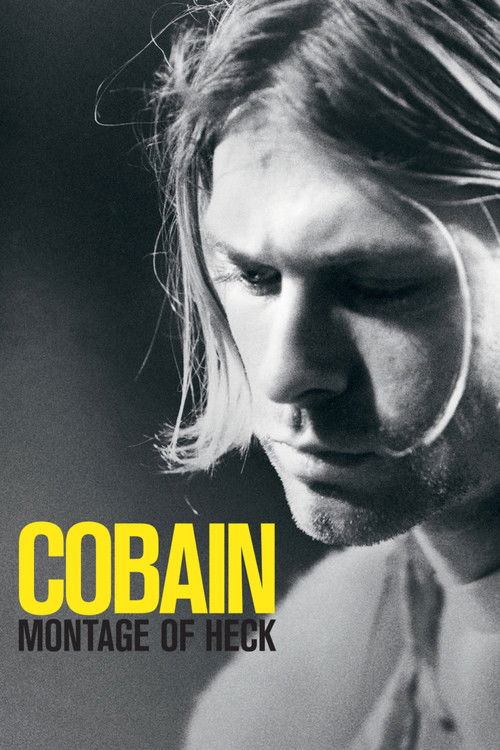
Cobain: Montage of Heck2015
A portrait of an artist built from fragments—home videos, animation, interviews—that captures the texture of a life rather than the mythology. Intensely personal while exploring what fame does to a place and person.
But Relentlessly bleak. Knowing how it ends makes the joy in early footage almost harder to watch.
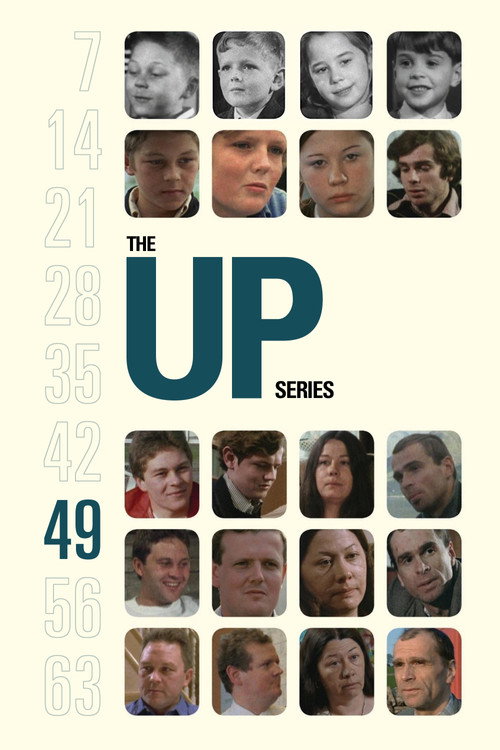
49 Up2006
Began as a single documentary following British seven-year-olds; the director has revisited them every seven years for sixty years. It's the ultimate portrait of how people and places change, failure and success, roots and distance.
But The sheer commitment required is daunting. You're signing up to watch hours across a lifetime. The earliest entries are dated in approach.
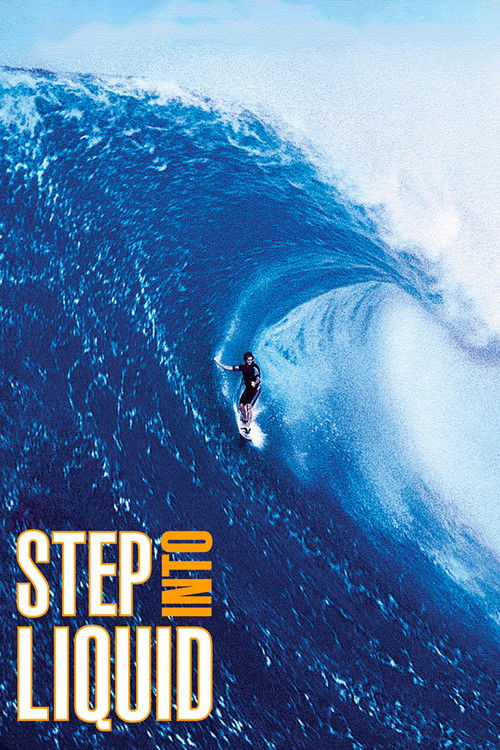
Step Into Liquid2003
A surf documentary that's really about community, geography, and belonging. It captures how place shapes identity in ways that feel both specific and universal.
But If you don't care about surfing, the sport itself might feel like a barrier to entry, even though the film isn't really about technique.
Stalker1979
Both treat a specific geography as a spiritual anchor. Both suggest that returning home is less about place than about confronting your own transformation.
Tarkovsky's three-hour meditation on desire, pilgrimage, and the nature of place. A guide leads two men through a mysterious zone toward a room that might grant wishes. It's philosophical science fiction that's really about how places hold meaning and memory. In its own way, Pittsburgh is Kurlander's Zone.
But Extremely slow, philosophically dense, and almost entirely without plot. Long stretches with minimal dialogue. Only for viewers willing to surrender to atmosphere and mood.

Chris D'Elia: Man on Fire2017
Same essential story as Kurlander's film—return and dislocation—but told through stand-up rather than documentary, which gives it a different emotional permission and urgency.
A stand-up special masquerading as a narrative—the comedian tells the story of moving back to his hometown and realizing he no longer belongs there. It's comic and tragic at once, and oddly philosophical about how you can't go home because home is unmade the moment you leave it.
But It's a comedy special, which might feel like the wrong register for what you're in the mood for. The premise is deceptively simple and might seem trivial.

People
Cast
- Carl KurlanderSelf
 Joanne RogersSelf
 Louie AndersonSelf
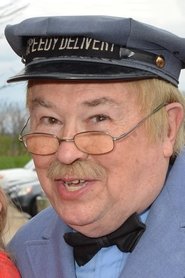 David NewellSelf
 Jenji KohanSelf
Directing
- Carl KurlanderDirector