
Film
The Awful Truth
Other titles called The Awful Truth: the 1937 film.
A gleefully cynical 1929 comedy about a wealthy couple whose suspicions of each other's affairs spiral into an elaborate game of deception and revenge. Ina Claire and Henry Daniell spar with acidic wit as Lucy and Norman Warriner navigate the social humiliation of divorce. It's brittle, sophisticated, nasty in the best way—proof that silents and early talkies could be as cutting as anything written today.
Should you watch it?
Watch it if you enjoy brittle, backbiting comedy of marriage, where the bickering couple is more dangerous to each other than any outsider, and you like your wit delivered with a straight face.
Skip it if you need your screen comedy fast and polished, since this early sound picture has stiff staging, creaky dialogue delivery and a slower rhythm than modern farce.
What it asks of you: Eighty minutes of close attention to talk, with little physical business to lean on; the jokes live in the exchanges, so you have to keep listening to who is deceiving whom.
Not sure? Find tonight's pick in a minute.
If you liked this
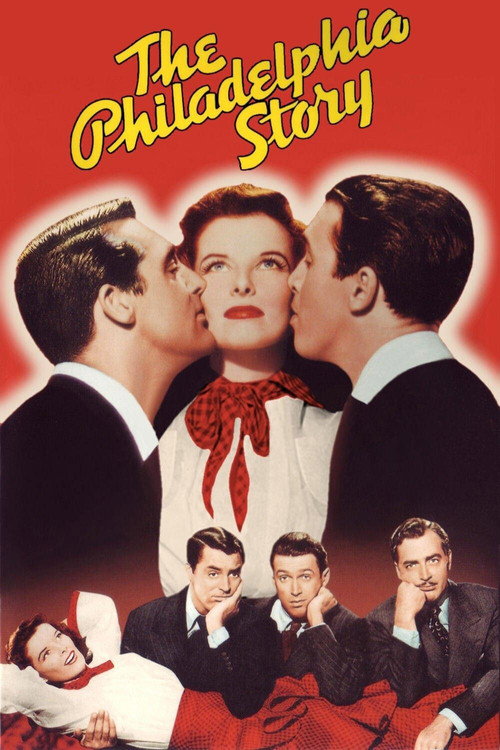
The Philadelphia Story1940
Screwball comedy about marriage, divorce, and second chances, with Cary Grant and Katharine Hepburn at peak charm. Sharp dialogue, physical comedy, and genuine heart underneath the sophistication.
But The tone pivots toward sentimentality in the final act, which undercuts the edge some viewers come for.
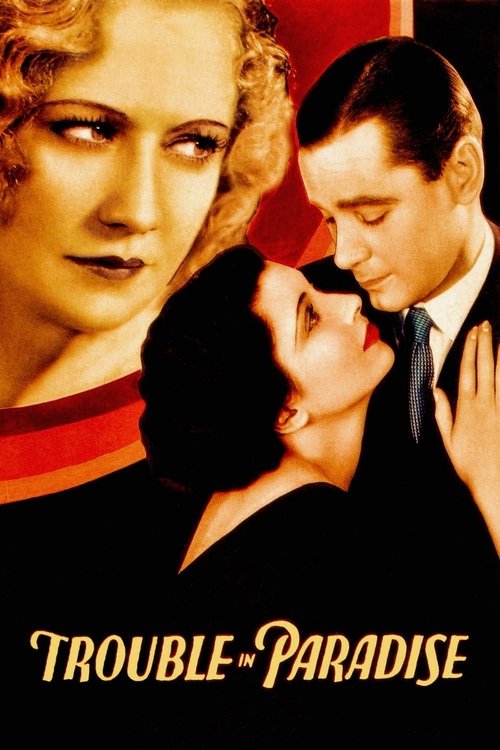
Trouble in Paradise1932
Lubitsch's masterpiece about con artists and infidelity, equally cynical and graceful. The sophistication and visual wit make it feel more modern than films made forty years later.
But The plot relies on deception stacked on deception, which can feel impenetrable if you're not tracking every beat.
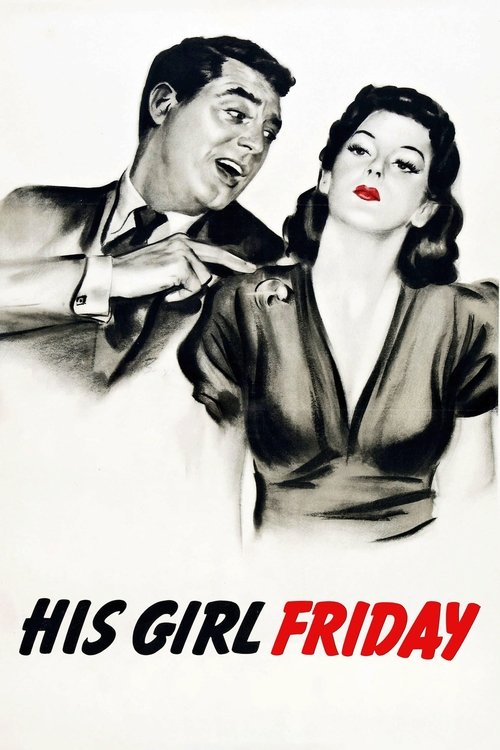
His Girl Friday1940
Newspaper screwball with Cary Grant and Rosalind Russell trading barbs at machine-gun speed. The dialogue is genuinely funny and the rhythm is intoxicating—watch it twice to catch what you missed.
But The fast overlapping dialogue can be exhausting, and it runs on pure speed rather than plot substance.
Not sure tonight? Get a pick in a minute, starting from The Awful Truth
The wildcard
Something you would not have found on your own.
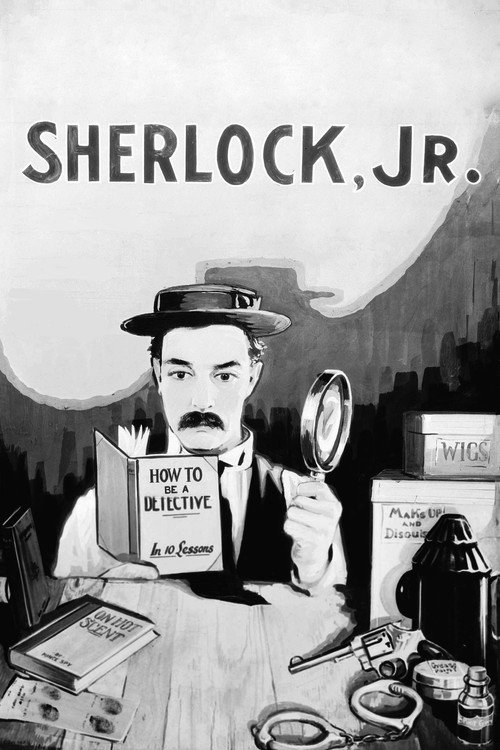
Sherlock Jr.1924
Both are about deception as a kind of performance, and both suggest that the self we present might be more real than the self we think we're hiding.
Buster Keaton as a projectionist who dreams himself into a film. It's about performance, illusion, and the gap between who we are and who we pretend to be—the same DNA as The Awful Truth but expressed through surreal physical comedy instead of dialogue.
But It's a silent film made five years earlier, so no witty repartee, only Keaton's face and the editing. Some find silents emotionally distant.
More like this (8)
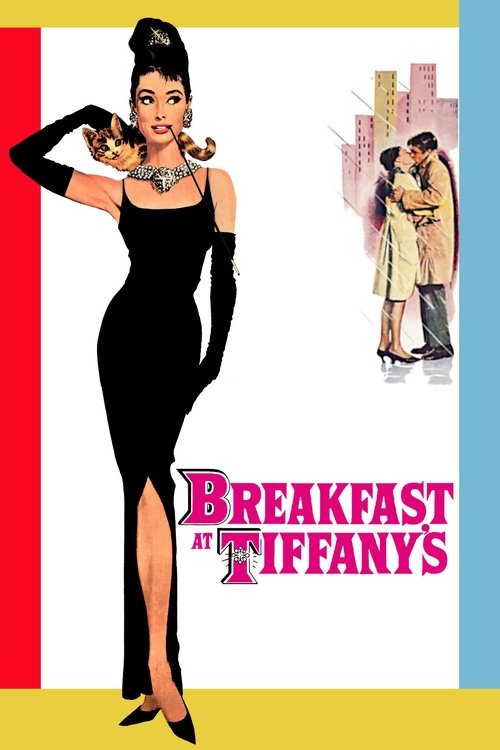
Breakfast at Tiffany's1961
Audrey Hepburn as a woman playing house with a man she may or may not love. Lighter than The Awful Truth but with the same edge about marriage as performance and self-deception.
But The ending is sentimental in a way that older divorce comedies deliberately avoided.
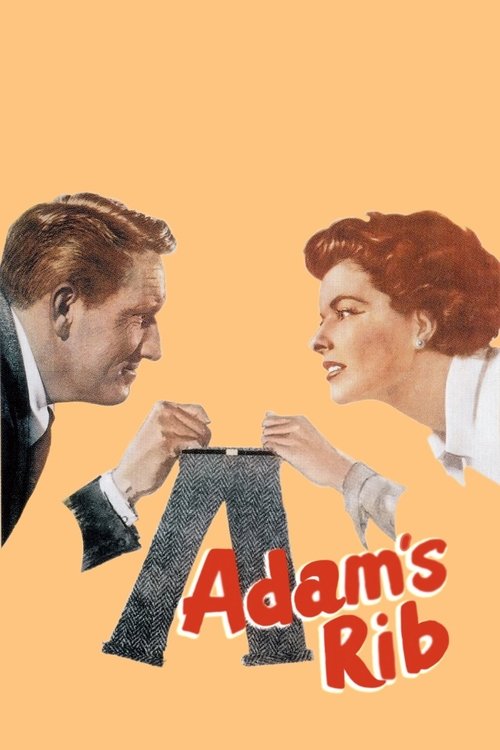
Adam's Rib1949
Katharine Hepburn and Spencer Tracy as married lawyers on opposite sides of a trial. It thinks hard about marriage and gender while being genuinely funny and touching.
But The sexual politics are complicated in ways that don't always land cleanly, even now.
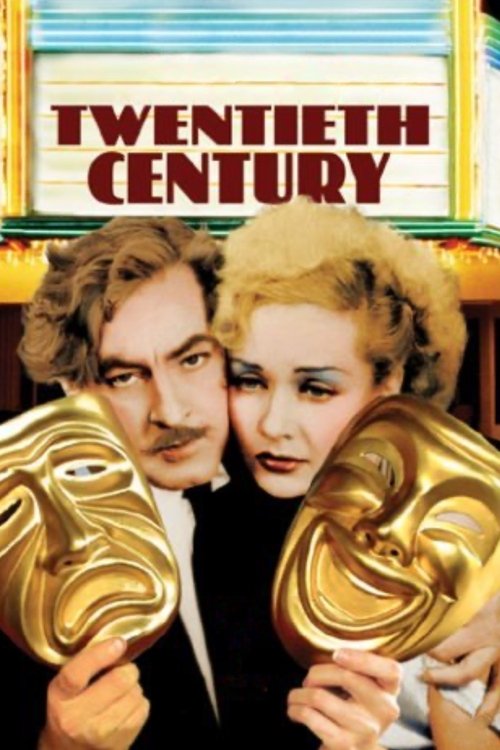
Twentieth Century1934
John Barrymore and Carole Lombard as exes who reunite on a train. Pure theatrical chaos masquerading as comedy—unhinged in the best way and constantly surprising.
But It's so relentlessly performative that character sometimes disappears entirely under the theatrics.
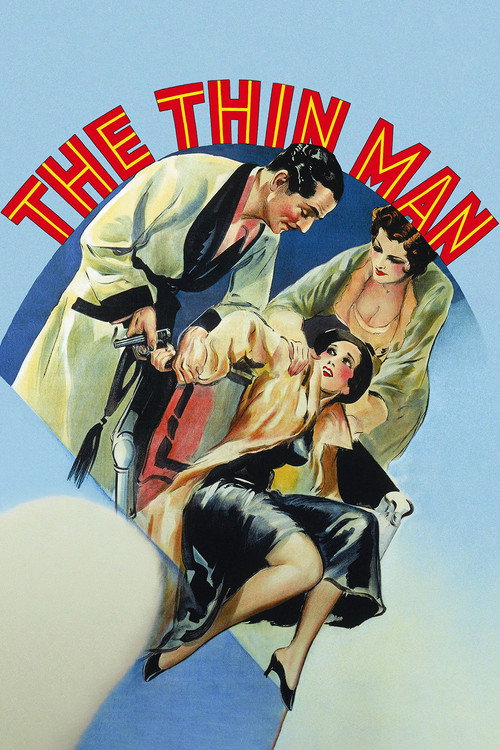
The Thin Man1934
William Powell and Myrna Loy as a married couple who solve a murder together. They're sexy, drunk, funny, and actually like each other—a different take on marriage comedy.
But The actual mystery plot is thin and occasionally boring, which is not the point but might frustrate you anyway.
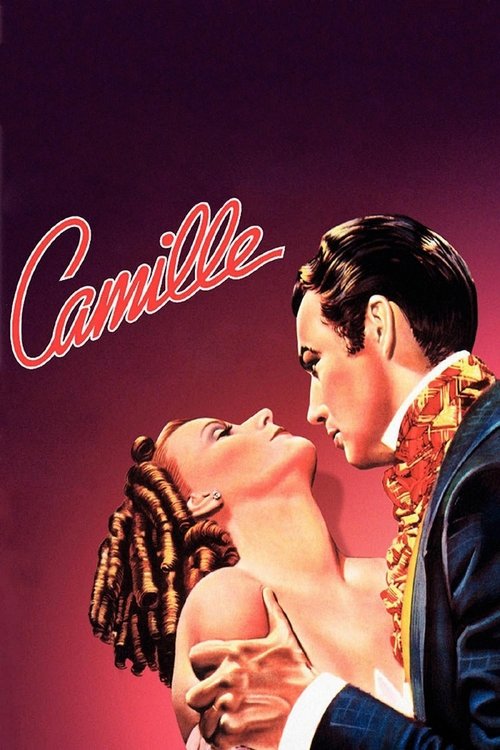
Camille1936
Greta Garbo in the tragic variation on the marriage-and-infidelity theme. A reminder that the emotional weight underneath these stories could be profound.
But It's genuinely sad, which is a tonal break from where this list has been living.
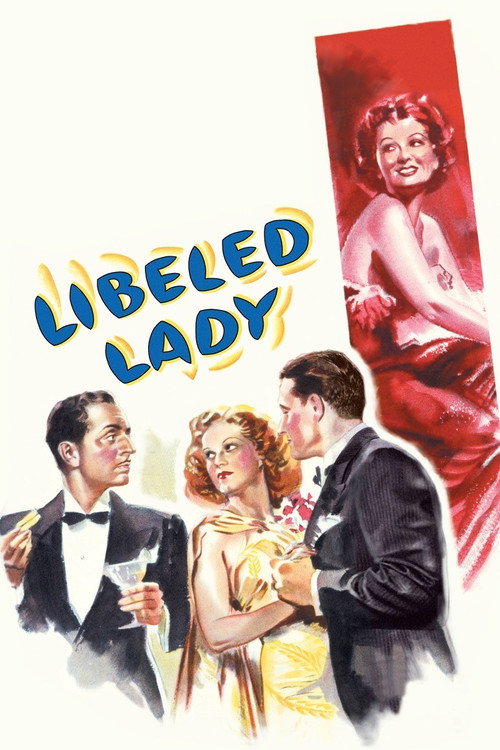
Libeled Lady1936
William Powell, Jean Harlow, Spencer Tracy, and Myrna Loy in a newspaper comedy about fake marriages and real feelings. Technically sophisticated and endlessly charming.
But The plot is gossamer-thin and sometimes feels like an excuse to let actors riff rather than tell a story.
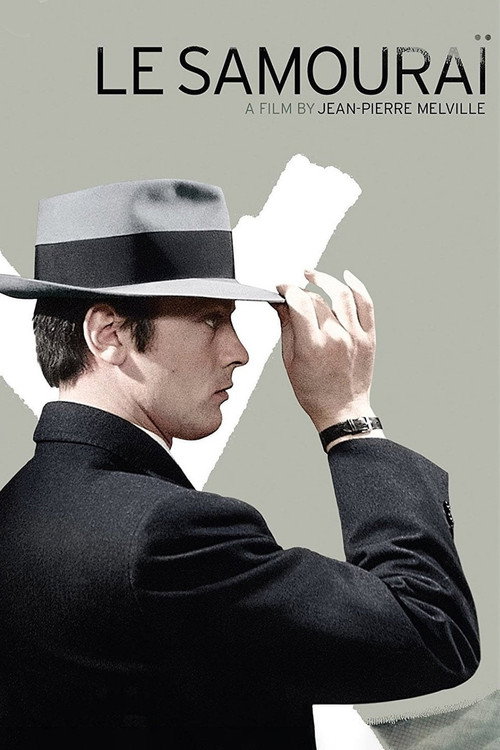
Le Samouraï1967
Both films understand that the masks we wear become us, and that social structures leave no room for sincerity. One finds that hilarious, one finds it tragic.
Alain Delon as a Tokyo hitman in a film of pure style and existential loneliness. It sounds nothing like a 1929 comedy, but it's built on the same architecture: a protagonist maintaining an elaborate false front while the machinery of society closes in.
But It's slow, bleak, and entirely serious—glacially paced and visually meditative rather than funny or warm.
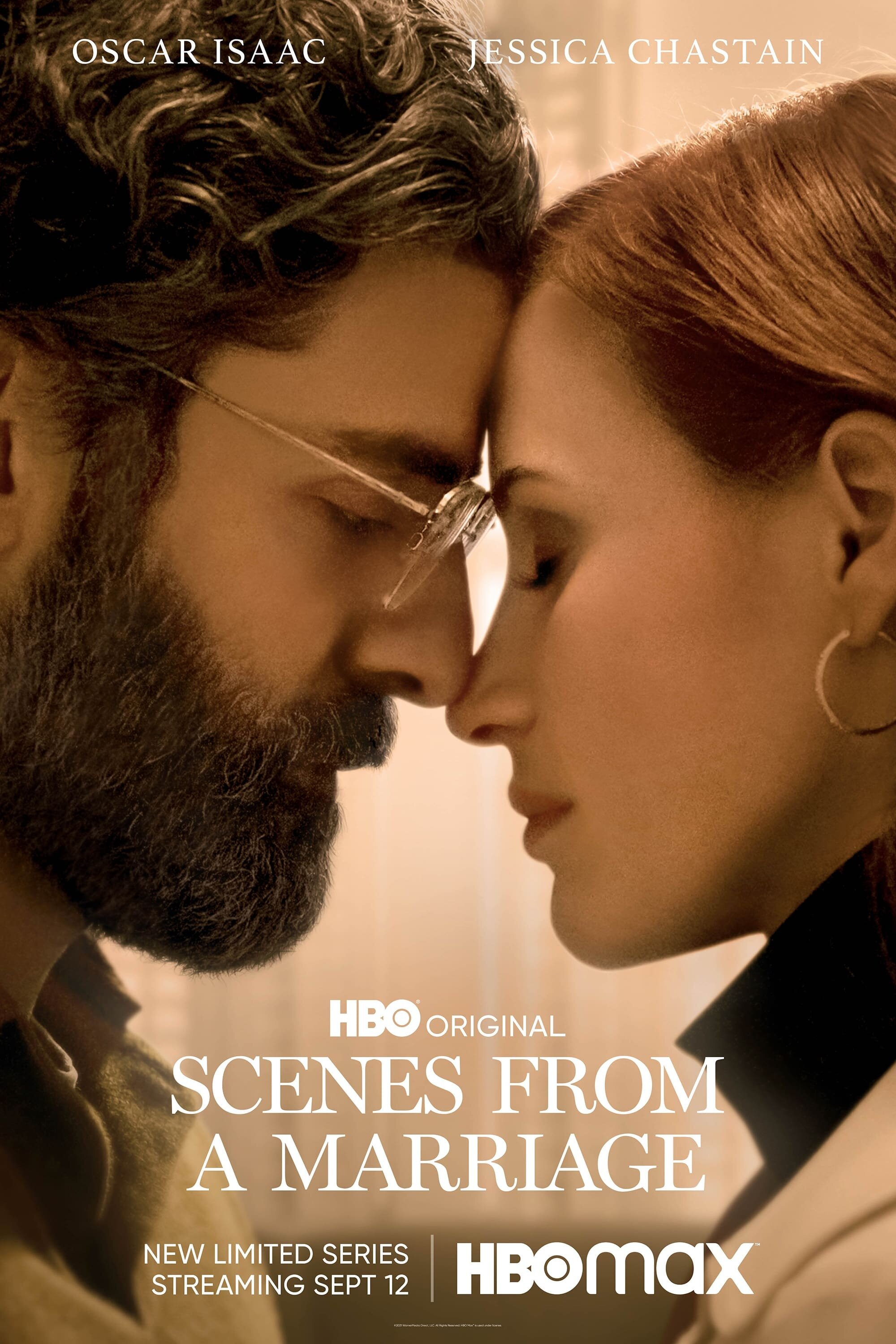
Scenes from a Marriage2021
Both examine the gap between the version of marriage we perform in public and what actually happens behind closed doors. Where The Awful Truth laughs, Bergman makes you wince.
Ingmar Bergman's six-part miniseries about a marriage in collapse, starting with cocktails and ending with existential devastation. If The Awful Truth is marriage as farce, this is marriage as tragedy—same events, opposite emotional poles.
But It's grueling and intimate in ways that feel like eavesdropping. Watching infidelity and resentment treated this seriously might feel like the opposite of fun.
People
Cast
 Ina ClaireLucy Warriner
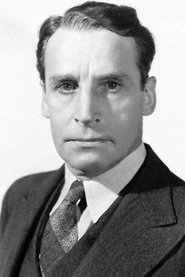 Henry DaniellNorman Warriner
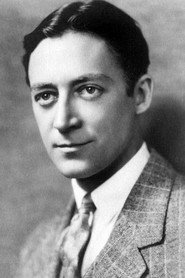 Theodore von EltzEdgar Trent
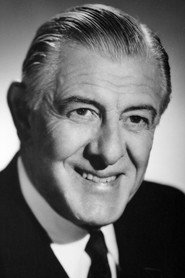 Paul HarveyDan Leeson
 Blanche FridericiMrs. Leeson
 Judith VosselliJosephine Trent
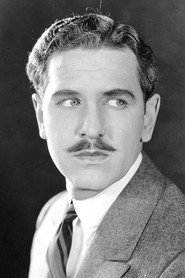 John RocheJimmy Kempster
Directing
- Marshall NeilanDirector
Writing
- Arthur RichmanTheatre Play
- Arthur RichmanWriter
- Horace JacksonWriter