
Film
The Hollywood Revue of 1929
- Musical
- Light-hearted
MGM's massive 1929 revue is a glittering time capsule: comedy sketches, musical numbers, and vaudeville acts starring the studio's biggest names. It's chaotic, rambling, and deeply weird by modern standards—part home movie, part vanity project—but genuinely captures the moment Hollywood discovered it could sing. For anyone curious about early sound cinema or cinema as pure spectacle over narrative.
If you liked this
Singin' in the Rain1952
The definitive film musical about the transition from silent to sound cinema. It has plot, character, and genuine emotion alongside the spectacle—everything the 1929 revue reaches for but misses.
But If you're after pure entertainment without backstage melodrama, the middle section drags. Some numbers outstay their welcome.

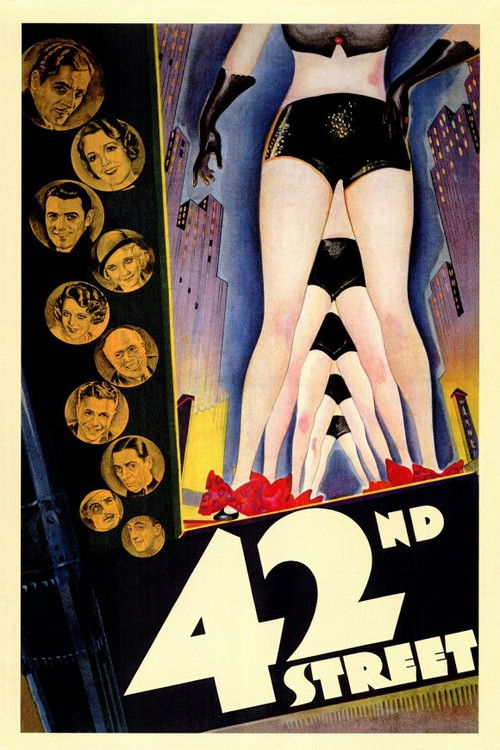
42nd Street1933
Another backstage revue with the same DNA but far tighter direction and editing. Depression-era gloss with Busby Berkeley's first kaleidoscopic dance sequences. Faster, more purposeful, and genuinely moving.
But The plot is thin and the sexism is bracing. If you want a film that exists for reasons beyond spectacle, look elsewhere.
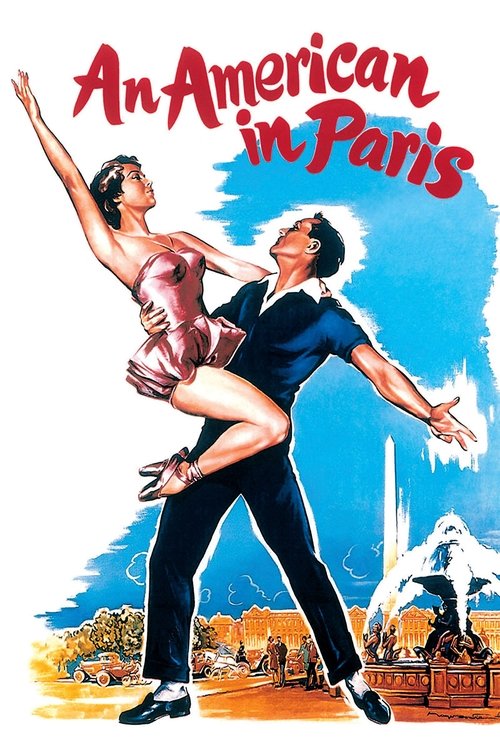
An American in Paris1951
A revue with heart: Gene Kelly, Leslie Caron, and Gershwin's score create something that feels like both a real film and a love letter to dance itself. The 20-minute finale is astonishing.
But It's romantic and earnest in ways that can feel saccharine if that's not your thing. Also quite long.
Not sure tonight? Get a pick in a minute, starting from The Hollywood Revue of 1929
The wildcard
Something you would not have found on your own.
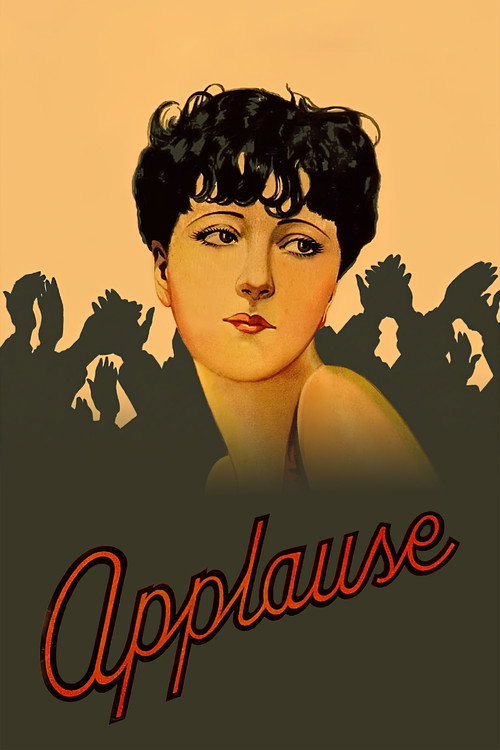
Applause1929
Both are early sound revues built around vaudeville acts, but Applause uses that structure to tell a story about decline and loss, inverting the celebration into elegy. It's what the Hollywood Revue could have been if MGM had wanted to break your heart.
Released the same year, this Paramount film follows a fading burlesque queen and her daughter with real pathos underneath the vaudeville numbers. Rouben Mamoulian's direction is deliberately experimental—tracking shots, multiple cameras, overlapping sound—and it treats the backstage world as tragic rather than merely glittering.
But The story is dark and unglamorous compared to MGM's fantasy. If you want escape, you'll find regret instead.
More like this (8)
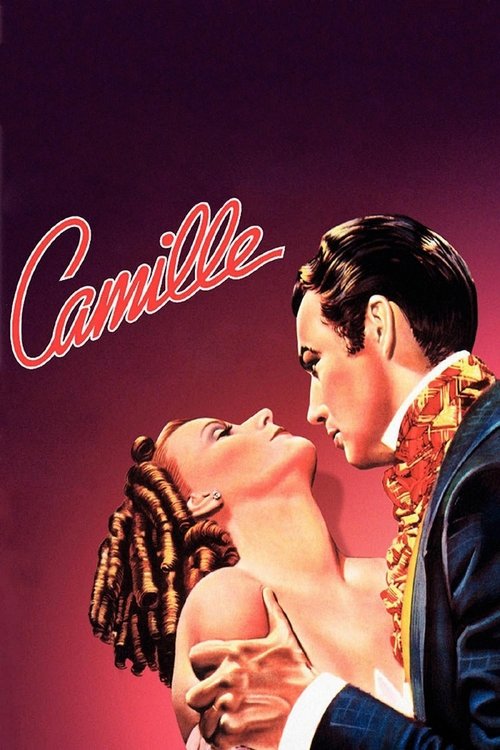
Camille1936
Greta Garbo at her most luminous in a story about beauty, desire, and sacrifice. It's melodrama, but executed with such care and cinematography that you feel it rather than roll your eyes.
But The pacing is glacial by modern standards. If you need plot momentum, you'll find it moving at the speed of Garbo's perfectly timed glances.
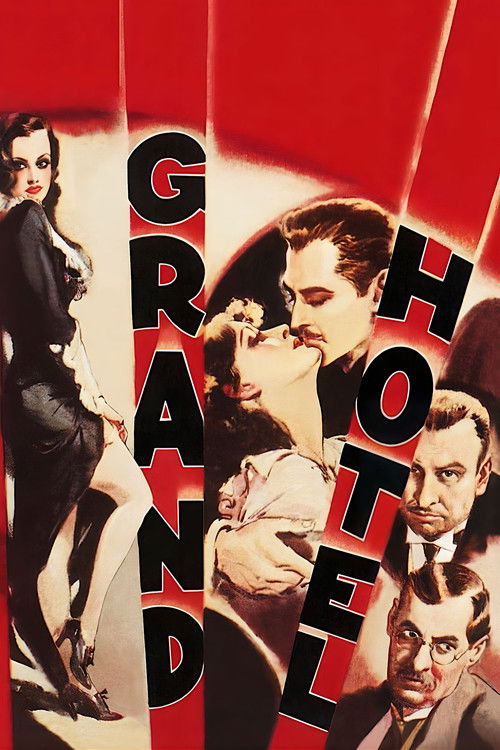
Grand Hotel1932
Greta Garbo, Joan Crawford, and the entire MGM roster collide in an interconnected story told in 24 hours. It's the studio system at peak confidence: bravura, glamorous, and genuinely compelling.
But The script juggles too many stories. You'll occasionally lose track of who is who and why they matter.
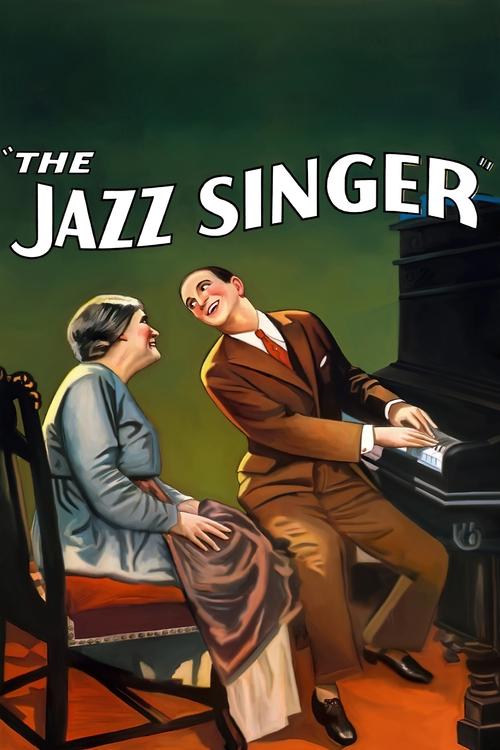
The Jazz Singer1927
The film that started the sound revolution—Al Jolson's performance is explosive, and you can feel cinema changing in real time. Essential historical viewing with genuine emotional weight.
But Jolson's dialect performance and the narrative's casual racism are deeply uncomfortable. Even as history, it stings.
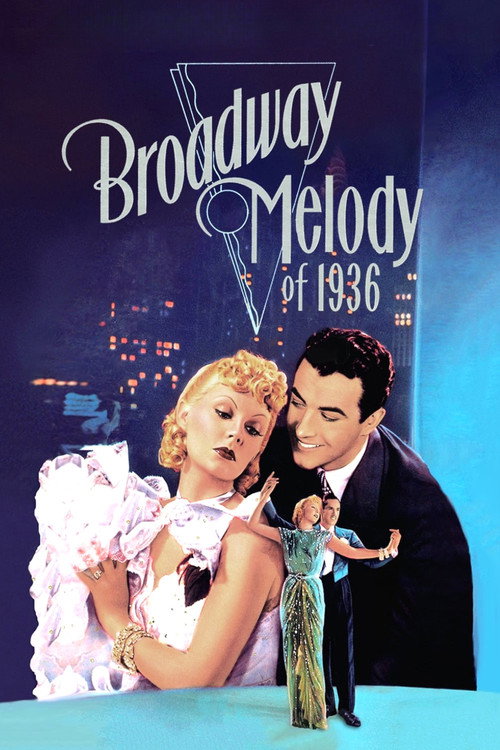
Broadway Melody of 19361935
Eleanor Powell's tap dancing is a religious experience, and the revue format here is leaner and livelier than the 1929 version. Early Technicolor glamour with actual sequences that build to something.
But The connecting plot is tissue-thin. You're really just watching acts, though phenomenal ones.
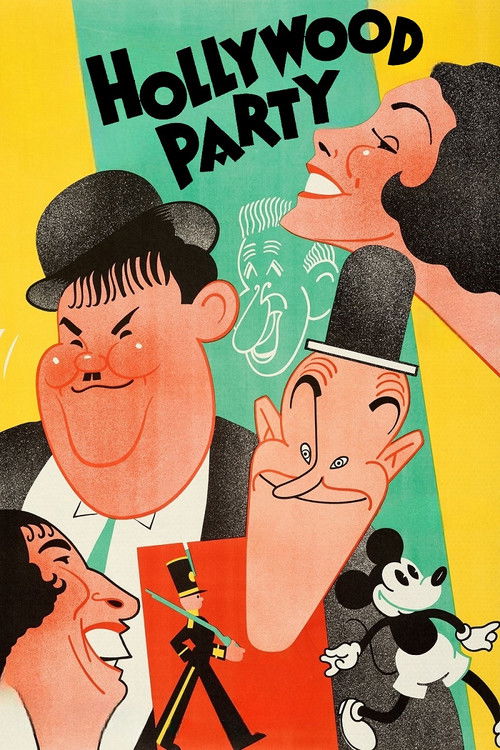
Hollywood Party1934
A wild, chaotic party film with multiple MGM acts and the charm of something slightly out of control. Includes an early color sequence and a sense of playful experimentation.
But It's messy and goes nowhere. If narrative coherence matters to you, this will frustrate rather than delight.
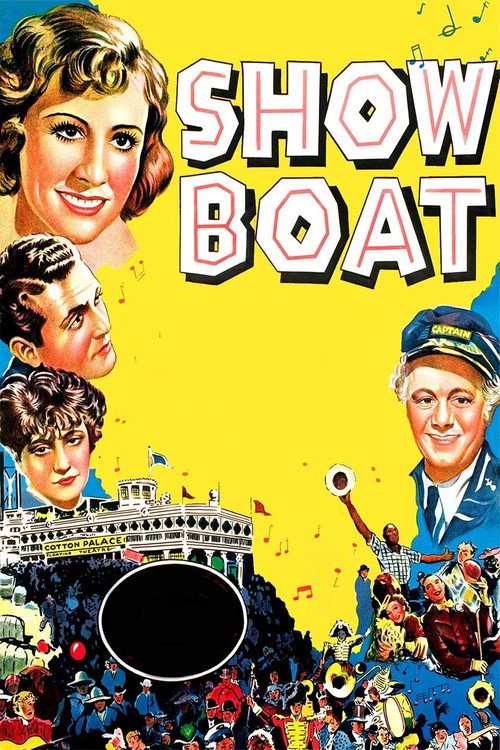
Show Boat1936
James Whale directs this operetta with real theatrical sweep. It has plot and character alongside music, and Irene Dunne's performance grounds the whole enterprise in genuine emotion.
But The racial politics are dated and offensive in ways that aren't subtle. The film doesn't interrogate them.
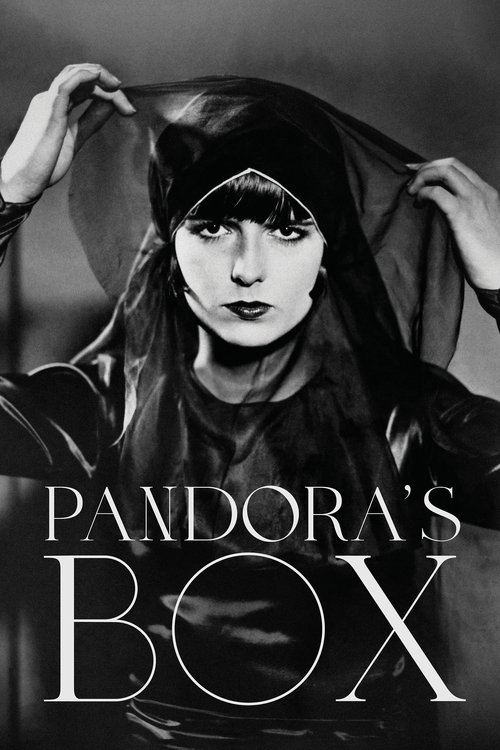
Pandora's Box1929
Both 1929 films explore the power of presence—the Revue through spectacle and celebrity, Pandora's Box through stillness and suggestion. One says everything; the other says it all without a sound. Together they capture what cinema was wrestling with at that moment.
G.W. Pabst's masterpiece, released the same year, is a silent film—no dialogue, no music—about desire, beauty, and destruction. Louise Brooks is hypnotic. It's cinema at its most purely visual, which makes it a mirror to the Revue's opposite extreme.
But It's genuinely disturbing and deeply sexual in ways that will alienate if you're looking for family entertainment. Also, you have to read intertitles and actually watch rather than half-listen.
Merrily We Roll Along
Both use the revue format—discrete performances held together by spectacle or premise rather than plot—but Merrily weaponizes that form. Where the Hollywood Revue says 'look at all these wonderful people,' Sondheim says 'look how wonderful people destroy each other.' It's the revue grown up and heartbroken.
Stephen Sondheim's musical told backwards—each scene is one year earlier than the last—so you watch friendship dissolve into its separate components. It's a revue's energy redirected into genuine tragedy. The songs are masterpieces and the structure makes you *feel* time's arrow.
But It's a cult film with a limited original run and a reputation for being difficult. The Sondheim music is dense and won't give you melodies you hum. Also genuinely depressing.
People
Cast
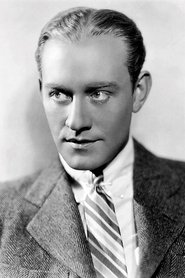 Conrad NagelSelf - Master of Ceremonies
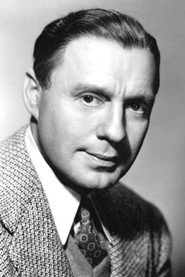 Jack BennySelf - Master of Ceremonies
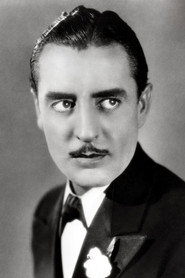 John GilbertSelf / Romeo
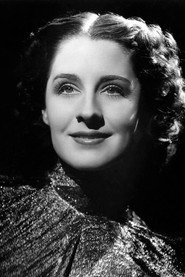 Norma ShearerSelf / Juliet
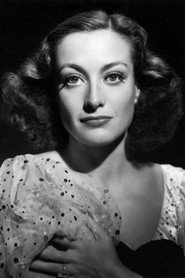 Joan CrawfordSelf
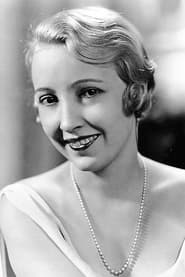 Bessie LoveSelf
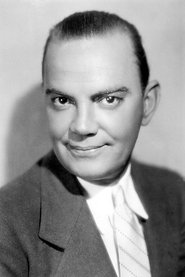 Cliff EdwardsSelf
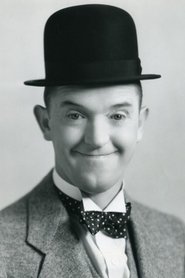 Stan LaurelSelf
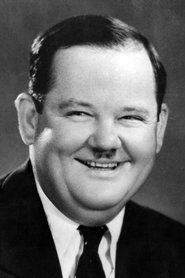 Oliver HardySelf
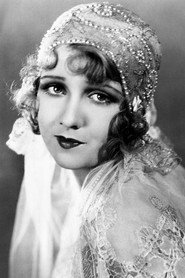 Anita PageSelf
- Lorayne BroxSelf - One of the Brox Sisters
- Bobbe BroxSelf - One of the Brox Sisters
Directing
- Charles ReisnerDirector
Writing
- Al BoasbergDialogue
- Robert E. HopkinsDialogue
- Arthur FreedLyricist
- Joe GoodwinLyricist
- Joseph FarnhamWriter
Production
- Harry RapfProducer
- Irving ThalbergProducer