
Film
Divided Heaven
A young East German woman recovers from a breakdown in 1961, recalling her love for an older chemist whose disillusionment drove him west before the Wall sealed the border. Lyrical and sorrowful, it captures the intimate damage of Cold War division—not through spectacle, but through the quiet rupture of a single relationship. A meditation on choice, sacrifice, and the impossible geometry of loving someone on the wrong side of history.
If you liked this
The Lives of Others2006
A masterpiece about surveillance, guilt, and quiet resistance in East Germany. It shares Divided Heaven's moral complexity and its belief that intimate human connection matters more than state ideology.
But Bleak and slow-moving, with long stretches of watching people watch each other. Not a thriller despite its setup.

Bitter Lake2015
A four-hour essay-film that examines Cold War geopolitics through intimate human stories. It has Divided Heaven's patience and its conviction that personal experience illuminates history.
But Experimental and digressive. Demands active engagement. No conventional narrative shape to hang onto.
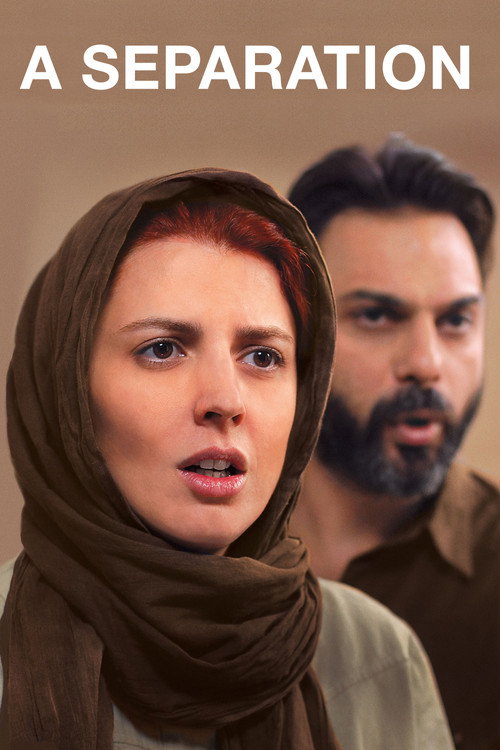
A Separation2011
A marriage fractures under political and economic pressure, each partner trapped by circumstances larger than their choice. The moral ambiguity rivals Divided Heaven's refusal of easy answers.
But Iranian setting and contemporary politics may feel distant, but the emotional landscape is universal—which some find devastating rather than cathartic.
Not sure tonight? Get a pick in a minute, starting from Divided Heaven
The wildcard
Something you would not have found on your own.
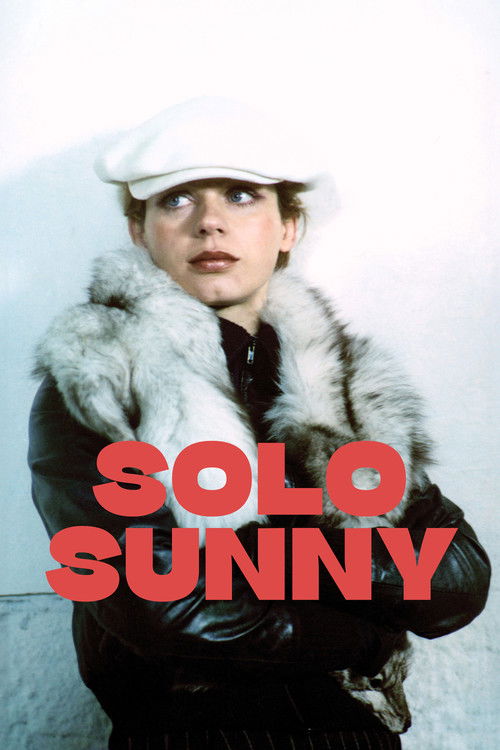
Solo Sunny1980
Both are DEFA films that dramatize how political division and state apparatus destroy intimate relationships from the inside. Same country, same decade, same heartbreak with different music.
A female East German jazz singer navigates love, ambition, and state control in the GDR. Made by the same studio (DEFA) and era, it shares Divided Heaven's setting and the same rueful understanding that the system allows no good choices.
But Tone is lighter, almost comedic at times. If you wanted Divided Heaven's gravity throughout, this will feel occasionally frivolous.
More like this (8)
The Farewell2019
Family bonds tested by geography and ideology, with the same tender ache. A woman caught between two worlds, unable to choose without loss. Beautifully observed.
But More hopeful than Divided Heaven, which some may find dishonest. Lighter in tone, so it lacks the film's quiet devastation.

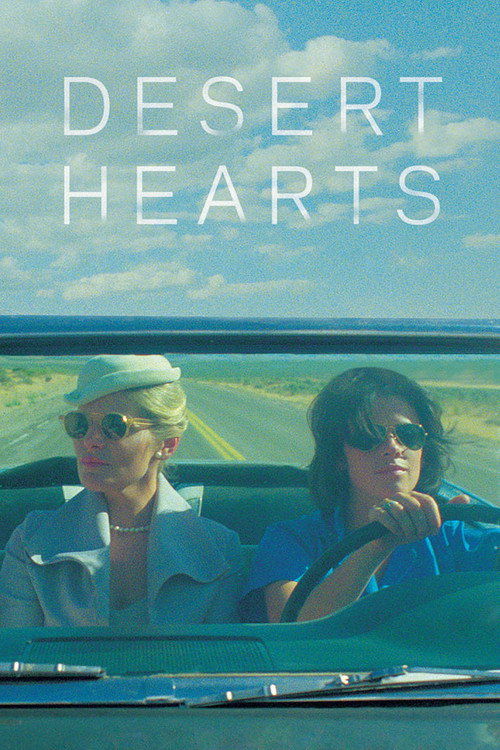
Desert Hearts1985
A love affair that cannot exist in the world as it is, starring a woman making a terrible and necessary choice. The cinematography echoes Divided Heaven's visual poetry.
But Explicitly queer, which is precisely its honesty—but if you're looking for Divided Heaven's heterosexual melancholy specifically, this is a different register.
Woman in the Dunes1964
Made the same year, equally hypnotic. A man trapped by circumstance and choice, unable to leave though he desperately wants to. Existential and sensual at once.
But Japanese, abstract, and more formally experimental. The philosophical weight may feel distant from Divided Heaven's emotional specificity.

Come and See1985
A Soviet masterpiece about innocence destroyed by history. Like Divided Heaven, it believes that personal devastation is how we understand collective trauma.
But Genuinely horrifying. Not a film you watch for pleasure, but for necessity. Much darker than Divided Heaven, without its moments of beauty.

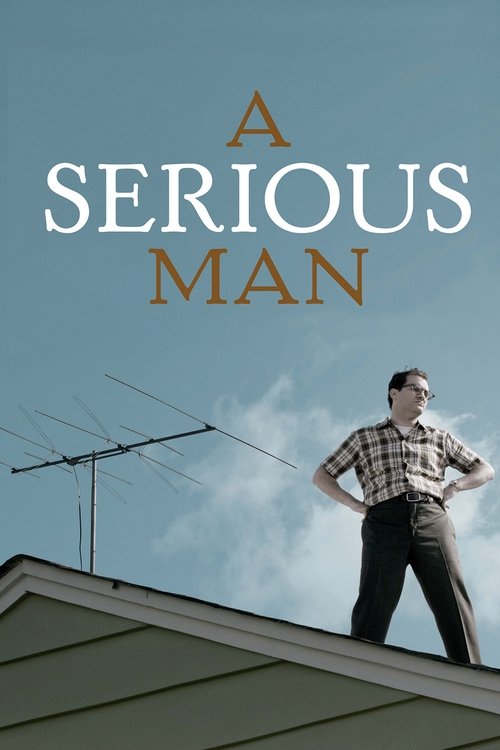
A Serious Man2009
A man's world collapses in ways he cannot control or fully understand. The Coens capture something of Divided Heaven's conviction that sometimes there is no right answer.
But Comic and absurdist where Divided Heaven is elegiac. Different emotional frequency entirely, which can feel glib if you're seeking the film's register.
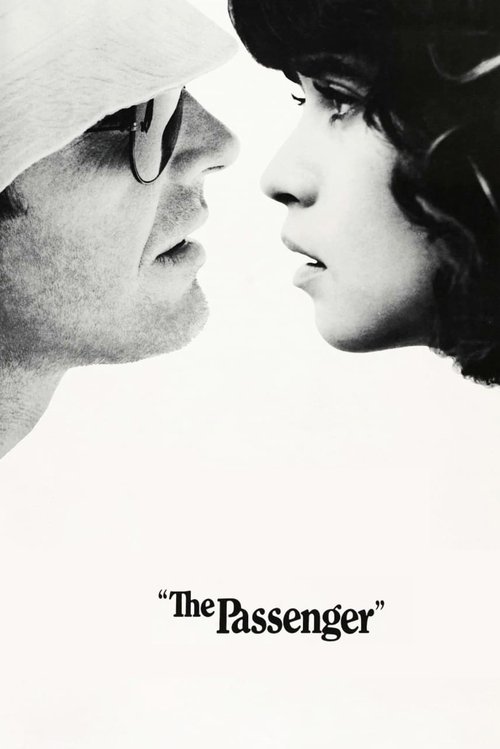
The Passenger1975
Identity, choice, and the impossibility of escape. Antonioni's most philosophical film about a man undone by his own decisions and the world's indifference.
But Very slow, very European. Requires patience and rewards it, but some will find it remote and abstract.
Brief Encounter1945
Both films believe that the true tragedy is not that love ends, but that it must end—and that recognizing this is the worst wisdom anyone can gain.
A British masterpiece about two married people who fall in love and cannot act on it. The same architecture of desire meeting circumstance meeting duty. Achingly beautiful.
But Nineteen years older, British, and infinitely more restrained. No politics, no Wall—just British propriety as the prison. Seems quaint until it breaks your heart.

Tokyo Story1953
Both are quiet films about separation—not grand historical separation, but the smaller, crueller one that happens inside families and inside the self. Both trust the viewer to feel loss without being told it matters.
An elderly couple visit their son in Tokyo and discover he has become someone they don't recognize. Time, distance, and the impossibility of return. Ozu's camera is patient enough to let grief happen slowly.
But Japanese, sixty years old, and moves at a pace that requires surrender. No plot, only observation. Some will experience this as boring rather than profound.

People
Cast
 Lissy TempelhofNarrator
- Werner EberleinNarrator
 Renate BlumeRita Seidel
 Eberhard EscheManfred Herrfurth
 Hans Hardt-HardtloffRolf Meternagel
 Hilmar ThateWendland
 Martin FlörchingerHerr Herrfurth
 Erika PelikowskyFrau Herrfurth
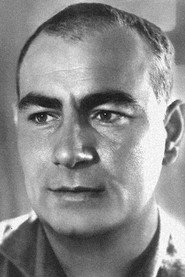 Günter GrabbertErnst Schwarzenbach
- Agnes KrausFrau Meternagel
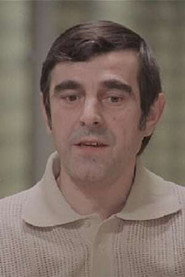
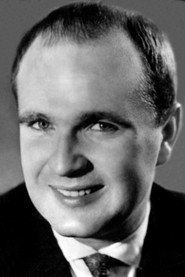 Paul BerndtMelcher
Directing
- Kurt BarthelAssistant Director
- Konrad WolfDirector
Writing
- Christa WolfNovel
- Christa WolfScreenplay
- Gerhard WolfScreenplay
- Konrad WolfScreenplay
- Kurt BarthelScreenplay
- Willi BrücknerScreenplay
- Willi BrücknerScript Editor
Production
- Hans-Joachim FunkProduction Manager