
Film
Balzac and the Little Chinese Seamstress
A tender coming-of-age romance set during China's Cultural Revolution, where two educated youths exiled to a remote village find solace and transformation through forbidden French literature and an unlikely love triangle. Dai Sijie's film is visually lyrical, intellectually curious, and movingly about how stories save us—about desire, class, and the price of awakening.
If you liked this
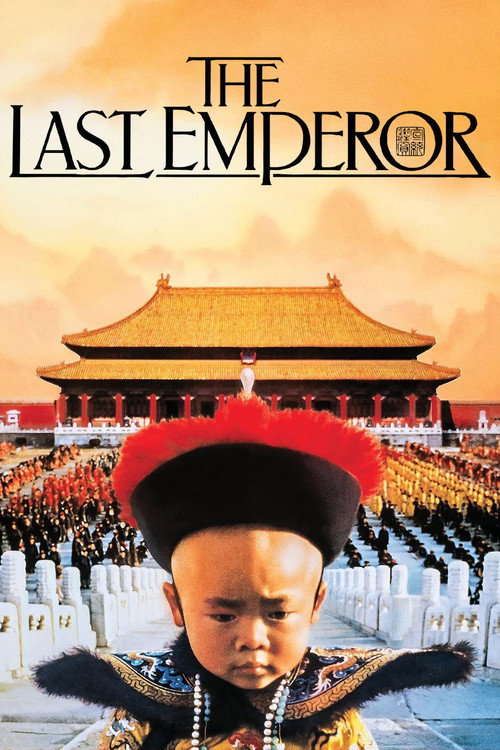
The Last Emperor1987
Epic sweep across Chinese history with visual majesty and intimate human moments. Bernardo Bertolucci captures how political upheaval destroys and remakes individual lives with the same operatic grace Sijie brings to his story.
But Nearly three and a half hours long and heavy with symbolism; some find its pacing glacial and its romanticism about the past troubling.
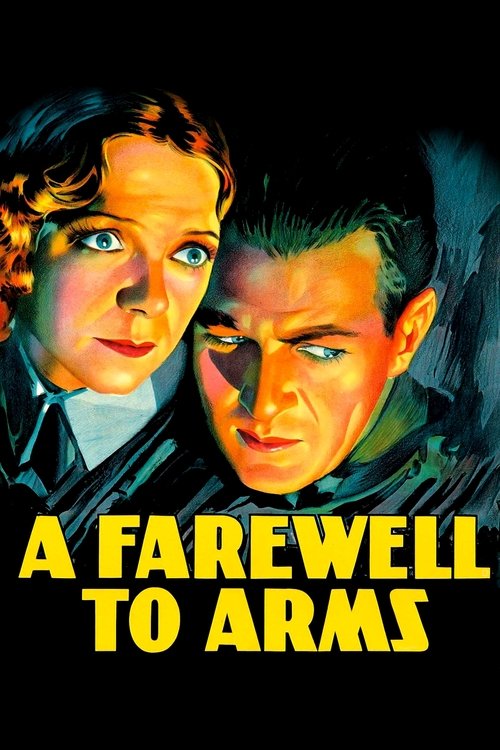
A Farewell to Arms1932
Another film where forbidden love blooms amid historical catastrophe and forbidden books matter. The emotional architecture—young people grasping for beauty in wartime—mirrors this film's central ache beautifully.
But Very much a 1930s Hollywood production; the Italian setting and period feel can seem theatrical and distant now.
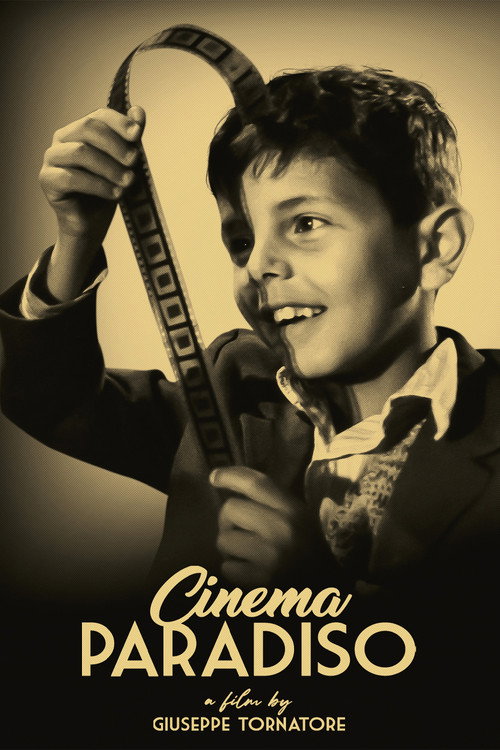
Cinema Paradiso1988
Also about exile, education through cinema instead of novels, and how art becomes a lifeline in a provincial world. The romance is secondary to a deeper story about mentorship and loss—similar emotional DNA.
But Deeply nostalgic and sentimental; if you resist being moved by cinema-about-cinema, this won't convince you otherwise.
Not sure tonight? Get a pick in a minute, starting from Balzac and the Little Chinese Seamstress
The wildcard
Something you would not have found on your own.
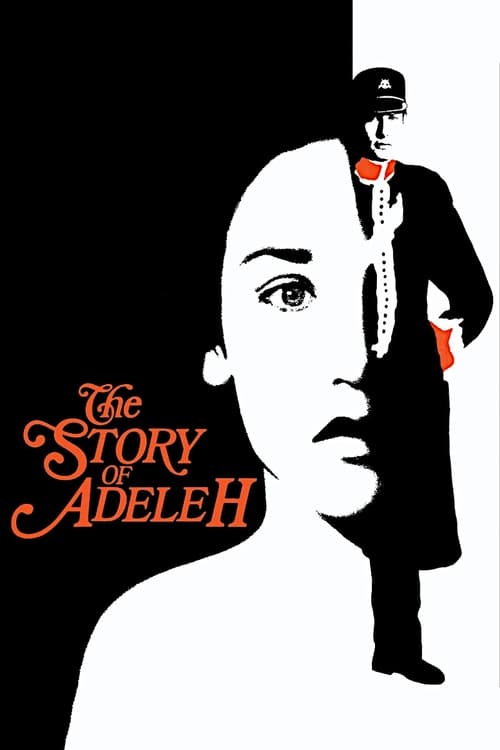
The Story of Adèle H.1975
Both are period pieces about young people undone by desire they cannot control or satisfy, and both directors trust visual poetry over plot mechanics to convey emotional truth.
François Truffaut's film about obsessive love and forbidden desire, told with lyrical melancholy. Like Sijie's work, it understands that passion—especially doomed passion—is its own narrative engine and can justify a life or destroy one.
But Emotionally exhausting; Adèle's deterioration is relentless, and the film offers no catharsis or relief.
More like this (8)
Mulholland Drive2001
Like this film, it's about the transformative power of stories and desire, told with dreamlike visual precision. The mystery and yearning share an uncanny kinship.
But Abstract, non-linear, deliberately confusing; if you want plot clarity and resolution, you'll leave frustrated.

In the Mood for Love2000
Wong Kar-wai's ravishing meditation on longing and restraint in 1960s Hong Kong. The visual composition rivals Sijie's, and both films understand that what's unsaid burns hotter than what's consummated.
But Deliberately paced to frustrate; the narrative is secondary to mood and image. Some find it boring rather than hypnotic.

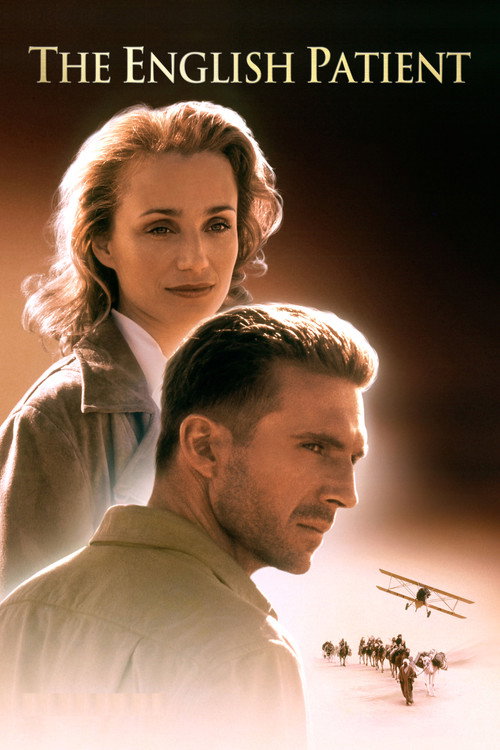
The English Patient1996
War, exile, forbidden love, and the salvage of beauty amid destruction. Epic in scope but intimate in feeling, with the same sense that passion and art are resistance against historical violence.
But Nearly three hours of melodrama; its earnestness invites eye-rolling, and the frame story can feel intrusive.
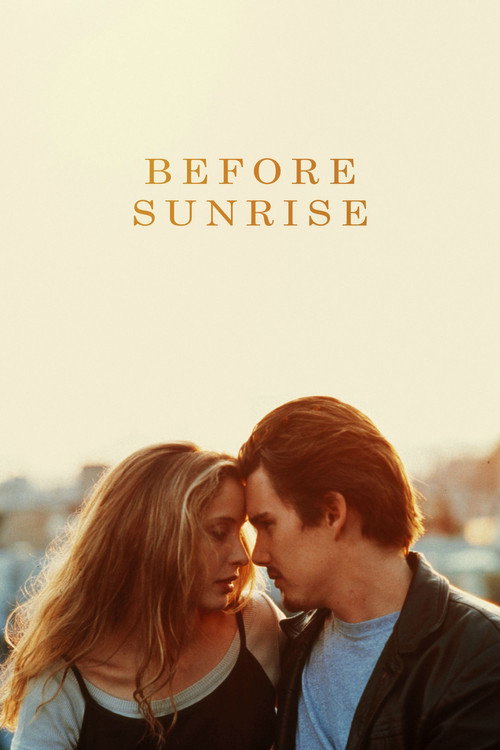
Before Sunrise1995
Two young people, one night, talking about literature and desire in a foreign place. The focus on conversation and intellectual connection—what the novels unlock in Sijie's characters—mirrors this entirely.
But Essentially one long conversation with minimal plot; if you need incident, you'll find it tedious.
The Remains of the Day1993
Class difference, repressed emotion, a lifetime of missed connection, and the quiet devastation of duty overriding desire. The Merchant-Ivory restrain echoes Sijie's understanding of how much power lives in what remains unsaid.
But Glacially paced and emotionally buttoned-up; the payoff is a glance, not a catharsis.

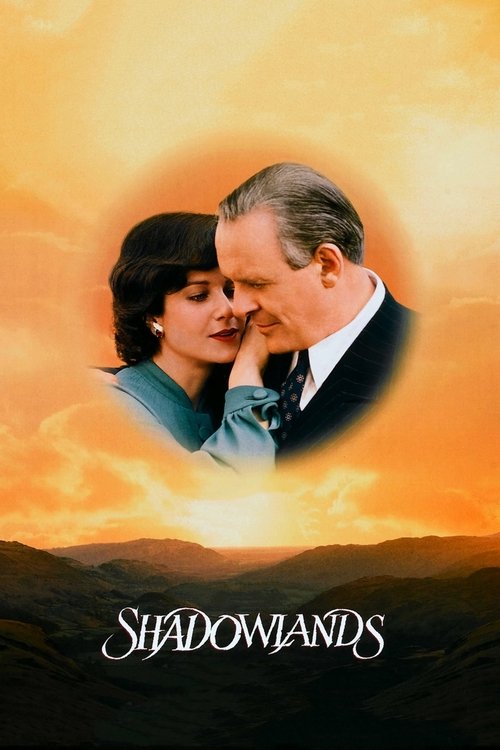
Shadowlands1993
Late-life romance disrupted by loss, set against intellectual and literary worlds. The film asks what books and love owe each other—thematically aligned, if in a different key.
But Sentimental and Christian-inflected in ways that can feel heavy-handed; the grief is somewhat managed rather than raw.
Stalker1979
Both pose the same question differently: What does it mean to want something—knowledge, love, transcendence—enough to risk everything? Both answer with moral ambiguity rather than resolution.
Andrei Tarkovsky's science-fiction meditation on desire, forbidden knowledge, and whether enlightenment is worth the cost. Slow, hypnotic, and as intellectually curious about human yearning as Sijie's film, but from a Soviet and metaphysical angle.
But Three hours of philosophical dialogue and long takes in industrial landscapes; demands patience and active engagement rather than passive viewing.

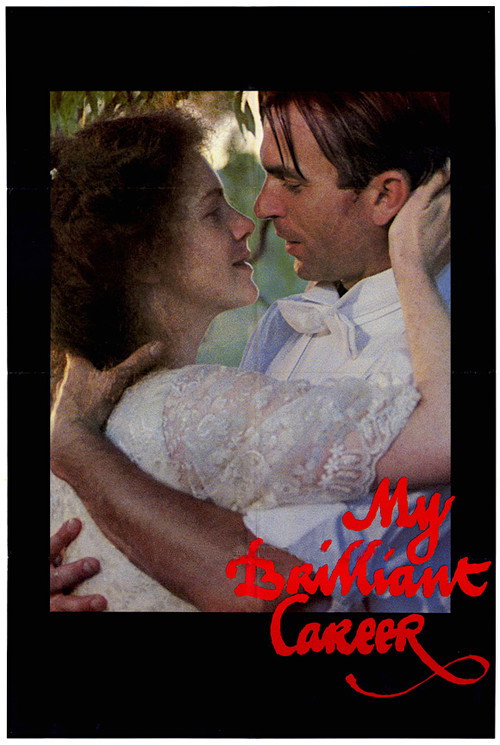
My Brilliant Career1979
Both explore how exile, education, and desire intersect, but where Sijie's lovers are trapped together, Armstrong's protagonist chooses solitude—a mirror and inversion that clarifies what each film thinks freedom actually costs.
Gillian Armstrong's Australian film about a young woman choosing art and independence over love and security in a provincial world. Same cultural-revolution-era energy—repression, awakening, the individual against history—but from the woman's perspective, and with no romantic resolution.
But Period piece with a feminist agenda that can feel didactic; the heroine's choice, however brave, leaves viewers wanting the romance anyway.
People
Cast
 Zhou XunLittle Seamstress
 Chen KunLuo Min
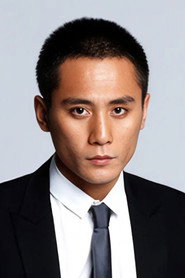 Liu YeMa Jianling
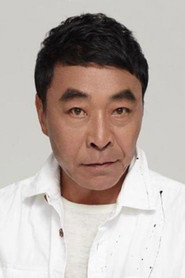 Wang ShuangbaoHead of the Village
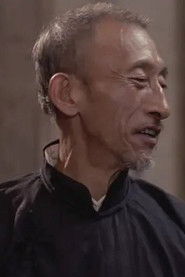 Cong ZhijunOld Tailor
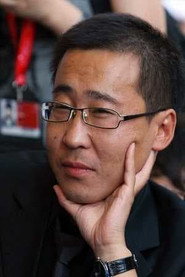 Wang HongweiFour Eyes
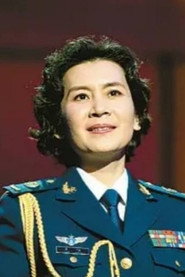 Xiao XiongMother of Four Eyes
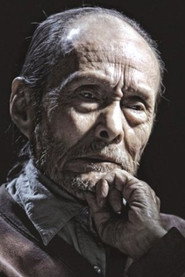 Zuohui TangOld Mill Worker
 Chen TianyuDirector of the Commune
- Qing-yun FanDoctor
- Jie MinPeasant
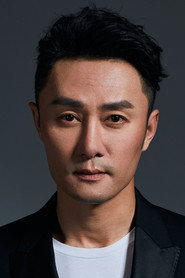 Zhang ChenghePeasant
Directing
- Dai SijieDirector
Writing
- Dai SijieNovel
- Dai SijieScreenplay
- Nadine PerrontScreenplay
Production
- Bernard LorainExecutive Producer
- Pujian WangExecutive Producer
- Wang ZhebinExecutive Producer
- Lise FayolleProducer