
Film
Afterimage
Andrzej Wajda's final film follows a Polish modernist painter refusing to bow to Soviet pressure after WWII. Bogusław Linda brings quiet fury to Strzemiński, whose defiance costs him everything. It's a austere, black-and-white study of artistic integrity under totalitarianism—less about plot than about the slow erasure of a man who won't erase himself.
Should you watch it?
Watch it if you like biopics where the drama comes from a stubborn artist refusing to bend, and you find a fight over aesthetics as gripping as a fight over fists.
Skip it if you need a lot of warmth or forward momentum, since its austere, deliberately withholding style keeps the emotional temperature low and many scenes feel like they are waiting for something to happen.
What it asks of you: Ninety-eight minutes of patient, measured scenes with little music or flourish, so it asks you to sit still and let the quiet compositions and tight close-ups do the talking.
Not sure? Find tonight's pick in a minute.
If you liked this
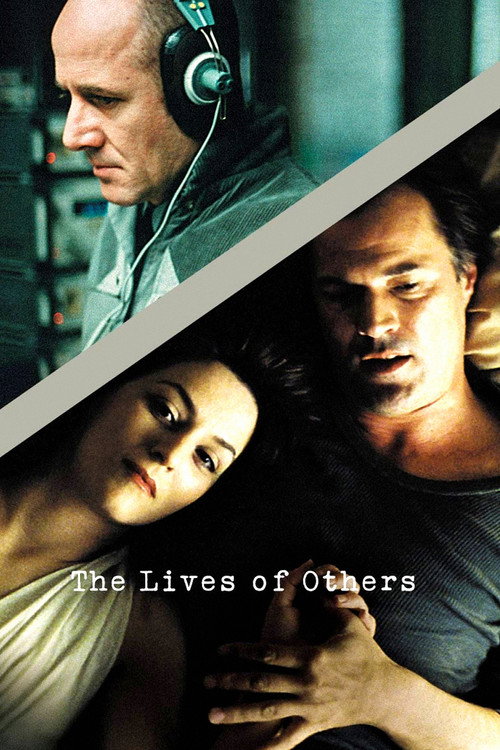
The Lives of Others2006
A Stasi officer secretly monitors a playwright in Cold War Berlin and begins questioning the regime he serves. Tense, morally intricate, and entirely absorbing—another film about art as resistance under surveillance.
But The paranoia can feel relentless. There's little warmth, and some find the pacing glacial compared to conventional thrillers.
A Prophet2009
A young man in a French prison rises through violence and cunning, finding power in unexpected alliances. It shares Afterimage's interest in how institutions crush individuality and how people survive within them.
But The prison brutality is graphic and sustained. It's less about ideals than raw survival, which can feel grimmer than Wajda's moral questions.

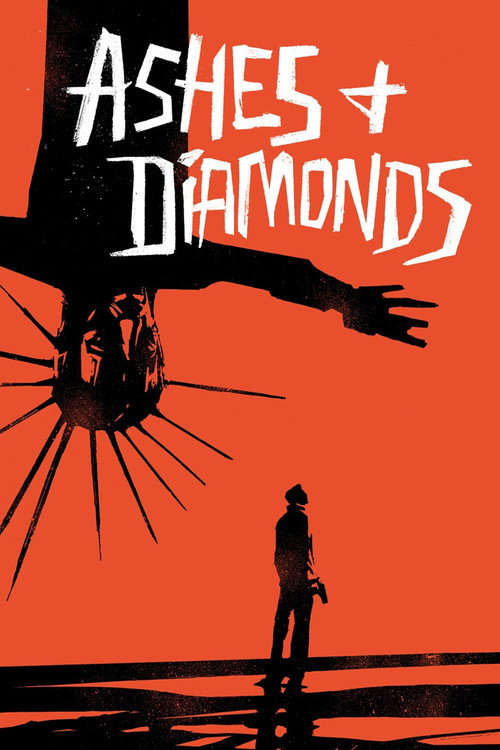
Ashes and Diamonds1958
Wajda's masterpiece: a Polish Resistance fighter navigates the rubble of Warsaw in 1945, caught between orders and conscience. Poetic, profound, the film that established the director's obsession with integrity in impossible times.
But It's from 1958 and moves with deliberate, symbolic pacing. Audiences expecting narrative momentum will find it testing.
Not sure tonight? Get a pick in a minute, starting from Afterimage
The wildcard
Something you would not have found on your own.
Stalker1979
Both Wajda and Tarkovsky were major Soviet-bloc artists dealing with censorship and state pressure, but Tarkovsky retreated into abstraction and allegory while Wajda remained explicitly political. Stalker is what Strzemiński's modernism might look like as science fiction.
Andrei Tarkovsky's science-fiction film is actually a metaphysical journey through desire, faith, and the cost of wanting truth. Glacially paced, hypnotic—a film about the interior landscape of resistance and refusal.
But It's nearly three hours of slow philosophical cinema with minimal plot. Tarkovsky will test your patience, and some find him impenetrable rather than profound.

More like this (8)
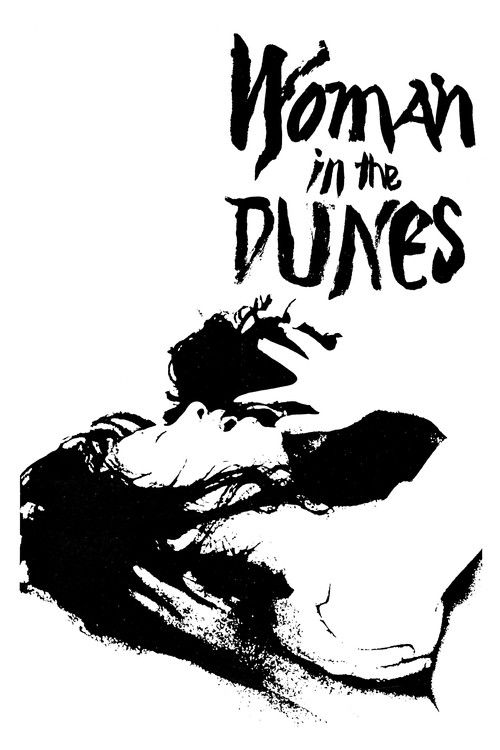
Woman in the Dunes1964
A man becomes trapped in a sand pit with a widow, forced to endlessly shovel sand. A philosophical parable about systems that trap us and the slow erosion of self—hypnotic and deeply unsettling.
But It's abstract and repetitive by design. The scenario strains credibility, and the philosophical payoff won't satisfy everyone.
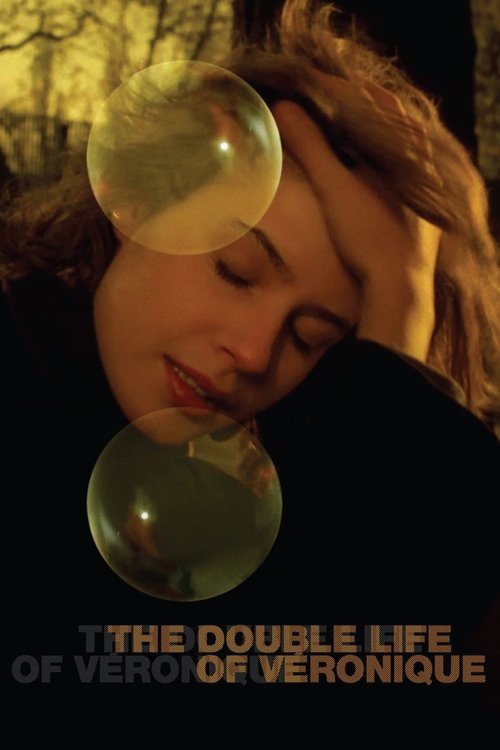
The Double Life of Véronique1991
Kieślowski's elliptical meditation on fate, art, and connection across divided Europe. Visually ravishing and emotionally mysterious—another Eastern European film about what survives repression.
But Plot barely exists. Meaning is suggested rather than stated, which can feel pretentious or incomprehensible depending on your mood.
Come and See1985
A Soviet boy becomes a soldier during WWII and witnesses horrors that destroy his innocence. Wajda's film is about artistic survival; this is about what violence takes from you. A necessary companion piece.
But One of cinema's most harrowing films. Not metaphorical about suffering—literally unbearable for many viewers. Approach with caution.

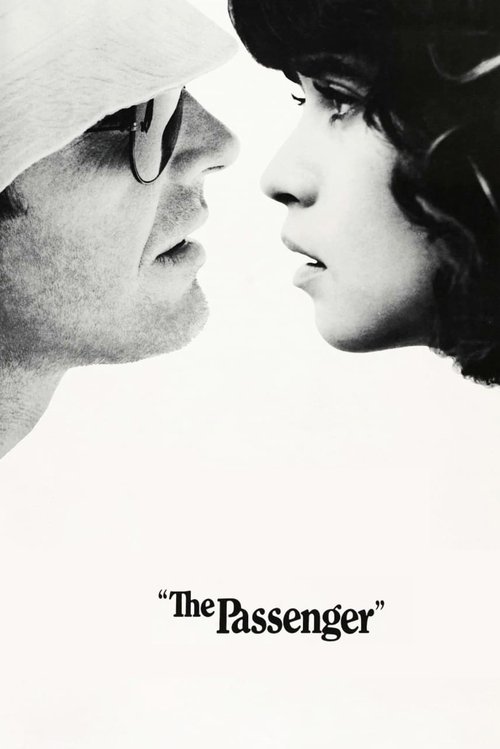
The Passenger1975
Michelangelo Antonioni's final masterpiece: a journalist assumes a dead man's identity and drifts into moral vertigo across Africa and Europe. About erasure, identity, and the impossibility of escape—thematically aligned with Strzemiński's dissolution.
But Antonioni demands patience. The famous final shot divides audiences, and the film's refusal to resolve anything bothers those seeking catharsis.
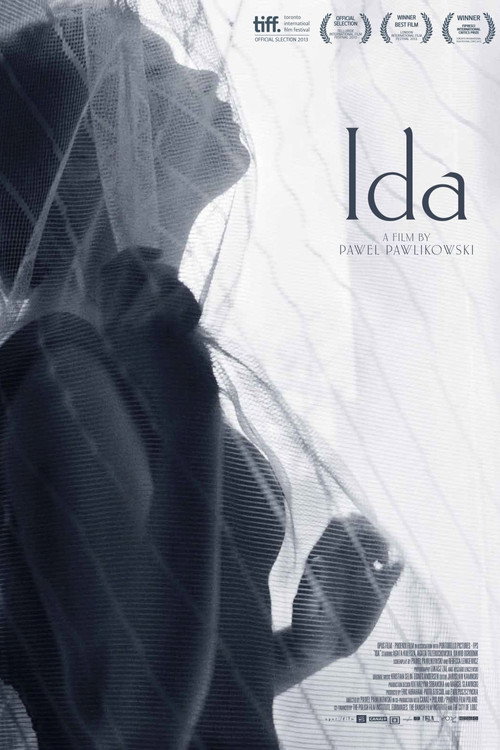
Ida2013
Pawel Pawlikowski's ravishing black-and-white film about a young nun discovering her murdered Jewish family's past in postwar Poland. Another meditation on identity, faith, and what's lost to history.
But It's oblique and austere. The relationship between the two women unfolds slowly, and the ending leaves questions deliberately unanswered.
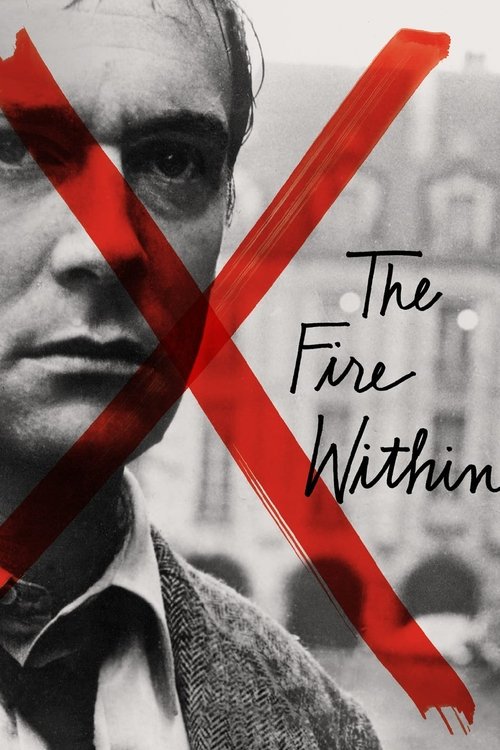
The Fire Within1963
Louis Malle's portrait of depression and spiritual emptiness in Paris. Like Afterimage, it's about a man slowly withdrawing from the world, unable to compromise or truly connect.
But Bleak and inward-facing. It ends devastatingly, and there's no redemptive arc—just an honest account of despair.
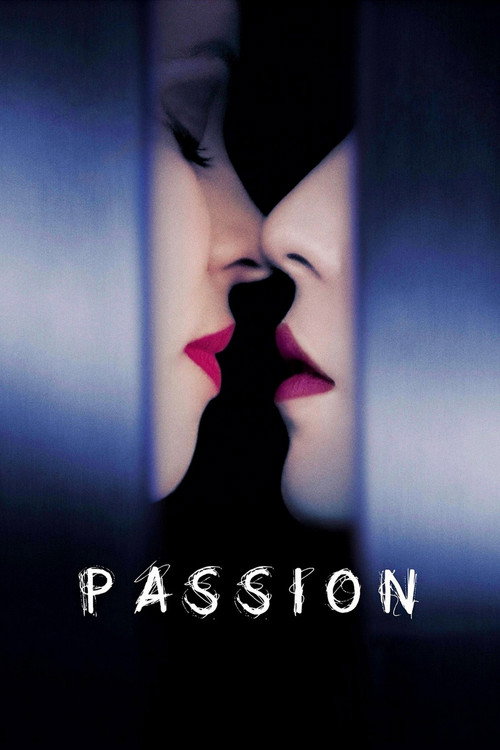
Passion2013
Where Strzemiński sacrifices everything for artistic principles, Isabelle's director-protagonist sacrifices everyone else. Both examine the cost of artistic ambition, but one is about integrity and the other about exploitation.
Isabelle Huppert and Noémie Lvovsky explore obsession, desire, and the blurring of art and life. A film about a woman who becomes consumed by directing and performing—creation as narcissism and survival.
But French, elliptical, and sexually explicit. Audiences expecting clarity will find Grémillon deliberately evasive and provocative.
The Red Shoes1948
Both are mid-20th century films about artists in totalizing systems—one literal totalitarianism, one the tyranny of artistic perfectionism. But where Afterimage is austere and political, The Red Shoes is romantic and operatic; they ask the same question in entirely different registers.
Powell and Pressburger's dreamlike ballet film: a dancer trapped between love and art, unable to choose without losing herself. The most gorgeous argument for what art demands—ravishing Technicolor about beautiful, terrible sacrifice.
But It's melodrama dressed as high art. The gender politics are retrograde, and the ending's tragedy-worship can feel suffocating.

People
Cast
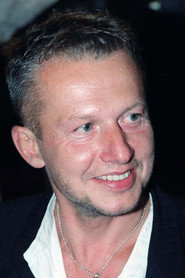 Bogusław LindaWładysław Strzemiński
 Bronisława ZamachowskaNika Strzemińska
 Zofia WichłaczHania
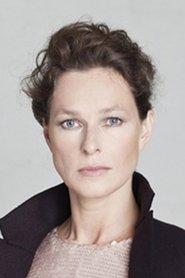 Aleksandra JustaKatarzyna Kobro
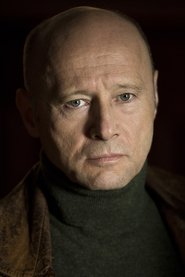 Krzysztof PieczyńskiJulian Przyboś
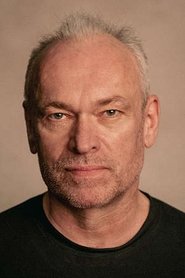 Mariusz BonaszewskiMadejski
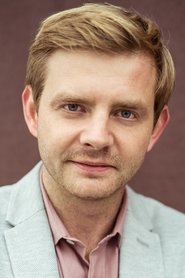 Rafał ZawieruchaShop Assistant
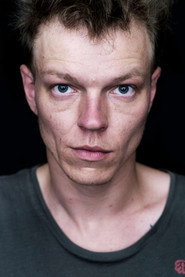
 Filip GurłaczKonrad
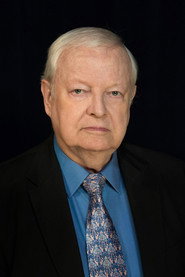 Aleksander FabisiakRajner
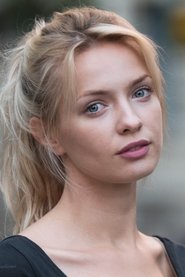 Paulina GałązkaWasinska
 Irena MelcerJadzia
Directing
- Alexander DenysenkoAssistant Director
- Andrzej WajdaDirector
Writing
- Andrzej MularczykScreenplay
- Andrzej WajdaScreenplay
Production
- Ewa BrodzkaCasting
- Michał KwiecińskiProducer
Recommended by
Skin, Earthquake, Spring, Summer, Fall, Winter... and Spring, Four Days in July, The Light Shines Only There