
Film
The Light Shines Only There
- Drama
- Romantic drama
- Slow-burning
A quiet, observant drama about two people who've both retreated from love meeting during a Hokkaido summer. Akira Ogata's film moves at its own pace—small gestures matter more than plot—and finds profound tenderness in ordinary moments. For viewers who believe cinema can accomplish what conversation cannot.
If you liked this
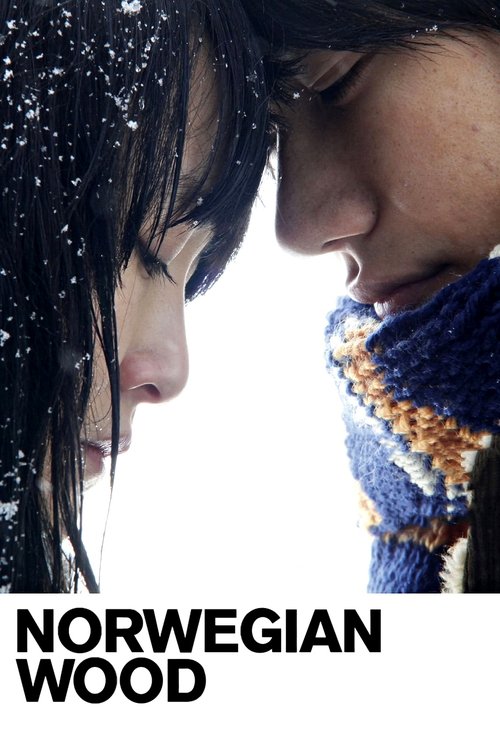
Norwegian Wood2010
Tran Anh Hung's adaptation shares the same meditative temperament and belief that unspoken feeling matters more than dialogue. Loss and memory shimmer beneath every scene without ever becoming theatrical.
But The pacing asks patience. If you need plot momentum or external conflict, the film's glacial reveal of character will feel like nothing is happening.
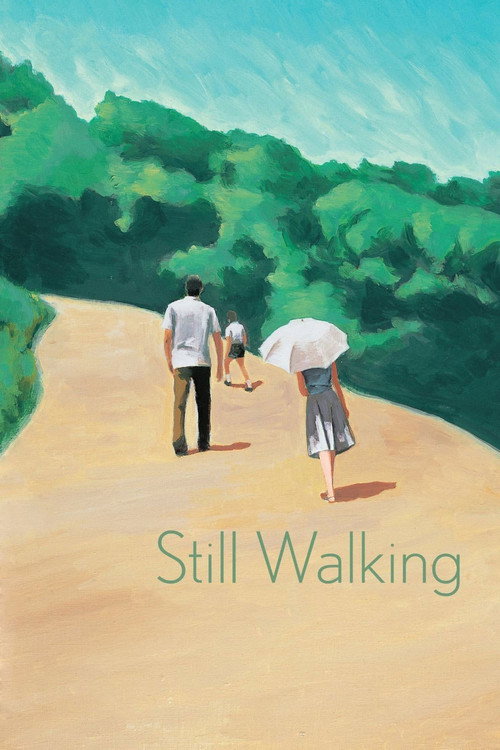
Still Walking2008
Hirokazu Koreeda examines a family weekend with the same attention to grace and small ruptures. Both films trust you to read what lives in silences and family dynamics.
But Deliberately mundane. There are no revelations, just the weight of accumulated time and unresolved things. Some viewers find that unbearable.
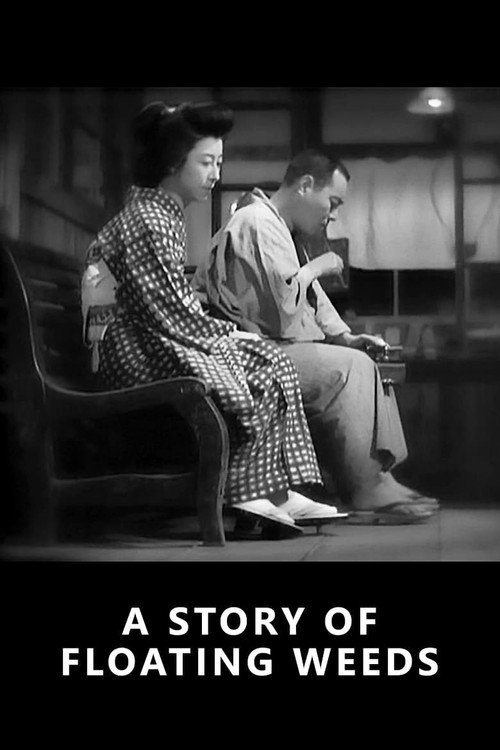
A Story of Floating Weeds1934
Ozu's original about regret and second chances plays the same emotional key—how we live with our choices and who we become in the aftermath. Generationally apart, spiritually aligned.
But Black and white, 1934, Japanese cinema's most austere formal tradition. The film moves like water, not plot. Requires active watching.
Not sure tonight? Get a pick in a minute, starting from The Light Shines Only There
The wildcard
Something you would not have found on your own.
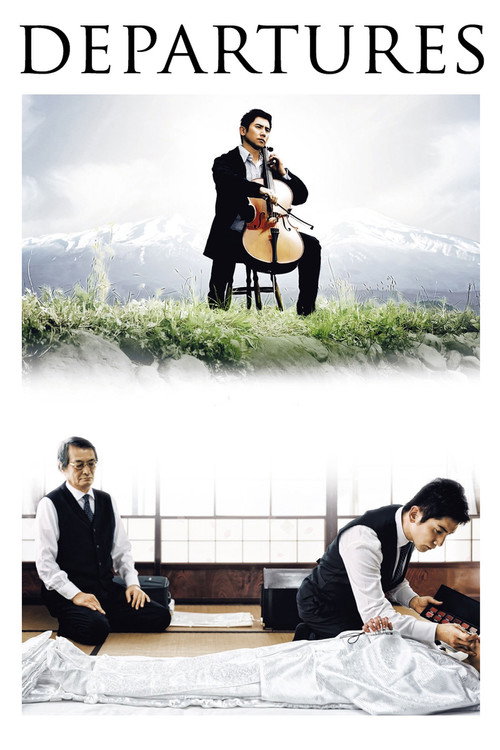
Departures2008
Both films believe that Japanese tradition—how people hold themselves, what goes unsaid—carries emotional truth. Both find meaning in service and presence rather than words.
A film about Japanese grieving ritual and the quiet dignity of care work—how we honor the dead and what that teaches us about living. Masahiro Motoki gives the kind of understated performance that makes ordinary kindness radical.
But The entire third act hinges on emotional catharsis through a traditional ceremony. If you find rituals sentimental or the film's faith in human goodness too neat, it won't land.
More like this (8)
Afterimage2016
Andrzej Wajda's final film contemplates a life lived in retreat, with the same unhurried visual beauty and meditation on what remains when ambition falls away.
But It's a film about artistic paralysis and ideological compromise. Wajda doesn't offer comfort, only understanding—which some find incomplete.

The Farewell2019
Lulu Wang captures the same tender observation of family ritual and the unsaid things that define us. Two strangers becoming family through proximity and need.
But The emotional core is cultural specificity that won't resonate equally with everyone. Some find the restraint cold rather than moving.

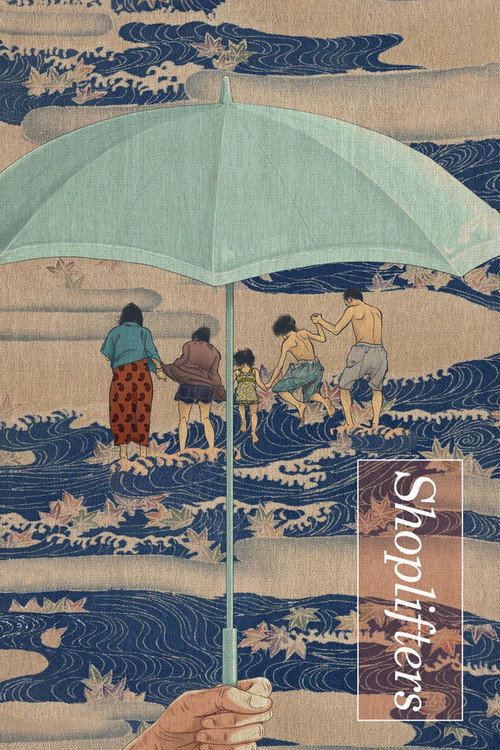
Shoplifters2018
Hirokazu Koreeda again—this time tracing how a family unit forms outside convention. That same understanding that love needs no permission, just presence and attention.
But The subject matter (poverty, petty crime, child welfare) can feel didactic. Some viewers want less social commentary, more intimacy.
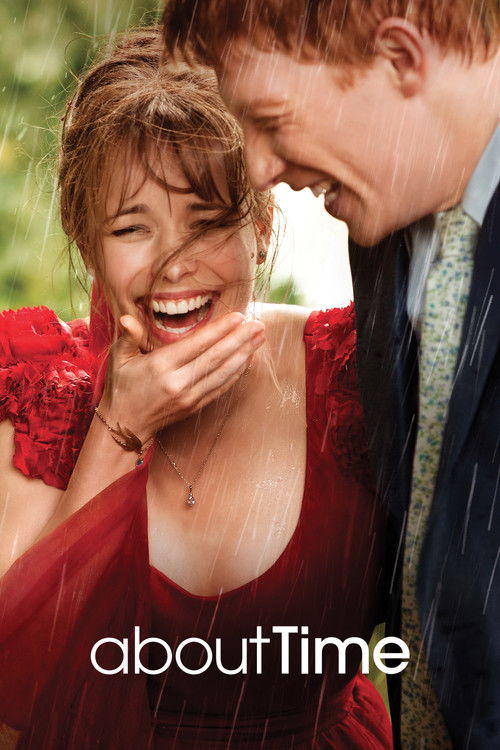
About Time2013
Richard Curtis at his most genuine, examining how time with someone matters more than what you do with it. Two people finding each other across emotional distance.
But Genre expectation collides with what the film actually is—sweet but melancholic. Fans of Curtis's usual rom-com energy will find it strange.
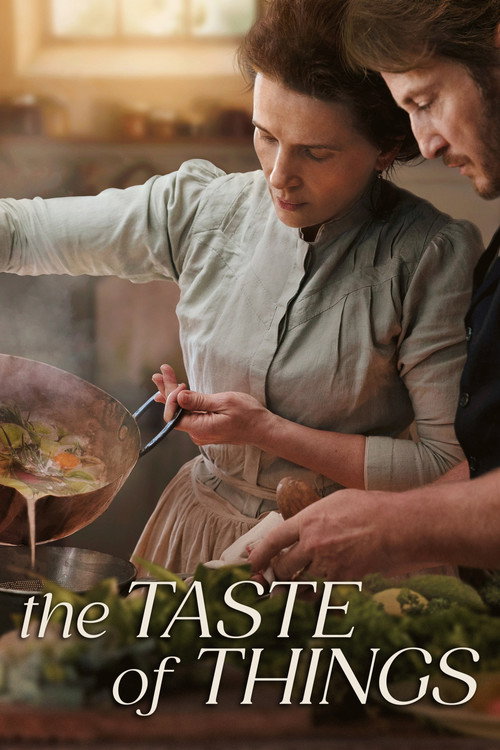
The Taste of Things2023
Trần Anh Hùng returns to Hokkaido-adjacent emotional terrain: two people whose love built slowly, unselfconsciously, through dailyness and food and ordinary time.
But It's almost plotless. If you need dramatic events or conflict to feel like something happened, the film's gentle accumulation will frustrate you.
In the Mood for Love2000
Wong Kar-wai's masterpiece shares the belief that longing is cinema's truest subject. Two people circling each other in a world of beautiful, mournful constraint.
But Deliberately artificial in every frame. If you prefer naturalism and want characters to just say what they feel, the stylization will feel like distance.

The Ascent1977
Both films treat landscape as interior life—how geography and weather shape what becomes possible between people. Both believe in cinema's capacity for metaphysical depth without explaining a single thing.
Andrei Tarkovsky's spiritual epic about two monks in unfamiliar terrain learning what they actually believe. Filmed in Lithuania, it moves at the speed of faith and doubt—which is slow, beautiful, and uncompromising.
But 163 minutes of Tarkovsky. It requires a specific kind of surrender. If 'nothing happens' makes you anxious, this is three hours of your worst nightmare dressed as art.

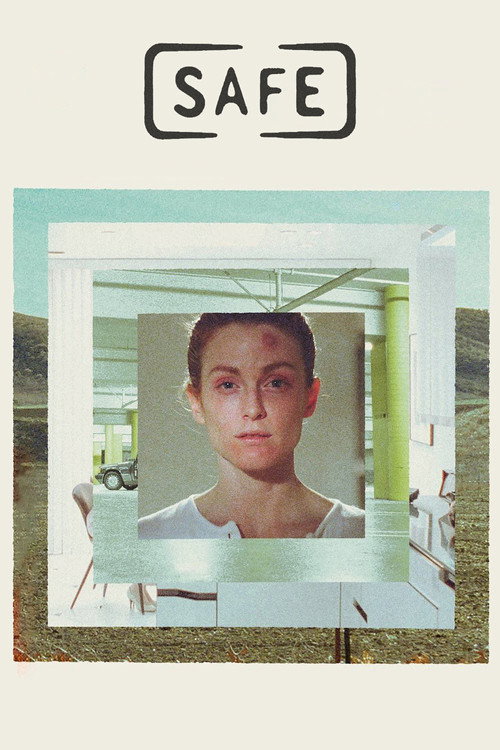
Safe1995
Both films examine retreat from the world—one chosen, one circumstantial—and ask whether that withdrawal is escape or catastrophe. Both end in stillness that could mean anything.
Todd Haynes' portrait of a woman who becomes allergic to the modern world—it's a tragedy about isolation masquerading as wellness. Julianne Moore gives one of cinema's most fragile, devastating performances.
But It's a critique of capitalism and toxic environments dressed as slow-burn horror. Bleak, airless, deliberately uncomfortable. The ending offers no relief.
People
Cast
 Go AyanoTatsuo Sato
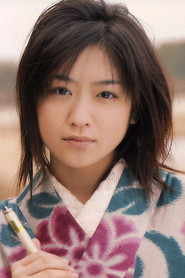 Chizuru IkewakiChinatsu Oshiro
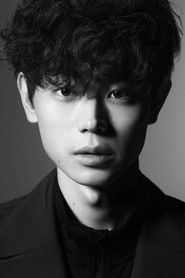 Masaki SudaTakuji Oshiro
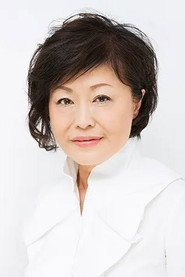 Hiroko IsayamaMother
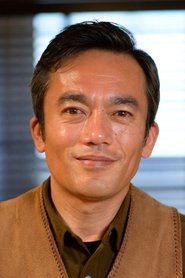 Kazuya TakahashiTree Farm Owner
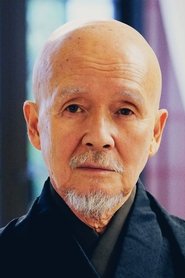 Shōhei HinoTatsuo's Boss
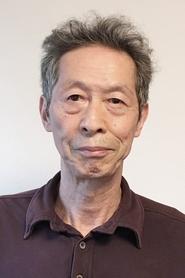 Taijirō TamuraFather
Directing
- Mipo ODirector
Writing
- Yasushi SatôNovel
- Ryo TakadaScreenplay
Production
- Masunobu MotokawaCasting
- Hideki HoshinoProducer