
Film
Norwegian Wood
- Coming-of-age
- Slow-burning
Tran Anh Hung's adaptation of Murakami's beloved novel follows a introspective young man in 1960s Tokyo navigating grief, desire, and connection after his best friend's suicide. Visually exquisite and emotionally deliberate, it's a film for patient viewers who prize mood and melancholy over conventional narrative momentum. A meditation on loneliness wrapped in autumn light.
Should you watch it?
Watch it if you love slow, melancholy coming-of-age stories where grief sits quietly beside first desire, and you don't need a plot to keep moving.
Skip it if you want brisk pacing or a light touch, since its sadness is heavy and it lingers over long stretches of quiet, interior moods.
What it asks of you: At 134 minutes, its rhythm is unhurried: long silences, drifting scenes and sorrowful moods that reward a viewer who settles in rather than waits for the plot.
Not sure? Find tonight's pick in a minute.
If you liked this
In the Mood for Love2000
Wong Kar-wai's masterpiece about two neighbours discovering their spouses' affair moves with the same languorous, colour-saturated beauty. A study in longing expressed through glances and the space between bodies rather than words.
But It's almost purely mood and visual poetry—plot is minimal and the pacing is deliberately glacial. If you need forward momentum, this will frustrate you.

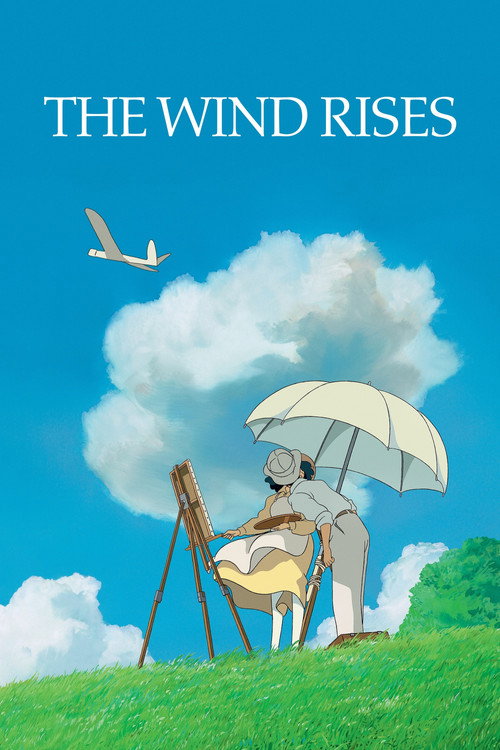
The Wind Rises2013
Miyazaki's final film about a dreamer in wartime Japan carries the same wistful nostalgia and focus on interior life. Beautiful, sad, and about the impossibility of holding onto what you love.
But It's meditative and elegiac to the point of stillness. Some find the pacing exhausting rather than contemplative.
A Certain Magical Index2008
Like Norwegian Wood, this explores grief and connection in a contemporary Japanese setting with genuine emotional weight. The romance feels earned rather than imposed, and the melancholy is woven through rather than imposed.
But It's a bit longer to commit to, and the earlier episodes take time to establish tone. Not recommended if you're looking for quick payoffs.

Not sure tonight? Get a pick in a minute, starting from Norwegian Wood
The wildcard
Something you would not have found on your own.
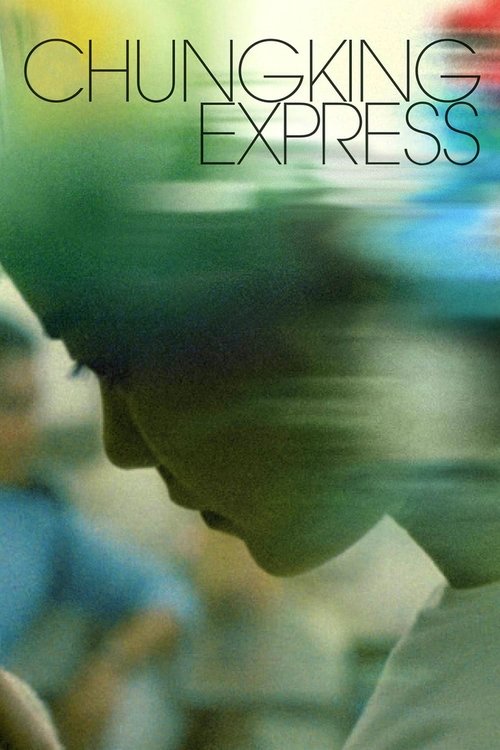
Chungking Express1994
Both explore loneliness in cities and the yearning for connection that stays unresolved. Both use visual beauty to express what characters cannot say.
Wong Kar-wai's other masterpiece is set in contemporary Hong Kong, not 1960s Tokyo, but it shares Norwegian Wood's obsession with urban loneliness, missed connections, and the ache of wanting someone you cannot have. It moves differently—messier, more fractured—but the emotional core is identical.
But The narrative is deliberately fragmented across two separate stories. If you need coherence, the structure will feel chaotic rather than poetic.
More like this (8)
Carol2015
Todd Haynes brings the same attentiveness to desire and restraint, set in the 1950s. Two women discovering connection amidst longing and circumstance—tender, aching, and visually sumptuous.
But The pacing is deliberately slow. If you're accustomed to contemporary screenwriting rhythms, it may feel mannered or dated.

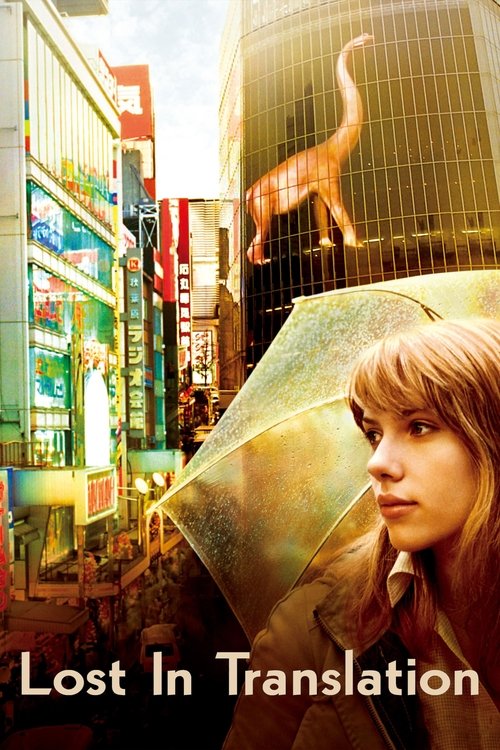
Lost in Translation2003
Sofia Coppola's Tokyo-set film about two lonely people finding unexpected connection shares Norwegian Wood's interest in the poetry of urban isolation and unspoken feeling. Achingly beautiful.
But Intentionally sparse and quiet. The lack of dramatic incident bothers viewers who need clear story structure.
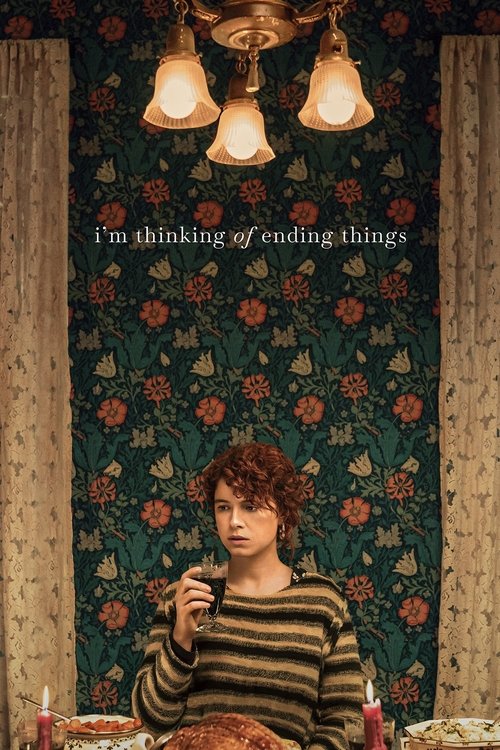
I'm Thinking of Ending Things2020
Charlie Kaufman's film—adapted from Iain Reid's novel—explores memory, identity, and the stories we tell ourselves about love. Unsettling and gorgeously shot, it shares Norwegian Wood's interior focus.
But It's cryptic and demands active interpretation. Ambiguity is central; if you need clear answers, you'll leave frustrated.
Spring Snow2005
Shiro Toyoda adapts Mishima's novel about doomed young love in pre-war Japan with the same delicate sadness. A film about the weight of class, desire, and the past pressing on the present.
But It's extremely slow and formal. Some will find it painterly and others will find it inert.

SoulMate2016
Jenn Ting's Taiwanese romance unfolds with similar restraint and visual grace, following two women across decades. Quiet, heartbreaking, and deeply felt without melodrama.
But The structure jumps in time and can feel fragmented. Those needing linear storytelling may feel lost.

Desert Hearts1985
Donna Deitch's pioneering lesbian romance carries genuine warmth and humor alongside its emotional honesty. A gentler film than Norwegian Wood, but with similar attention to the texture of desire and connection.
But It's decades old and shows it stylistically. The production design and aesthetic may feel dated or distant.

Harakiri1962
Both films are Japanese meditations on how the past destroys the present. Both use narrative structure to mirror psychological damage. Both are about the impossibility of moving forward.
Masaki Kobayashi's masterpiece about a samurai seeking death is a completely different genre and era, but it shares Norwegian Wood's excavation of grief, honor, and the past's grip on the present. A film of devastating formal beauty and emotional precision.
But It's bleak, violent, and philosophically demanding. The aesthetic is austere rather than lush, and the tragedy is unrelenting.

La Haine1995
Both films center on male bonds forged in the aftermath of loss. Both suggest that some friendships cannot be survived, only endured.
Mathieu Kassovitz's French film about three young men in the suburbs operates in a completely different register—urgent, angry, formally inventive—but it shares Norwegian Wood's focus on male friendship, how trauma binds people together, and the sense of being trapped by circumstance and history.
But It's nothing like Norwegian Wood in mood or pace. It's loud, vital, and enraged rather than quiet and melancholic. The jump in register may feel jarring.

People
Cast
 Kenichi MatsuyamaToru Watanabe
 Rinko KikuchiNaoko
 Kiko MizuharaMidori
 Reika KirishimaReiko Ishida
 Eriko HatsuneHatsumi
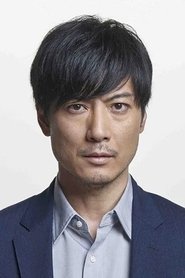 Tetsuji TamayamaNagasawa
 Tokio EmotoStorm Trooper
 Kengo KoraKizuki
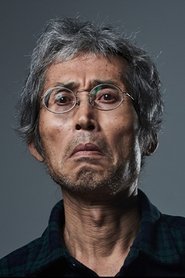 Takao HandaMidori's Father
 Shigesato ItoiProfessor
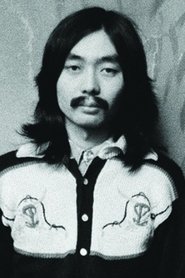 Haruomi HosonoRecord Shop Manager
 Yukihiro TakahashiGatekeeper
Directing
- Hideaki JimboAssistant Director
- Koichi TanakaAssistant Director
- Yu KoreyasuAssistant Director
- Yuko YamamotoAssistant Director
- Trần Anh HùngDirector
- Shozo KatashimaFirst Assistant Director
- Masaru IkedaOther
- Mitsumoto MaedaOther
- Kazuko ShingyokuScript Supervisor
Writing
- Haruki MurakamiNovel
- Trần Anh HùngScreenplay
Production
- Tsuyoshi SuginoCasting
- Ryuta TakayaCasting Associate
- Chihiro KameyamaExecutive Producer
- Masao TeshimaExecutive Producer
- Michael J. WernerExecutive Producer
- Wouter BarendrechtExecutive Producer
- Yoichiro YamaguchiExtras Casting
- Keizô ShukuzakiLine Producer
- Atsushi ShimaneLocation Manager
- Sachiko HanaokaLocation Manager
- Kiyoshi Anatol RunzePost Production Coordinator
- Joe IkedaProducer
- Kaoru MatsuzakiProducer
- Naoki KusumotoProducer
- Satoshi FukushimaProducer
- Shinji OgawaProducer
- Naomi HattaProducer's Assistant
- Reiko KatayamaProducer's Assistant
- Natsuko NezuProduction Accountant
- Yume MurakamiProduction Accountant
- Keiko AmanoProduction Assistant
- Ken YasuiProduction Assistant
- Naoki HishikawaProduction Assistant
- Shigeharu TokunagaProduction Assistant
- Yusuke TaguchiProduction Manager
- Hironori TerashimaProduction Supervisor
- Takashi IshiharaProduction Supervisor
Recommended by
5 Centimeters per Second, The Big C, Queen, Ae Dil Hai Mushkil, The Eighth Sense, The Seventh Circle, The Light Shines Only There, Anand, Cycles