
Film
Loop
A Brazilian sci-fi drama about a physicist haunted by his girlfriend's murder who obsessively pursues time travel to undo it. Intimate and melancholic rather than action-driven, it's a character study wrapped in speculative premise—exploring how obsession corrodes us, even when we think we're saving someone. For viewers who want their time-travel stories quiet and introspective.
Should you watch it?
Watch it if you're drawn to slow, cerebral science fiction where the mechanics matter less than a grieving mind slowly coming apart, and you trust silence to do the work.
Skip it if you need the puzzle-box pleasure of time-travel plotting, because this is quiet, repetitive and bleak, and its grief can feel heavy going.
What it asks of you: Patience across a long stretch of isolation, a slow build and plenty of stillness; it will not hurry to reward your attention, so settle in early.
Not sure? Find tonight's pick in a minute.
If you liked this
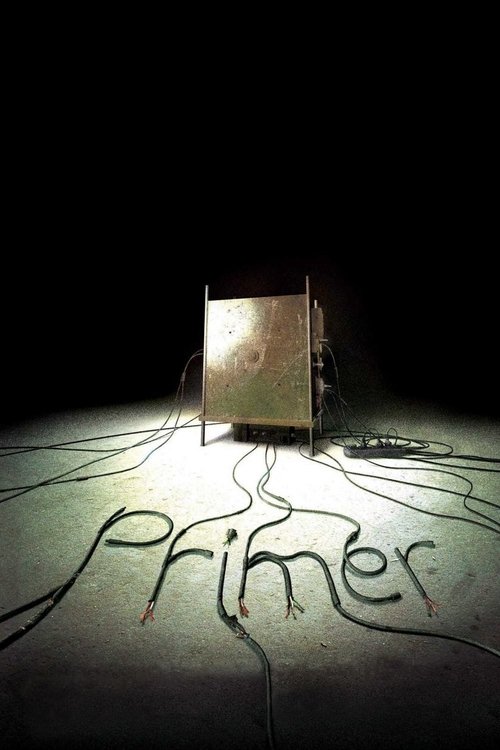
Primer2004
A similarly ambitious low-budget time-travel film that treats the concept as a genuine physics problem rather than a plot device. Demands engagement and rewards it with real intellectual satisfaction and emotional stakes.
But Nearly impenetrable on first viewing. The sound design is deliberately harsh, the editing deliberately fragmented, and there are no helpful explanations. Not for passive watching.
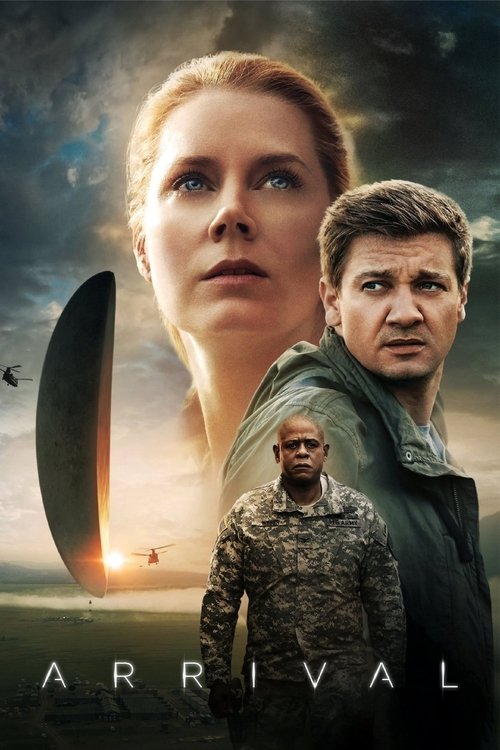
Arrival2016
Matches the emotional core perfectly: a story where changing the past means sacrificing your future, told with restraint and visual beauty. Spends its time on what matters—the relationship and the cost.
But Slower than you expect from a sci-fi film. Heavy on atmosphere, light on plot momentum. Some find it glacial rather than meditative.
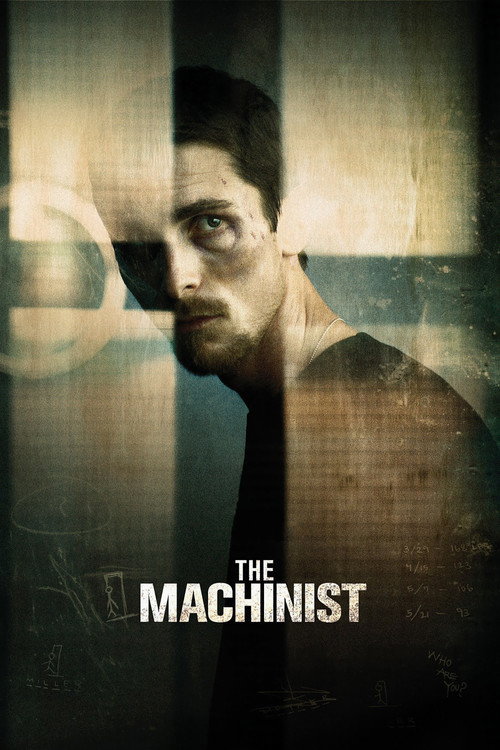
The Machinist2004
Another portrait of a man eaten alive by guilt and obsession, with a twist that recontextualizes everything. Christian Bale's performance is a masterclass in showing psychological unraveling without explanation.
But Unrelentingly bleak. No comfort offered. The protagonist's self-destruction is the point, which can feel punishing to watch rather than cathartic.
Not sure tonight? Get a pick in a minute, starting from Loop
The wildcard
Something you would not have found on your own.
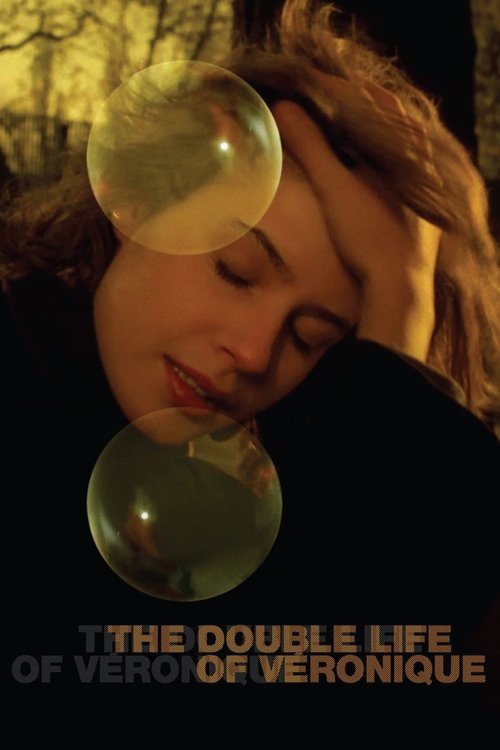
The Double Life of Véronique1991
Both films treat obsession as a visual and emotional state rather than a plot problem. Both trust atmosphere and mood over exposition. Both suggest that changed pasts don't give us the futures we expected.
A Polish meditation on duality and the self, shot with lush precision. Kieslowski explores obsession and connection without explanation, trusting you to feel rather than understand. Hypnotic and deeply strange.
But No plot to speak of. Dialogue is minimal and often in a foreign language. If you need narrative momentum and clarity, this will frustrate you profoundly.
More like this (8)
Donnie Darko2001
Shares Loop's preoccupation with time, obsession, and a protagonist trying to prevent tragedy through acts that increasingly isolate him. A character-first approach to time-travel mechanics that prizes mood over clarity.
But Deliberately cryptic in its final act. Some viewers find it pretentious; others spend years arguing about what it means. Not everyone wants that from their ending.

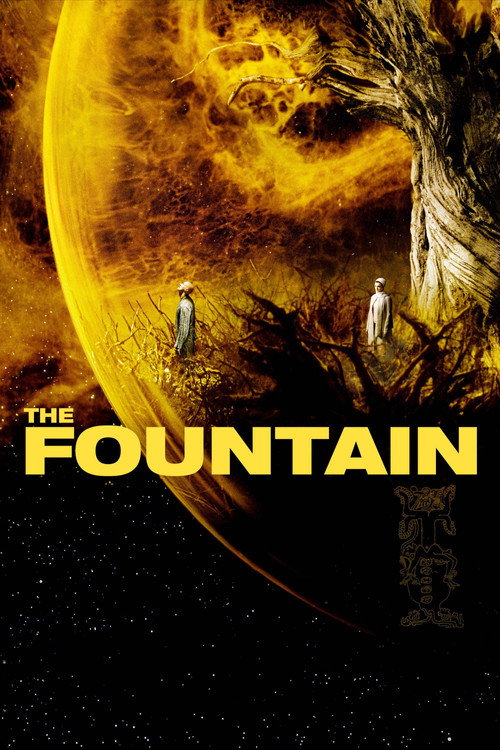
The Fountain2006
Three timelines, one man's attempt to cheat death and loss. Visually stunning and deeply committed to exploring grief as a form of obsession. Darren Aronofsky at his most ambitious and vulnerable.
But Wildly divisive. Some see it as profound; others as self-indulgent and bloated. The ending won't satisfy anyone looking for answers, only acceptance.
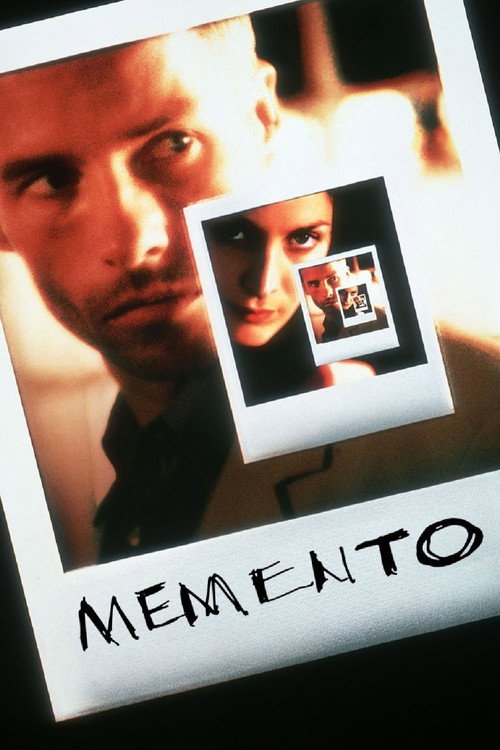
Memento2000
A man using obsessive rituals to chase a past he can't quite hold onto. Nolan's backward storytelling mirrors psychological fragmentation while keeping you compulsively engaged. Tight and propulsive where it matters.
But The gimmick of reverse chronology can overshadow character if you're not careful. Some viewers fixate on the puzzle and miss the tragedy underneath.
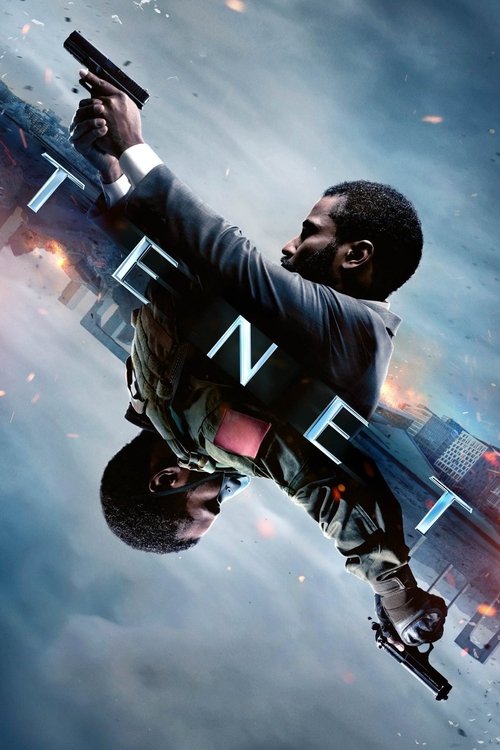
Tenet2020
A time-inversion spectacle that still cares about one man's personal stake in preventing disaster. If you want Loop's emotional themes but with $200 million and global espionage, this scratches that itch.
But Sound mixing issues make dialogue nearly inaudible. The plot requires sustained concentration and still doesn't fully cohere. Can feel exhausting rather than engaging.
Shutter Island2010
A man's obsession with the past pulling him toward a truth he may not survive knowing. Psychological and deliberately disorienting, it builds dread through atmosphere rather than action.
But The twist divides audiences between those who feel the film's investigation of trauma is meaningful and those who think it's a cheat. Rewarding to some, manipulative to others.

About Time2013
A quieter time-travel film about a man using the ability to change his personal history. Ultimately about acceptance rather than reversal, grief rather than prevention—a counterpoint to obsession.
But Sentimental in ways that can feel saccharine if you're not in the mood. Refuses to be cynical about family and love, which reads as naive to some viewers.

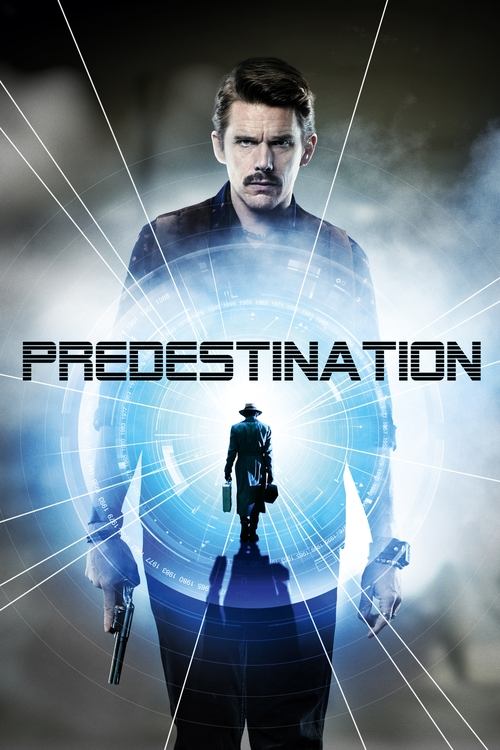
Predestination2014
Both follow someone convinced that changing one event will absolve them, only to discover that time doesn't work that way. Both treat time-travel not as wish-fulfillment but as a trap.
A time-travel thriller built on the same premise—a protagonist trying to prevent a tragedy by altering the past—but twisted into science-fiction noir. When the mechanics finally click, it's genuinely devastating.
But The reveal is everything; watching it again reveals how much the film withheld. Some feel manipulated; others feel it's fair play. Also visibly low-budget in ways some find distracting.
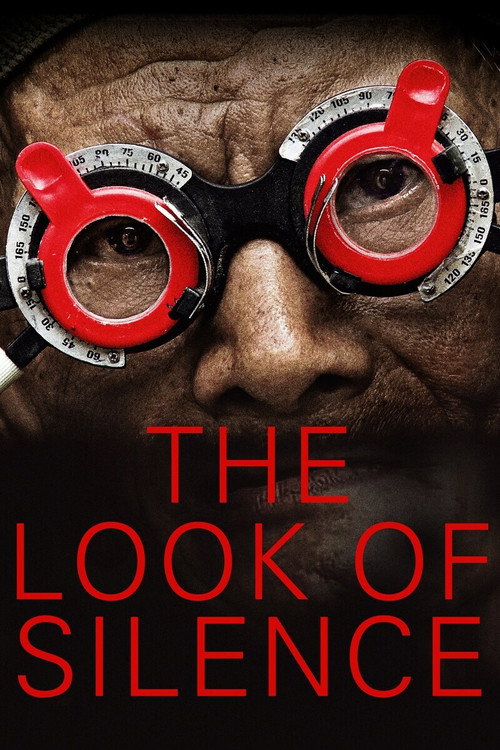
The Look of Silence2014
Both are about a man's compulsive need to revisit and change a death that haunts him. Both ask whether that obsession heals or destroys. But where Loop is intimate fiction, this is unbearable truth—the wildcard that reminds you why obsession with the past matters most when it's real.
A documentary where a man confronts those responsible for his brother's death during the Indonesian genocide. Like Loop's protagonist, he pursues the past obsessively—but here the obsession is filmed as it happens, raw and unresolved.
But Difficult to watch. No narrative arc or catharsis. The obsession doesn't lead anywhere redemptive. It's an unflinching portrait of grief that refuses to resolve itself neatly.
People
Cast
 Bruno GagliassoDaniel
 Bia ArantesMaria Luiza
 Branca MessinaSimone
 Zé Carlos MachadoPedro
 Roberto BirindelliRoberto
 Nikolas AntunesJoaquim
 Betânia FrancoAmiga de Simone
 Tatiana HorevichtEsther Malafaia
Directing
- Bruno BiniDirector
Writing
- Bruno BiniScreenplay
Production
- Bruno GagliassoAssociate Producer
- Fernando MeirellesAssociate Producer
- Angelisa SteinExecutive Producer
- Bruno BiniExecutive Producer
- Luciana DruzinaExecutive Producer
- Magali HeinzeProduction Director