
Film
The Man Who Haunted Himself
A 1970 psychological thriller where Roger Moore's executive stumbles into a nightmare of mistaken identity and fractured reality after a car accident. It's eerie and unsettling, anchored by Moore's restraint as a man watching his own life colonised by someone who looks exactly like him. For anyone drawn to paranoia and the uncanny without gore or easy answers.
Should you watch it?
Watch it if you enjoy slow-burning paranoid thrillers where the unease builds from small wrong details, and you don't mind a 1970s British film that trusts its own odd, mirror-like logic.
Skip it if you want brisk pacing and a clear plot, since this one takes its time and leans on mood and ambiguity more than momentum.
What it asks of you: At a lean 88 minutes it moves at a measured, dreamlike pace, with quiet dread and scenes that hold longer than you'd expect.
Not sure? Find tonight's pick in a minute.
If you liked this
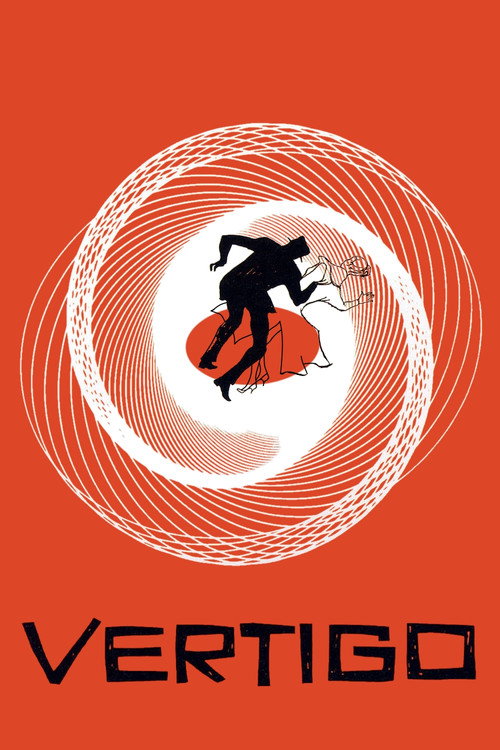
Vertigo1958
Hitchcock's masterpiece about obsession, duality, and a man losing his grip on reality through elaborate deception. The visual language of unease and the sense of helpless spiralling will feel immediately familiar.
But It's three hours and moves deliberately. Some find Hitchcock's rhythms dated, and the premise hinges on details that require your full attention.
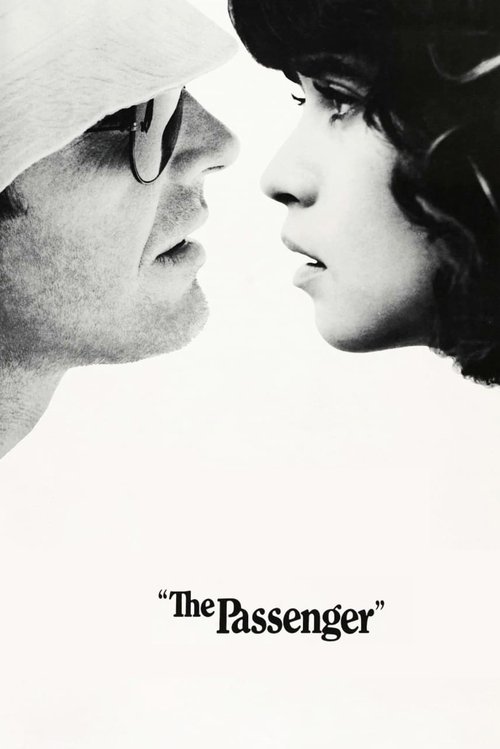
The Passenger1975
Antonioni's haunting study of a man who assumes a dead stranger's identity and discovers he's assumed more than he bargained for. Slow, philosophical, and drenched in existential dread—it shares *Haunted Himself*'s core unease about who we really are.
But Meditative to the point of glacial. If you want plot momentum and clear resolution, this will frustrate you deeply.
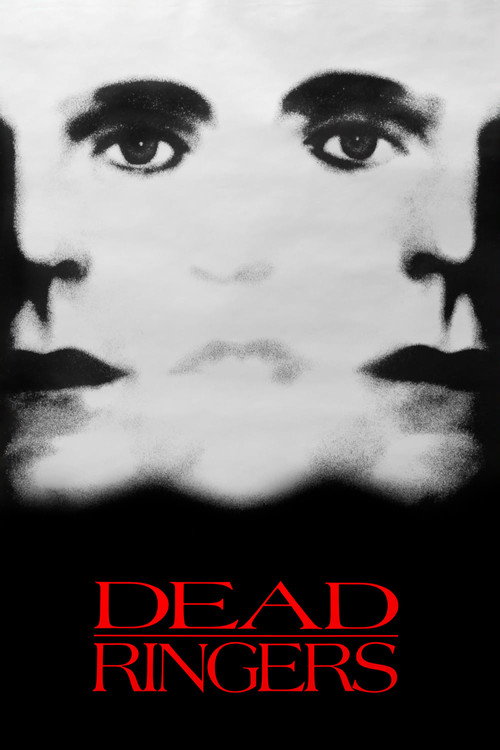
Dead Ringers1988
Cronenberg's grotesque exploration of twins, identity, and the erosion of self. Jeremy Irons plays both brothers with unsettling precision. It's another dive into the horror of not knowing who you are—or who's wearing your skin.
But Viscerally disturbing, with graphic medical body horror. Even fans of Cronenberg sometimes find this one too claustrophobic and queasy.
Not sure tonight? Get a pick in a minute, starting from The Man Who Haunted Himself
The wildcard
Something you would not have found on your own.
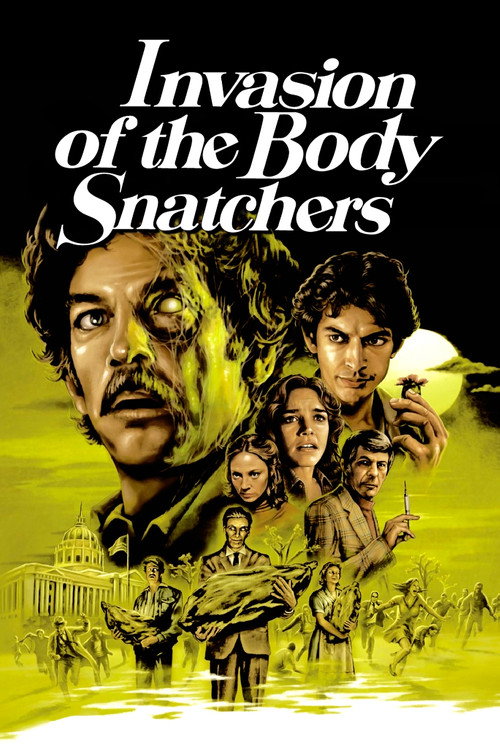
Invasion of the Body Snatchers1978
Both films turn the familiar world into a trap by introducing a doppelgänger or alien presence that doesn't feel dramatically wrong—just subtly, terrifyingly off. They ask the same question: if someone takes your place perfectly, how do you prove they're not you?
Kaufman's remake is technically sci-fi, but it's really about the horror of not recognising yourself in your own life. Like *Haunted Himself*, it asks: what if the person in the mirror isn't the person you remember? Paranoia has never been so perfectly pitched.
But It's a body-horror film, so some of the pod sequences are genuinely disturbing to watch. The ending offers bleakness without catharsis.
More like this (8)
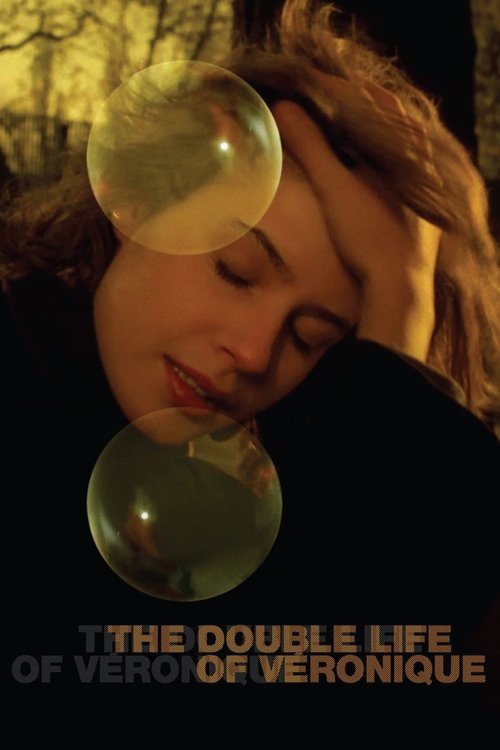
The Double Life of Véronique1991
Kieslowski's hypnotic meditation on two women who might be one person split across realities. Gorgeously shot and deeply strange, it explores the uncanny with elegance rather than melodrama—closer in tone to *Haunted Himself* than you'd expect from a '91 art film.
But Deliberately cryptic. The logic is emotional, not narrative. If you need clear explanations, you'll leave confused and frustrated.
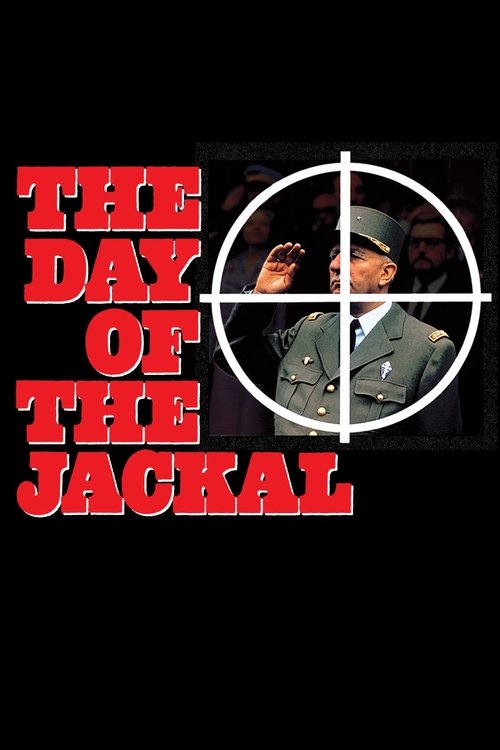
The Day of the Jackal1973
A paranoid thriller about corporate intrigue and fractured identity. Less polished than Hitchcock but genuinely unnerving, with the same seventies texture and the same sense that nothing is what it appears.
But Lesser-known for a reason. The pacing is uneven and some plot threads feel half-developed.
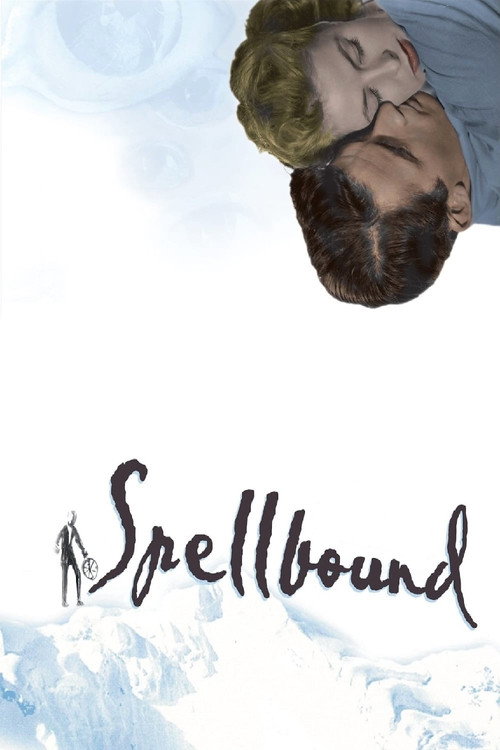
Spellbound1945
Another Hitchcock about psychological fracture and identity crisis, this one driven by psychoanalysis and guilt. It's glossier and more romantic than *Haunted Himself*, but shares the paranoia and the question: who is this person really?
But The Dalí dream sequence hasn't aged well, and the plot resolves with convenient clarity that undercuts the earlier unease.
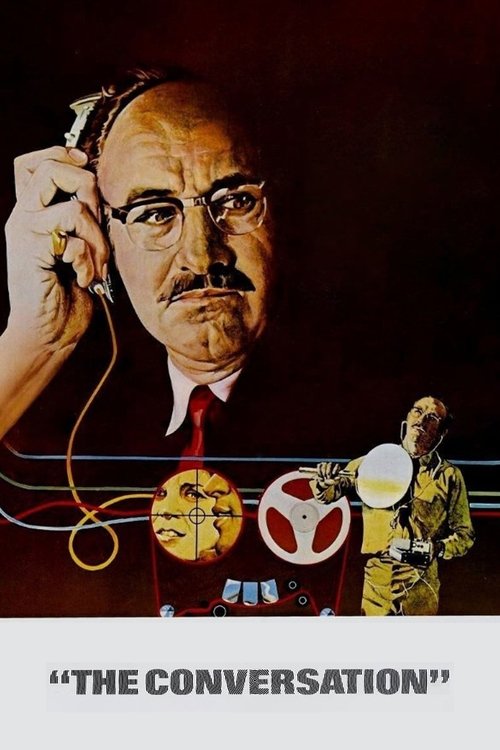
The Conversation1974
Coppola's masterpiece about surveillance, paranoia, and a man watching events unfold that he fears he's responsible for. The atmosphere of creeping dread is pitch-perfect, and it captures the same seventies thriller DNA.
But Deliberately slow and unglamorous. If you're watching for action or clear heroics, you'll be disappointed.
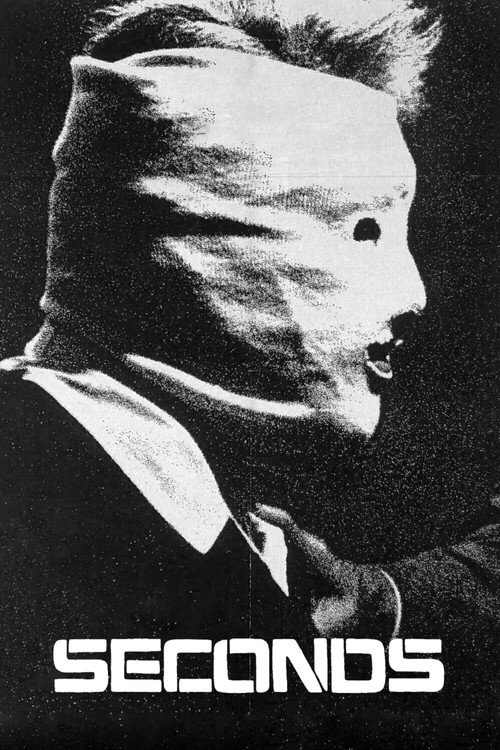
Seconds1966
A noir-inflected sci-fi thriller about a man given a new face and new life, only to discover the trade-off is his soul. It's visually stunning and deeply unsettling—essentially the American precursor to *Haunted Himself*.
But High-contrast black-and-white cinematography can feel dated. The ending is bleak and offers no comfort.
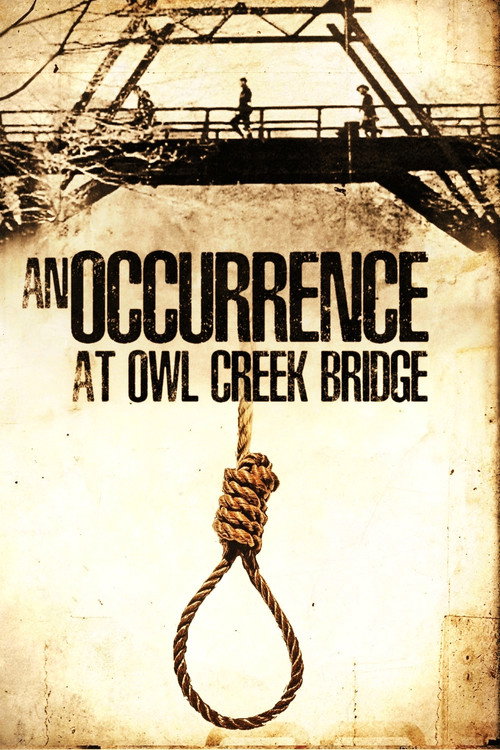
An Occurrence at Owl Creek Bridge1961
A 28-minute masterclass in reality fracture and the unreliable mind. It has the same understated horror as *Haunted Himself*—the terror comes from not knowing what's real, and it builds to a sucker-punch that will make you rethink everything.
But It's a short film, so if you're looking for something to settle into for two hours, this won't scratch that itch.
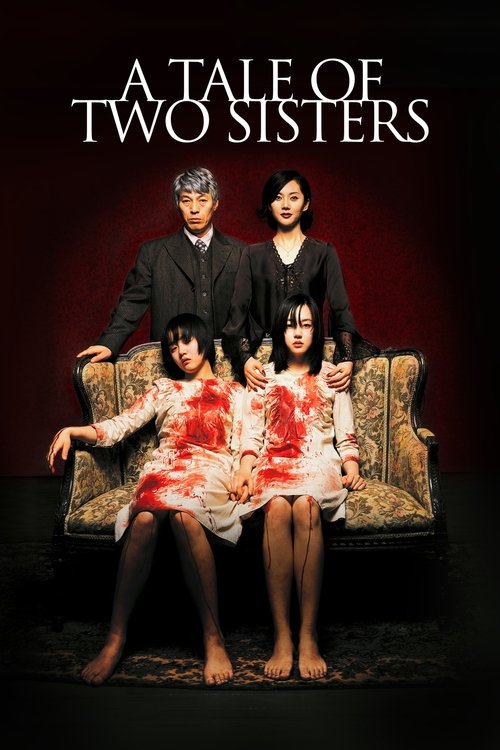
A Tale of Two Sisters2003
Like *Haunted Himself*, it's about the horror of watching your own life from outside yourself, unable to intervene or fully understand what's happening. Both use confusion about reality as the real weapon.
A Korean gothic horror film about two sisters navigating a household that seems to be collapsing into nightmare. It's gorgeously shot, genuinely creepy, and ultimately about fractured identity and the mind's ability to rewrite its own history. Utterly hypnotic.
But It's a hard film to read on first viewing. The twist recontextualises everything, and some viewers feel manipulated rather than moved by that. Also, it's relentlessly bleak.
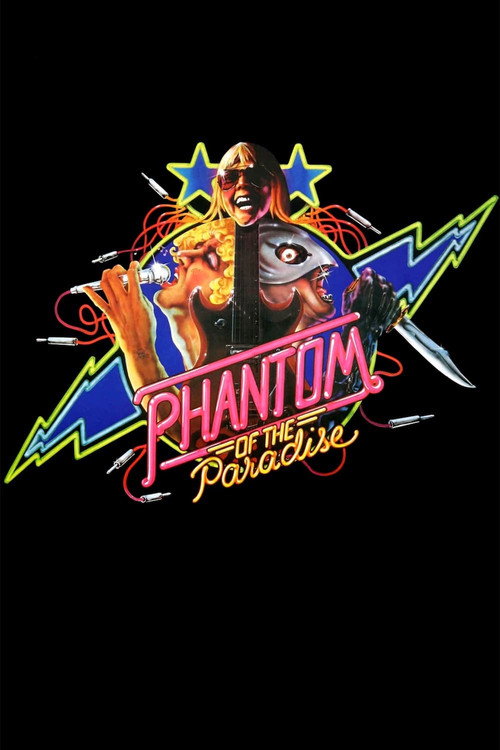
Phantom of the Paradise1974
Both pit a man against his own shadow self—but where *Haunted Himself* plays it as paranoid psychological drama, *Phantom* treats it as Faustian tragedy wrapped in rock opera. Same core dread, completely different register.
De Palma's glorious, operatic rock horror film seems like it couldn't be further from *Haunted Himself*—until you realise they're both about men haunted by better, darker versions of themselves. It's campy, gorgeous, and weirdly moving underneath the genre theatrics.
But It's deliberately artificial and theatrical. If you want realism or subtlety, the full-throttle artifice will read as unintentionally funny rather than purposeful.
People
Cast
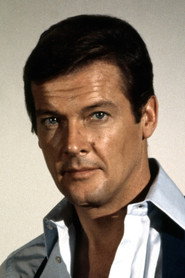 Roger MooreHarold Pelham
 Anton RodgersTony Alexander
 Olga Georges-PicotJulia Anderson
 Freddie JonesDr. Harris
- Hugh MackenzieJames Pelham
 Kevork MalikyanLuigi
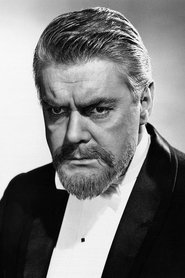 Thorley WaltersFrank Bellamy
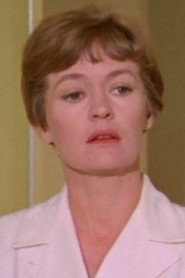 Ruth TrouncerMiss Bird
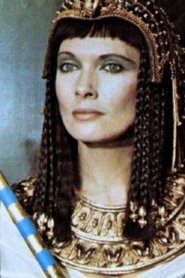 Hildegard NeilEve Pelham
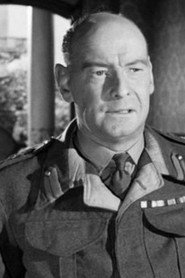 John WelshSir Charles Freeman
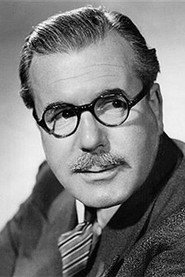 Edward ChapmanBarton
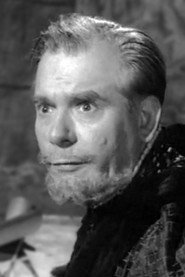 Laurence HardyMason
Directing
- Basil DeardenDirector
Writing
- Anthony ArmstrongNovel
- Basil DeardenScreenplay
- Michael RelphScreenplay
Production
- Jack RixAssociate Producer
- G. B. WalkerCasting
- Basil DeardenExecutive Producer
- Bryan ForbesProducer
- Michael RelphProducer