
Film
The Blood of Jesus
A 1941 spiritual fantasy where a dying woman's soul is caught between heaven and hell, caught in a hallucinatory journey between an angel and a demonic tempter. Shot in a dreamlike, folk-gospel style by Spencer Williams, a Black filmmaker working outside Hollywood's system. Visually strange, theologically urgent, utterly sui generis—a film that feels like nothing else made in its era.
If you liked this
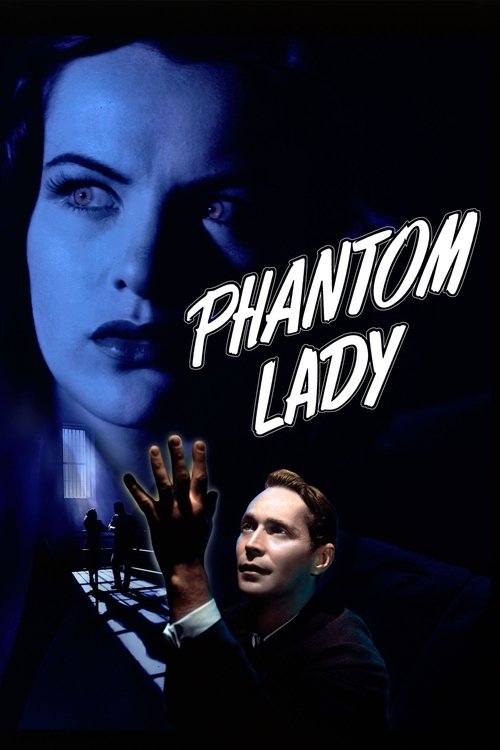
Phantom Lady1944
A noir suffused with dreamlike dread and sexual menace, where a woman must navigate a hostile world to save an innocent man. Like Blood of Jesus, it's deeply concerned with temptation and moral jeopardy, rendered through expressionist visual language.
But The pacing is glacial by modern standards, and some plot mechanics feel contrived. The gender politics, while progressive for 1944, are still dated.
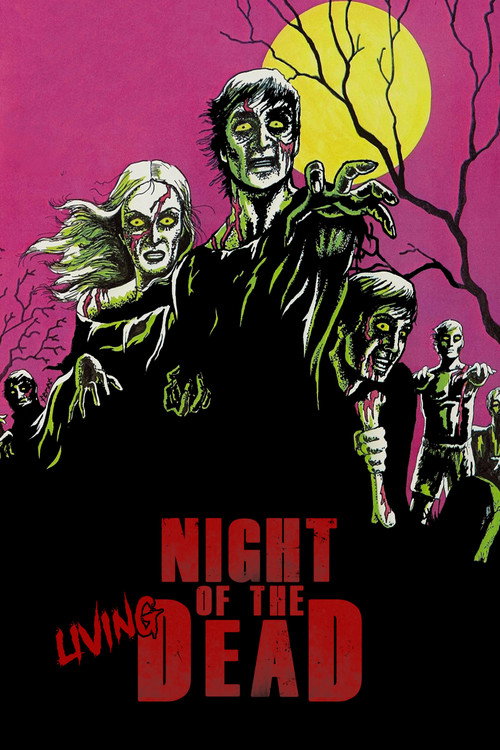
Night of the Living Dead1968
Romero's siege film treats its supernatural horror with spiritual gravity—it's about faith under pressure and the collapse of certainty. Both films use genre as a vehicle for real existential dread, not just scares.
But It's bleak and unrelenting. There's no comfort or resolution, which some find punishing rather than cathartic.
Mulholland Drive2001
Lynch constructs a fever dream where reality fractures and a woman's soul seems to splinter across different versions of itself. Both films trust the viewer to sit with disorientation and symbolic logic rather than plot clarity.
But It's three hours and deliberately opaque. If you need narrative coherence to enjoy a film, this will frustrate you intensely.

Not sure tonight? Get a pick in a minute, starting from The Blood of Jesus
The wildcard
Something you would not have found on your own.
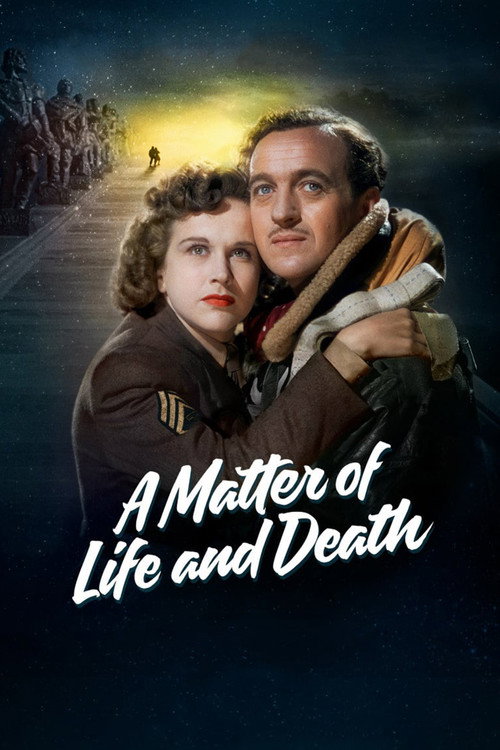
A Matter of Life and Death1946
Both films stage the soul's trial as cosmic legal drama; both use the supernatural not for thrills but for theological argument; both were made outside the studio system by artists with genuinely independent vision.
Powell and Pressburger's film is a direct contemporary: a pilot hovers between life and death, argued before a celestial court. Like Blood of Jesus, it uses Technicolor fantasy to examine whether the soul survives, and whether love or law decides our fate. It's visually rapturous where Blood of Jesus is austere, but both are convinced that spiritual questions are cinema's highest calling.
But The courtroom sequences are verbose. Some find the whimsy unbearable, especially the ending's romantic resolution.
More like this (8)
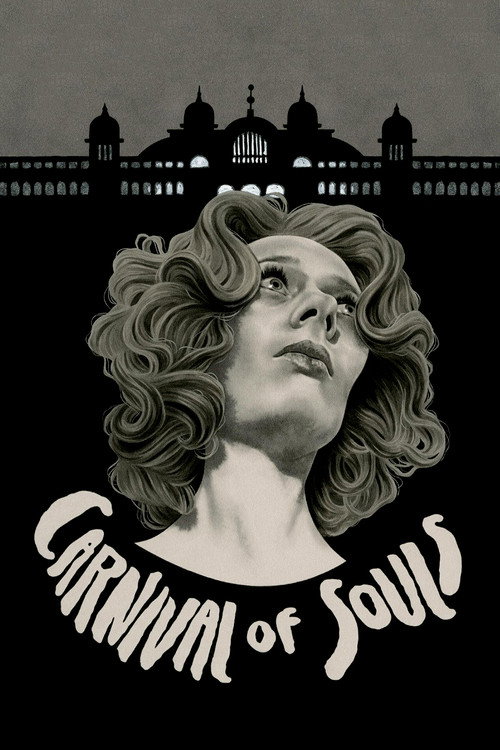
Carnival of Souls1962
A haunting indie film where a woman moves through a grey, liminal world after a car accident, never quite sure if she's alive or dead. It shares Blood of Jesus's obsession with the boundary between spiritual and physical reality.
But The acting is stiff and the budget severe. Some viewers find it boring rather than meditative.
The Seventh Seal1957
Bergman's knight plays chess with Death itself during the plague. It's the ultimate meditation on faith, temptation, and mortality—a film that argues theology through images rather than dialogue.
But It's famously heavy and symbolically dense. If you're not in the mood for European philosophical cinema, it will feel like homework.

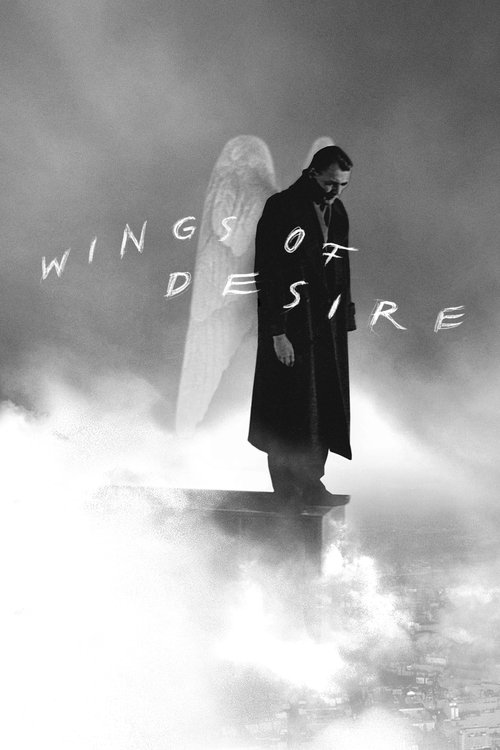
Wings of Desire1987
Wenders' angels observe Berlin and contemplate human suffering and desire. Like Blood of Jesus, it's visually poetic and concerned with the supernatural watching over earthly moral struggle.
But It's slow, philosophical, and has almost no plot. The pacing will test your patience if you want narrative momentum.
The Wailing2016
A Korean horror film where good and evil become impossible to distinguish, and faith offers no certain answers. It shares Blood of Jesus's refusal to simplify spiritual conflict into easy categories.
But It's two hours and forty minutes of mounting dread with an ending that will infuriate anyone seeking resolution or clarity.

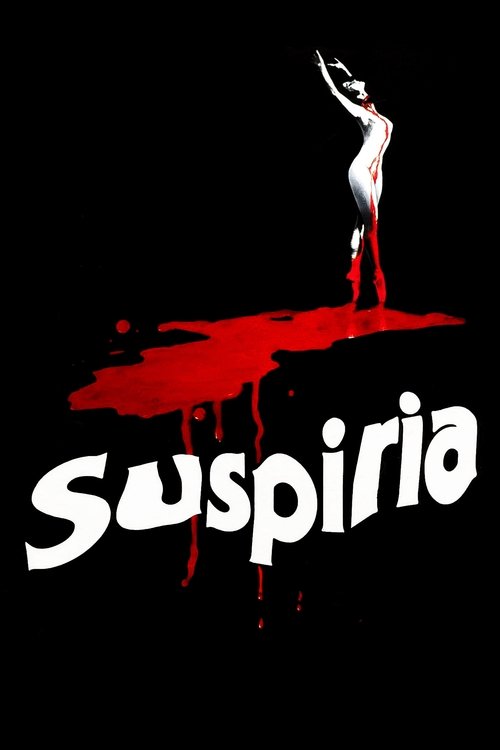
Suspiria1977
An Italian gothic horror film shot like a hallucination—dazzling colour, fractured logic, a young woman's reality dissolving as she navigates a supernatural conspiracy. Pure visual language as theology.
But The plot barely exists and the acting is deliberately stylised. If you need naturalism or a comprehensible story, you'll be lost.
Seconds1966
A Kafkaesque science-fiction film where a man is offered a second life and finds himself spiritually adrift. Both films use genre to explore questions about the soul and whether redemption is possible.
But It's deliberately alienating and bleak, shot in stark black-and-white. The tone is deeply unsettling rather than entertaining.

Vampyr1932
Both films distrust plot and dialogue; both use black-and-white imagery (or in Blood of Jesus's case, a deliberately limited visual palette) as spiritual language; both stage damnation as disorientation rather than punishment.
Carl Theodor Dreyer's vampire film is barely a narrative—it's a fever dream where a man wanders through a village that may or may not be real, infected by something he doesn't understand. No gore, no melodrama, just profound atmosphere and the visual language of damnation. It predates Blood of Jesus by a decade and achieves something similar: genre as a vehicle for spiritual horror.
But There's almost no plot. The image quality of surviving prints is poor. Many find it boring rather than hypnotic.

The Holy Mountain1973
Both films stage the soul's pilgrimage as a hallucinatory journey; both reject narrative clarity in favour of symbolic vision; both are genuinely dangerous—they refuse to comfort the viewer or confirm their theology.
Jodorowsky's surrealist odyssey follows a man climbing a mountain toward enlightenment, encountering grotesque and beautiful visions of sin and grace. It's crude, sometimes offensive, utterly uncompromising—a fever dream about the soul's journey that operates on pure symbol and sensation. Blood of Jesus asks: can the soul be saved? Holy Mountain asks: what does it mean to seek salvation at all?
But It's extremely graphic, deliberately confrontational, and features real animal violence. The surrealism is impenetrable; many will find it pretentious or unwatchable.

People
Cast
- Cathryn CavinessSister Martha Ann Jackson
 Spencer WilliamsRazz Jackson
- Juanita RileySister Jenkins
- Reather HardemanSister Ellerby
- Rogenia GoldthwaiteThe Angel
- James B. JonesSatan
- Frank H. McClennanJudas Green
Directing
- Spencer WilliamsDirector
Writing
- Spencer WilliamsWriter
Production
- Alfred N. SackProducer
- Spencer WilliamsProducer