
Film
The Piano Lesson
Other titles called The Piano Lesson: the 2024 film.
August Wilson's 1995 adaptation captures the spiritual weight of a family heirloom in Depression-era Pittsburgh. It's a chamber piece about inheritance—material, cultural, ancestral—where a piano becomes the stage for reckoning with history, aspiration, and what we owe the dead. Patient, deeply felt, and rooted in African-American experience.
If you liked this
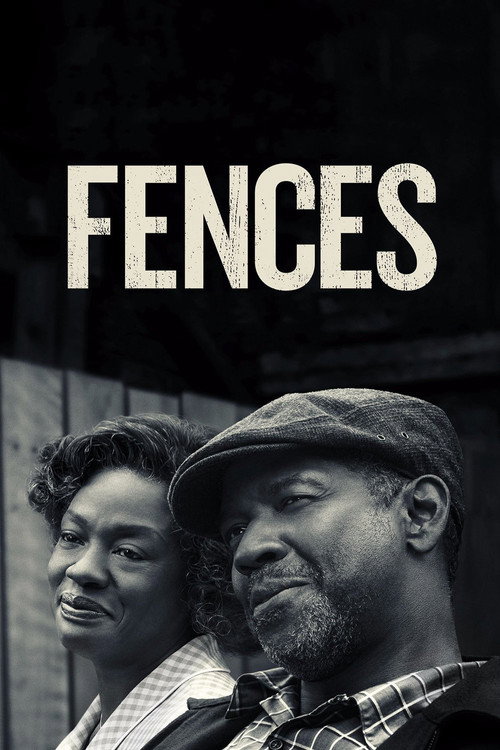
Fences2016
Another August Wilson adaptation with Denzel Washington and Viola Davis, exploring family obligation and masculine pride through the lens of a single household. It has the same architectural precision and emotional weight as The Piano Lesson.
But It's stagey—Wilson's dialogue doesn't always soften for film, and some viewers find the theatrical rhythm frustrating rather than powerful.
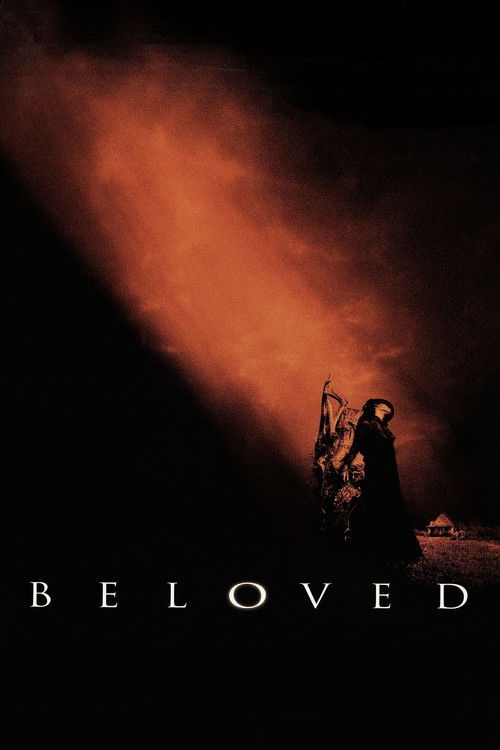
Beloved1998
Toni Morrison's masterpiece about a Black family haunted by slavery's trauma. It shares The Piano Lesson's concern with how the past inhabits the present, told with lyrical intensity and unflinching moral seriousness.
But It's deliberately difficult and non-linear. The pain is not softened, and the film assumes you're willing to sit with discomfort.
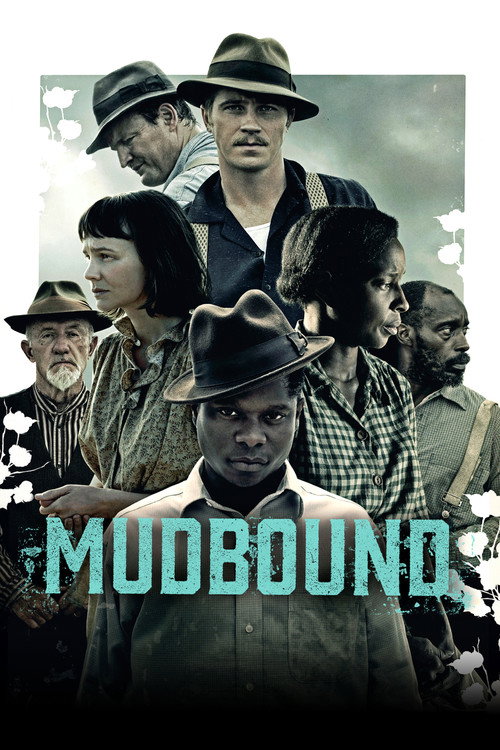
Mudbound2017
A multigenerational saga about two families—one Black, one white—in post-WWII Mississippi. Like The Piano Lesson, it's about inherited trauma, land, dignity, and what freedom actually costs African-Americans.
But It's long, layered, and sometimes glacially paced. The emotional payoff requires patience and attention.
Not sure tonight? Get a pick in a minute, starting from The Piano Lesson
The wildcard
Something you would not have found on your own.
The Asphalt Jungle1950
Both are deeply interested in how men talk about their futures and their histories. Both suggest that owning something—a heist score, land, dignity—is less important than what it costs you to reach for it.
John Huston's heist film is often called the template for the genre—but what lingers is its portrait of working men under pressure, their talk, their codes, their dreams of escape. It has The Piano Lesson's dialogue-driven intensity and its understanding of labor.
But It's film noir, which means black-and-white, a different era entirely, and a completely different register. You have to cross a significant distance to get there.

More like this (5)
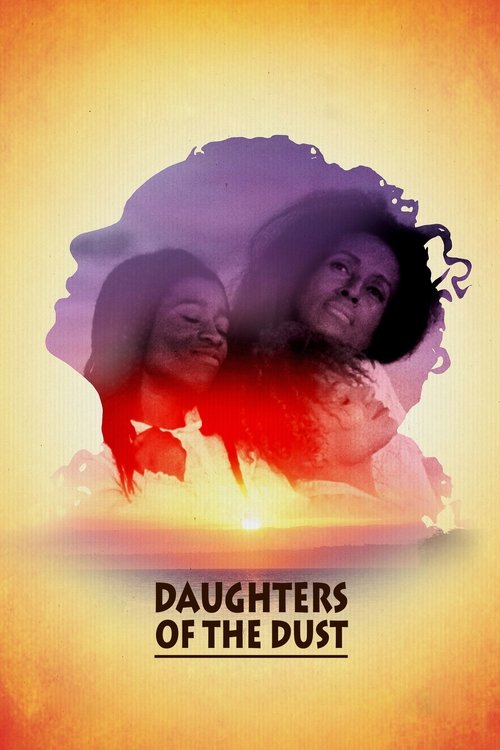
Daughters of the Dust1991
Julie Dash's meditation on a Gullah family at the turn of the 20th century. It shares The Piano Lesson's poetic approach to African-American history and its use of objects and rituals to carry meaning across generations.
But It's deliberately experimental in form—non-linear, dreamlike, with fragmented narrative. It rewards patience but won't satisfy viewers wanting a conventional story.
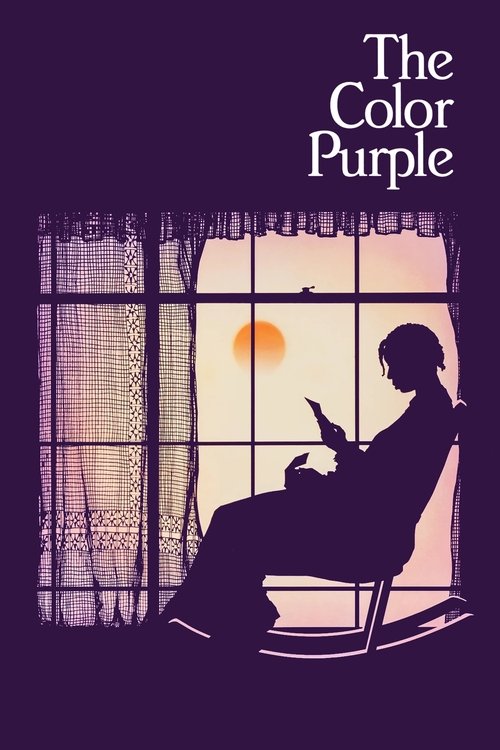
The Color Purple1985
Spielberg's adaptation of Alice Walker's novel about Black women reclaiming agency and dignity. It has the same emotional register as The Piano Lesson—folk wisdom, spiritual resilience, family fracture and repair.
But It softens some of the novel's hardest edges. Some viewers feel it beautifies suffering rather than reckoning with it honestly.
Moonlight2016
A triptych about a Black man's life shaped by poverty, masculinity, and inheritance. Like The Piano Lesson, it understands how the past—and the men who came before—lives in the body and choices of the present.
But It's extremely slow and impressionistic. If you need plot momentum or explicit emotional statements, it will feel opaque.

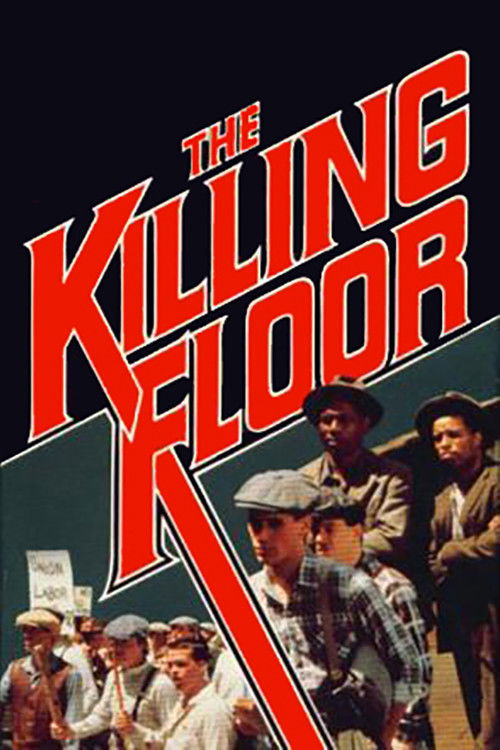
The Killing Floor1984
A docudrama about Black workers organizing at a Chicago meatpacking plant in 1919. It shares The Piano Lesson's interest in dignity, labor, and how African-Americans navigate systems built to exploit them.
But It's didactic by design—the political message is explicit and front-and-center. Some find that directness heavy-handed.
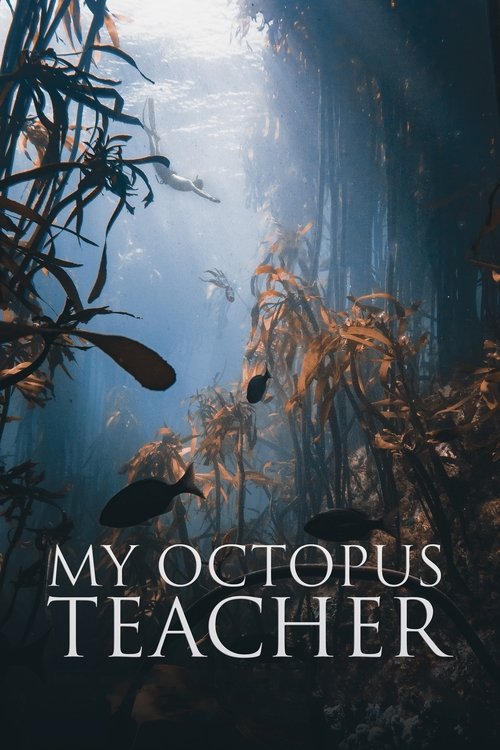
My Octopus Teacher2020
Both treat objects and animals and inherited things as teachers. Both are about apprenticeship—about sitting with something long enough that it changes you, rather than you changing it.
A documentary where a filmmaker bonds with an octopus while grieving his past. It's strange to recommend after The Piano Lesson, but both are about learning to listen to something other than yourself—about what patience and presence can teach. Unexpectedly profound.
But It's about a man and an octopus. If that sounds silly to you, it is, a little. It requires genuine openness to feel what it's trying to do.
People
Cast
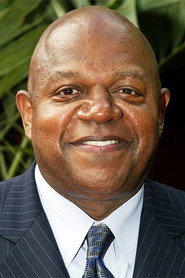 Charles S. DuttonBoy Willie
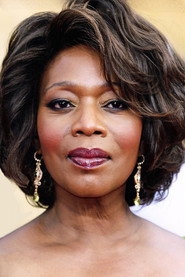 Alfre WoodardBerniece Charles
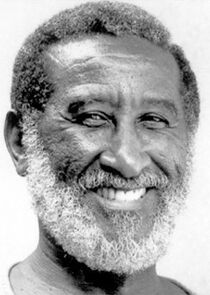 Carl GordonDoaker
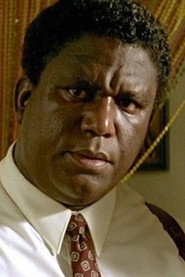 Tommy HollisAvery
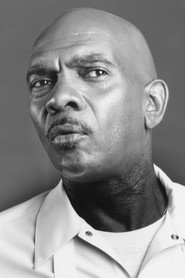 Lou MyersWining Boy
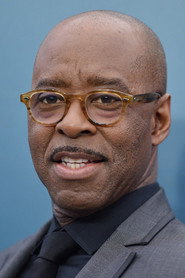 Courtney B. VanceLymon
 Zelda HarrisMaretha
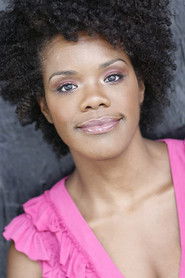 Rosalyn ColemanGrace
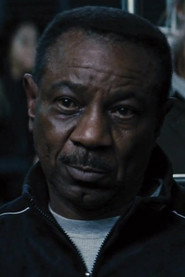
- Lynne InnerstMiss Ophelia
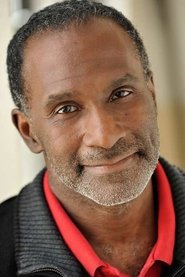 Harold SurrattPapa Willie Boy
- Jackson NunnHorse Trainer-Owner (uncredited)
Directing
- Lloyd RichardsDirector
Writing
- August WilsonOriginal Story
- August WilsonTeleplay
Production
- Canice KennedyCasting
- Olivia HarrisCasting
- Phyllis HuffmanCasting
- Brent ShieldsCo-Producer
- Robert Bennett SteinhauerCo-Producer
- Craig AndersonExecutive Producer
- Richard WelshExecutive Producer
- Robert HuddlestonLine Producer
- August WilsonProducer