
Film
Dancing at Lughnasa
- Drama
- Slow-burning
A tender, lyrical film about five unmarried sisters in 1930s rural Ireland, navigating constrained lives with resilience and unexpected joy. It's intimate and unhurried—less plot-driven than mood-driven—built on Meryl Streep's warm presence and the particular ache of women making do. For anyone who loves character-led stories about family and constraint.
If you liked this
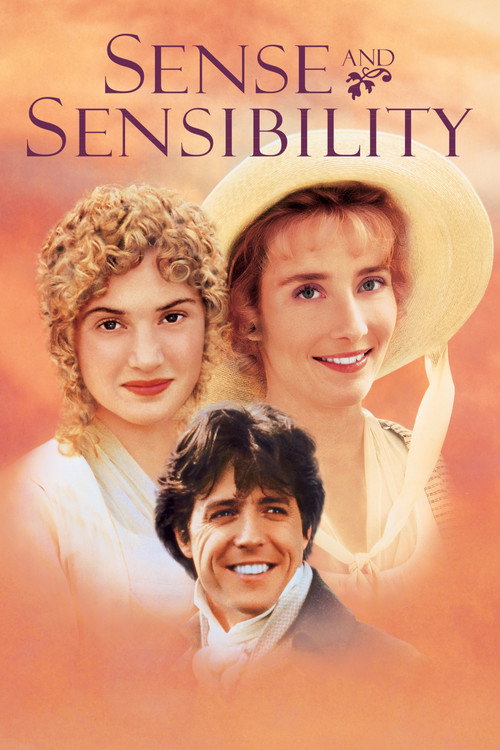
Sense and Sensibility1995
Emma Thompson adapts Austen with the same intelligence and emotional depth. Sisters navigating marriage, money, and duty against period constraints, but with wit and genuine feeling throughout.
But It's more obviously romantic than Lughnasa, and if you want something darker or less resolved, this reaches for a tidier ending.
The Remains of the Day1993
A meditation on duty, loss, and the lives we don't live, rendered with devastating restraint. Michael Gambon (Father Jack himself) gives one of cinema's greatest performances in quiet devastation.
But It's slower and colder than Lughnasa. There's almost no warmth, and some find the pacing glacial.

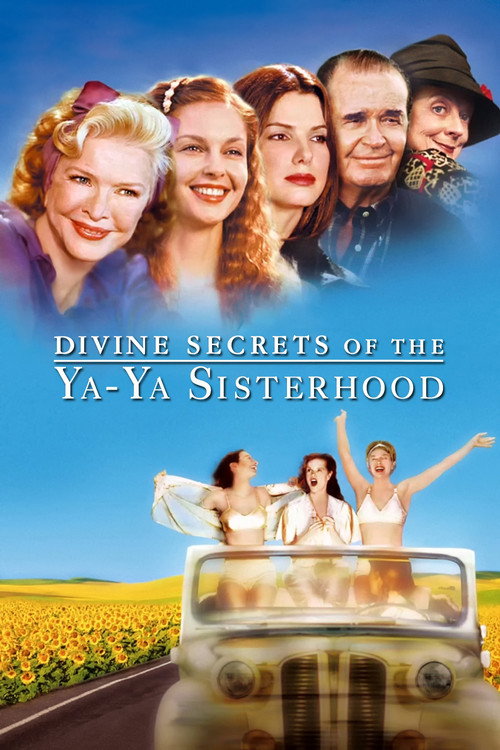
Divine Secrets of the Ya-Ya Sisterhood2002
Women's bonds across generations, Southern Gothic texture, and a similar generosity toward female experience. Streep appears here too, which shows she gravitates toward these stories.
But It's more melodramatic and less restrained. The emotional beats land harder, sometimes harder than the story warrants.
Not sure tonight? Get a pick in a minute, starting from Dancing at Lughnasa
The wildcard
Something you would not have found on your own.
The Leopard1963
Both are about families tethered to place and tradition, watching time erode their world. Both say goodbye without anger, which is rarer than it sounds.
Visconti's three-hour epic about a Sicilian family watching their world collapse into modernity. Like Lughnasa, it's elegiac—watching a way of life disappear—but rendered in lush, operatic scale rather than intimate simplicity.
But It's long, subtitled (or dubbed), and moves like molasses. The aesthetic is baroque where Lughnasa is spare. Some find it forbiddingly slow.

More like this (7)
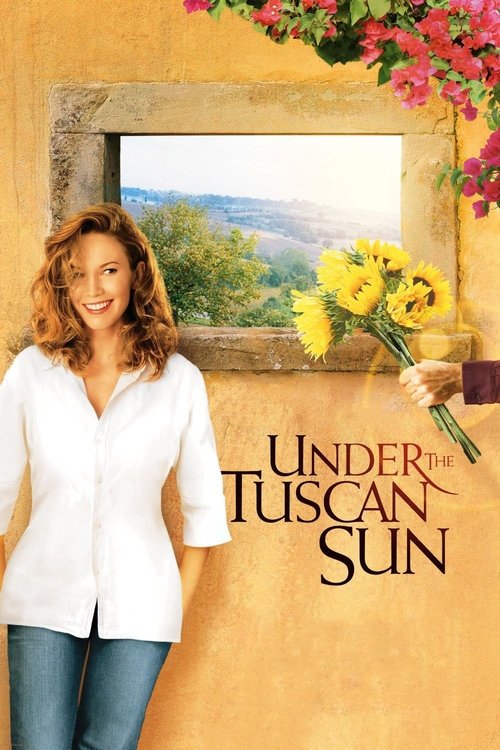
Under the Tuscan Sun2003
Another film about women finding agency within constraint, rural setting, European atmosphere. Gentler pacing, similar focus on modest lives becoming meaningful.
But It's significantly sunnier and more romantic. If you want Lughnasa's melancholy, this will feel lightweight.
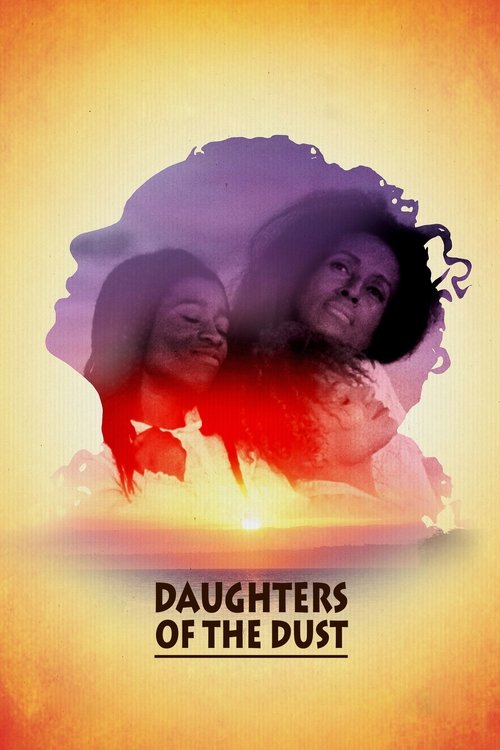
Daughters of the Dust1991
Julie Dash's masterpiece about family, women's interiority, and cultural survival. Experimental, visually stunning, and deeply rooted in place like Lughnasa is, but entirely different in form.
But The narrative is fragmented and poetic. Some find it difficult to parse; it demands patience and repeated viewings.
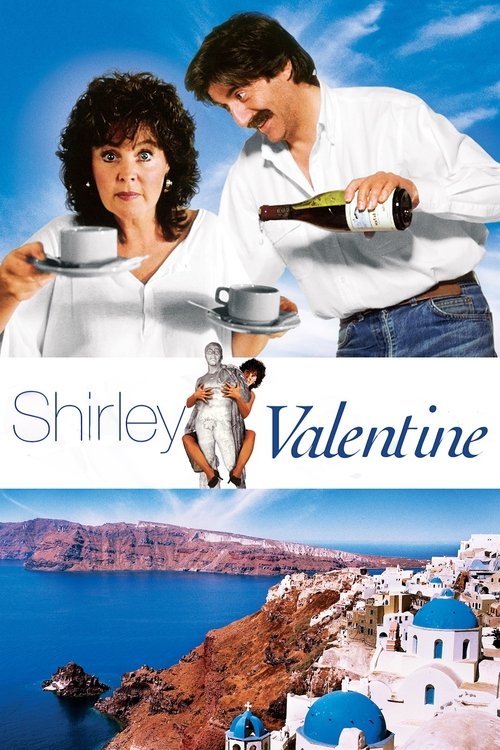
Shirley Valentine1989
A woman breaking free from domesticity in mid-life; funny and affecting. Willy Russell's writing has Lughnasa's warmth and humor, though the tonal register is lighter.
But The feminism is more overt and celebratory. It lacks the tragic undertow that gives Lughnasa its depth.
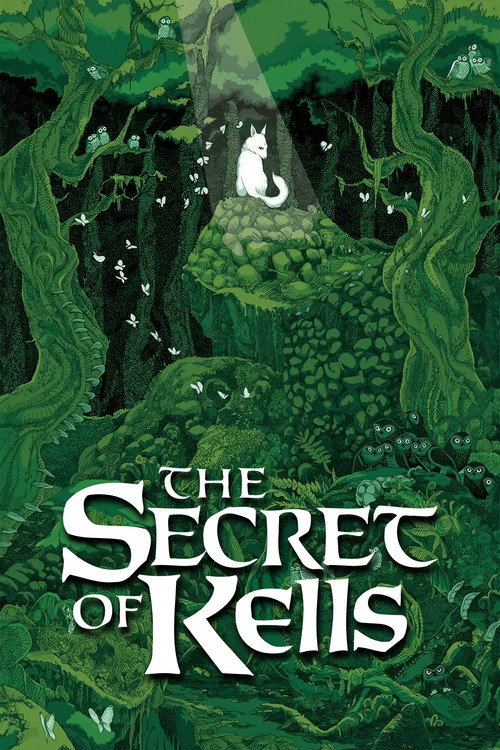
The Secret of Kells2009
Irish folklore, visual poetry, and a dreamlike quality. Animated but mature in its sensibility. Captures a similar reverence for Irish landscape and cultural memory.
But It's a fantasy for children, not an adult drama. The emotional registers are entirely different, even if the cultural DNA is similar.
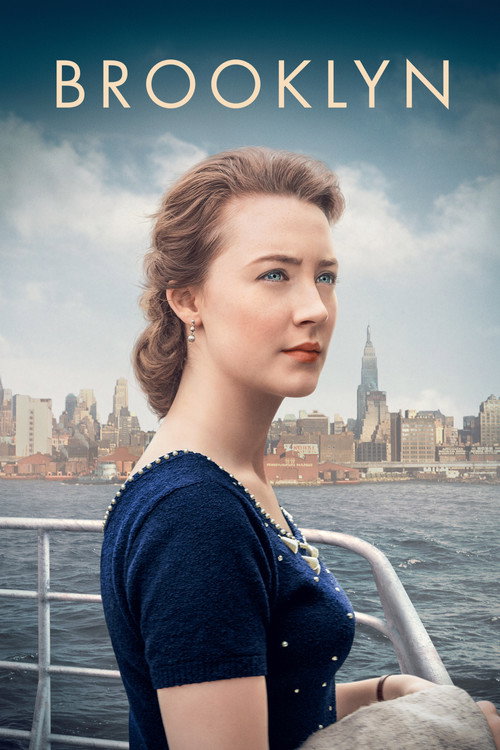
Brooklyn2015
A young Irish woman navigating emigration, family, and belonging. Saoirse Ronan is luminous. The melancholy of displacement mirrors Lughnasa's constrained longings.
But It's a love story first, and more traditionally plotted. The stakes are more personal, less collective than Lughnasa's portrait of a whole family.
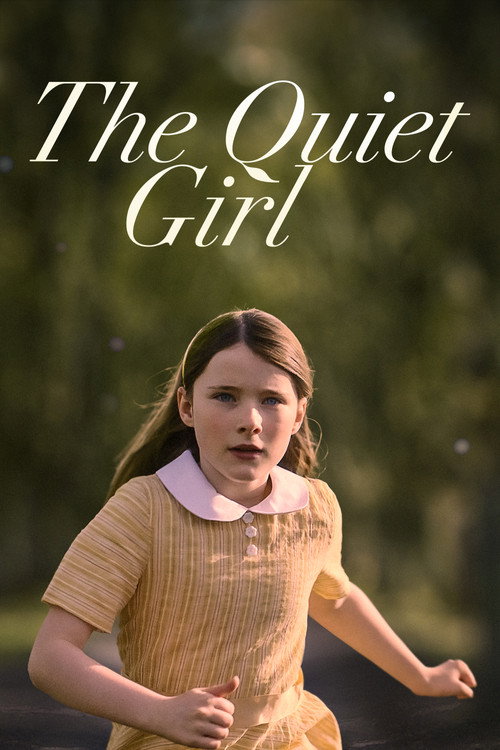
The Quiet Girl2022
Irish-language film about a neglected girl finding refuge with a foster family. Beautifully shot, tender, explores belonging and the unsaid. Lughnasa fans will recognize the sensibility.
But It's sparse and minimal. If you want narrative momentum or clear emotional resolutions, this withholds both intentionally.
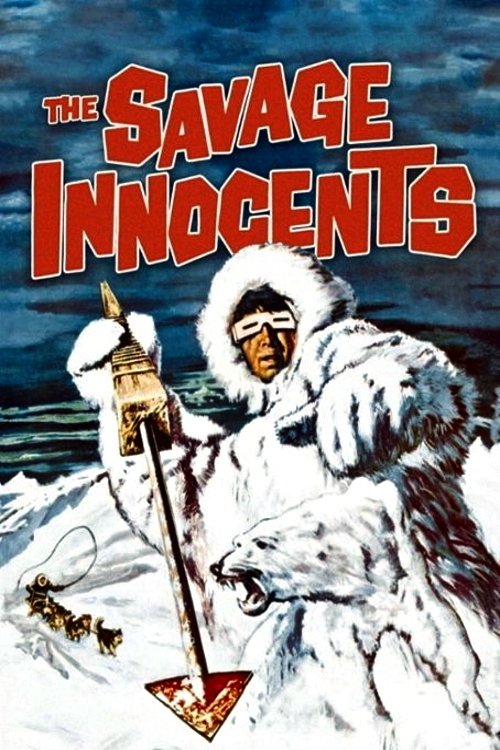
The Savage Innocents1960
Both films honor ordinary people's resourcefulness without sentimentality. Both value silence, work, and the dignity of limited choices made well.
An Inuit man and woman navigate survival and dignity in the Arctic. Shot in VistaVision with documentary precision but emotional subtlety. The same attention to how people sustain themselves within constraint, but in an entirely different register and setting.
But It's a Western, shot in harsh exteriors, with minimal dialogue and a very different narrative pace. The cultural context is distant, and some find the framing dated.
People
Cast
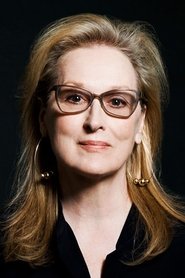 Meryl StreepKate Mundy
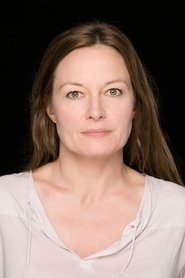 Catherine McCormackChristina 'Chrissy' Mundy
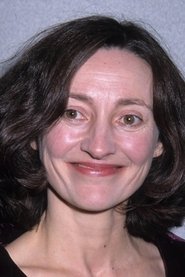 Brid BrennanAgnes 'Aggie' Mundy
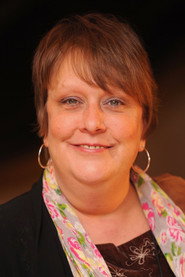 Kathy BurkeMargaret 'Maggie' Mundy
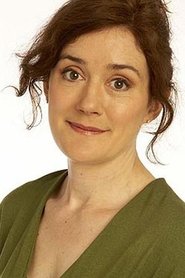 Sophie ThompsonRose 'Rosie' Mundy
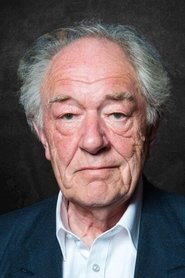 Michael GambonFather Jack Mundy
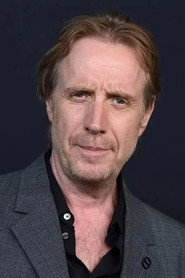 Rhys IfansGerry Evans
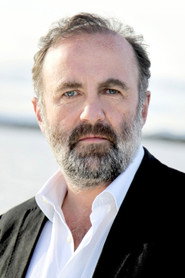 Lorcan CranitchDanny Bradley
- Darrell JohnstonMichael 'Mike' Mundy
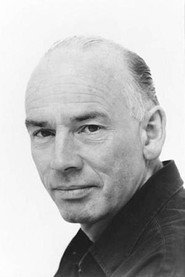 John KavanaghFather Carlin
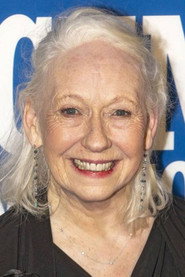 Marie MullenVera McLoughlin
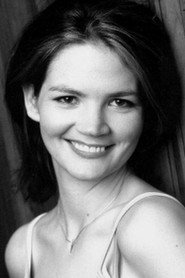 Dawn BradfieldSophie McLoughlin
Directing
- Pat O'ConnorDirector
Writing
- Frank McGuinnessScreenplay
- Brian FrielTheatre Play
Production
- Mary SelwayCasting
- Jane BarclayExecutive Producer
- Rod StonemanExecutive Producer
- Sharon Harel-CohenExecutive Producer
- Noel PearsonProducer