
Film
Black Is King
Beyoncé's visual album transforms The Lion King's mythology into a celebration of Black excellence, diaspora, and self-discovery. Eighty-five minutes of virtuosic filmmaking, dance, and music that functions as both art installation and spiritual reckoning. For anyone who experiences pop as cinema and wants to feel seen.
If you liked this
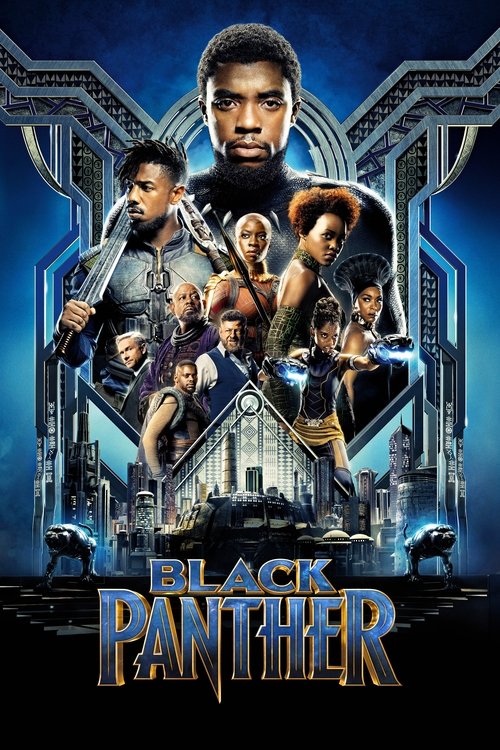
Black Panther2018
Like Black Is King, it's a blockbuster that centres Black culture as beautiful and powerful rather than decorative. The visual language is deliberately bold, the mythology is *yours*, and the whole film breathes with intention about representation.
But It's a superhero film first, which means three acts of plot machinery. If you're coming for pure artistic vision without narrative scaffolding, this will feel conventional.
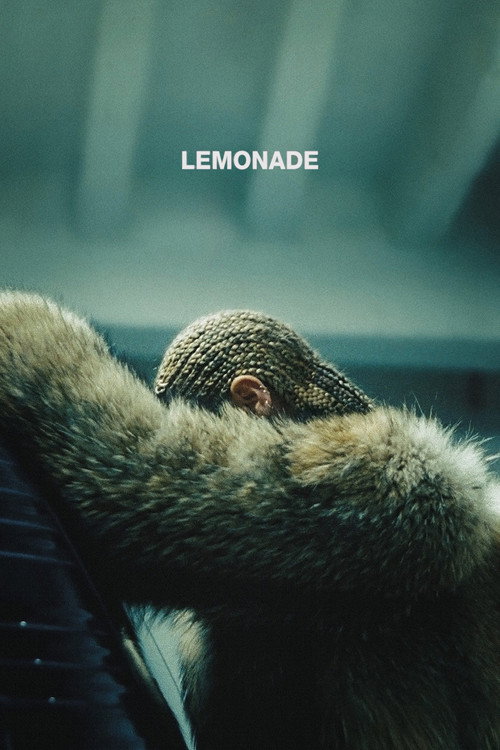
Lemonade2016
Beyoncé's previous visual album that proved pop stars could make cinema on their own terms. It's more fragmented and raw than Black Is King, but it shares the same fearlessness about mixing genres, mediums, and emotional registers into something that feels entirely new.
But At 65 minutes, it's abstract in places where Black Is King gives you narrative handholds. Some sequences won't resolve the way you expect, and that's the point—but it can feel frustrating if you want your art to explain itself.
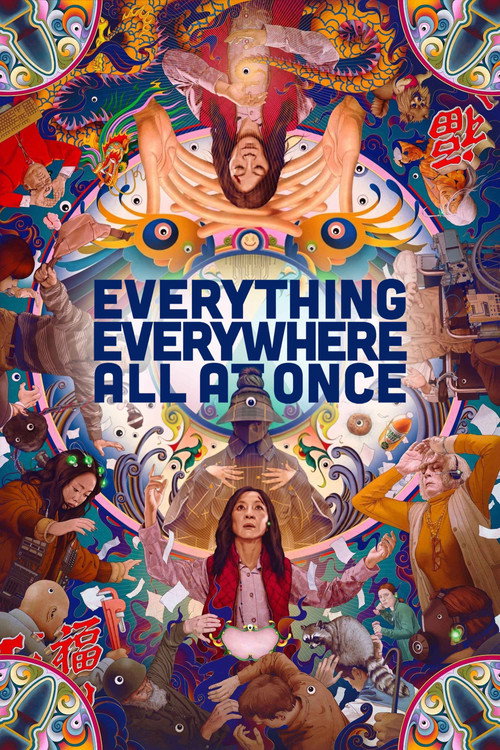
Everything Everywhere All at Once2022
Like Black Is King, it's visually maximalist and technically dazzling—colours explode, camera work is restless, and it uses the entire frame to tell its story. Both films trust the audience to keep up with rapid cuts and layered meaning.
But It's also chaotic by design. If you need your cinema to breathe and settle, this will feel exhausting rather than exhilarating, same as Black Is King might.
Not sure tonight? Get a pick in a minute, starting from Black Is King
The wildcard
Something you would not have found on your own.
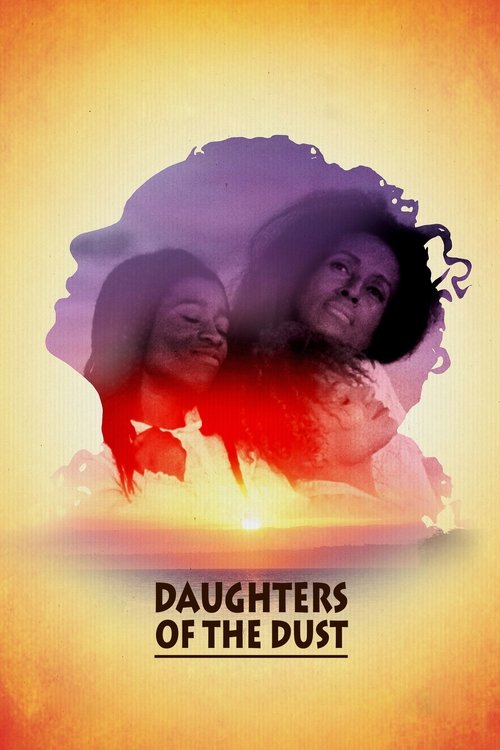
Daughters of the Dust1991
Both films use visual spectacle and music as primary language to tell stories about Black identity, ancestry, and the interior lives of their characters. Both refuse to be simple or transparent—they demand you meet them halfway, philosophically and emotionally.
Julie Dash's masterpiece is a meditation on ancestry, identity, and the Middle Passage told through visual poetry and non-linear storytelling. It's Black cinema as complete artistic vision—cinema that moves like music, that requires presence and patience. Essential viewing that influenced everyone after.
But The narrative is deliberately fragmented and elliptical. If you need clear plot, this will frustrate you. It's also grainy and shot in a style some may find dated, and there are long sequences of purely visual storytelling with minimal dialogue.
More like this (8)
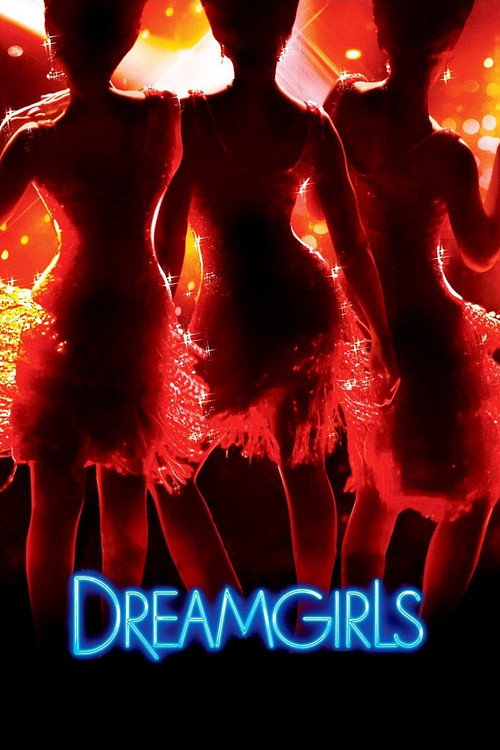
Dreamgirls2006
Another film about Black artistry, ambition, and reckoning with fame and identity. The musical numbers hit with visceral power, and it takes its characters' internal lives as seriously as their performances.
But It's a traditional narrative film from 1981, so the pacing and filmmaking language are very different. You won't get the experimental visual vocabulary that makes Black Is King feel so contemporary.
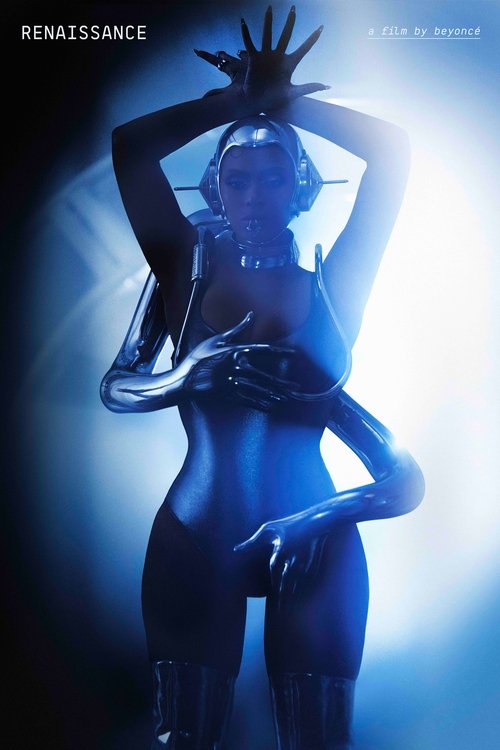
Renaissance: A Film by Beyoncé2023
Another visual project from Beyoncé that explores House music, queerness, and freedom through dance and visual spectacle. If Black Is King moved you, this extends that conversation into new sonic and cultural territory.
But It's concert footage and dance rather than storytelling. The structure is looser, less driven by narrative momentum, which some viewers find less engaging.
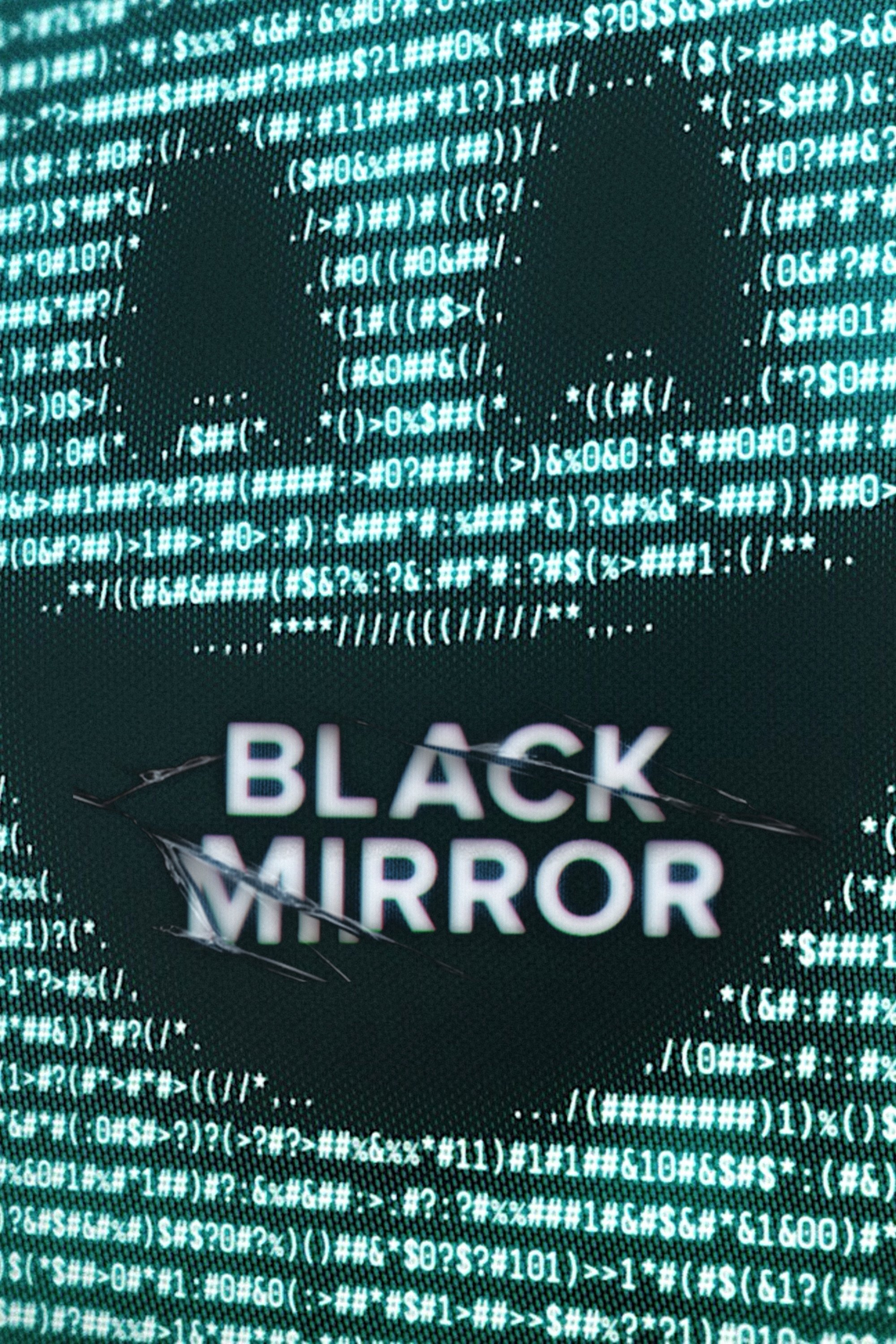
Black Mirror2011
A single episode that's tightly constructed and visually inventive, wrestling with technology and power dynamics. Like Black Is King, it refuses to be simple about its subjects—no easy villains, no neat resolutions.
But It's claustrophobic and cynical where Black Is King is expansive and celebratory. The mood is completely different, which could feel like a downer after that film's majesty.
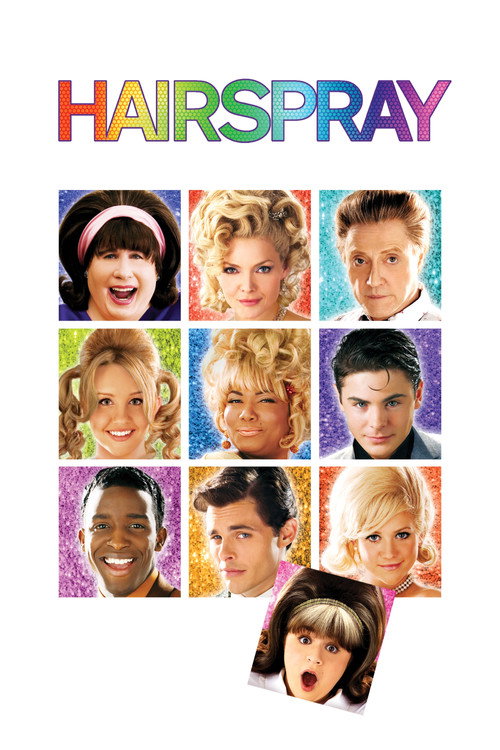
Hairspray2007
A big-hearted musical about identity, acceptance, and dancing in defiance of the system. It uses music and performance as its primary language, same as Black Is King, and believes joy is radical.
But It's a mainstream commercial musical, cheerful and relatively straightforward in its politics. After Black Is King's sophistication and ambiguity, it might feel simple or saccharine.
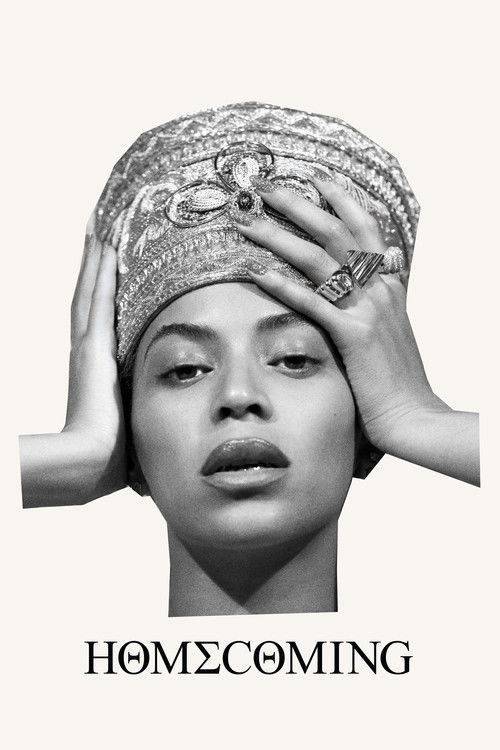
HOMECOMING: A film by Beyoncé2019
Documentary of her 2018 Coachella set, and it's fundamentally about legacy, discipline, and Black excellence in spaces not always built for it. Visual precision and cultural weight in every frame.
But It's a concert film, so you're not getting narrative or character arc. If you need dramatic structure to stay invested, the repetition of live performance—however brilliant—can feel monotonous.
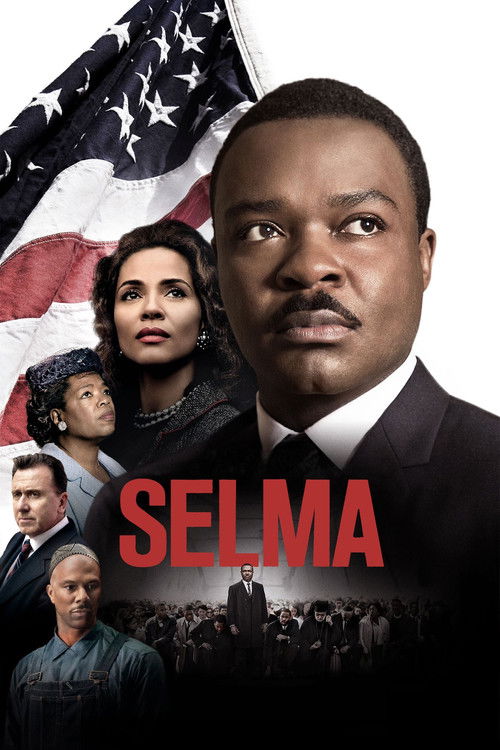
Selma2014
Uses visual storytelling to explore resistance and dignity. The cinematography is purposeful and gorgeous, the performances are grounded and real, and it treats historical struggle with appropriate weight.
But It's a historical drama about real trauma and violence. The tone is serious throughout. Nothing like the stylized exuberance and celebration of Black Is King.
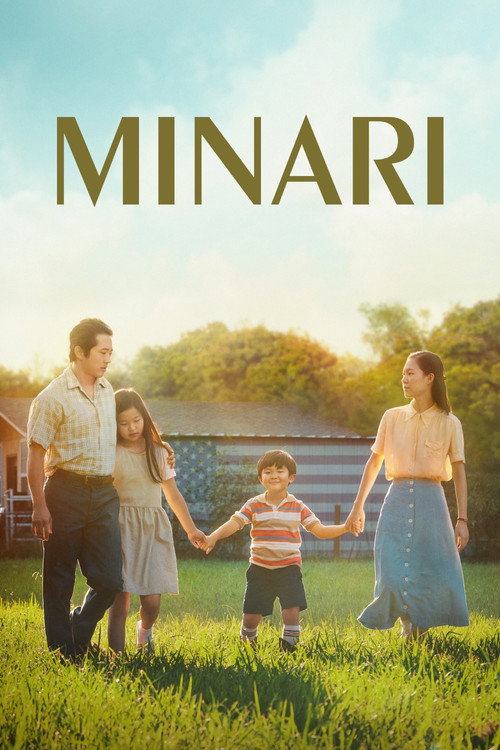
Minari2021
Both explore what it means to build a kingdom—literally or metaphorically—in a space that wasn't necessarily built for you. Both are about diaspora, reinvention, and the interior lives of people searching for home and identity.
A quiet, intimate film about diaspora, family, belonging, and the cost of pursuing a dream. Where Black Is King is visually symphonic, Minari is a chamber piece—but both are about the search for a place to be yourself. It's tender and unsentimental, and will wreck you.
But It's in Korean and English with subtitles. The scale is small and rural. It has almost no score. After Black Is King's visual abundance, this minimalism might feel austere, not meditative.
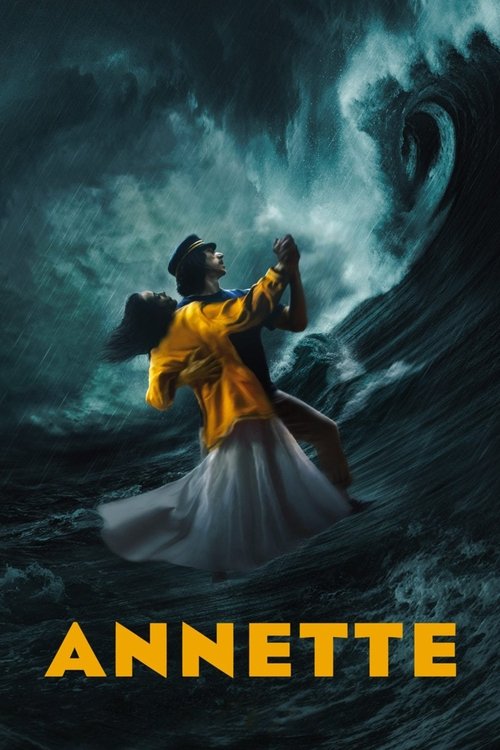
Annette2021
Both films blur the line between music video, performance art, and narrative cinema. Both use extreme visual stylization not for its own sake but as the truest way to express internal emotional states. Both trust the audience to follow artistic vision over conventional storytelling.
A rock opera directed by Leos Carax that's visually outrageous and sonically adventurous. It treats pop music and high art as the same thing, trusts the audience to stay with formal experimentation, and finds transcendence in performance and artifice. Utterly original.
But It's deliberately artificial and operatic. The plot is secondary to mood and visual language. Some will find it pretentious, incomprehensible, or just deeply weird. It doesn't care if you love it.
People
Cast
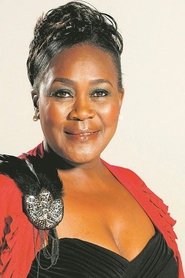
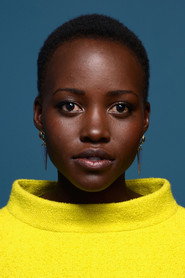
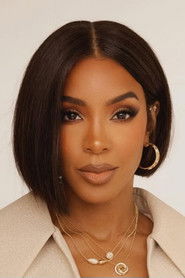
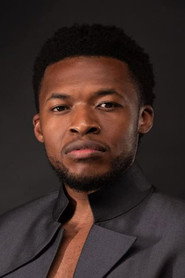
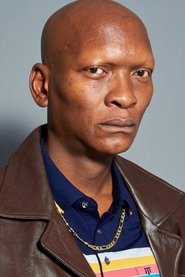
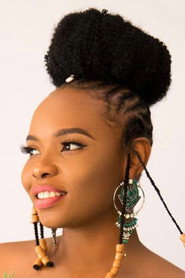
Directing
- Dafe OboroCo-Director
- Julian KlincewiczCo-Director
- Kwasi FordjourCo-Director
- BeyoncéDirector
- Blitz BazawuleDirector
- Dikayl RimmaschDirector
- Emmanuel AdjeiDirector
- Ibra AkeDirector
- Jake NavaDirector
- Jenn NkiruDirector
- Pierre DebusschereDirector
- Ev SolomonFirst Assistant Director
Writing
- Andrew MorrowWriter
- BeyoncéWriter
- Clover HopeWriter
- Warsan ShireWriter
- Yrsa Daley-WardWriter
Production
- Anissa WilliamsCasting
- Wesley GainerCasting Associate
- Anissa WilliamsCasting Director
- Anna SmithExecutive Producer
- BeyoncéExecutive Producer
- Erinn WilliamsExecutive Producer
- Janet RolléExecutive Producer
- Nathan ScherrerExecutive Producer
- Steve PamonExecutive Producer
- Leke Alabi-IsamaLine Producer
- Akin OmotosoProducer
- Astrid EdwardsProducer
- Ben CooperProducer
- Derek DixieProducer
- Erinn WilliamsProducer
- Janet RolléProducer
- Jason BaumProducer
- Jeremy SullivanProducer
- Jimi AdesanyaProducer
- Lauren BakerProducer
- Nathan ScherrerProducer
- Rethabile MothobiProducer