
Film
Dark Girls
A documentary examining colourism within and beyond Black American communities, centring dark-skinned women's experiences of bias and discrimination. Directors Hill and Iheanyi weave personal testimonies, historical context, and cultural analysis into an urgent, intimate exploration of how beauty standards wound from the inside out. Essential viewing for anyone wanting to understand a conversation that rarely gets adequate airtime.
Should you watch it?
Watch it if you want a personal, unhurried look at colorism built from people speaking for themselves, and you can sit with painful testimony rather than wanting it argued at you.
Skip it if you want a rigorous academic survey or a debate with opposing voices, since this stays close to personal testimony rather than countering it.
What it asks of you: It runs seventy-one minutes and moves slowly, letting each speaker finish, so it asks for patience and a willingness to feel uncomfortable without much relief in between.
Not sure? Find tonight's pick in a minute.
If you liked this
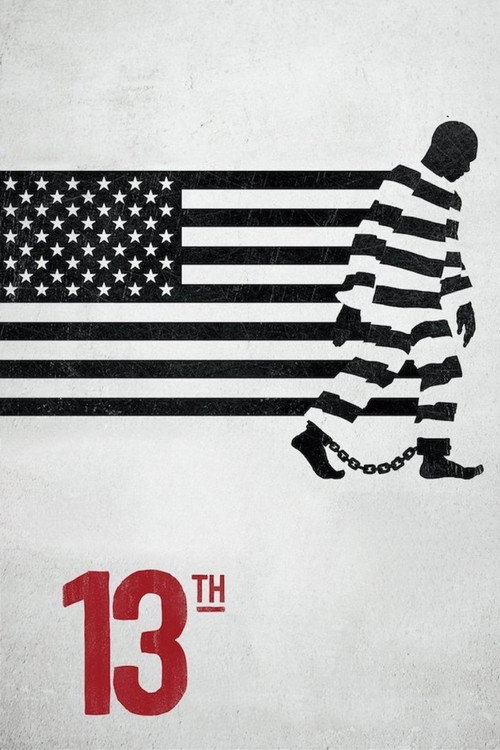
13th2016
Ava DuVernay's systemic analysis of race, incarceration, and American power structures. Like Dark Girls, it traces how bias becomes baked into institutions and survives through coded language. Intellectually rigorous and visually brilliant.
But Dense with historical detail and archive footage; it moves at an analytical pace rather than an emotional one. Some find it exhausting rather than cathartic.
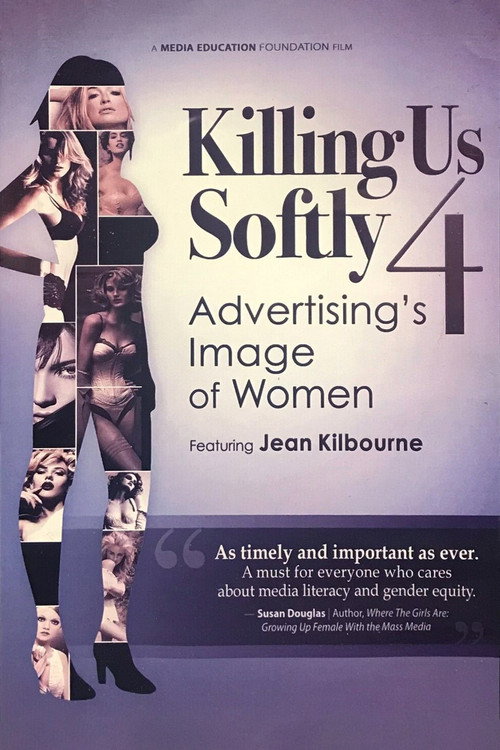
Killing Us Softly 4: Advertising's Image Of Women2010
Jean Kilbourne's critique of how advertising constructs and weaponises impossible beauty standards. Complements Dark Girls perfectly by widening the lens—showing how these images colonise all women's minds, starting young. Furious and clarifying.
But Made a decade ago; some references will feel dated. The analysis, however, has aged better than you'd hope.
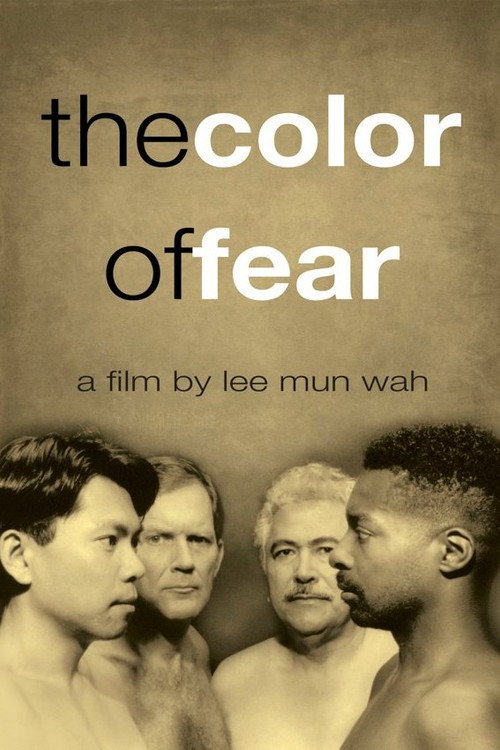
The Color of Fear1994
A facilitated conversation between men of different races about racism, prejudice, and the emotional weight of living in America. Raw, sometimes uncomfortable dialogue that mirrors Dark Girls' commitment to listening. Reveals how differently the same country is experienced.
But Low production values and slow pacing. The format is deliberately unglamorous, which serves the content but won't suit viewers wanting narrative momentum.
Not sure tonight? Get a pick in a minute, starting from Dark Girls
The wildcard
Something you would not have found on your own.
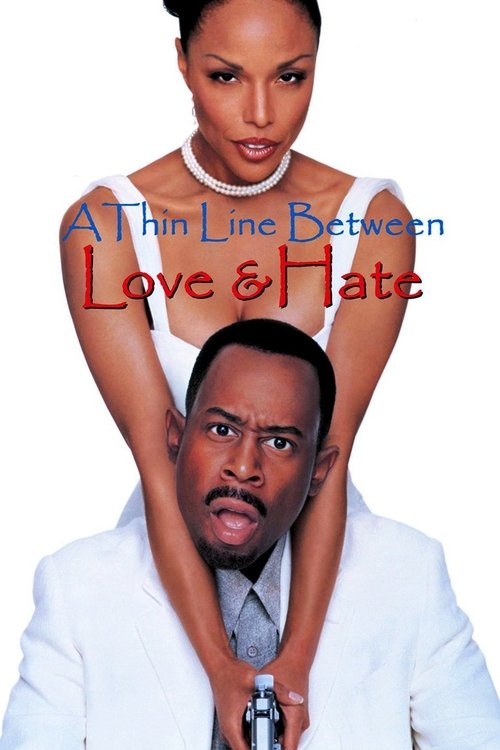
A Thin Line Between Love and Hate1996
Both centre the emotional and social damage of colourism within Black communities; this one just uses comedy and romance as its container instead of testimony and analysis.
Martin Lawrence comedy-drama about colourism and desirability that Dark Girls references implicitly. It's messier, funnier, and less didactic—a film that *performs* the attitudes rather than explaining them. Lets you sit with the discomfort in a different way. Genre surprise: dark comedy as documentary method.
But Martin Lawrence's brand of humour hasn't aged uniformly. Some sequences feel dated; the film's treatment of women is sometimes uncomfortable even when that's partly the point.
More like this (4)
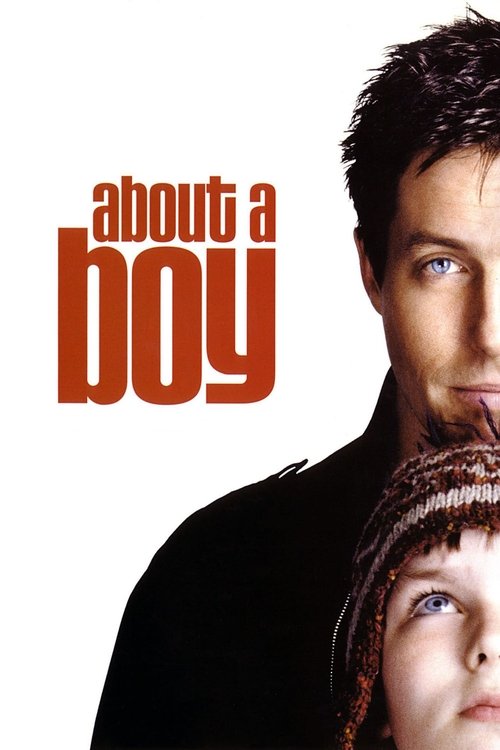
About a Boy2002
A sprawling, character-driven comedy about connection, identity, and the arbitrary hierarchies that govern how people see each other. Not explicitly about race, but deeply interested in how we judge and are judged. Warmth beneath the cynicism.
But Tonally all over the place—romantic, sad, silly, then serious. If you want thematic consistency, this isn't it.
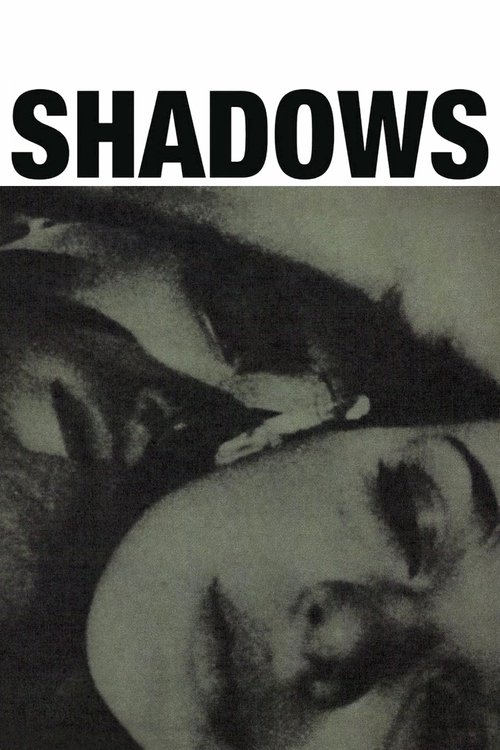
Shadows1960
John Cassavetes' improvisational jazz-inflected drama about three Black siblings navigating identity, love, and belonging in New York. Not a documentary, but a felt, lived exploration of code-switching and how identity isn't fixed. Poetry instead of argument.
But Famously unpolished; the loose, experimental style alienates viewers looking for traditional narrative. Also unavoidably a product of its era in certain ways.
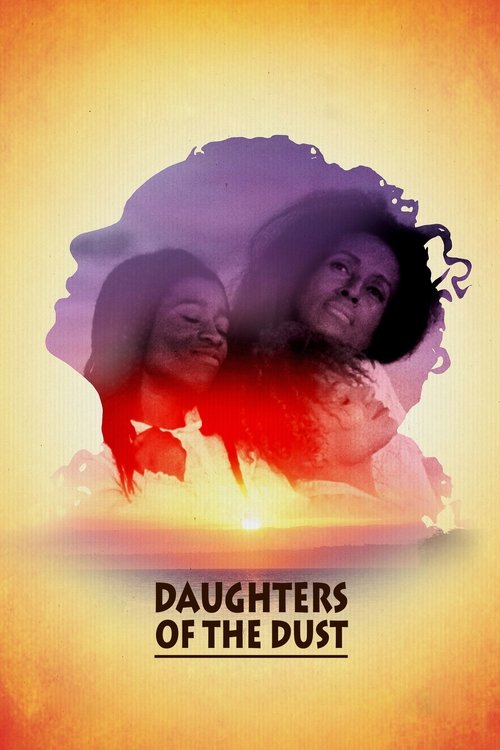
Daughters of the Dust1991
Both centre Black women's interiority as the centre of the frame. Dash does it through image and abstraction where Dark Girls uses testimony; they're asking the same question about who gets to narrate our own stories.
Julie Dash's only feature is a visual poem about Gullah women on the eve of diaspora, layered with memory, spirituality, and beauty. Not a documentary, but it documents feeling—the interior world Dark Girls reaches toward. Gorgeously shot, narratively slippery, absolutely hypnotic.
But The plot is minimal and deliberately hard to follow. If you need clear story progression and character arcs, this will frustrate you. Also extremely slow.
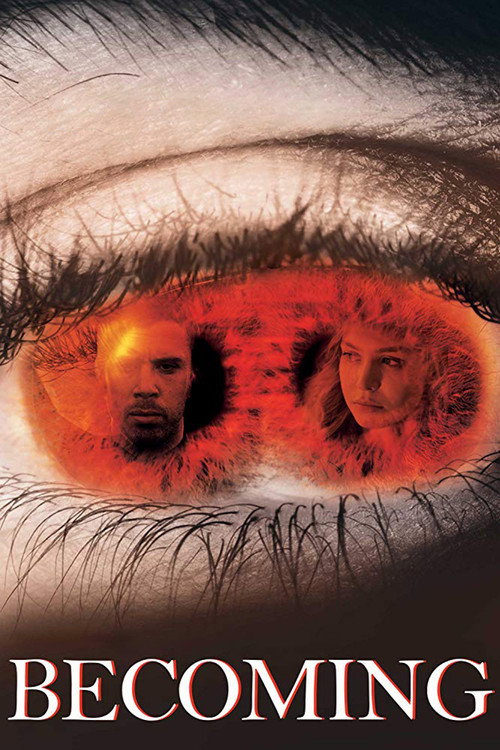
Becoming2020
Both centre how Black women navigate a world built on their diminishment; this one traces one woman's particular journey where Dark Girls traces collective testimony, but the core wound is the same.
Nonfiction portrait of Michelle Obama exploring identity, ambition, and the cost of visibility for Black women in America. More memoir than polemic, but asks similar questions about self-presentation, beauty standards, and the pressure to shrink. Intimate without being confessional. A conversation rather than a sermon.
But Essentially a very polished personal essay. If you want rigorous social analysis rather than reflection, it won't satisfy. Also impossible to separate from politics if that bothers you.
People
Cast
- Soren BakerSelf
- Ronald BoutelleSelf
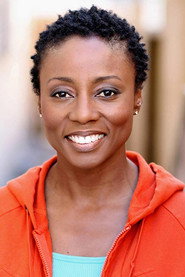 Joni BovillSelf
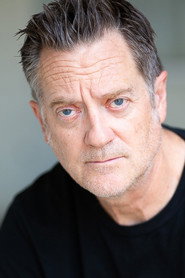 Kirk BovillSelf
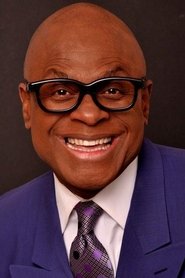 Michael ColyarSelf
- Benton CookeDr. Benton Cooke
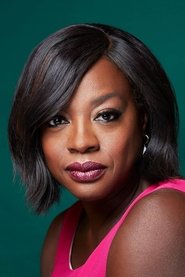 Viola DavisSelf
Directing
- Bill DukeDirector
- D. Channsin BerryDirector