
Film
The Color of Fear
- Social drama
- Slow-burning
Lee Mun Wah convenes eight men from different racial backgrounds for an unflinching dialogue about racism in America. What unfolds is raw, painful, and often uncomfortable—a masterclass in difficult conversations where masks slip and real listening happens. Essential viewing for anyone who thinks they understand race, or anyone avoiding the subject entirely.
Should you watch it?
Watch it if you are drawn to raw, unscripted conversation where men of different backgrounds argue, break down and actually listen to each other about race, and you don't mind the discomfort that comes with it.
Skip it if you want a documentary with narration, outside experts and a clear argument, since this one is mostly a single room of men talking and the emotional intensity can feel heavy going.
What it asks of you: It runs about ninety minutes and stays in one room with close, often uncomfortable exchanges, so it asks for patience and a willingness to sit through long stretches of talk rather than quick cuts.
Not sure? Find tonight's pick in a minute.
If you liked this
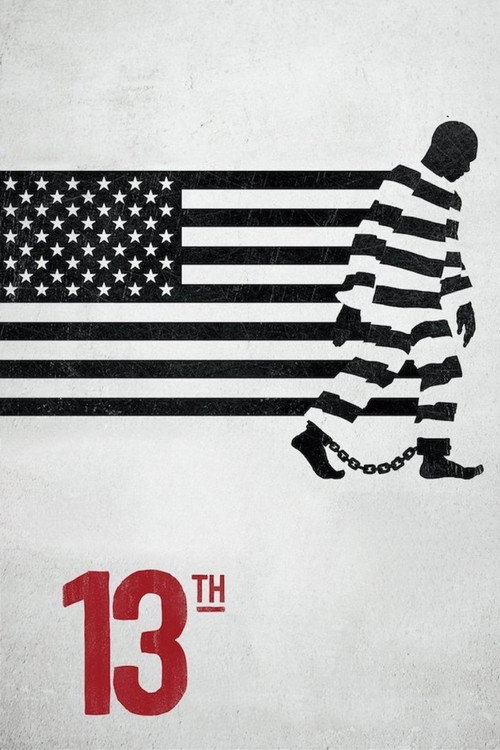
13th2016
Ava DuVernay's documentary traces America's racial justice system from slavery through mass incarceration with clear-eyed fury and structural brilliance. Complements The Color of Fear by explaining the systems that fuel the individual pain.
But Dense with historical detail and archive footage; it's more lecture than conversation, which some find less immediate than face-to-face testimony.
Moonlight2016
A Black man's life in three chapters, told with poetic restraint about identity, desire, and the masks we wear. Shows rather than tells the interior cost of existing in a hostile world.
But Deliberately paced and symbolic. If you want explicit dialogue about race, you won't find it here—you'll feel it instead.

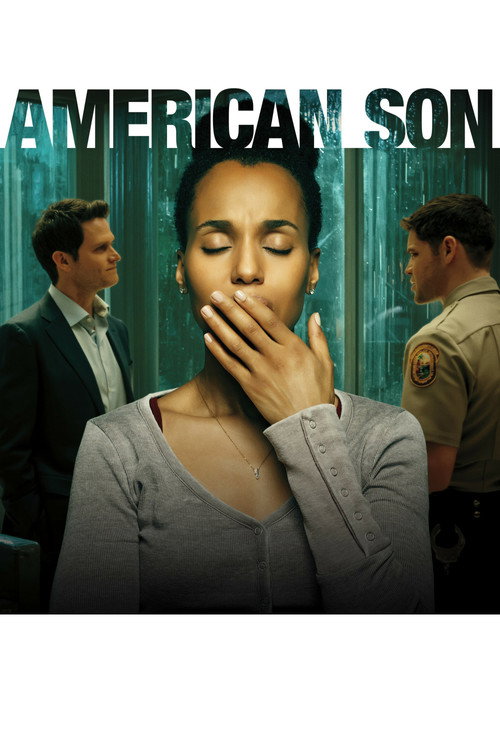
American Son2019
Kerry Washington and Steven Pasquale in a two-hander about a mother's panic when her biracial son goes missing in Miami. A play adapted for film that interrogates fear, privilege, and what we assume about each other.
But Stagey at moments; the two-person format means nowhere to hide from the argument, which some find exhausting rather than clarifying.
Not sure tonight? Get a pick in a minute, starting from The Color of Fear
The wildcard
Something you would not have found on your own.
Stalker1979
Both films trust silence and the space between words. They believe transformation happens in conversation, in the willingness to sit with discomfort until something shifts. Neither offers easy answers—both ask you to stay present with ambiguity.
Andrei Tarkovsky's science-fiction meditation on desire, faith, and what we're willing to risk for transformation. A man guides two companions through a mysterious zone toward a room that supposedly grants wishes. It's slow, hypnotic, and asks what happens when we finally confront what we want.
But 163 minutes of philosophical Russian cinema with no plot momentum or action. If you need something to happen, this will feel like punishment.

More like this (4)
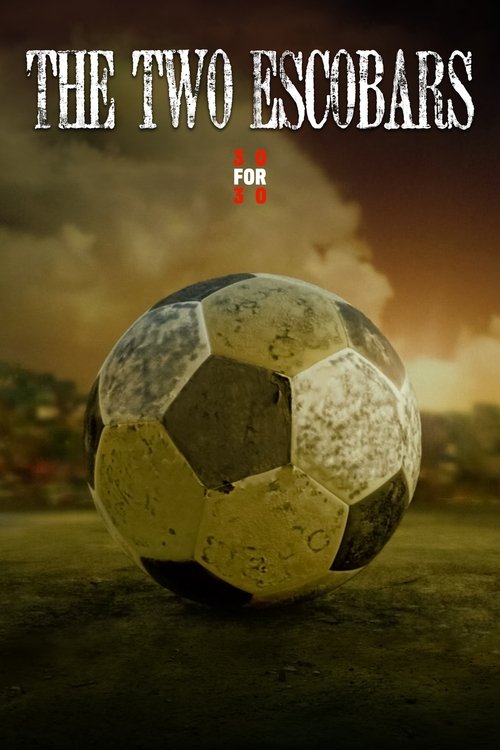
The Two Escobars2010
About two men named Escobar—a footballer and a drug lord—and how Colombia's violence reached into sport. Uses one story to explain a nation's trauma and the spaces where ordinary life intersects with horror.
But Sport documentary conventions can feel thin for what's actually a story about death and complicity. Might leave you wanting deeper investigation.
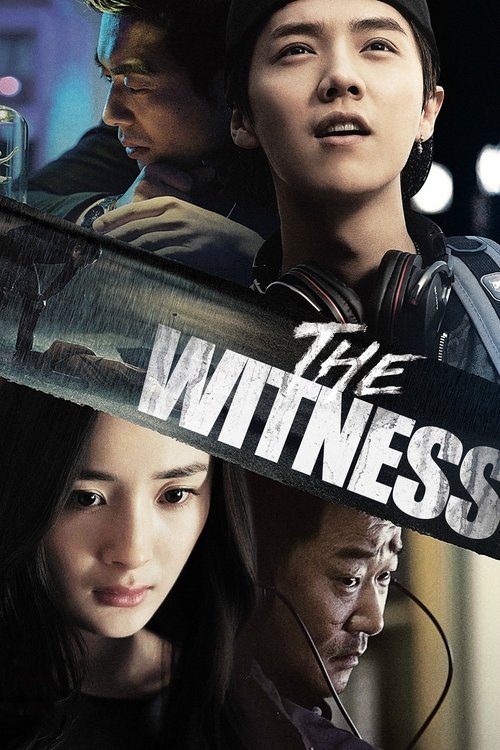
The Witness2015
A documentary about the murder of Kitty Genovese and our myths about urban indifference. Methodical and haunting, it shows how collective silence makes individual traumas possible.
But Deliberately slow-burn; it relies on your patience to care about questions that feel like they've been answered already.
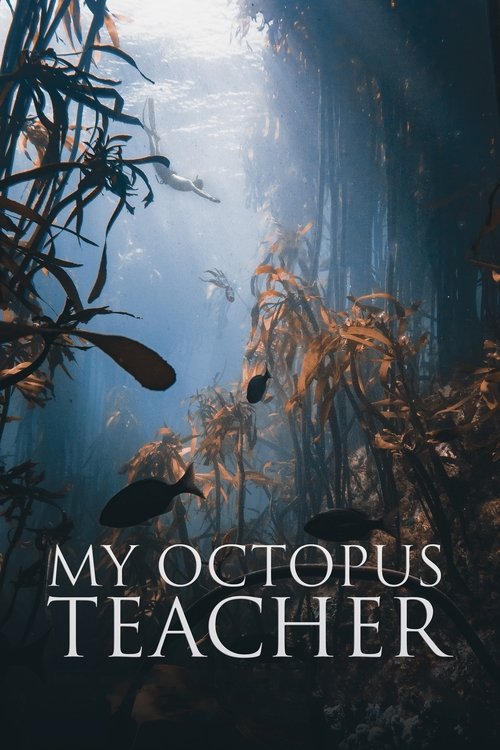
My Octopus Teacher2020
The Color of Fear is about learning to see across difference. This film does something similar through an octopus—showing how understanding requires patience, repeated exposure, and the courage to be changed by what you encounter. Both are about breaking down the wall between self and other.
A filmmaker spends a year observing an octopus in a South African kelp forest, and through that attention, learns about vulnerability, otherness, and connection. It's a documentary about intimacy with something utterly foreign.
But Humanizes an animal in ways that can feel sentimental; some viewers find the spiritual transcendence overwrought or manipulative.
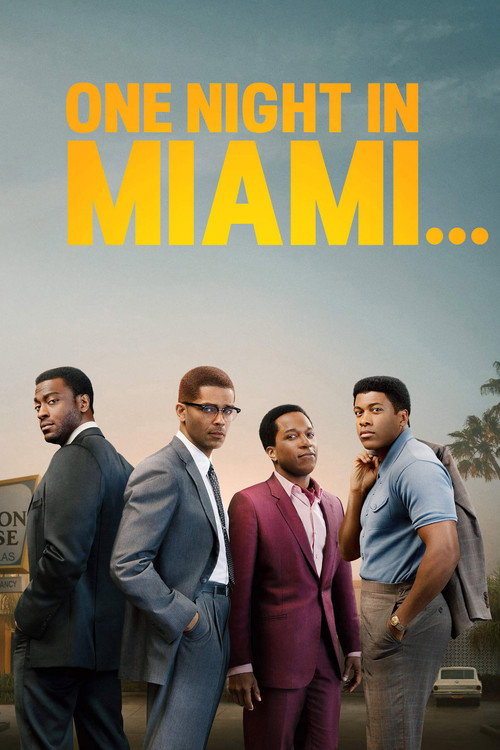
One Night in Miami...2020
Like The Color of Fear, it's structured around men from different positions having to actually listen to each other. The conversation IS the event. Both films prove that dialogue about hard things—when done well—is as gripping as any plot.
Regina King directs four real men—Malcolm X, Sam Cooke, Jim Brown, Cassius Clay—in a fictionalized night of conversation in 1964. It's a play adapted for film, and it crackles with argument about activism, complicity, and what resistance looks like.
But Entirely dialogue-driven with invented scenes; if you want historical fact, this isn't it. The theatricality can feel mannered if you're not willing to meet it.
People
Cast
- Roberto AlmazánSelf
- Hugh VasquezSelf
- Gordon ClaySelf
- Victor LewisSelf
- Loren MoyeSelf
- Yutaka MatsumotoSelf
- David LeeSelf
- Lee Mun WahSelf
Directing
- Lee Mun WahDirector
Production
- Monty HunterCo-Producer
- Lee Mun WahProducer