
Film
The Black Godfather
A 1974 blaxploitation thriller that flips the mob-family template: a Black crime boss protects his neighborhood from Mafia drug dealers using his own criminal apparatus. It's earnest, stylish, and unapologetic about its pulp appeal—a product of its moment that treats its premise with genuine gravity rather than parody or apology.
If you liked this
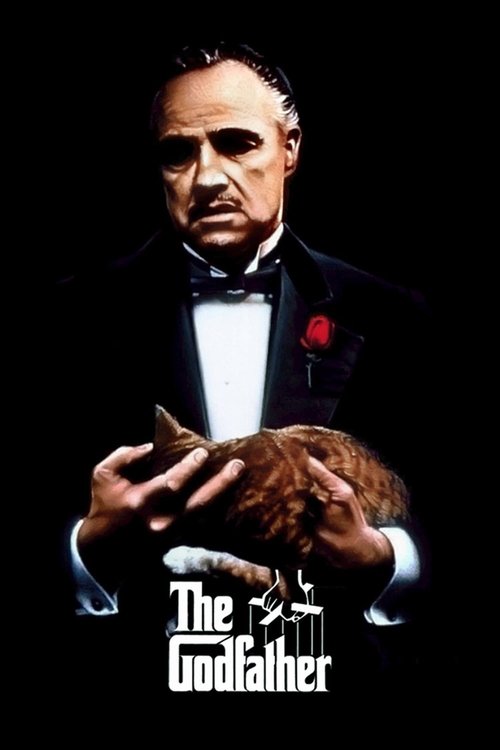
The Godfather1972
The structural DNA The Black Godfather borrows and transforms: loyalty, family honor, territorial power. Coppola's masterpiece shows you what Perry's film is riffing on, and why the inversion matters.
But Nearly three-and-a-half hours, deliberately paced, baroque in ambition. Not everyone connects with its operatic grief and philosophical weight.
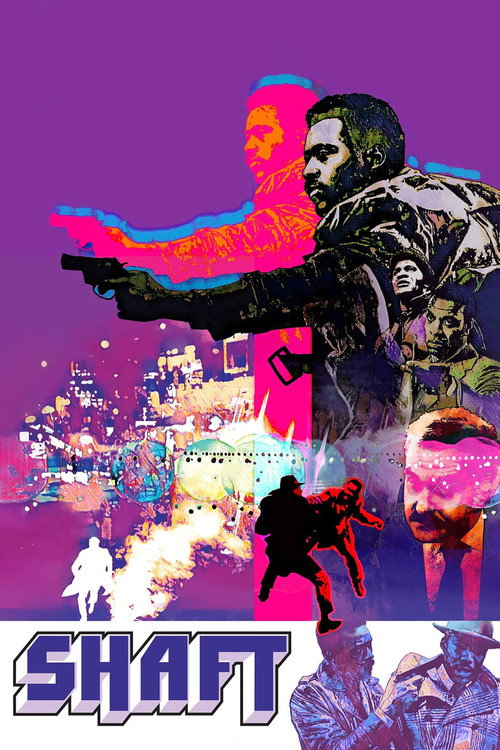
Shaft1971
Isaac Hayes' theme alone is worth the price of admission. A private detective navigates Harlem's criminal underworld with style and agency—foundational blaxploitation that inspired everything after.
But The plot mechanics feel dated now, and some of its gender politics are genuinely uncomfortable. Worth pushing through, but you'll notice.
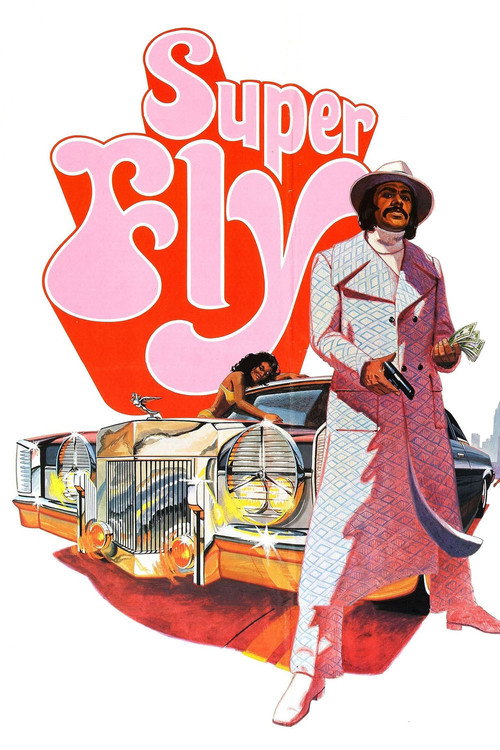
Super Fly1972
Curtis Mayfield's score is a work of art, and the film captures 1970s Harlem with documentary-like detail. A cocaine dealer's last score before retirement becomes a meditation on complicity and escape.
But The protagonist is morally compromised in ways the film doesn't resolve. If you need your heroes clean, this will frustrate you.
Not sure tonight? Get a pick in a minute, starting from The Black Godfather
The wildcard
Something you would not have found on your own.
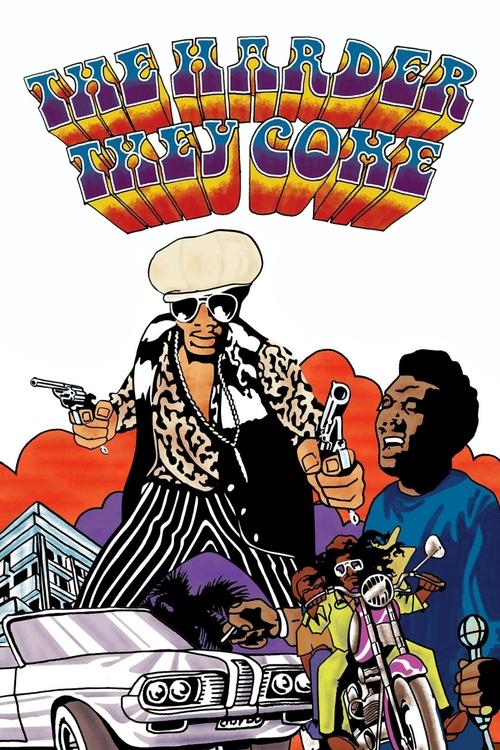
The Harder They Come1972
Both are postcolonial crime films that use the genre to examine structural inequality, featuring protagonists who operate outside the law not from evil but from necessity and pride.
A Jamaican film where reggae singer Jimmy Cliff becomes a folk-hero outlaw fighting a corrupt recording industry. Like The Black Godfather, it uses crime-film grammar to tell a story about systemic oppression and economic survival in the Global South.
But Thick Jamaican patois with minimal subtitles; patience required. The pacing is leisurely by action-film standards, and the narrative is elliptical rather than tight.
More like this (8)
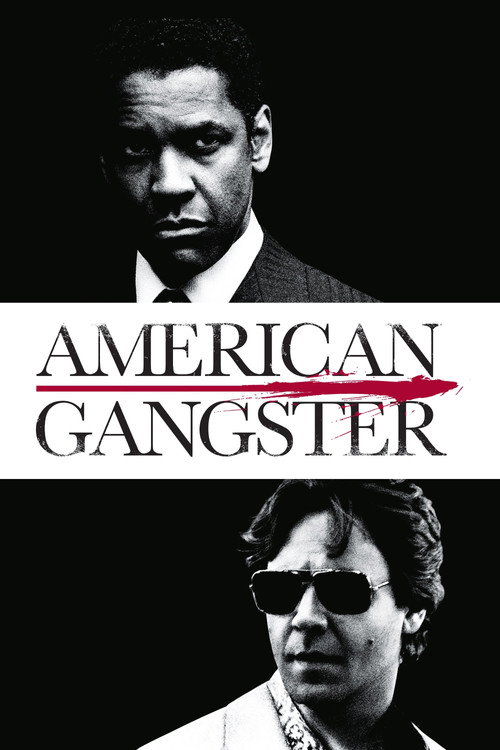
American Gangster2007
Ridley Scott gives Denzel Washington a Godfather-scale treatment: a Harlem drug lord's rise during the Vietnam War. Prestige filmmaking applied to the same materials that fueled '70s exploitation.
But Nearly two-and-a-half hours of slow accumulation. Some find its pace glacial; the second half sags under its own ambition.
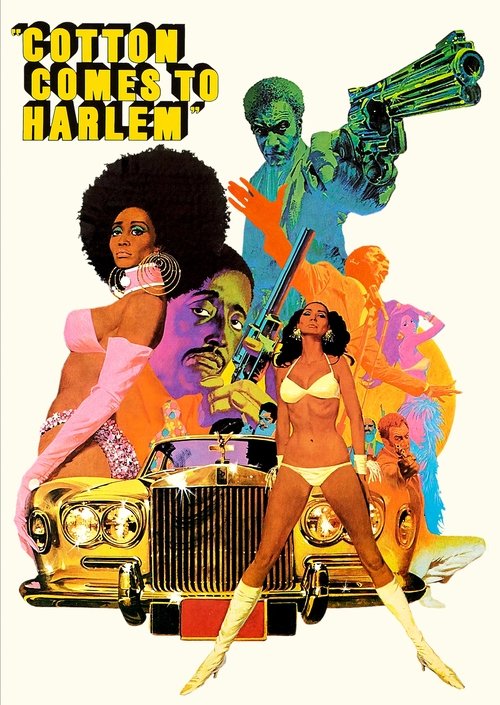
Cotton Comes to Harlem1970
An earlier blaxploitation comedy-thriller with Godfrey Cambridge and Raymond St. Jacques. Looser and funnier than the gun-heavy successors, it's essential context for understanding the genre's tonal range.
But The humor doesn't always land; some gags feel dated even for 1970. Requires patience with its own comic timing.
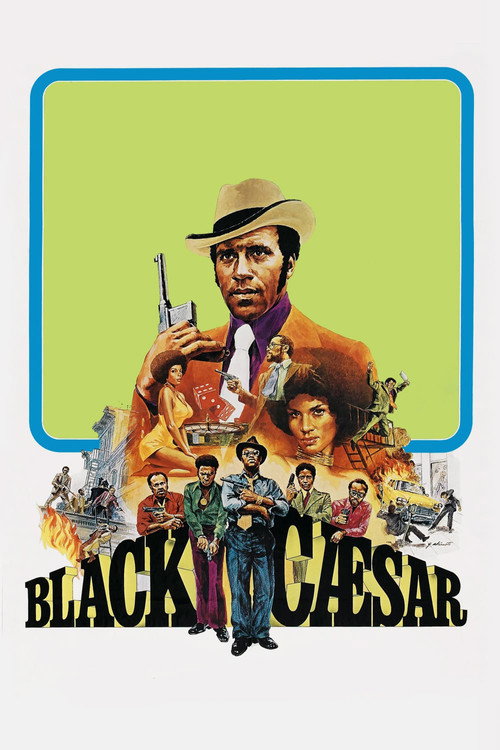
Black Caesar1973
Fred Williamson as a Harlem numbers runner who becomes a mob boss. James Brown's explosive score drives a film that's more interested in Black agency within criminal structures than moral judgment.
But The violence is sudden and casual. It doesn't glory in it, but it doesn't flinch either—which some will find gratuitous.
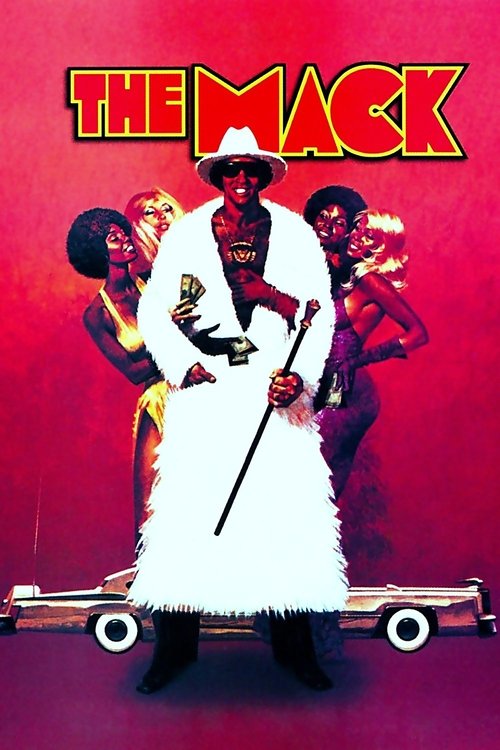
The Mack1973
Max Julien as a pimp navigating Harlem's street economy with style and survival instinct. Surprisingly nuanced about exploitation and power, with a genuine tragic arc beneath the funk aesthetic.
But Its depiction of women is inseparable from its subject matter. You're watching a film about pimps, which means watching women be commodified—it's the point, but it's difficult.
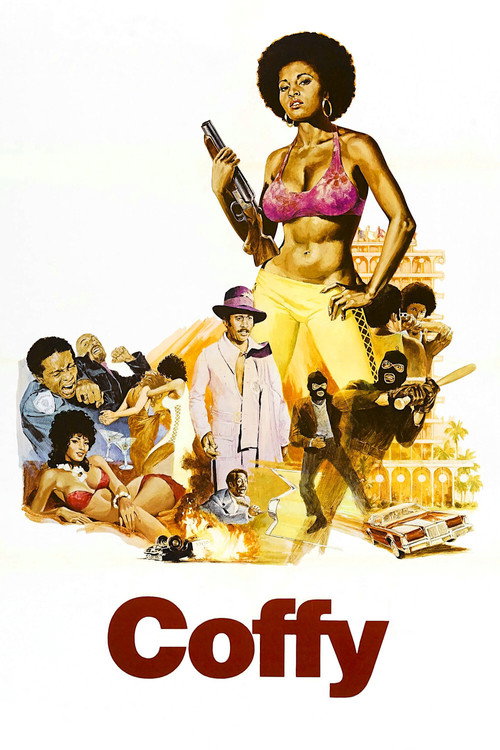
Coffy1973
Pam Grier as a nurse turned vigilante, dismantling the drug trade that destroyed her sister. Raw, genre-crossing (part exploitation, part revenge thriller), and genuinely angry in ways studio films couldn't be.
But The exploitation elements are explicit and uncomfortable. If you're watching for pure genre thrills without the genre's historical baggage, you'll feel that baggage heavily.
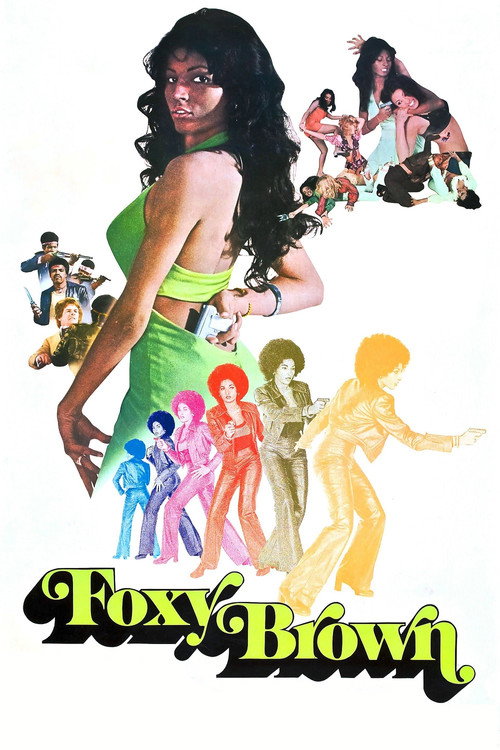
Foxy Brown1974
Pam Grier again, this time as a con artist and informant caught between the mob and the cops. More assured than Coffy, with a final act that remains genuinely shocking.
But Tonally uneven—lurches between camp and brutality. Some scenes play as exploitation even by blaxploitation standards, which may distance you from the film's actual anger.
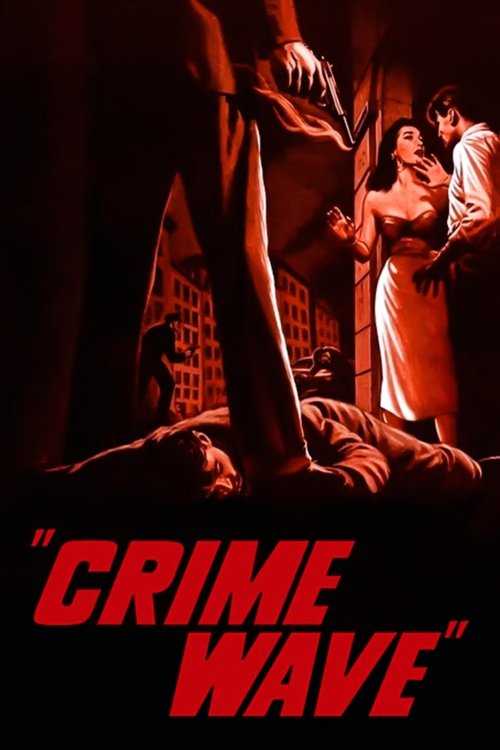
Crime Wave1953
Both films make race and systemic entrapment the story's engine, using noir/crime structures to explore what happens when the system offers you no legal path forward.
Fritz Lang's film noir about a paroled man trapped between criminals and cops in Los Angeles. A lean, tense study of a Black man navigating a system designed to destroy him—noir's racial subtexts made explicit.
But Black and white, 73 minutes, visually austere. If you want color and spectacle, this is severe. No score; just dialogue and sound design.
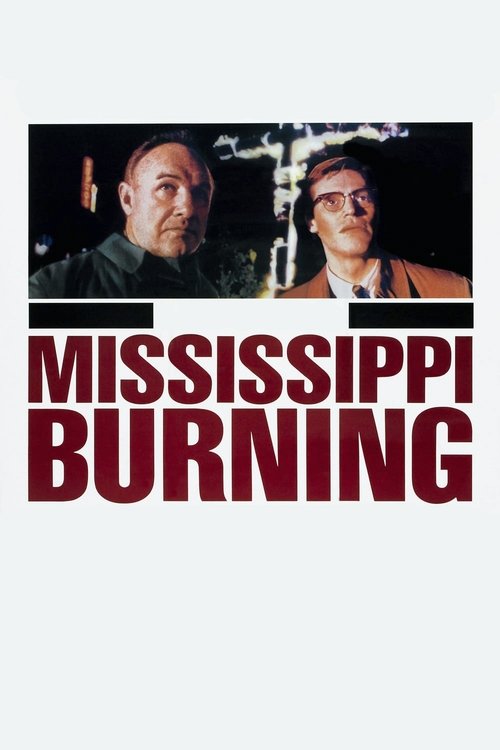
Mississippi Burning1988
A retrospective companion: where The Black Godfather shows Black self-determination through crime, Mississippi Burning shows how that desperation was created—by the state institutions that hunted and imprisoned Black men.
A white FBI agent and Black Mississippi detective hunt the Klan in the '60s. Not for its racial politics (which are complicated), but for how it visualizes institutional racism and state complicity in ways The Black Godfather's 1974 perspective makes clear.
But Directed by a white man with a white hero at its center—it subordinates Black agency to a white savior narrative that undermines its own moral clarity. Watch it knowing that's a real problem.
People
Cast
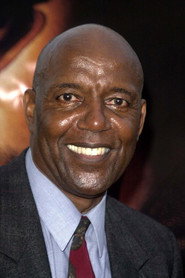 Rod PerryJ. J.
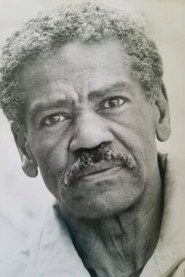 Damu KingDiablo
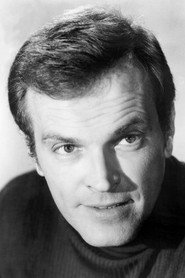 Don ChastainTony Burton
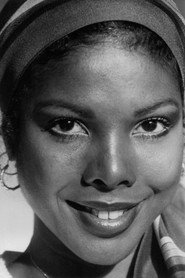 Diane SommerfieldYvonne
- Duncan McLeodLt. Joe Sterling
 Tony BurtonSonny Spyder Brown
- Anny GreenHoney
 John AldermanCockroach
 Betsee FinleeJunkie (as Betsy Finley)
- Cinque AttucksWinston
Directing
- John EvansDirector
Writing
- John EvansWriter
Production
- Jerry GrossExecutive Producer
- John EvansProducer