
Film
Hammer
Fred Williamson is B.J. Hammer, a scrappy laborer turned boxer in this 1972 blaxploitation action film. It's lean and kinetic, built on fight choreography and street-level charisma rather than plot complexity. For viewers who love the era's raw physicality and unapologetic genre pleasures, it's essential viewing.
If you liked this
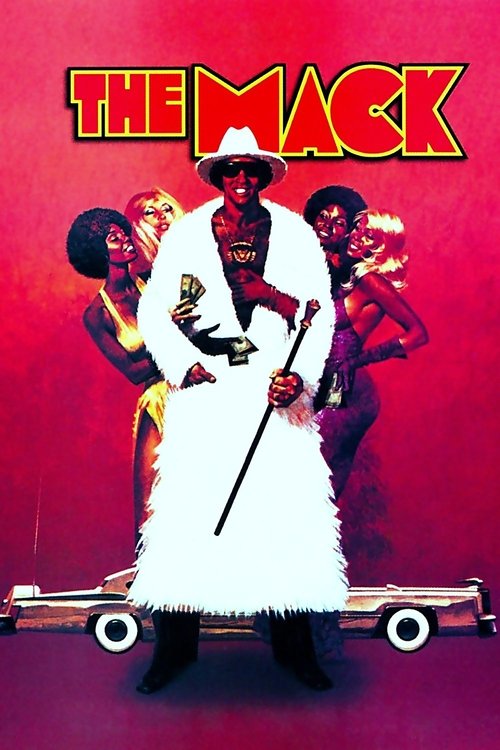
The Mack1973
D'Urville Martin (who plays Sonny here) leads this definitive blaxploitation film about a pimp navigating Oakland's underworld. Same era, same energy, same unflinching moral ambiguity and style.
But It's longer and messier than Hammer, and its portrait of predatory behavior won't feel cathartic if you want clean heroics.
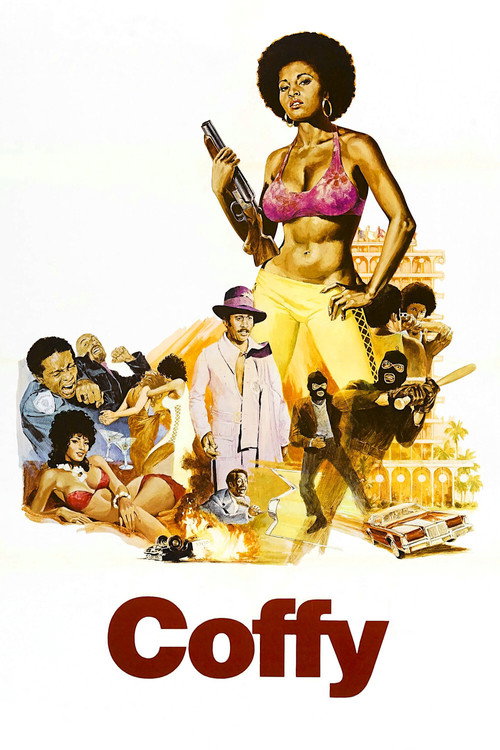
Coffy1973
Pam Grier as a vigilante nurse dismantling a drug operation. Blaxploitation's most accomplished action heroine, with genuine craft in the fight choreography and script. A showcase for what the genre could achieve.
But The exploitation elements are explicit and sometimes uncomfortable. It's smarter than Hammer but also more demanding.
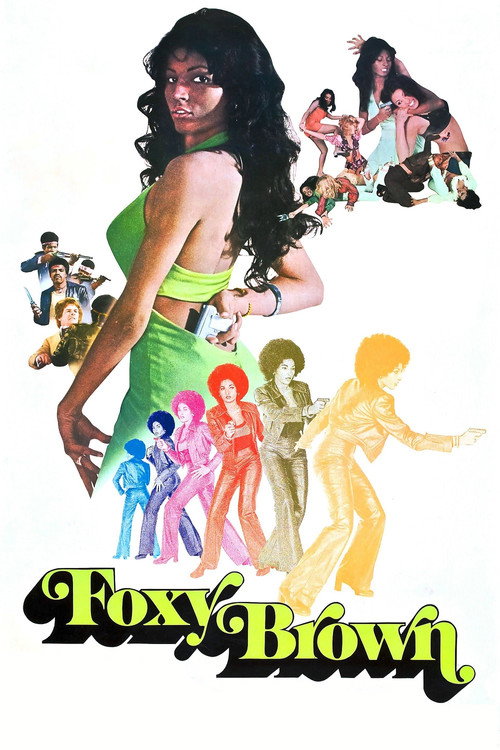
Foxy Brown1974
Pam Grier again, this time as an undercover agent. Faster-paced than Coffy, with better action sequences and a more playful tone. Pure genre fuel with real star power anchoring it.
But The plot is thin and the film sometimes mistakes shock value for substance. It's a ride, not a reckoning.
Not sure tonight? Get a pick in a minute, starting from Hammer
The wildcard
Something you would not have found on your own.
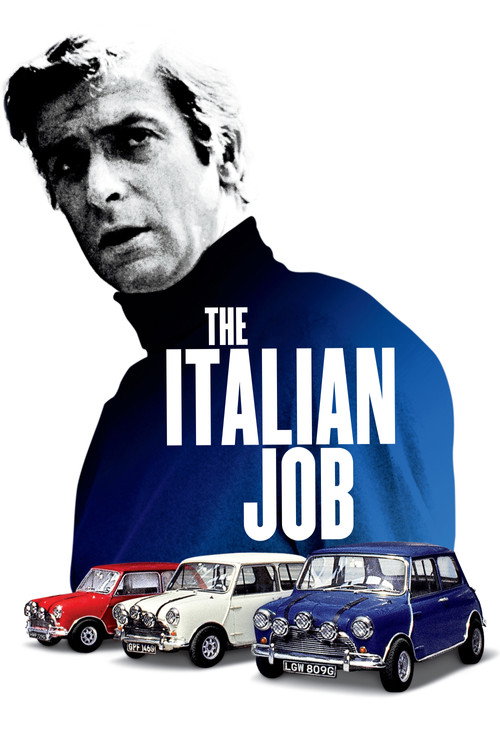
The Italian Job1969
Both films build narrative momentum through a series of escalating set pieces—chases, fights, con games—that work more on energy than plot logic. Style and performer charisma are doing the heavy lifting in both.
Three years before Hammer, this British heist comedy already understood how to build an ensemble around charisma and physical prowess. The mini-coopers chases have the same kinetic thrill as Hammer's fights.
But It's a comedy caper, not an action film. If you want moral weight or social commentary, this is a lark.
More like this (6)
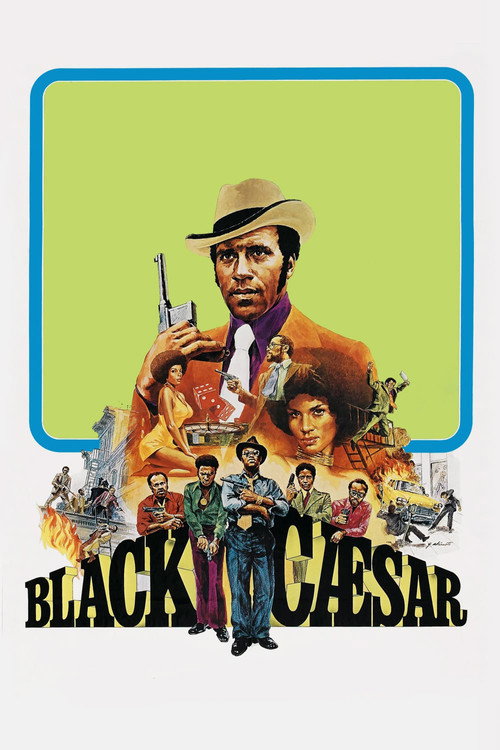
Black Caesar1973
Jimmy Brown (later The Godfather) is a street kid who claws his way to mob boss. It's got the same blue-collar-to-power trajectory as Hammer, with better production values and sharper dialogue.
But James Brown's score, while iconic, can overwhelm scenes. And it's considerably more violent than Hammer's measured brawling.
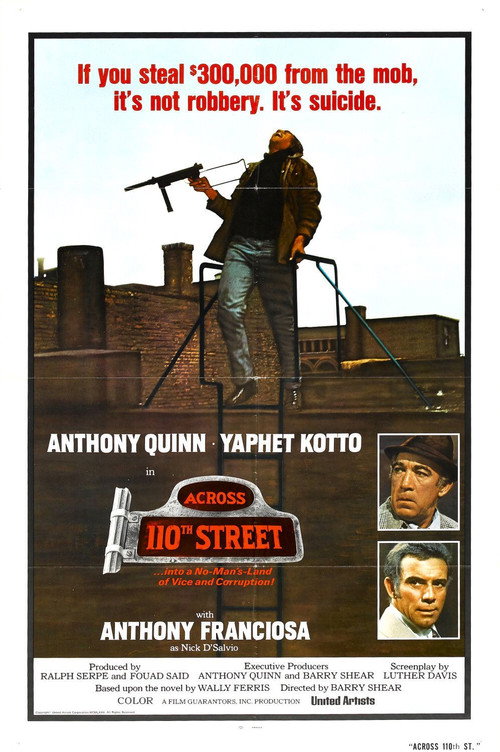
Across 110th Street1972
Released the same year as Hammer, this is the thinking person's blaxploitation film. Yaphlet Kotto and Anthony Quinn in a crime thriller that treats its Black characters with dignity and intelligence.
But It's much slower and more methodical. If you want action-first entertainment, this introspective cop drama will test your patience.
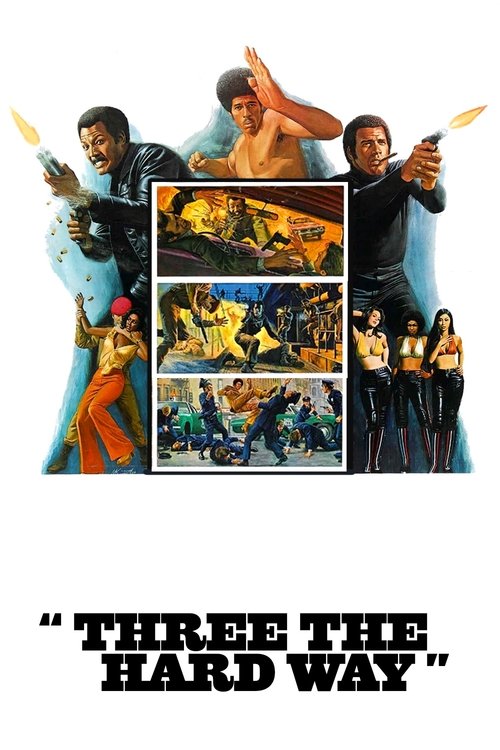
Three the Hard Way1974
Jim Brown, Fred Williamson, and Jim Kelly together—three of the era's most charismatic action stars—fighting a white supremacist plot. It's silly and earnest and packed with fights.
But The plot is embarrassingly thin even by blaxploitation standards. The chemistry between the leads carries it, but there's not much underneath.
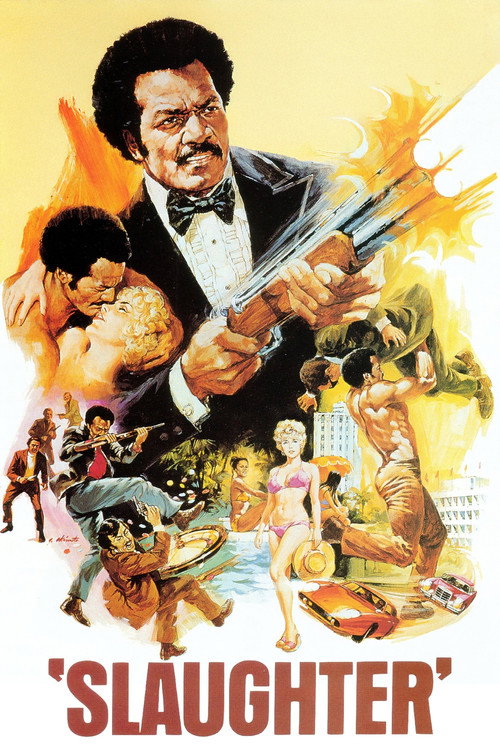
Slaughter1972
Jim Brown as a Vietnam vet turned vigilante. A working-class action film with genuine craft in its stunts and a grounded sense of consequence that elevates the material.
But It's more somber and serious than Hammer. There's no joy in the violence, which some will appreciate and others will find exhausting.
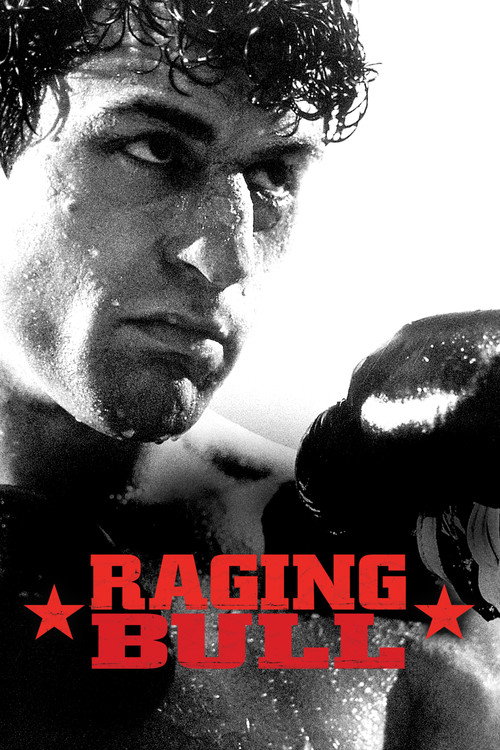
Raging Bull1980
Both center on a fighter learning that combat proficiency doesn't translate to control over his own life. But where Hammer resolves that tension with defiant action, Raging Bull lets it destroy him. Same question, opposite answers.
Scorsese and De Niro's boxing masterpiece. Raw, visceral, shot in stunning black-and-white. The ring work is balletic and brutal in ways Hammer reaches for but can't quite sustain.
But It's a three-hour character study of a repellent man, not a thriller. The boxing is the frame for psychic damage, not catharsis. Completely different register from Hammer's straightforward entertainment.
The Killing1956
Both films trust their audiences to follow a simple premise being attacked from multiple angles. The pleasure isn't in surprise—it's in watching skilled people execute plans while circumstances pile up against them. Pure narrative kinetics.
Kubrick's heist film uses overlapping timelines and fragmented narrative to build suspense around a seemingly simple robbery. It looks nothing like Hammer but operates on an identical principle: momentum and inevitability substituting for elaborate plot.
But It's formally complex and deliberately paced. Watching 1950s men in rooms talking might feel like a step backward from 1970s action.

People
Cast
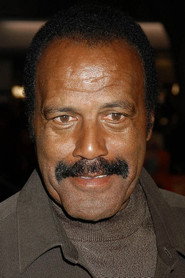 Fred WilliamsonB.J. Hammer
 Vonetta McGeeLois
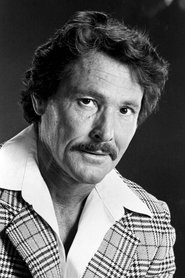 William SmithBrenner
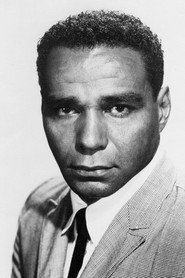 Bernie HamiltonDavis
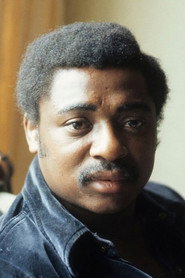 D'Urville MartinSonny
 Stack PierceRoughhouse
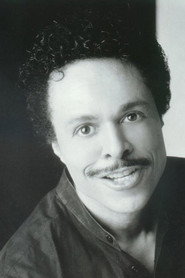 Leon Isaac KennedyBobby Williams
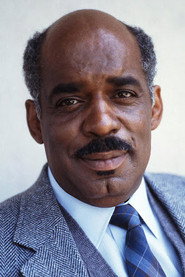 Mel StewartProfessor
 Marilyn JoiDancer
 George P. WilburBrady
 Gene LeBellReferee
- Nawana DavisMary
Directing
- Byron RobertsAssistant Director
- Bruce D. ClarkDirector
- Janice EymannScript Coordinator
Writing
- Charles Eric JohnsonScreenplay
Production
- James SpohnAssociate Producer
- Phillip HazletonExecutive Producer
- Al AdamsonProducer
- Bernard SchwartzProducer
- Eric LidbergProduction Manager