Television series
Hancock's Half Hour
The show that invented the modern British sitcom's engine: not gags, but a man's fragile self-image cracking under reality's weight. Hancock plays the pompous, thwarted 'lad o' parts' of East Cheam, forever undone by Sid James's amused scepticism. Studio-bound, black-and-white, unhurried by today's standards — but the blueprint for everything from Basil Fawlty to David Brent.
If you liked this
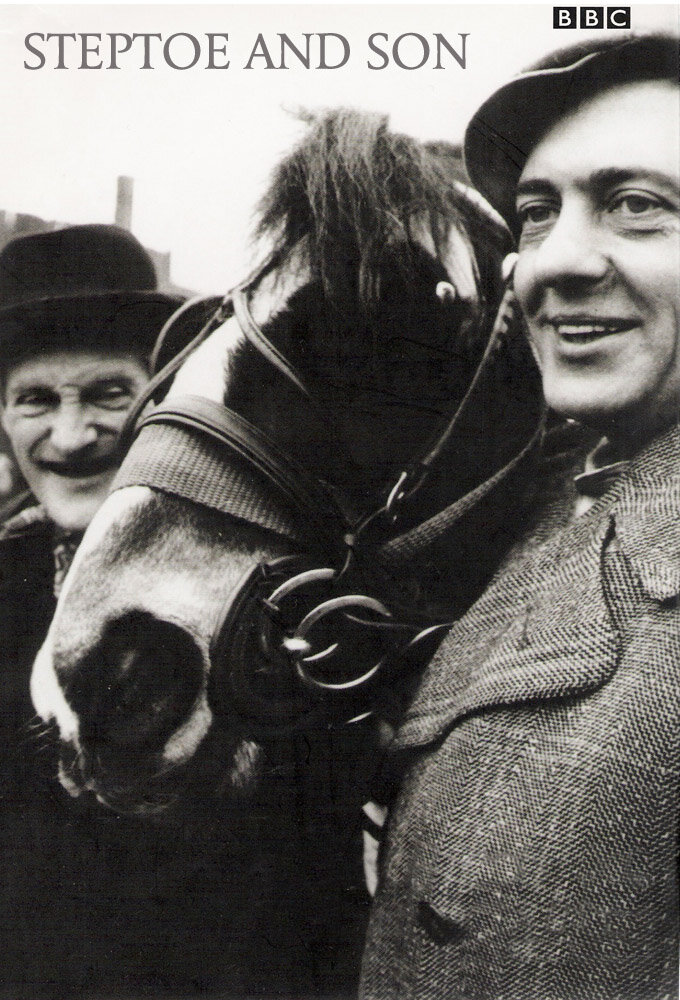
Steptoe and Son1962
Same writers, Galton and Simpson, doubling down on claustrophobia — a father and son trapped together in a rag-and-bone yard, each blaming the other for the life he never got to live.
But It's bleaker and angrier than Hancock ever got, and the shouting can wear you down by episode three.
Fawlty Towers1975
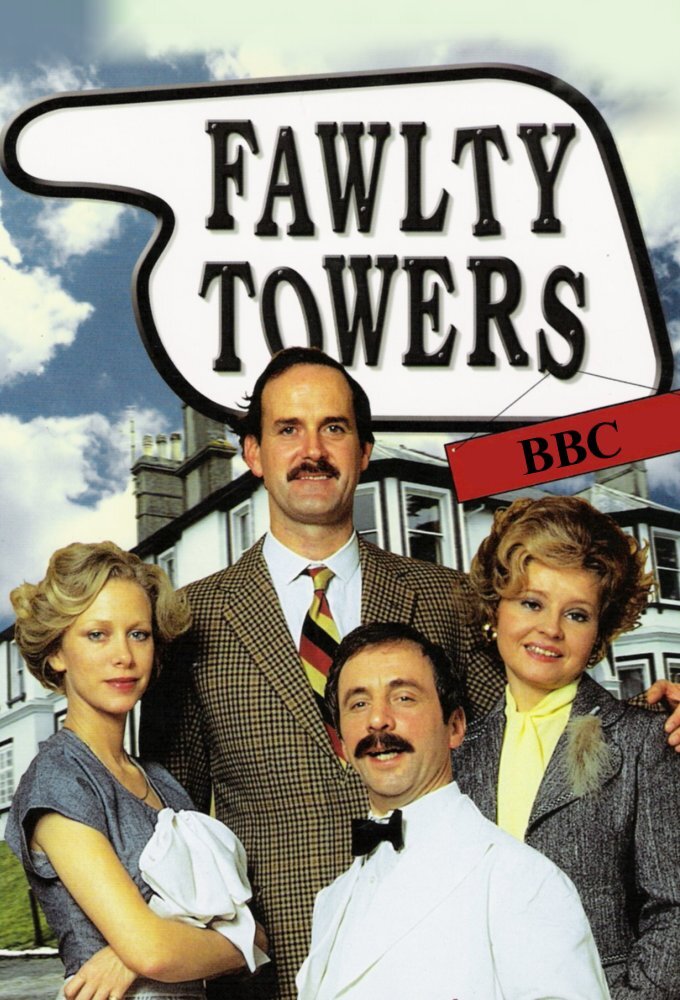
Basil Fawlty is Hancock's pomposity turned up to a scream — a man convinced of his own class and competence, demolished weekly by his temper and everyone refusing to play along.
But It's farce at full pelt, all shouting and slamming doors, where Hancock preferred a slow, sad simmer.
Dad's Army1968
Gentle, beautifully cast ensemble comedy about men clinging to dignity and rank in a Home Guard platoon that will never see real action — the same fond mockery of English self-importance, minus the melancholy.
But Cosier and slower still, with none of the bite that made Hancock feel modern in 1956.

The wildcard
Something you would not have found on your own.
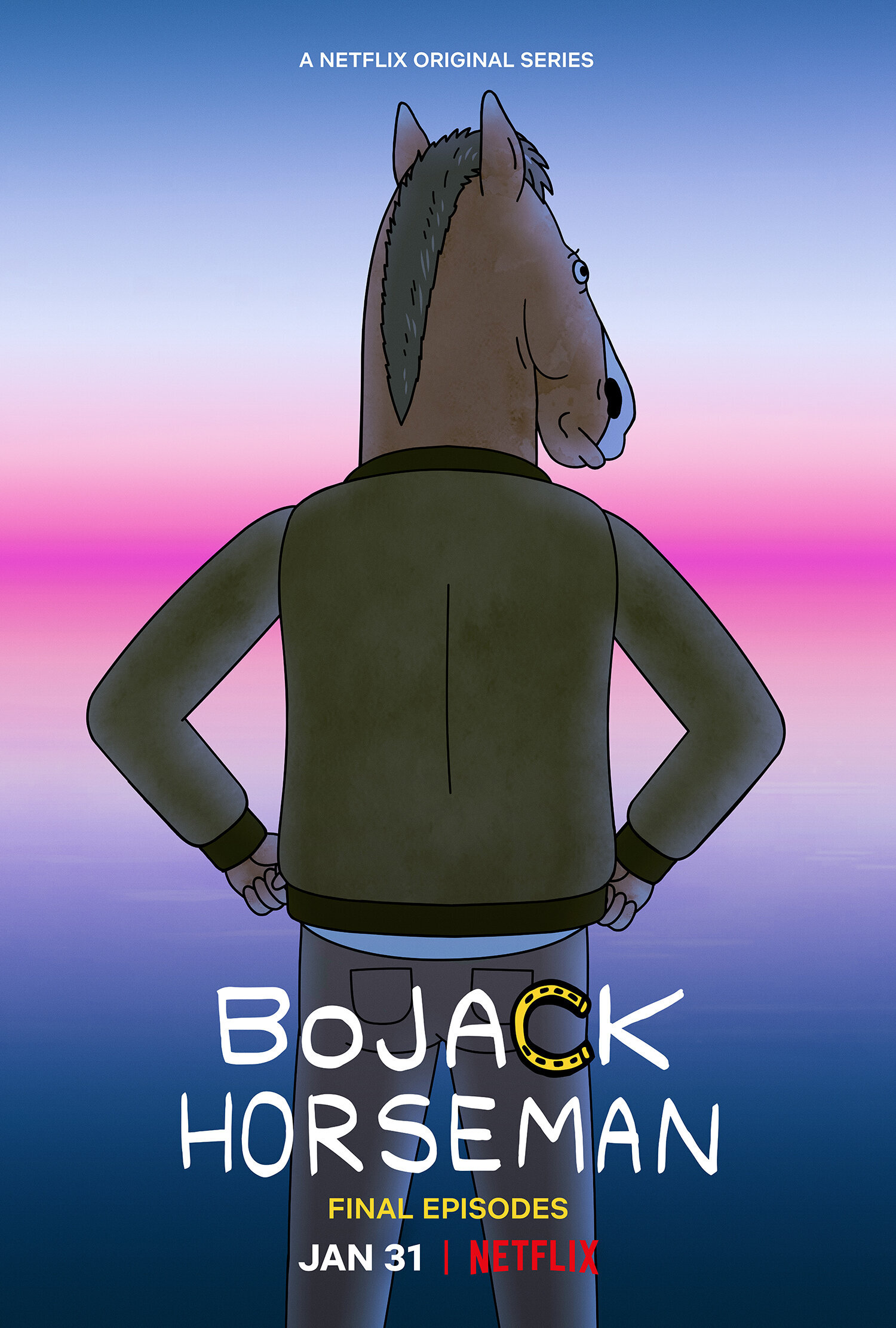
BoJack Horseman2014
Both build their comedy from a man insisting he's better than his circumstances prove — Hancock in a bedsit, BoJack in a mansion — and both let that self-deception curdle into real sadness rather than resolving it with a joke.
An animated Hollywood horse actor drowns in the gap between his self-image and his actual, wasted life — the exact Hancock engine, run through prestige-TV sadness and therapy-speak instead of a BBC studio audience.
But It's a half-hour cartoon that turns genuinely devastating without warning, which is a lot to ask of a comedy.
More like this (8)
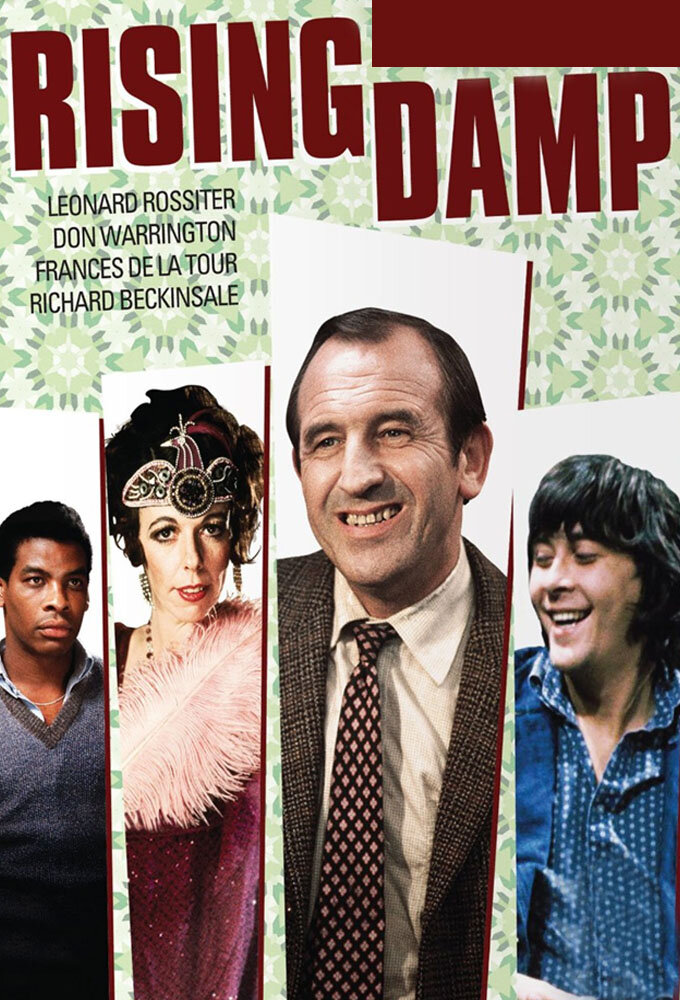
Rising Damp1974
Rigsby is Hancock's spiritual heir: a landlord with grand pretensions, no money, and a bottomless capacity for self-deception, played by Leonard Rossiter with the same fragile, wounded grandeur.
But Its casual attitudes to race and gender have aged badly and can jolt a modern viewer.
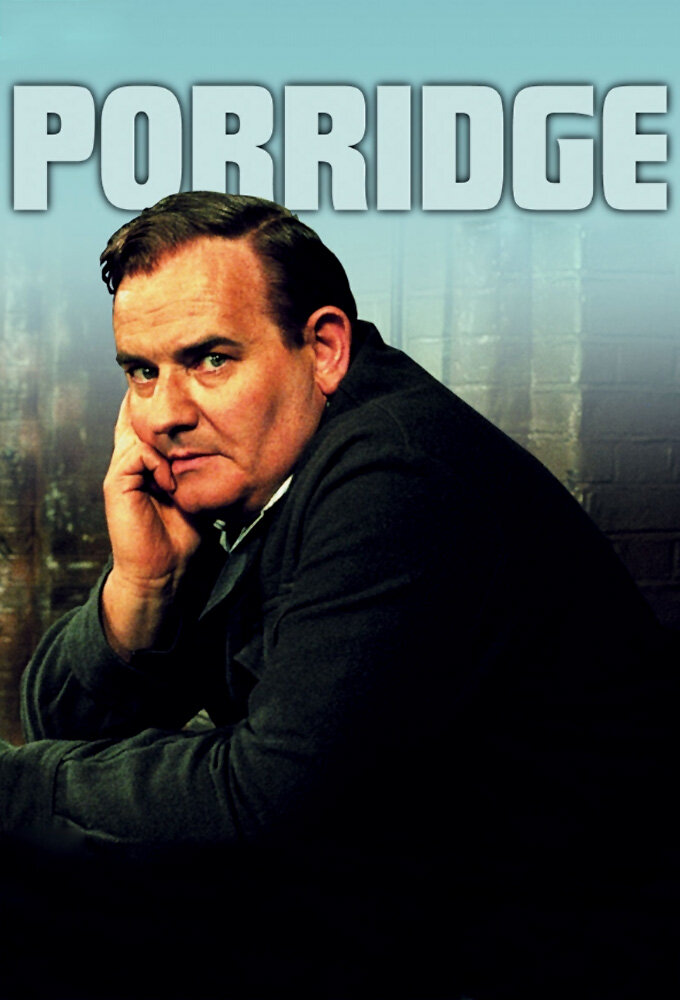
Porridge1974
Ronnie Barker's Fletcher works the same trick Hancock did — dignity performed in a room with no way out, prison standing in for the bedsit, wit standing in for hope.
But The pace is stagey and some jokes lean on prison slang that needs a beat to land.
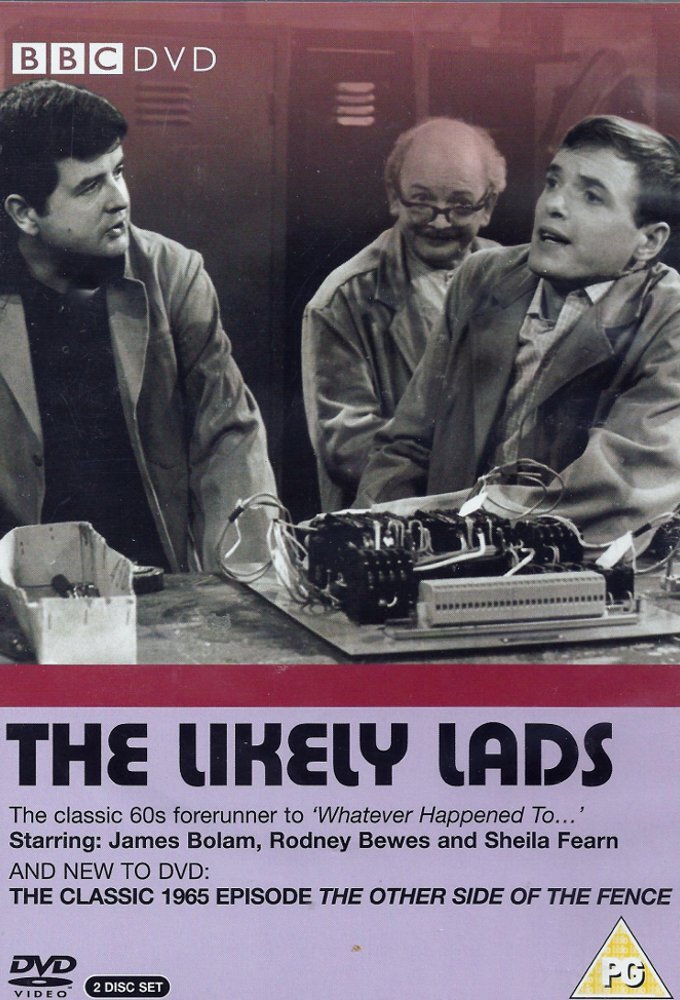
The Likely Lads1964
A pair of Newcastle mates bicker through ambition, class and each other's failures with the same double-act rhythm Hancock and Sid James perfected — one dreamer, one exasperated realist.
But Regional accents and dated attitudes toward women may take some getting used to.
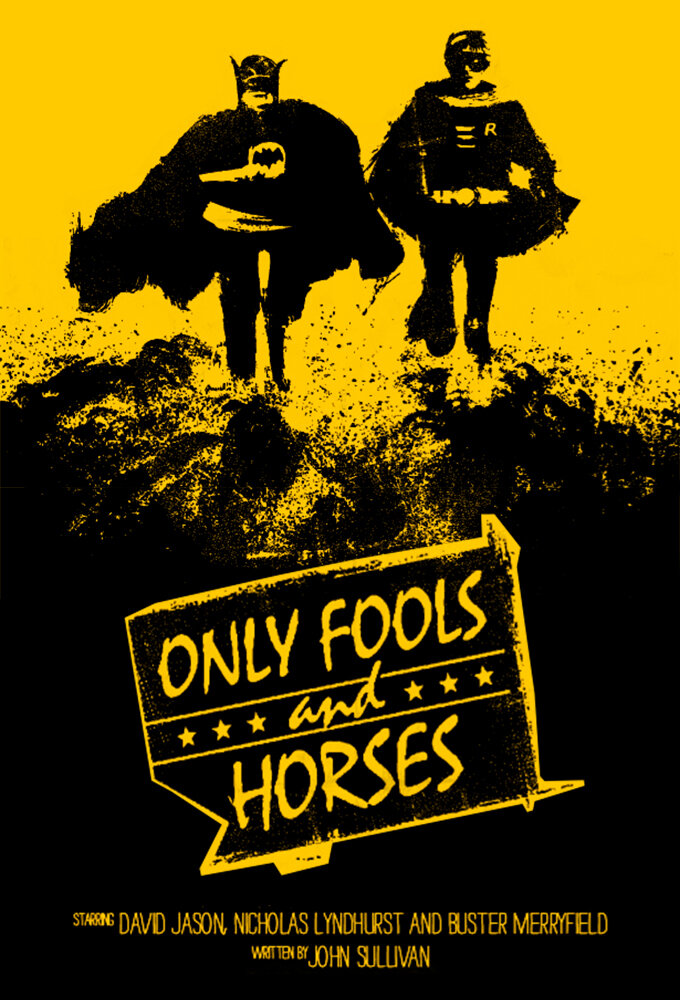
Only Fools and Horses....1981
Del Boy is pure Hancock optimism weaponised into scheming — a man who believes, against all evidence, that this is the year he finally makes it, with Rodney playing put-upon Sid James.
But Broader and warmer than Hancock, with a sentimental streak he never allowed himself.
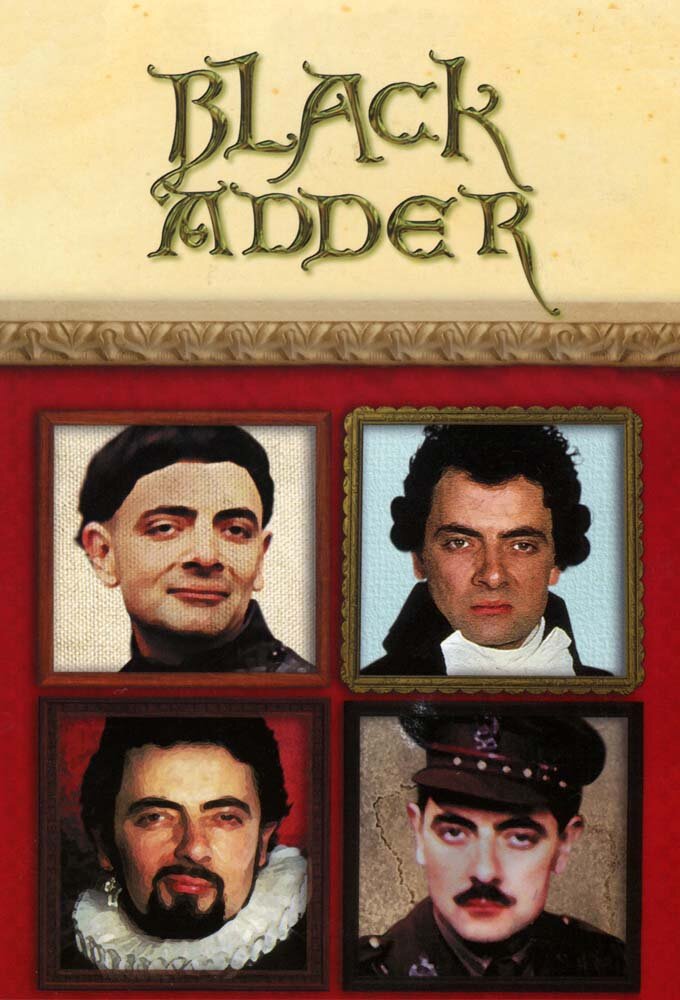
Blackadder1983
If you love a self-regarding schemer undone by his own cleverness, Blackadder gives you four historical versions of the same joke, sharper and crueller than Hancock ever got to be.
But Costume comedy and quickfire wit are a different rhythm entirely from Hancock's slow-burn sadness.
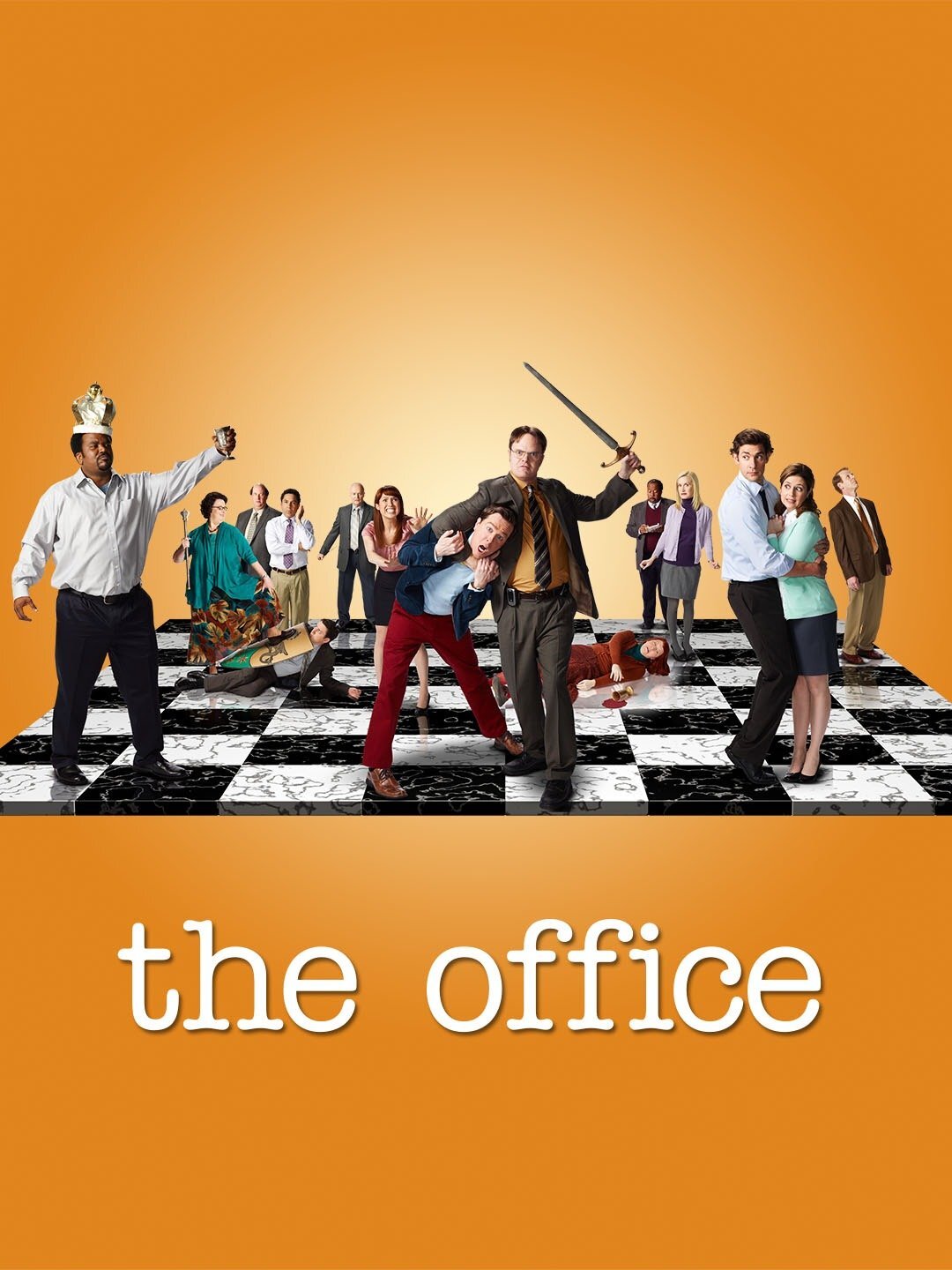
The Office2005
David Brent is Hancock's descendant by way of the mockumentary: a man performing importance for a camera that sees straight through him, cringe as the engine instead of the punchline.
But The handheld camera and long silences are a completely different grammar from Hancock's studio audience.
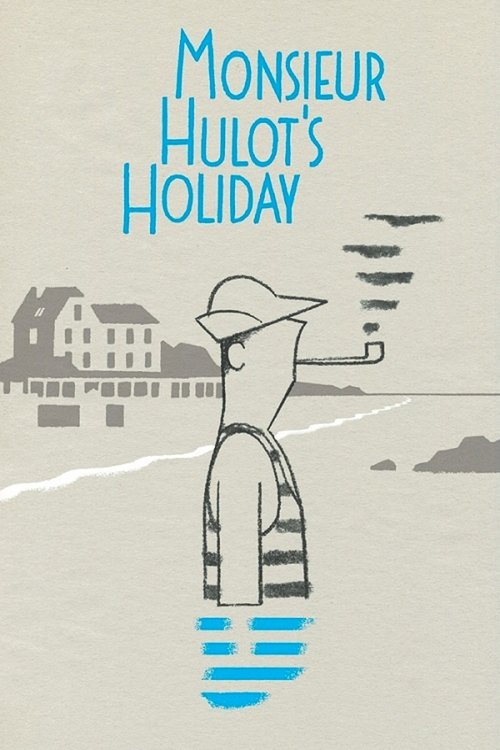
Monsieur Hulot's Holiday1953
Same comic subject as Hancock — a man's dignity performed for an audience that isn't buying it — but told visually, in French, almost without words, proving the joke predates and outlives the sitcom format.
Jacques Tati's bumbling holidaymaker got there first and did it almost silently — dignity, embarrassment and seaside pomposity turned into pure physical comedy, before Hancock even reached television.
But Barely any dialogue and a very leisurely French pace will frustrate anyone wanting jokes on a clock.
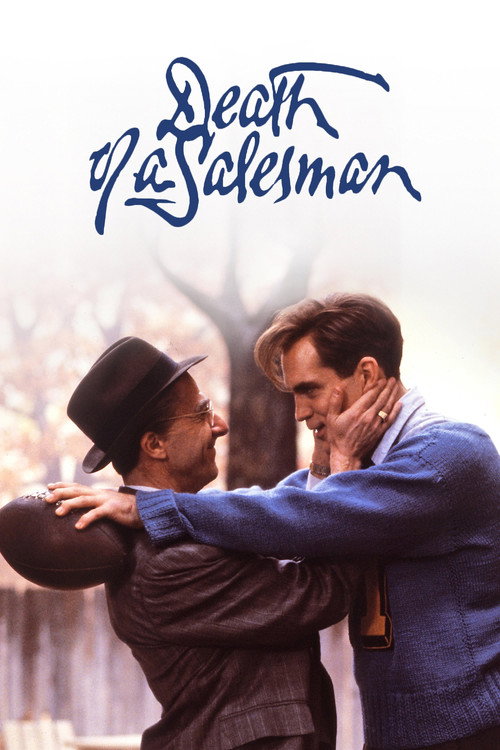
Death of a Salesman1985
Strip away the studio audience and the jokes and Hancock's premise — a man performing importance nobody else believes in — becomes exactly this: a tragedy, the register the sitcom was always one bad week from tipping into.
Willy Loman is Hancock's shadow self played entirely straight: the same threadbare grandeur, the same insistence he's about to be somebody, except nobody's laughing and nothing resets for next week.
But It's unrelentingly sad, with none of the comic release Hancock always eventually offered.