
Television series
Sorry!
- Comedy
- Light-hearted
A gentle British sitcom about Timothy Lumsden, a socially awkward man in his thirties still living with his parents. Ronnie Corbett carries the show with physical comedy and mortified stammering as Timothy navigates the minefield of everyday life—jobs, romance, social embarrassment. It's warm rather than biting, built on cringe and kindness in equal measure.
Should you watch it?
Watch it if you enjoy small-scale British sitcom built on a meek, ill-at-ease lead whose awkwardness does the work, the kind of gentle domestic comedy where a single well-timed glance gets the laugh.
Skip it if you want fast jokes or a modern pace, since this is a gentle 1980s sitcom that takes its time and rarely surprises you with anything sharp.
What it asks of you: Half an hour an episode, with a patient, unhurried rhythm; it wants you to settle into the characters and wait for the small reactions rather than chase the punchline.
Not sure? Find tonight's pick in a minute.
If you liked this
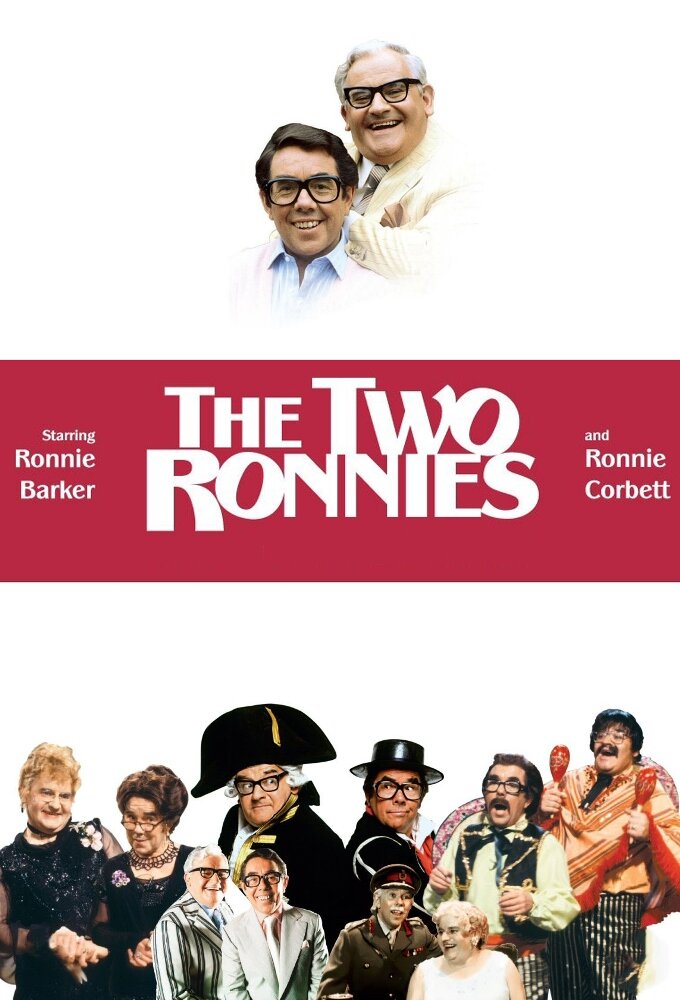
The Two Ronnies1971
Corbett's comedy partner before Sorry!, this sketch show showcases his gift for timing and character work. If you love Corbett's bumbling charm here, you'll see where it was forged.
But Sketch shows date faster than sitcoms. Some bits run long, and the humour is very much of its era—what landed in 1971 can feel thin now.
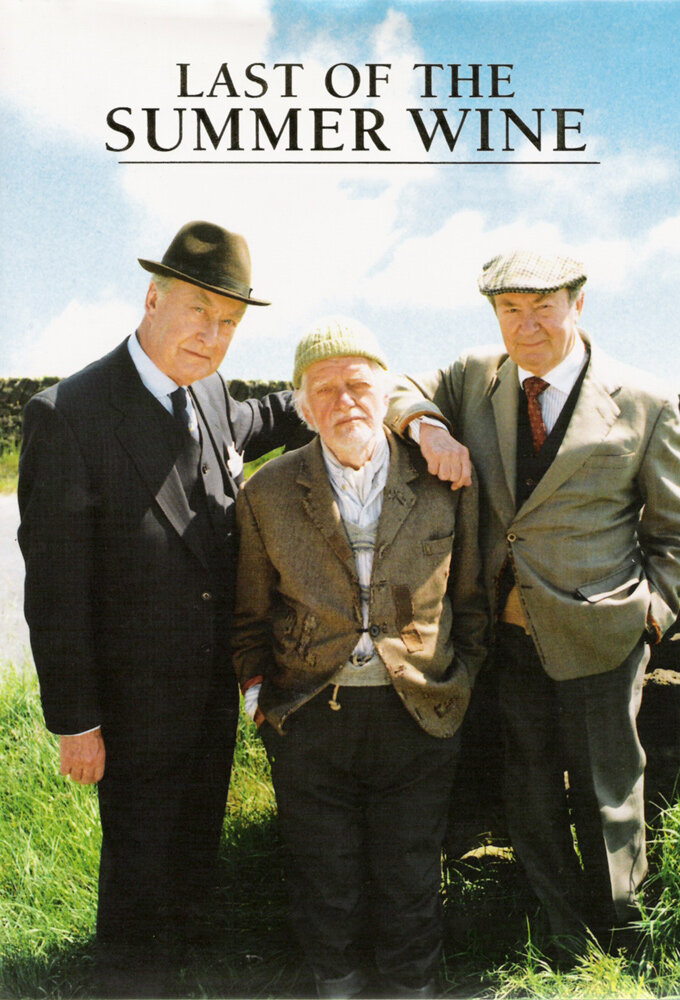
Last of the Summer Wine1973
Another BBC gem about people living lives they didn't quite plan for. It has Sorry!'s warmth and humiliation, but with three old men and more heart-to-heart talk than you'd expect from a comedy.
But Runs to 37 seasons. The early years are the best; later ones feel like they're running on fumes and nostalgia for themselves.
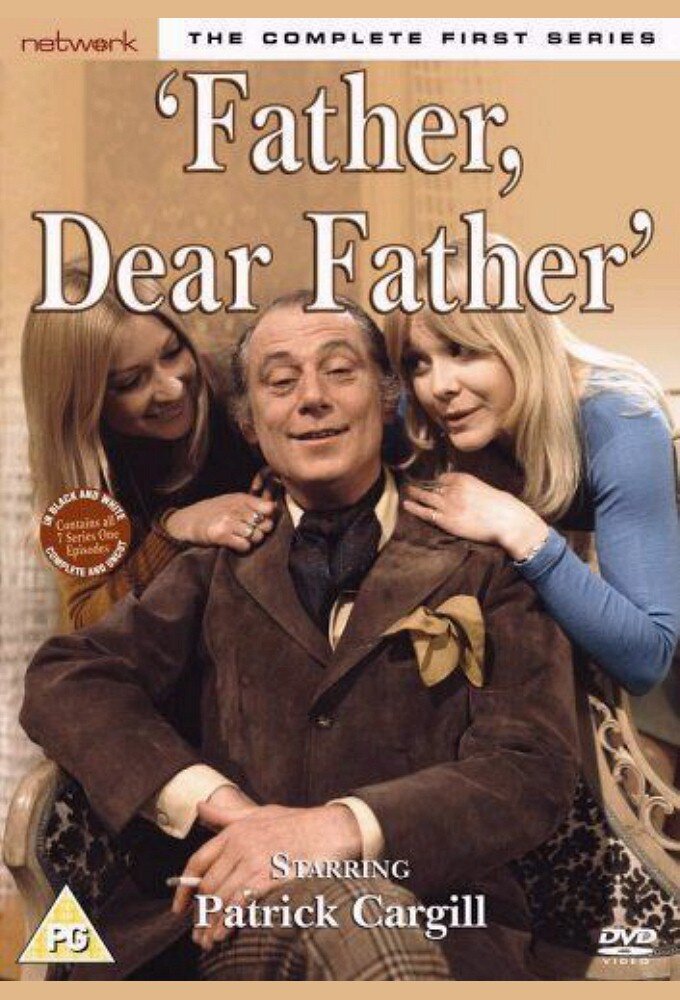
Father, Dear Father1968
Patrick Cargill as a bachelor trying to navigate fatherhood and his adult daughter. Similar era, similar embarrassment-based humour, with a gentleness that lets you actually like the characters.
But Even more dated than Sorry!. The domestic setup will feel creaky to modern viewers, and it leans heavily on the strangeness of unmarried men having opinions.
Not sure tonight? Get a pick in a minute, starting from Sorry!
The wildcard
Something you would not have found on your own.
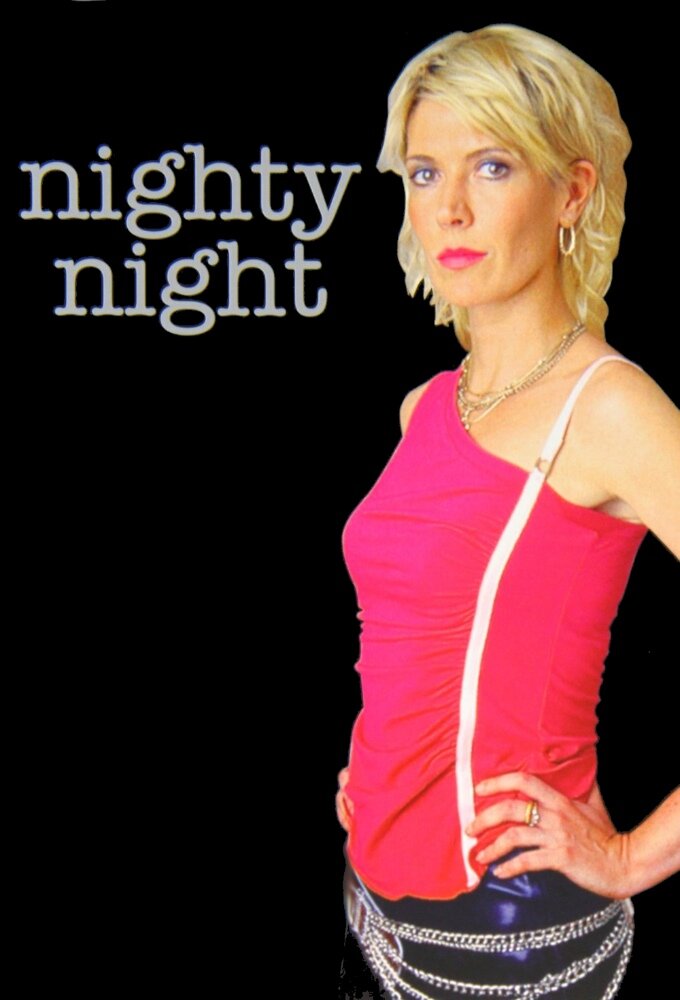
Nighty Night2004
Both are deeply British sitcoms about socially inept people trapped in domestic spaces, but Nighty Night weaponizes the embarrassment Sorry! treats with fondness. Same DNA, opposite temperature.
Julia Davis as a genuinely disturbing woman causing chaos in suburban domestic life. It takes the discomfort of Sorry!—the cringe, the social failure, the trapped feeling—and cranks it to horror. Brilliant and unsettling.
But This is dark in ways Sorry! never attempts. If you watch Sorry! for coziness, this will feel like a betrayal. It's also uncomfortable with women's cruelty in ways that might disturb more than amuse.
More like this (7)
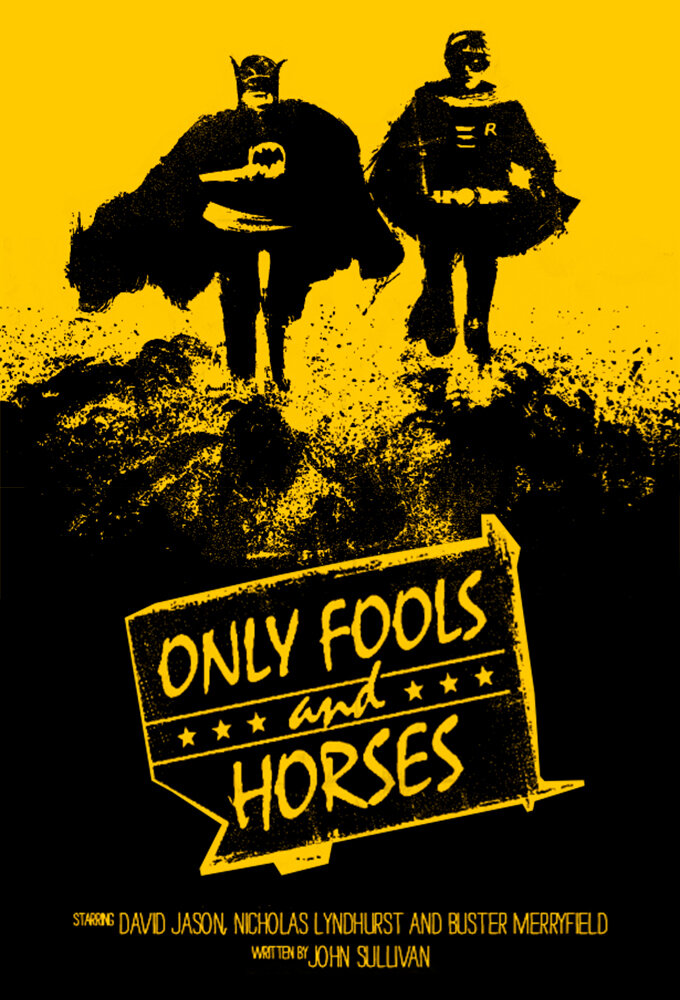
Only Fools and Horses....1981
British sitcom perfection: characters you genuinely love, humour that ranges from slapstick to heartbreak. It aired the same year as Sorry! but found a bigger audience. Now you know why.
But Everyone's already seen it. Starting here might feel obligatory rather than revelatory, though it absolutely holds up.
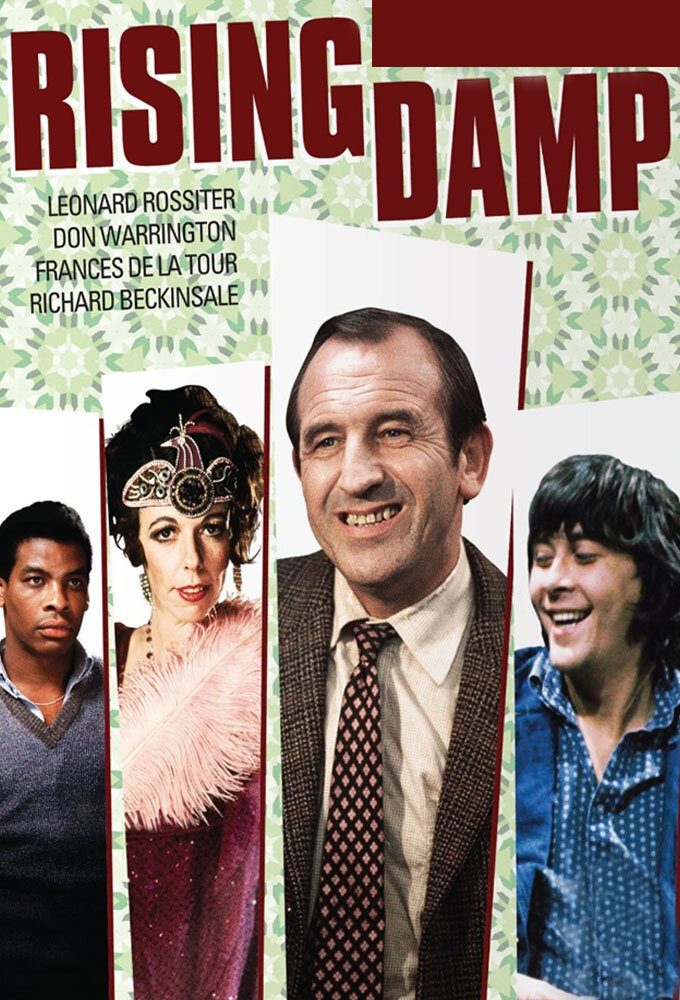
Rising Damp1974
Leonard Rossiter as Rigsby, a landlord dealing with impossible tenants. Like Sorry!, it's built on social awkwardness and small indignities, but with darker edges and a meaner streak.
But The racial attitudes baked into some plots are uncomfortable by any standard. They're part of the show's historical record, not its strength.
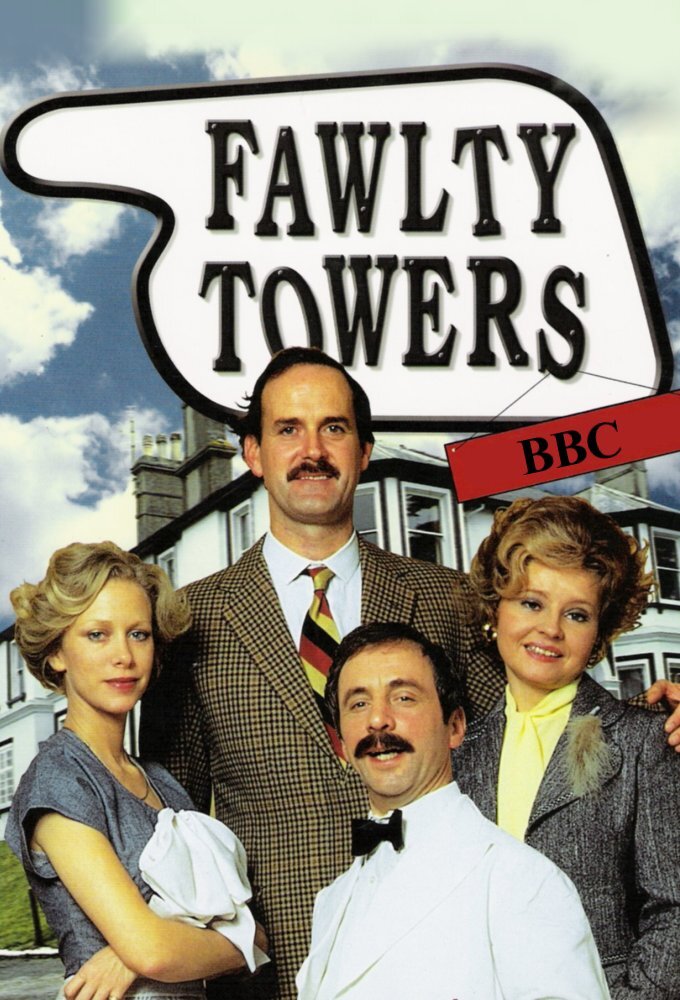
Fawlty Towers1975
Basil Fawlty is the inverse of Timothy Lumsden—explosive rather than meek—but both live in worlds that won't stop humiliating them. Sharper, faster, and genuinely brilliant.
But Only 12 episodes total. You'll finish it in an afternoon and want more that doesn't exist. Also, Basil's cruelty can tip into unpleasantness.
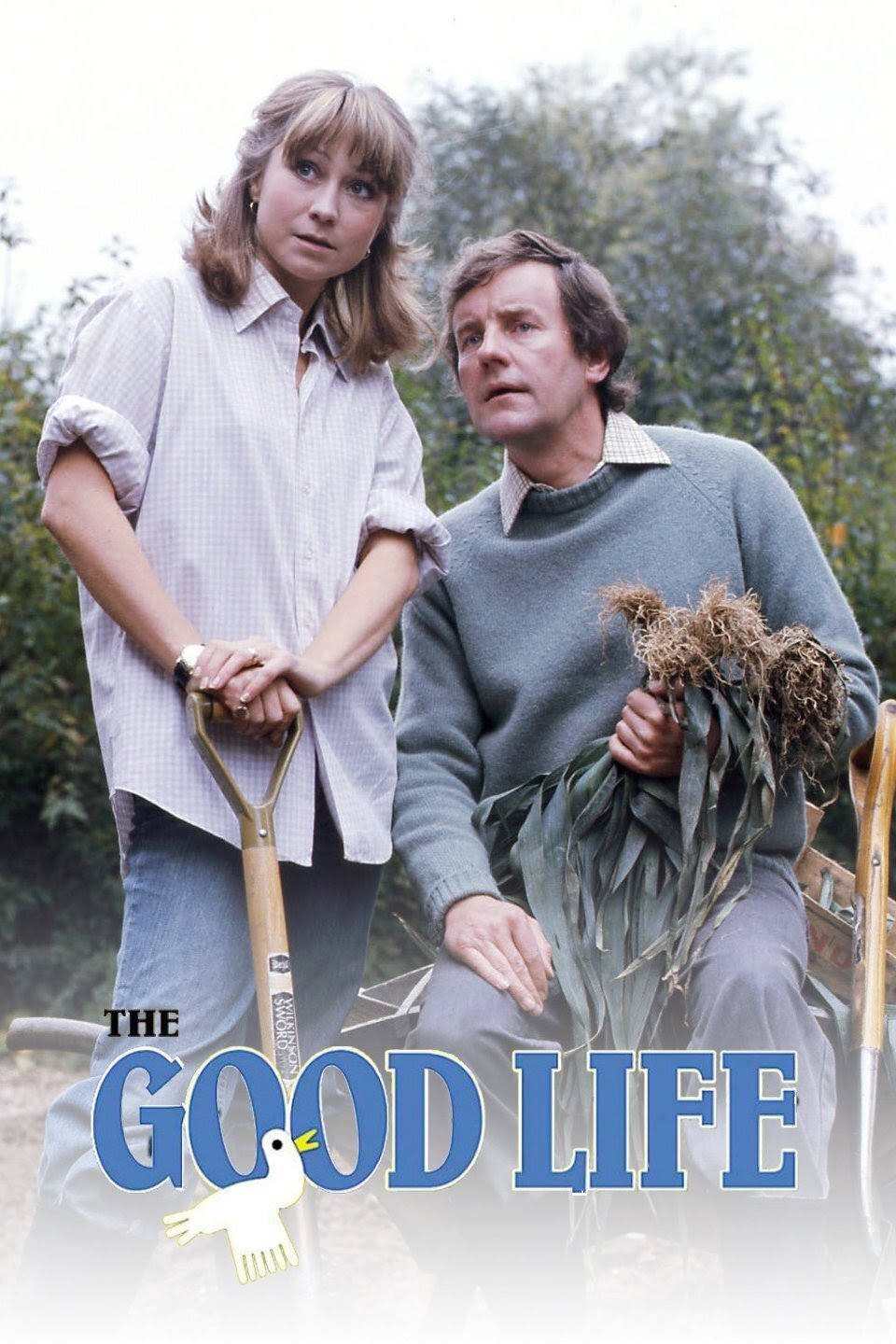
The Good Life1975
Tom and Barbara Good try to become self-sufficient in suburbia. Warm, funny, and about people trying to live differently in a world designed for conformity—thematically aligned with Sorry!'s gentle awkwardness.
But The pacing is slow by modern standards. If you need jokes every thirty seconds, this will feel like watching paint dry.
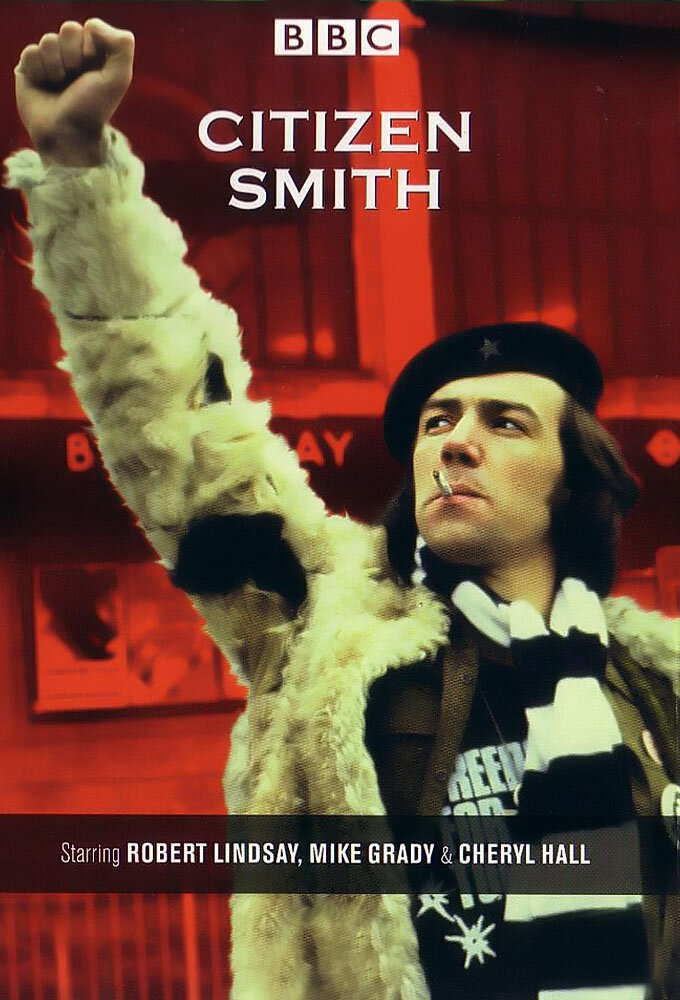
Citizen Smith1977
Robert Lindsay as an idealistic (and delusional) young communist in South London. It has Sorry!'s affection for hopeless characters, but with more political bite and genuine warmth underneath the satire.
But The politics are very 1970s, which means some of it plays as quaint and some plays as angry. The tone can wobble between comedy and social commentary.
Stalker1979
Timothy Lumsden wants connection and meaning in a world that won't cooperate. Stalker is about the same hunger, filtered through philosophy and metaphysics instead of sitcom awkwardness. One is cozy, one is transcendent, but they're asking the same question.
Andrei Tarkovsky's film about desire and the impossible pursuit of meaning. It has nothing to do with comedy—it's philosophical science fiction, 163 minutes of meditative silence—but it shares Sorry!'s bone-deep understanding of people who want more than their lives will give them.
But It moves at glacial pace. There are long takes of people walking through empty spaces. If you need plot momentum or conventional catharsis, you will be deeply, genuinely bored.

Ikiru1952
Timothy Lumsden lives a small, thwarted life; the bureaucrat in Ikiru confronts the weight of having lived one. Both are about men constrained by circumstance, but one finds gentleness in limitation and one finds tragedy. They're mirror images across language, era, and tone.
Kurosawa's masterpiece about a bureaucrat realizing his life has been small and meaningless, then trying to find purpose in his last days. It's not funny—it's devastatingly sad—but it's about the same search for dignity and connection that drives Sorry!.
But It's in Japanese with subtitles, black and white, from 1952, and deeply, unrelentingly tragic. If you watch Sorry! to feel better, this will make you cry. And it's three hours long.

People
Cast


Production
- David AskeyProducer
Recommended by
Nighty Night, Hi-de-Hi!, Woke, The Chair, Wanda Sykes: Not Normal, Staged, Better Off Ted, Eek! the Cat, The Voices, Killing It, The Issue