
Television series
Never Mind the Quality, Feel the Width
- Comedy
- Light-hearted
A delightful 1967 British sitcom about a Jewish tailor and an Irish Catholic sharing a shop in the East End of London. Warm, clever, and genuinely funny about cultural differences and friendship, it's a show about two men who shouldn't work together learning to become family. Utterly charming.
If you liked this
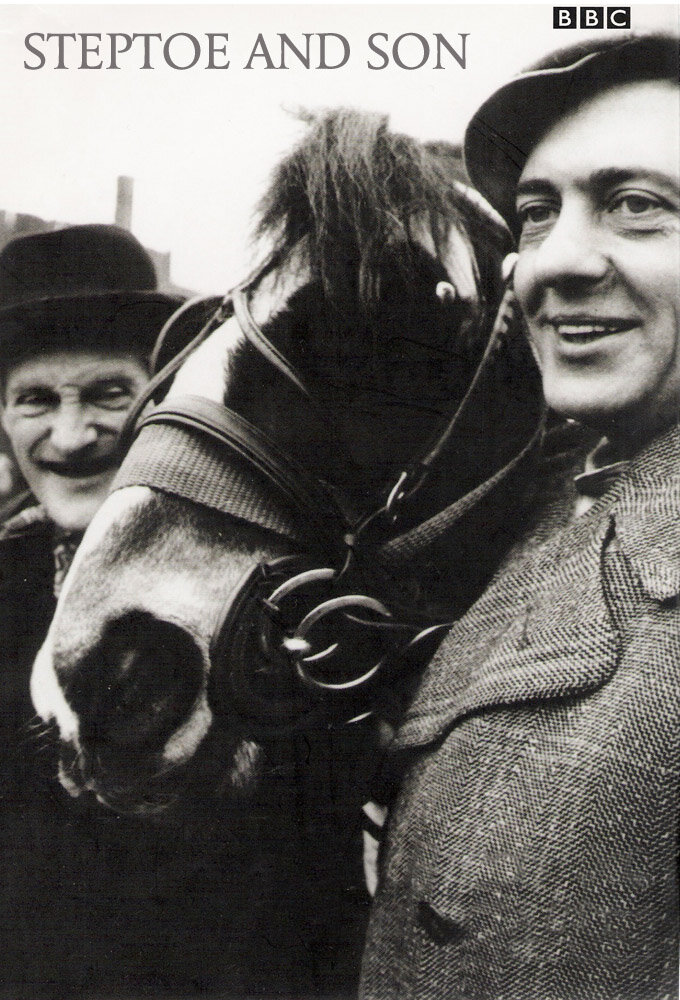
Steptoe and Son1962
Two men from opposite worlds trapped in close proximity, bickering affectionately while driving each other mad. The template for sitcom chemistry, and every bit as funny as the premise suggests. Rag-and-bone men have never been better company.
But The running gag of their relationship's repetition wears thin if you're not already invested in their specific dynamic. Slow patches exist.
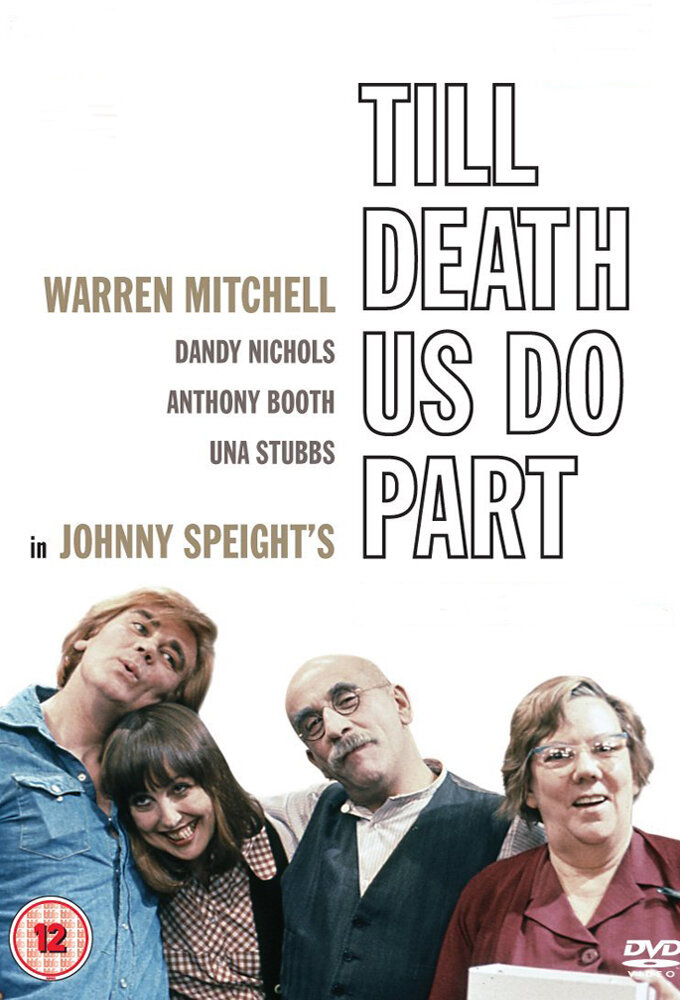
Till Death Us Do Part1966
Warren Mitchell as an East End bigot locked in verbal combat with his son-in-law, generating comedy from actual ideological collision. Sharp, unafraid, and infinitely more interesting than it has any right to be. A masterclass in using comedy to examine prejudice without mocking the audience.
But The very thing that makes it work—its willingness to stage serious arguments about race and class—can feel uncomfortable or dated depending on your patience for that particular conversation being had sideways.
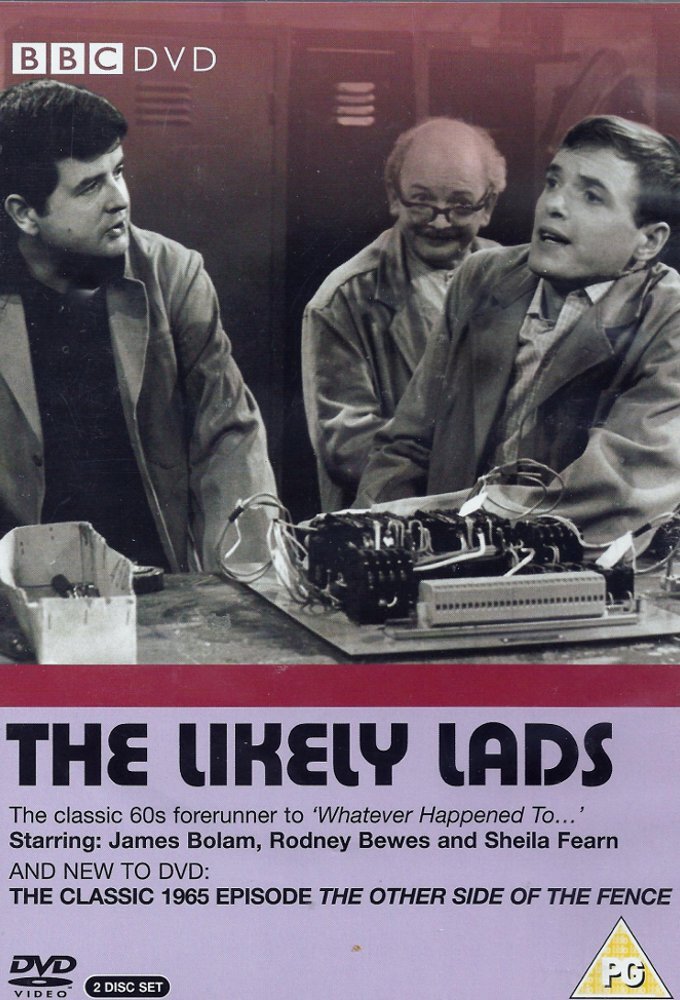
The Likely Lads1964
Two working-class Newcastle lads navigating adulthood with genuine warmth underneath the gags. It understands friendship as a real relationship, with its own rhythms and tensions. Funny and genuinely moving without ever announcing itself as such.
But The regional specificity and male-centric perspective won't appeal to everyone. Some episodes feel slight by design.
Not sure tonight? Get a pick in a minute, starting from Never Mind the Quality, Feel the Width
The wildcard
Something you would not have found on your own.
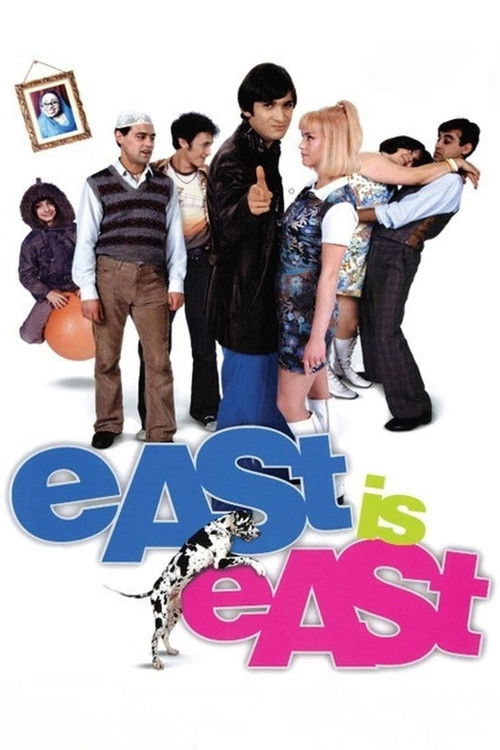
East Is East1999
Both understand that comedy lives in the collision between cultures, and that beneath the clash is genuine affection. Both centre immigrant experience as material for warmth rather than tourism.
A Pakistani-British family in Manchester navigates cultural identity, generational conflict, and the very real difficulty of belonging to two worlds. It has the sitcom's warmth about finding common ground across difference, but stakes that actually matter. Funny, moving, furious, and fundamentally alive.
But The language is raw, the anger is real, and it does not soften its depiction of either tradition for comfort. Some find the tonal shifts jarring; others find them essential.
More like this (7)
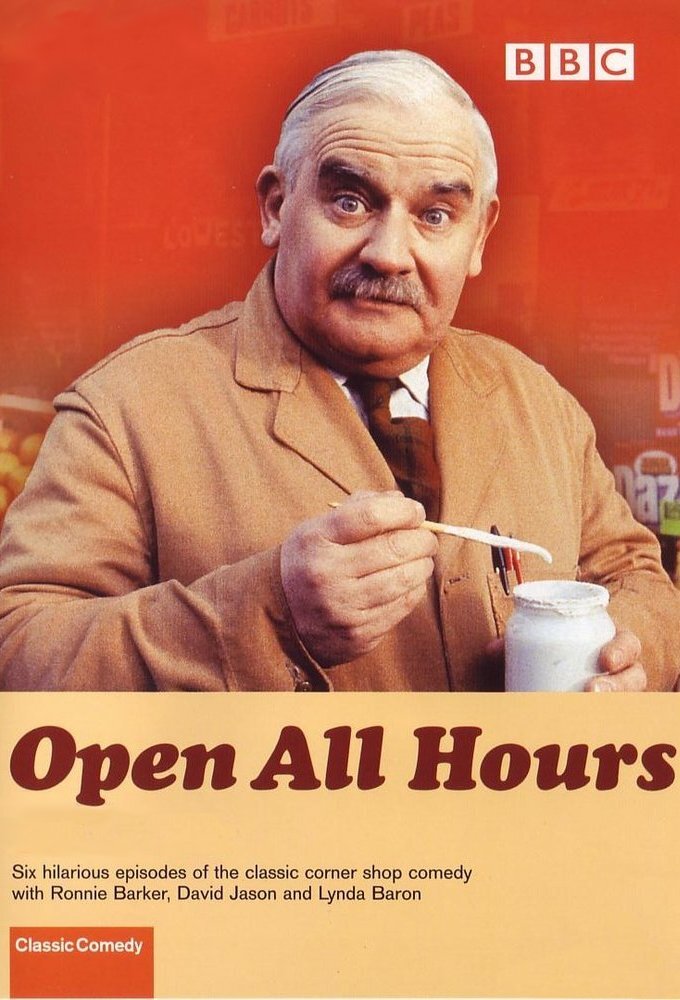
Open All Hours1976
Ronnie Barker's stammering, lecherous grocer and David Jason's stammering, eager nephew create an unlikely rhythm that becomes hypnotic. Physical comedy of real ingenuity. You'll find yourself quoting the stammers for years.
But The sexual harassment that drives half the plots feels increasingly uncomfortable. The joke wears out faster than the format does.
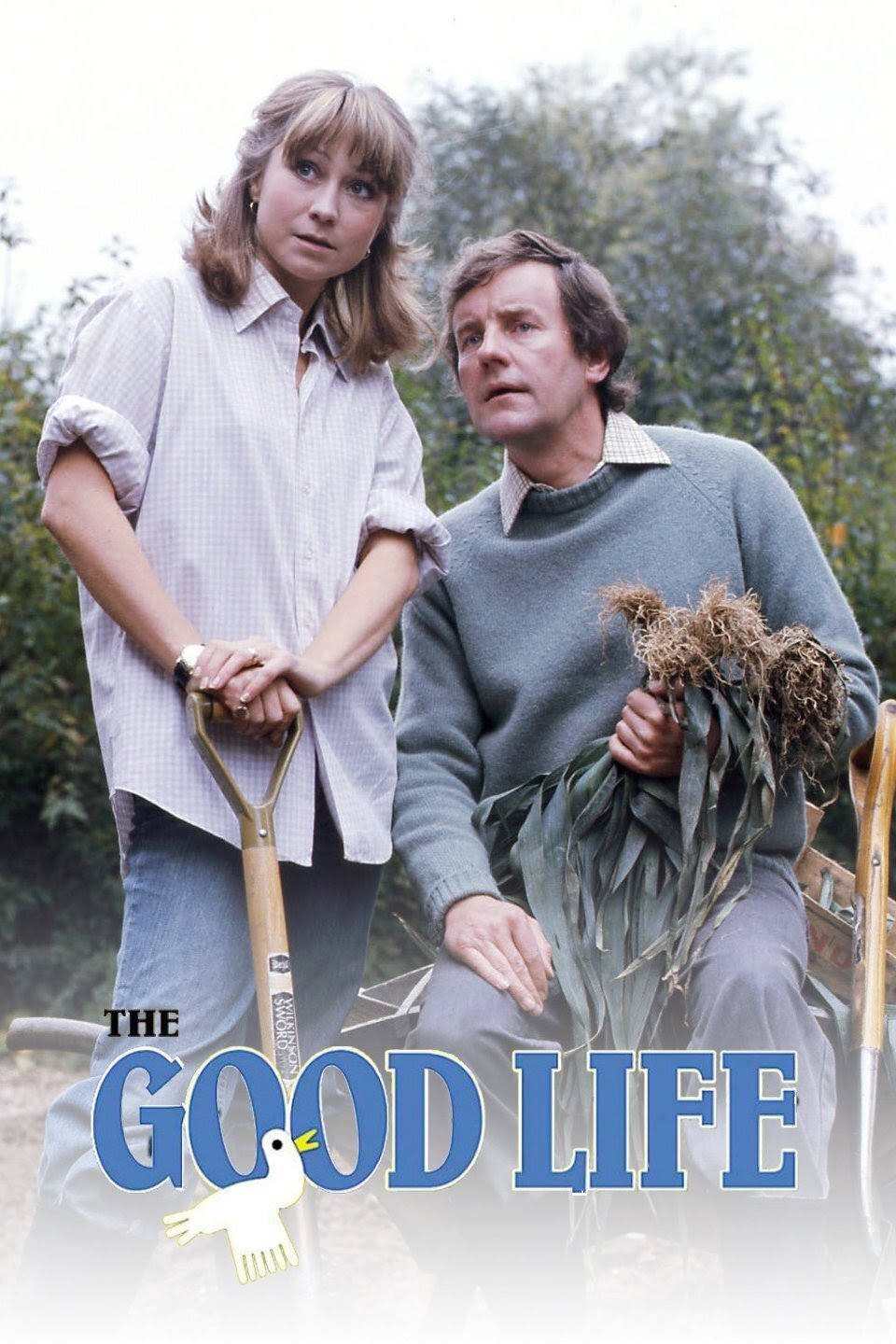
The Good Life1975
Suburban neighbours attempt self-sufficiency while another couple watches in bemused alarm. Warm, clever, genuinely interested in its characters' aspirations rather than mocking them. British sitcom at its most humane.
But The pace is gentler than modern comedy expects. If you need jokes every ten seconds, this will feel slow.
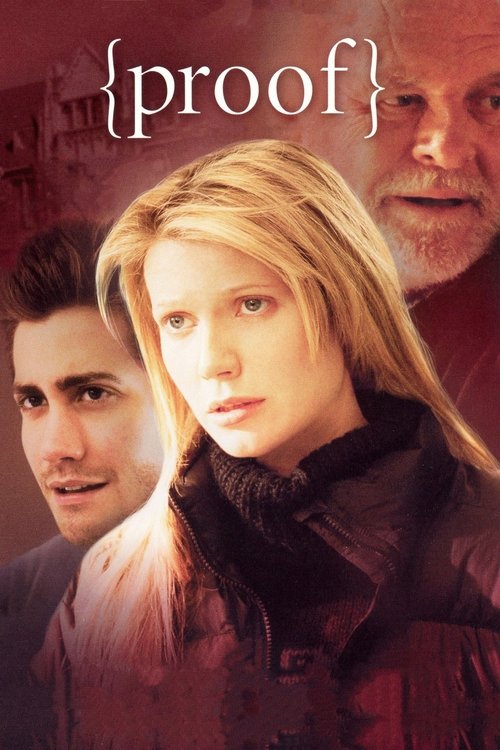
Proof2005
A tender Italian comedy about two men in their sixties finding unexpected companionship. Small-scale, character-driven, and genuinely moving. The opposite of sitcom froth while operating from the same emotional space.
But The pacing is glacial by British television standards. Expect a film that breathes rather than one that hurries.
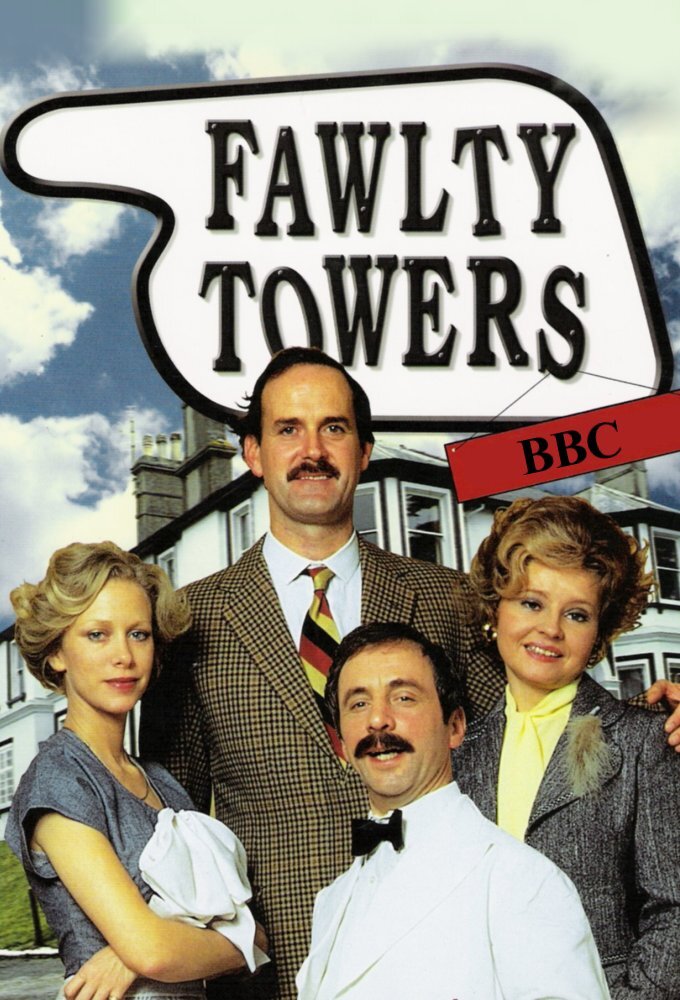
Fawlty Towers1975
Snobbish hotelier Basil Fawlty wages war against his Spanish waiter Manuel in a collision of class, language, and willful misunderstanding. Violent, anarchic, and without question the funniest sitcom ever made. Twelve episodes of perfection.
But It's been mythologized to death. Approaching it now means wrestling with its legacy first. Also: the show's contempt for its characters, while hilarious, is absolute.
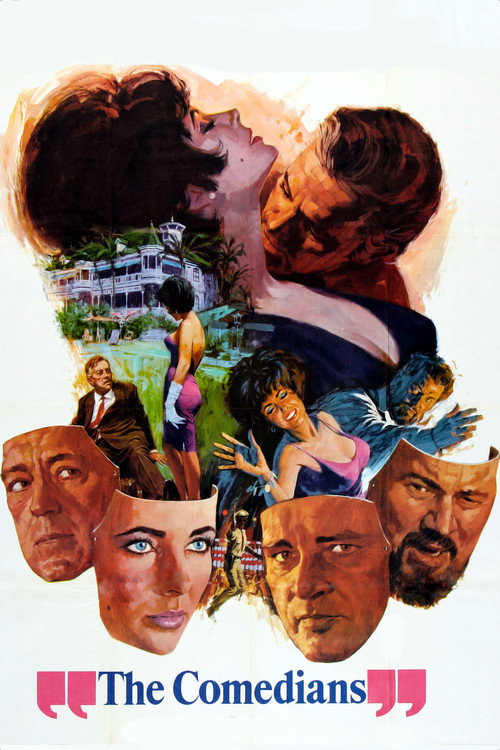
The Comedians1967
Three aging comedians confront their mortality and failures in relationship to the craft that defined them. Billy Wilder's bittersweet masterpiece, funny and desolate in equal measure. A meditation on ambition and friendship in decline.
But It's genuinely sad underneath the laughs. If you want pure escapism, this will weigh on you. The humour is often painful rather than joyful.
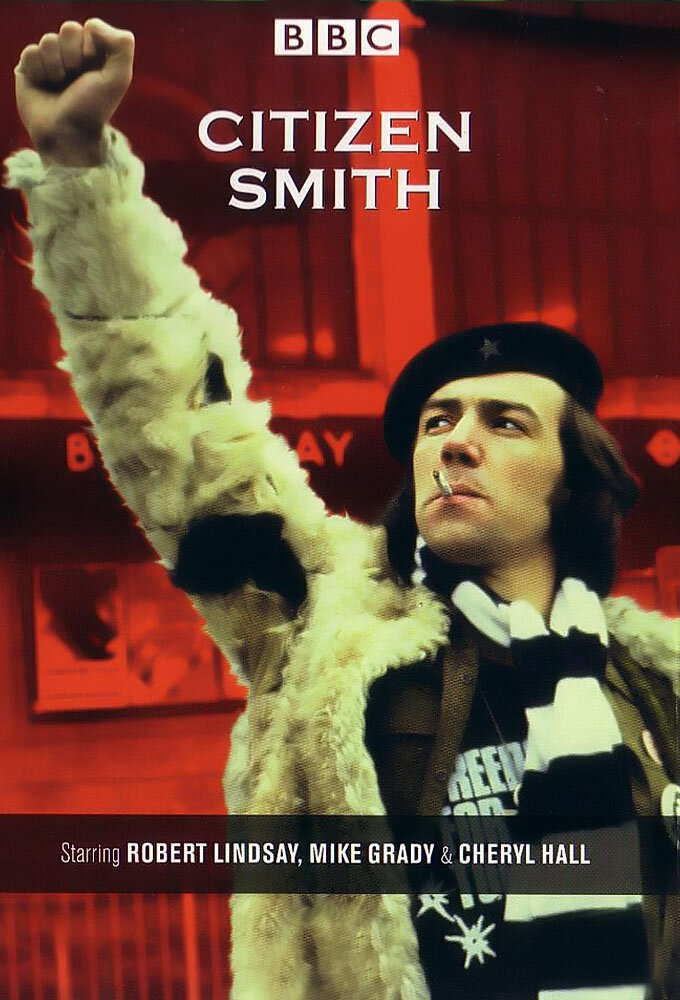
Citizen Smith1977
Both are rooted in working-class specificity—particular postcodes, particular rhythms—and both understand that the best comedy comes from characters genuinely affectionate toward one another despite their irreconcilable differences.
A naive young communist revolutionary in Battersea tangles with a world indifferent to his ideology, supported by a loyal circle who love him despite his delusions. Sitcom as character study: infinitely kind to its protagonist while being perfectly clear about his limitations. Hilarious and heartbreaking.
But It requires you to laugh at someone's earnest idealism while respecting it. The tone is oblique; it will not explain itself. Some episodes sag.
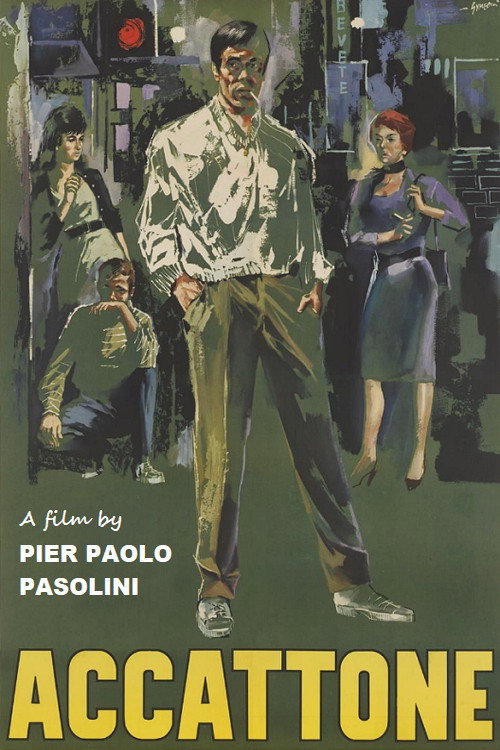
Accattone1961
Both celebrate working-class people—tailors, street vendors, the overlooked—with genuine affection and humour. Both refuse to pity their characters or dress them up as noble. Both understand that dignity and comedy coexist in ordinary lives.
Pier Paolo Pasolini's debut follows a Roman street hustler and his circle with the documentary eye of an anthropologist and the heart of someone who genuinely loves them. No plot to speak of—just observant, tender, occasionally brutal footage of people surviving. A masterpiece about the working poor that makes them vivid without sentimentality.
But It is a 1961 Italian film shot in the slums of Rome with non-professional actors, subtitled, with no conventional narrative. It moves at its own pace and will not accelerate for your impatience. The poverty depicted is real, not theatrical.
People
Cast


Writing
- Harry DriverCreator
- Vince PowellCreator