
Television series
The Omega Factor
A 1979 BBC series following a journalist investigating the paranormal for both a newspaper and a secret government department. It's atmospheric British sci-fi-thriller with genuine unease, occult intrigue, and the particular flavor of 70s institutional dread. For anyone who loves slow-burn mystery with a supernatural edge and doesn't need jump scares.
If you liked this
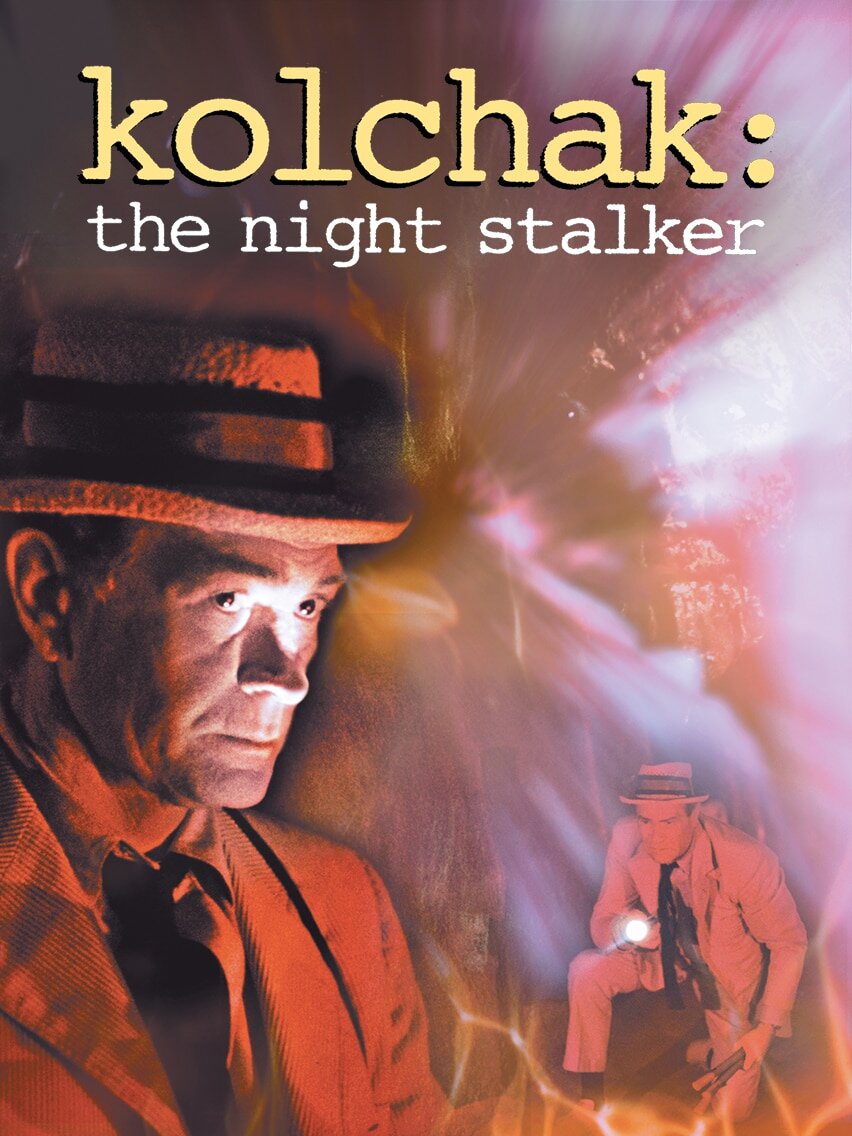
Kolchak: The Night Stalker1972
An American journalist investigates the genuinely unexplainable week after week. Same DNA as Omega Factor: skeptical protagonist, case-of-the-week structure, real creeping dread underneath the procedural framework.
But It's American 70s television, which means faster pacing and less moral ambiguity than the BBC offered. Some episodes lean campy.
The Quatermass Experiment1953
Pioneering BBC sci-fi about a returning space mission with something profoundly wrong. It shares Omega's institutional paranoia, scientific mystery, and that distinctly British sense that authorities might not be trustworthy.
But It's live television from 1953, so technical limitations are visible. Fewer episodes means less character development than you might want.
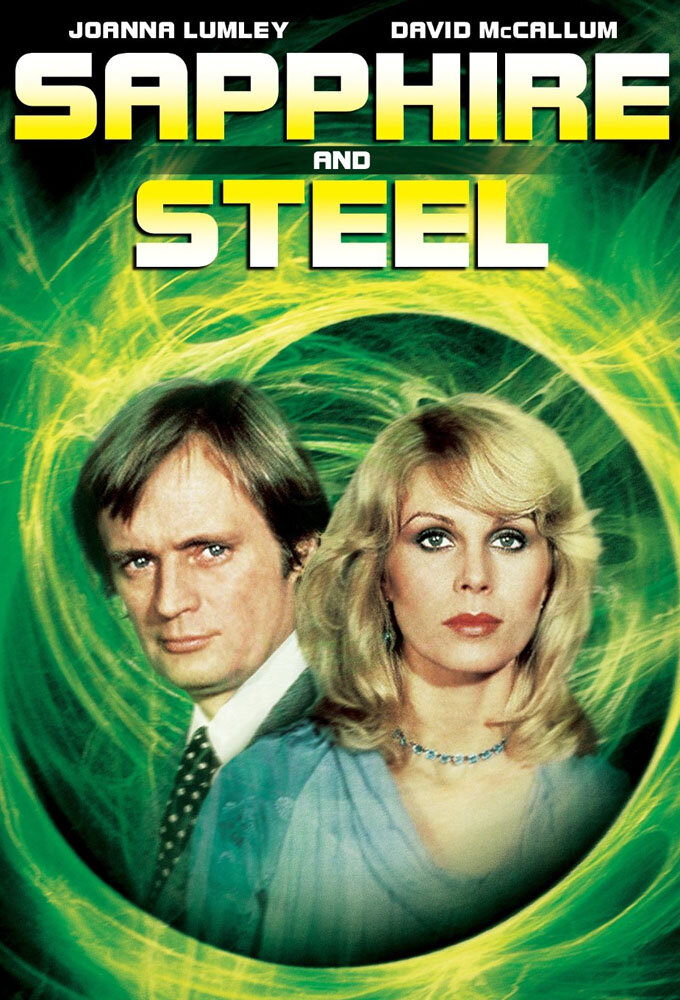
Sapphire and Steel1979
Arrived the same year, same network. Two agents investigate temporal and supernatural anomalies with almost no explanation given. Deeply unsettling, cryptic, refuses easy answers. Pure mood and intelligence.
But It's deliberately enigmatic to the point where some viewers find it frustrating. Very slow. Not much happens in a conventional sense.
Not sure tonight? Get a pick in a minute, starting from The Omega Factor
The wildcard
Something you would not have found on your own.
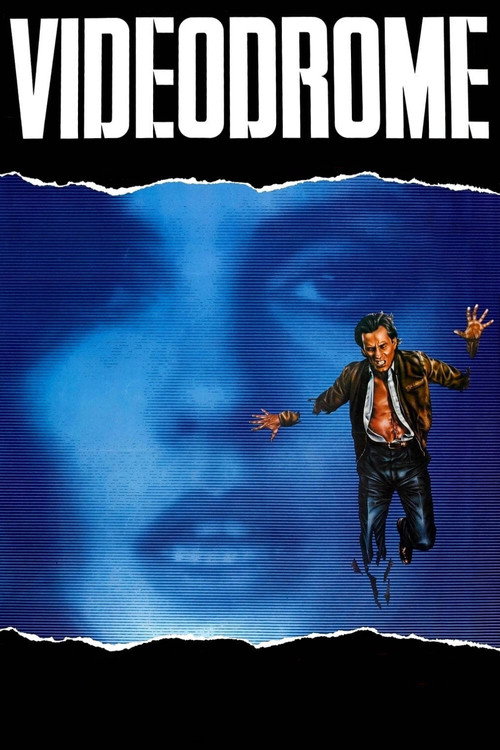
Videodrome1983
Both pit a skeptical observer against something that dissolves the boundary between real and impossible. Both suggest the conspiracy might be less important than what it does to the mind.
Cronenberg's fever dream about media, reality, and consciousness breaking down. Like Omega Factor, it's about a man pulled into an conspiracy he doesn't understand, but it renders the protagonist's paranoia as visual and bodily horror. Genuinely disorienting.
But Extremely graphic, sexually disturbing imagery. The narrative becomes deliberately incoherent—some see that as brilliant, others as pretentious.
More like this (7)
The Twilight Zone1959
American anthology that nails the same mystery-investigation tone Omega Factor reaches for. Tense, thoughtful, genuinely strange. Serling's narration became iconic for good reason.
But Anthology means no character investment across episodes. Some dated social commentary lands uneasily now.

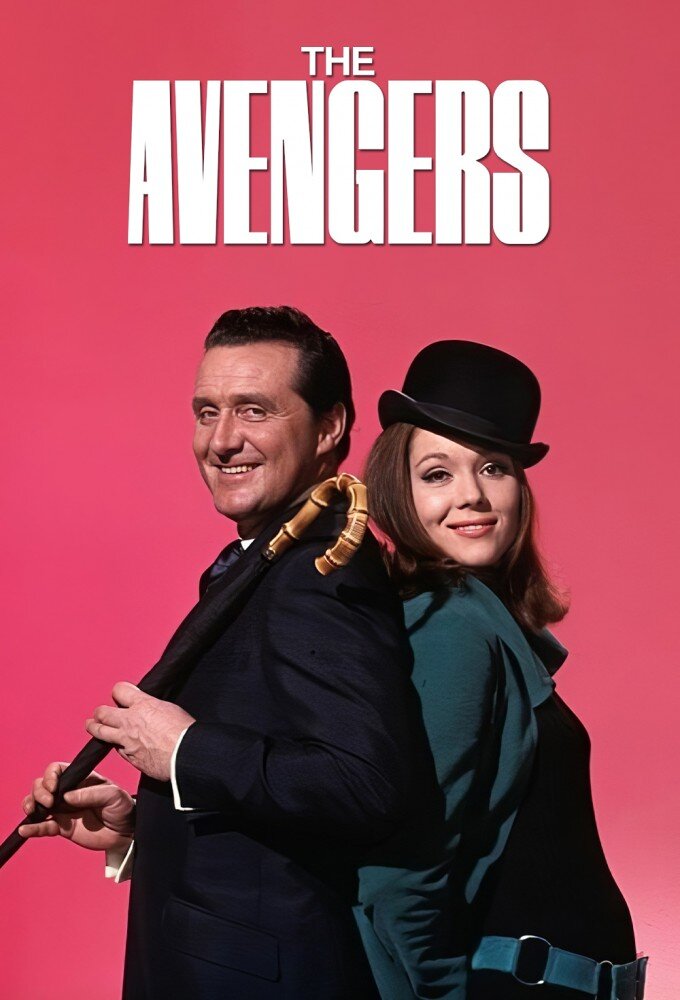
The Avengers1961
British 60s spy series with surreal, often supernatural edges. Stylish, clever, playfully paranoid about authority. Similar mix of espionage, the inexplicable, and institutional mistrust.
But Earlier episodes are campy; the tone shifts wildly across seasons. You need to find the right era to click with it.
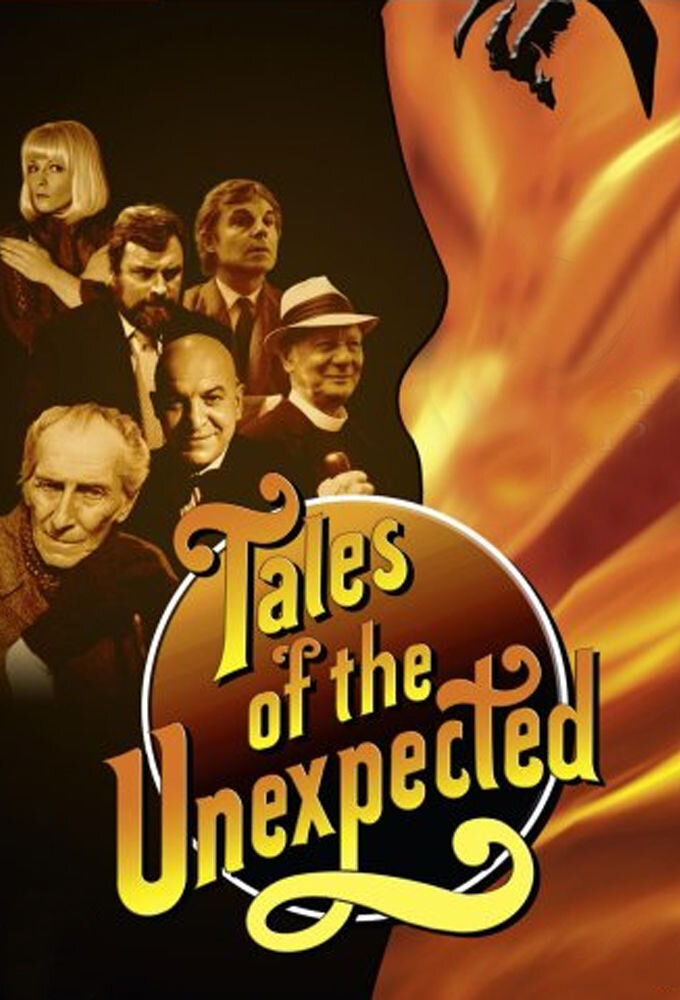
Tales of the Unexpected1977
British anthology hosted by Roald Dahl with a wonderfully nasty bite. Short stories with supernatural and psychological twists. Same era, same sensibility about human nature being more dangerous than ghosts.
But Anthology format means no narrative momentum. Quality varies noticeably episode to episode.
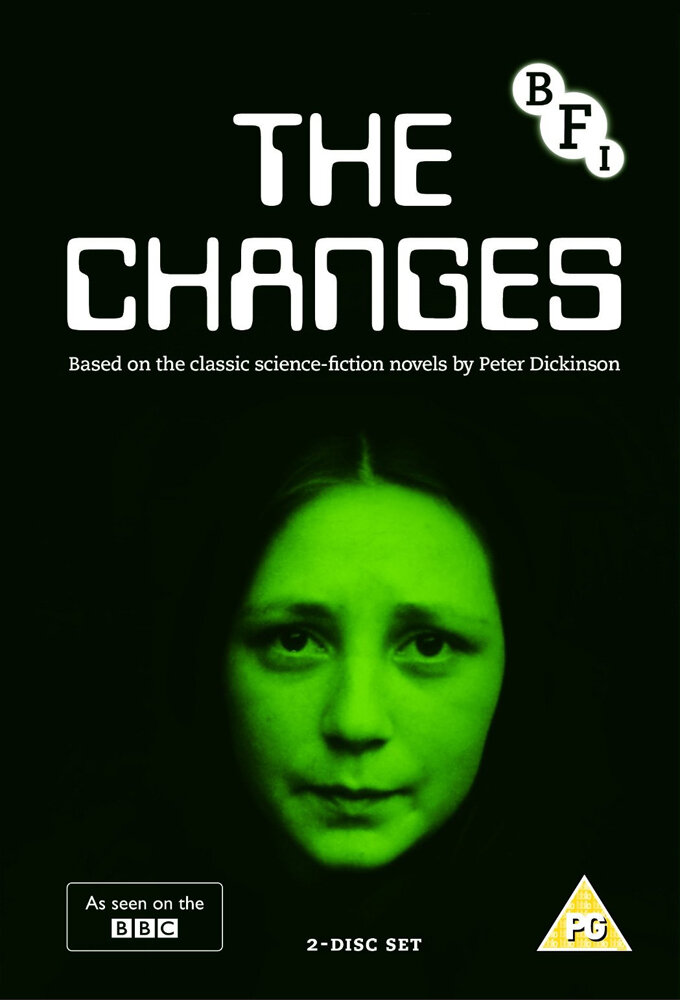
The Changes1975
BBC children's series that functions as genuine science-fiction horror. A mysterious force makes all machines malfunction and people act irrationally. Apocalyptic, eerie, treats paranormal terror seriously.
But It was made for children, which some adults find hard to get past despite its actual darkness.
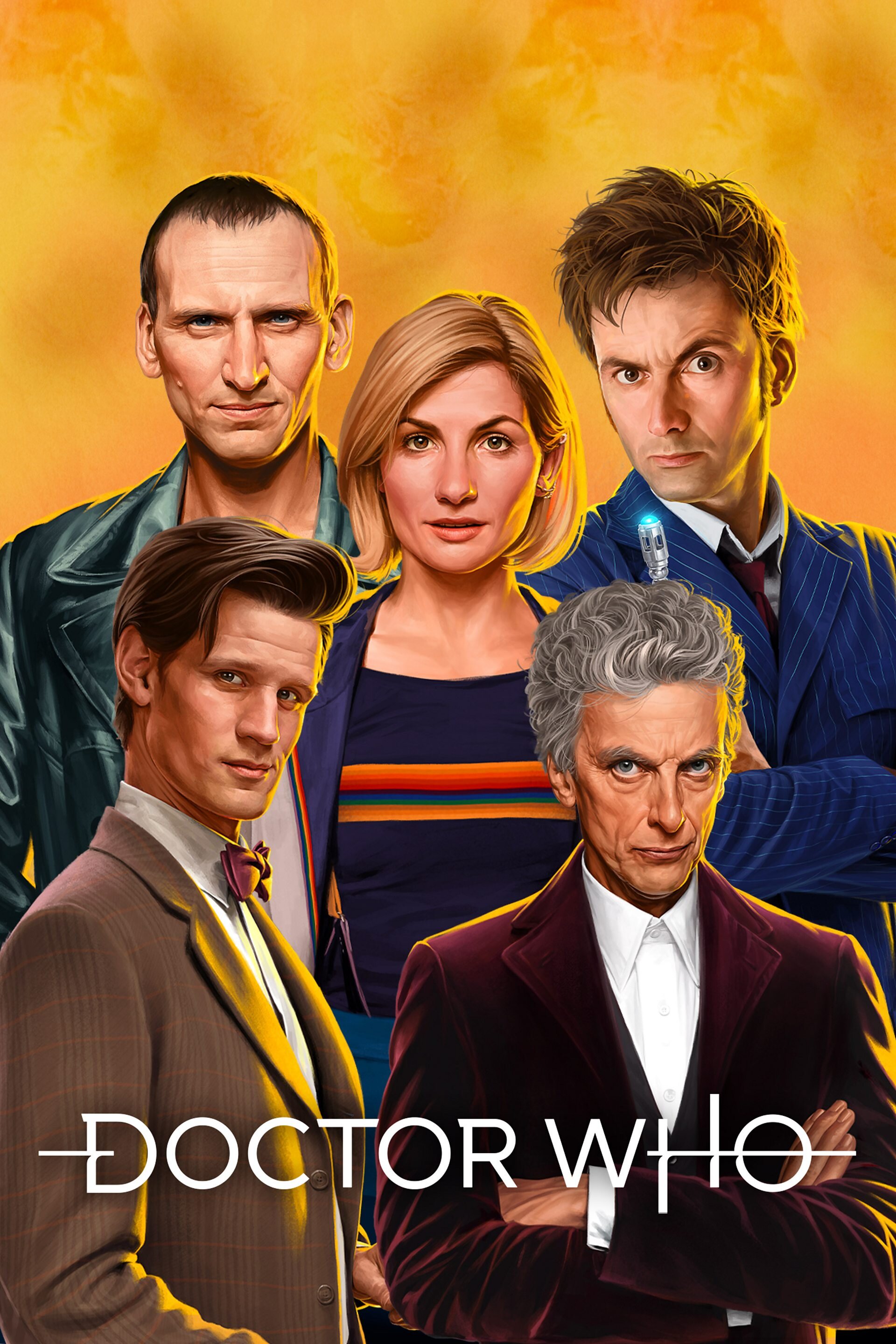
Doctor Who2005
Tom Baker era Doctor Who with serious sci-fi weight. Explores how evil systems are created. Bleaker than typical Who, with real consequences and moral questions that linger.
But It's still Doctor Who, so there's whimsy and 70s TV limitations. The Dalek design looks cheap. Requires some tolerance for camp.
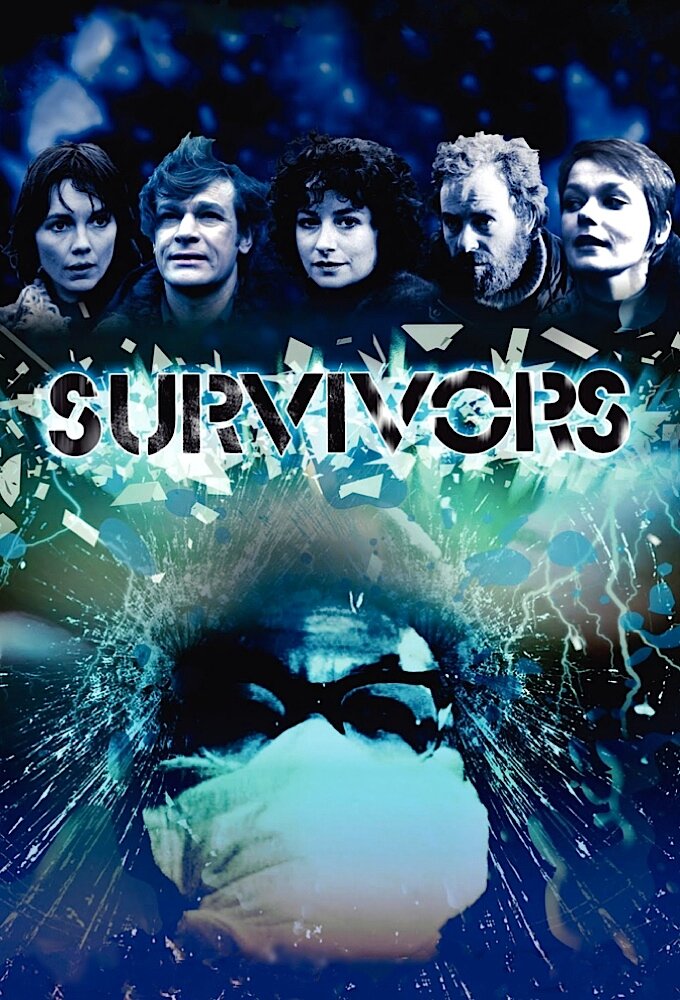
Survivors1975
BBC post-apocalypse drama about a plague that wipes out most of humanity. No supernatural element but shares Omega's institutional collapse, mystery about what's happening, and slow-burn dread.
But Very slow, very bleak, sometimes repetitive. Some find it oppressively grim rather than entertainingly dark.
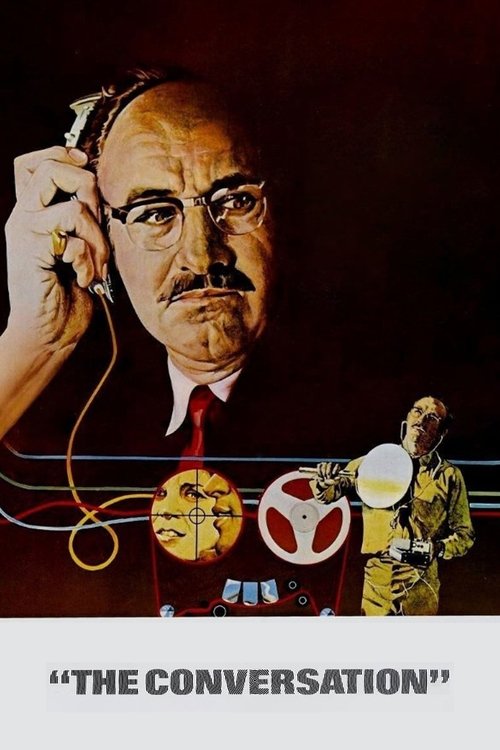
The Conversation1974
Both are about men drawn into institutional machinery they didn't choose, discovering that information itself can be a weapon used against you.
Coppola's masterpiece about surveillance paranoia starring Gene Hackman as a wire-tap expert spiraling into obsession. Methodical, tense, morally complicated. Asks whether knowing too much is the real danger.
But Deliberately paced, sometimes claustrophobic. The plot is secondary to atmosphere and performance. Requires patience.
People
Cast

Writing
- Jack GersonCreator