
Film
Failure Is Not an Option
Gene Kranz, the legendary Flight Director who guided Apollo 11 to the moon, narrates NASA's manned space program from Mercury through Apollo 17. This is Mission Control's story—the engineers, mathematicians, and decision-makers whose cool heads and meticulous planning made the impossible routine. Essential viewing for anyone who believes human ingenuity can solve anything.
Should you watch it?
Watch it if you love hearing the people who actually ran the machines tell the story themselves, with the dry competence and quiet pride of engineers who never needed a dramatic score to make a countdown tense.
Skip it if you want a visual spectacle or a tight narrative built around one crisis, since this is a talking-head account that sweeps across a decade of missions rather than zooming in on any single one.
What it asks of you: It runs about ninety minutes and mostly sits in one room of memory, so it asks for patience with long stretches of recollection and a willingness to follow a chronology rather than a plot.
Not sure? Find tonight's pick in a minute.
If you liked this
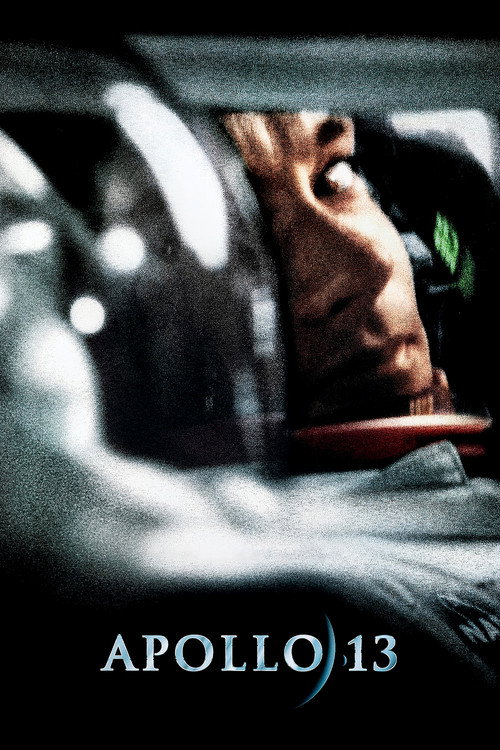
Apollo 131995
The definitive dramatization of the lunar module crisis, with Tom Hanks and an all-star cast bringing authentic tension to a story you think you know. Complements this documentary perfectly.
But It's a Hollywood film, so it simplifies and compresses—some mission control decisions get smoothed over for narrative flow.
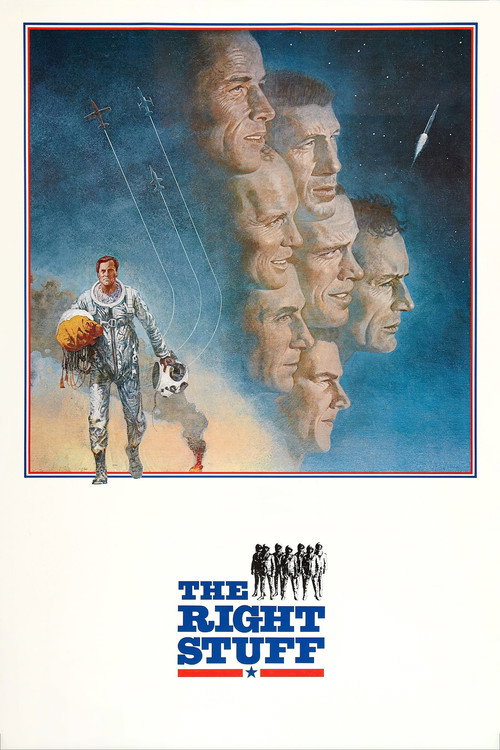
The Right Stuff1983
Philip Kaufman's epic follows the Mercury and early Gemini astronauts with the same meticulous attention to detail and human drama. Gorgeous, ambitious, and genuinely moving about what it cost to be first.
But Nearly three hours, and it can feel slow if you're not invested in the personal lives of test pilots and their families.
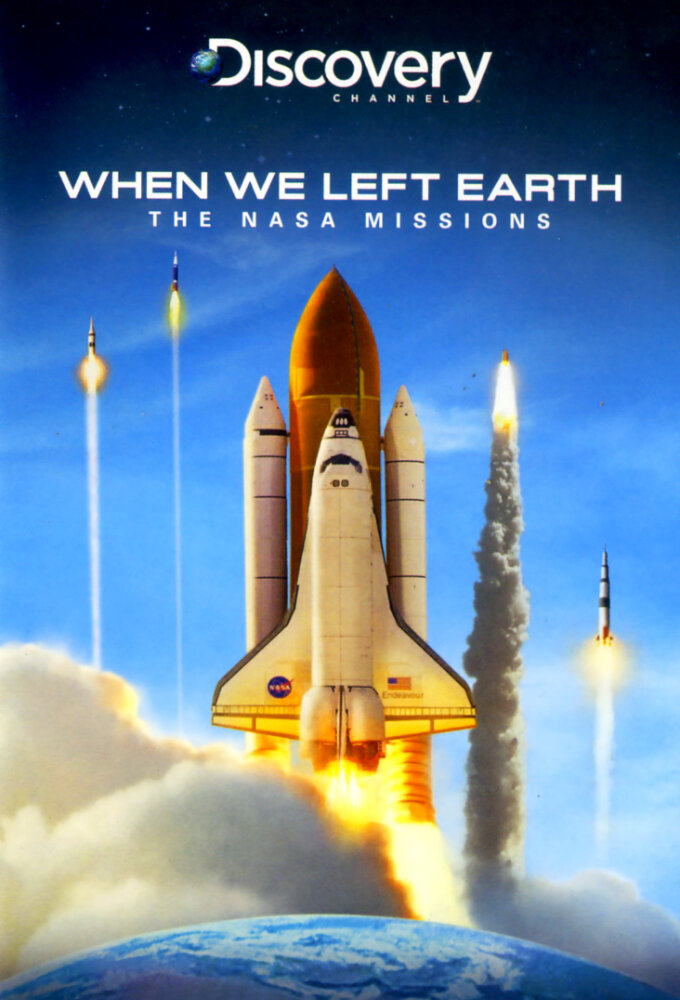
When We Left Earth: The NASA Missions2008
A NASA-sanctioned series using actual mission footage and interviews with everyone involved. If you loved this documentary, this expands the story with even more primary source material and personal testimony.
But It's comprehensive to the point of being overwhelming—you'll need multiple sittings to absorb it all.
Not sure tonight? Get a pick in a minute, starting from Failure Is Not an Option
The wildcard
Something you would not have found on your own.
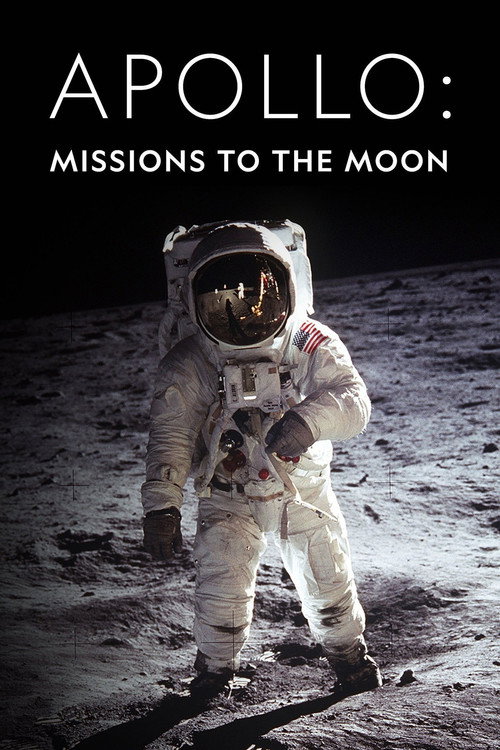
Apollo: Missions to the Moon2019
Both are insider accounts of the same programs, but this one puts you in the spacecraft and on the surface while Kranz keeps you in the control room. Different angles on the same achievement.
National Geographic's four-part limited series uses newly restored NASA footage and modern technology to show Apollo like you've never seen it—4K clarity of the lunar surface that makes it visceral and new. Pure archival material, no talking heads.
But It's shorter on human story and personality than Kranz's documentary—you get the mission, not the people living it in Mission Control.
More like this (8)
Hidden Figures2016
The story of Black women mathematicians whose calculations were essential to the space program. Joyful, infuriating, and brilliantly cast—it fills in a crucial part of the narrative this documentary doesn't center.
But The film softens some of the historical ugliness and takes romantic liberties. It's inspiration rather than strict documentation.
From the Earth to the Moon1998
Tom Hanks and Steven Spielberg's HBO miniseries dramatizes twelve episodes of Apollo missions with meticulous production design and stellar casts. Each episode is a complete story; binge-worthy or savoured slowly.
But Ten hours is a commitment, and some episodes focus more on interpersonal drama than engineering—that's a feature, but it might feel like a detour.
In the Shadow of the Moon2007
Pure documentary: interviews with Apollo astronauts about their experiences on the lunar surface and their lives after. Meditative, philosophical, and genuinely moving without any narrative spin.
But It's more poetic than analytical—if you want technical details, you won't get them here.
A Brief History of Time1991
Errol Morris directs Stephen Hawking in a film about the universe and our place in it. Not space exploration, but the same sense of wonder about scale, achievement, and human curiosity driving big questions.
But It's dense, philosophical, and moves at its own pace—not a conventional documentary.
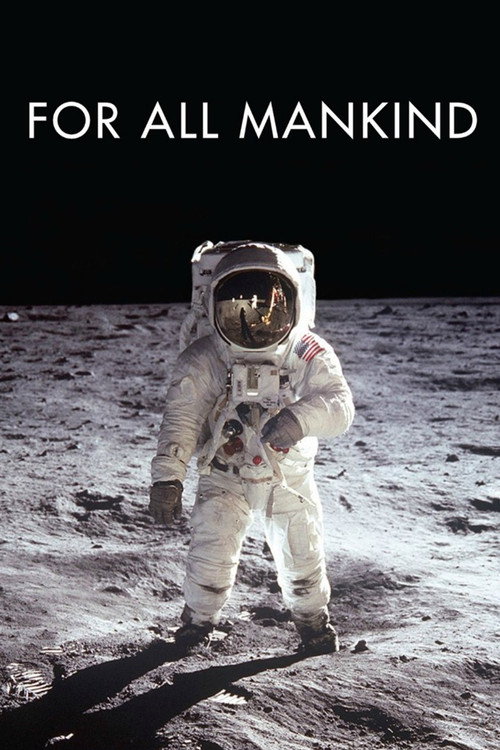
For All Mankind1989
Al Reinert's masterpiece uses only NASA footage and original music to tell the Apollo story wordlessly. Hypnotic, beautiful, and will give you chills watching astronauts on the moon with zero commentary.
But The lack of narration means you bring your own understanding—if you need context, you'll miss some of what's happening.
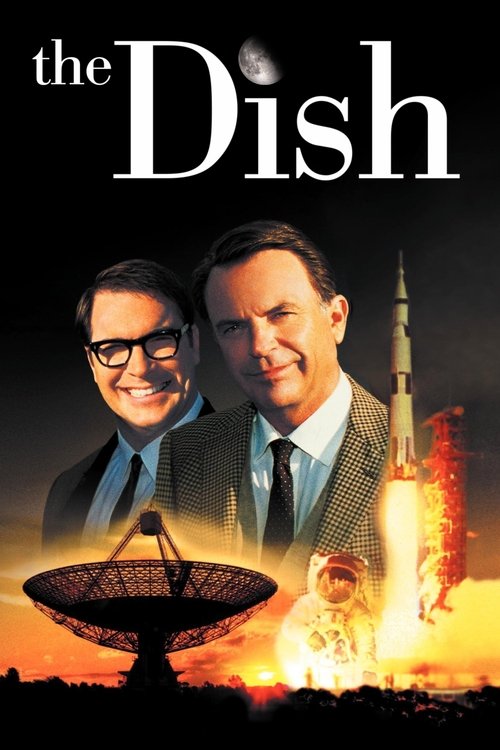
The Dish2000
An Australian comedy-drama about the Parkes Observatory's role in relaying the Apollo 11 moonwalk. Charming, funny, and a genuine reminder that the space race was a global effort, not just a NASA show.
But It's a lighthearted period piece, which means the stakes feel lower and some historical details take a backseat to laughs.
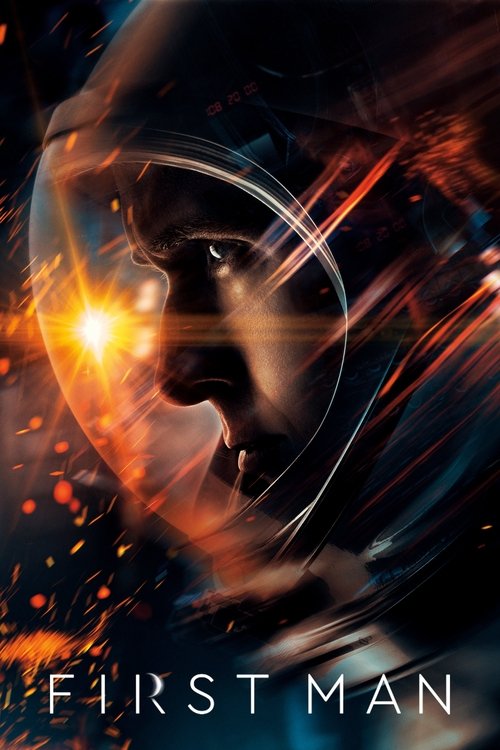
First Man2018
Kranz's documentary celebrates the mission control miracle; Chazelle's film shows the psychological cost of the astronaut who had to sit in that capsule. Same achievement, opposite emotional register.
Damien Chazelle's film about Neil Armstrong is almost uncomfortably intimate—less about the glory of space and more about the trauma, loss, and obsession that got him there. Brilliant cinematography of the X-15 flights. A corrective to the triumphalism.
But It's austere and sometimes frustrating—Armstrong doesn't perform heroism, he endures it. If you want to feel inspired, this isn't it.
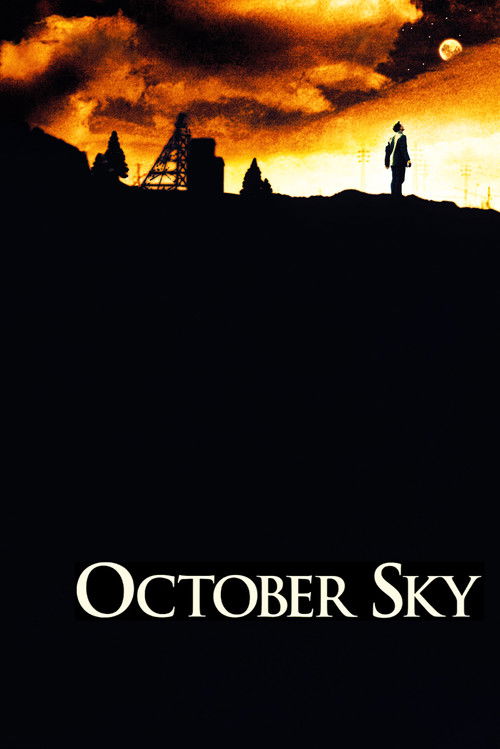
October Sky1999
Kranz's film shows how Mission Control built the machines; this film shows how the space race inspired ordinary people to become the engineers who built them. Cause and effect, two decades apart.
A small-town boy in 1950s West Virginia becomes obsessed with building rockets inspired by Sputnik. It's about how the space race reached into American consciousness and fired up a generation of engineers and dreamers—the ground-level view of why the race mattered.
But It's a conventional inspirational sports-film structure transplanted to rockets. If you're allergic to earnest father-son reconciliation narratives, the formula will irritate you.
People
Cast
 Gene KranzSelf