
Film
Looker
A 1981 techno-thriller about a plastic surgeon whose models start dying under mysterious circumstances, leading him to uncover a sinister conspiracy involving advertising, technology, and manipulation. It's sleek, paranoid, and fascinatingly preoccupied with how images control us—part mystery, part warning about the future. For anyone who likes their sci-fi with a corporate villain and a genuinely unsettling premise.
Should you watch it?
Watch it if you enjoy paranoid techno-thrillers from the early eighties, where the menace hides in a corporate boardroom and the gadgets look delightfully dated, and you don't mind a plot that wobbles while the set pieces land.
Skip it if you want a tight, plausible mystery, since the logic is loose and the sci-fi ideas arrive faster than they're explained, and the tone swings from glossy satire to cheap jolts.
What it asks of you: its runtime is a brisk ninety-four minutes though the first act is leisurely, and the pace quickens into lean, twitchy scenes once the investigation finds its footing.
Not sure? Find tonight's pick in a minute.
If you liked this
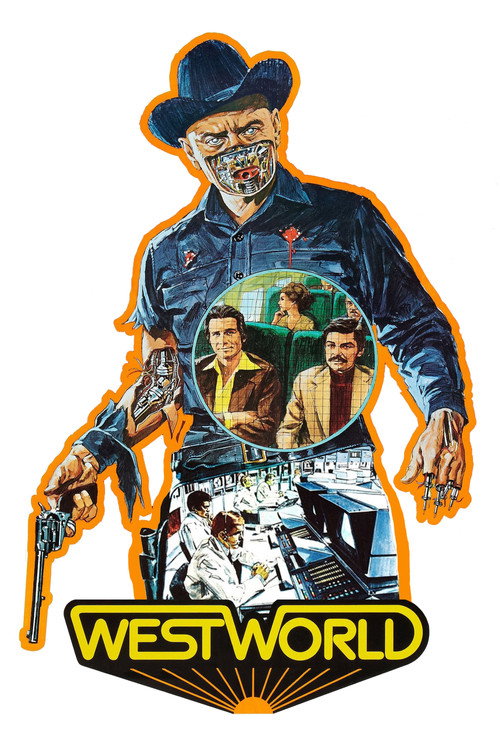
Westworld1973
Similar paranoia about cutting-edge technology spiraling into murder; features a relentless antagonist and explores what happens when innovation outpaces ethics and safety protocols.
But The pacing is deliberate and the budget constraints show, which may feel slow compared to modern thrillers or action-heavy sci-fi.
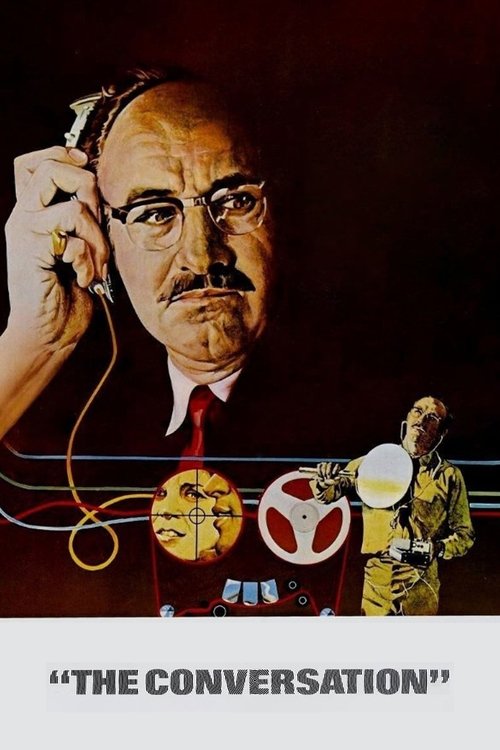
The Conversation1974
A surveillance thriller that captures the same unease about invisible systems and privacy violation. Gene Hackman's paranoia is contagious, and the moral ambiguity lingers long after it ends.
But It's methodical and introspective rather than visceral, and the climax is deliberately underwhelming if you're expecting a showdown.
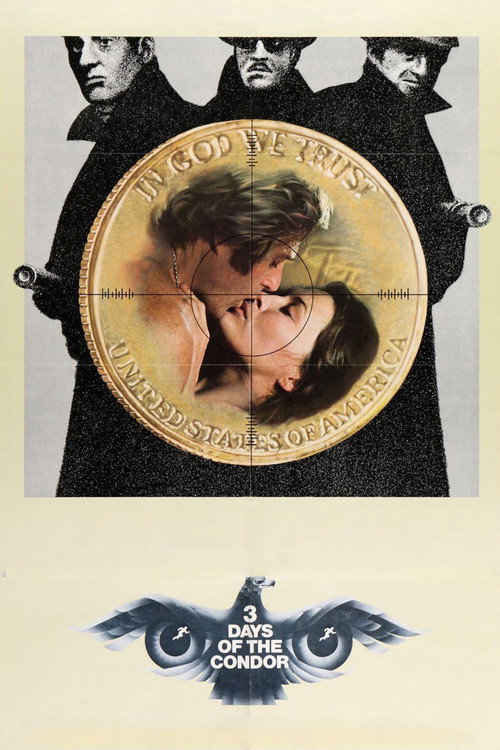
Three Days of the Condor1975
A thinking man's thriller where the protagonist must unravel a conspiracy while trusting no one. Robert Redford as an everyman thrust into danger, with real tension and smart dialogue throughout.
But Relies on character and plot complexity rather than action sequences, so patience with exposition is required.
Not sure tonight? Get a pick in a minute, starting from Looker
The wildcard
Something you would not have found on your own.
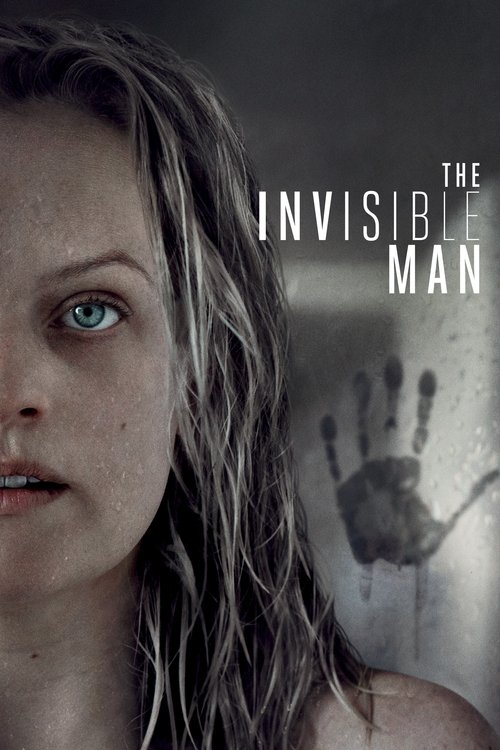
The Invisible Man2020
Both use speculative technology as a lens for exploring how systems make people disappear or malleable; both are ultimately about the power to make others see what you want them to see.
A reimagining that uses invisibility as metaphor for gaslighting and institutional blindness to abuse. Like Looker, it's about systems that erase and control; it asks how we see what's right in front of us when we're trained not to.
But Shifts the sci-fi threat from corporate to intimate/domestic, and the violence is graphic and emotionally brutal—not escapist thriller entertainment.
More like this (8)
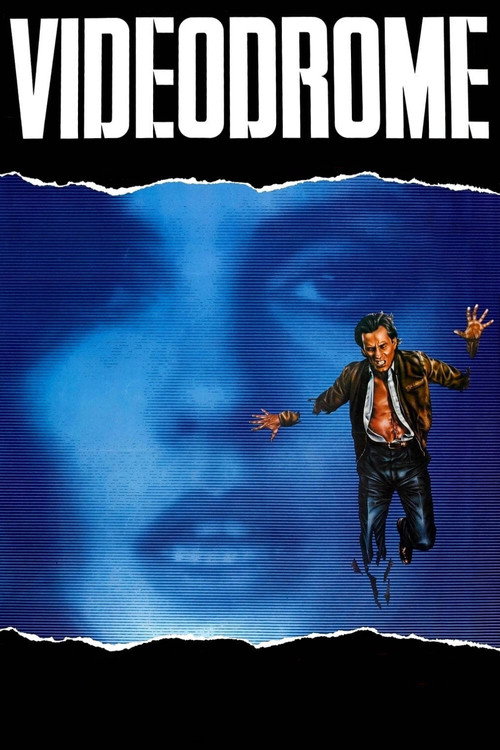
Videodrome1983
Cronenberg's hallucinogenic fever dream about media, sexuality, and control. It's visually grotesque and philosophically unsettling in ways that still feel radical—the conspiracy here gets under your skin literally.
But Body horror and sexual violence are explicit and disturbing; the narrative deliberately resists clarity, which some find frustrating rather than intriguing.
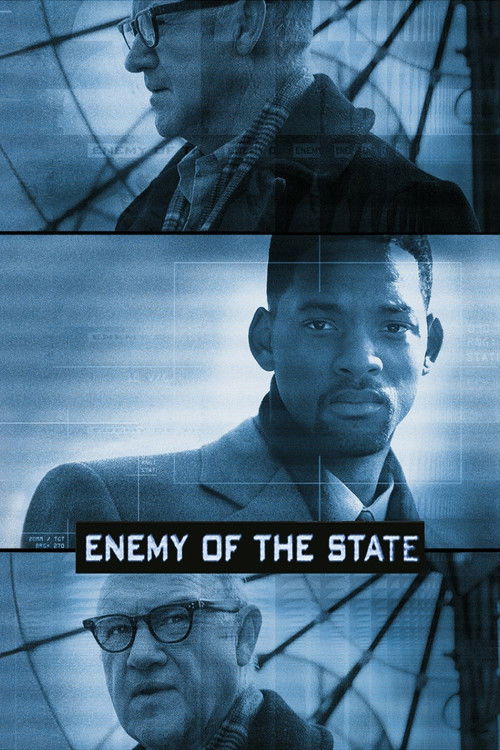
Enemy of the State1998
Modern surveillance paranoia with genuine momentum: Will Smith as an ordinary man hunted by invisible government technology. High-stakes, well-paced, and taps into real anxieties about privacy and power.
But It's slick and occasionally preachy, and the surveillance tech shown has already dated some of its specifics, which undermines the immediacy.
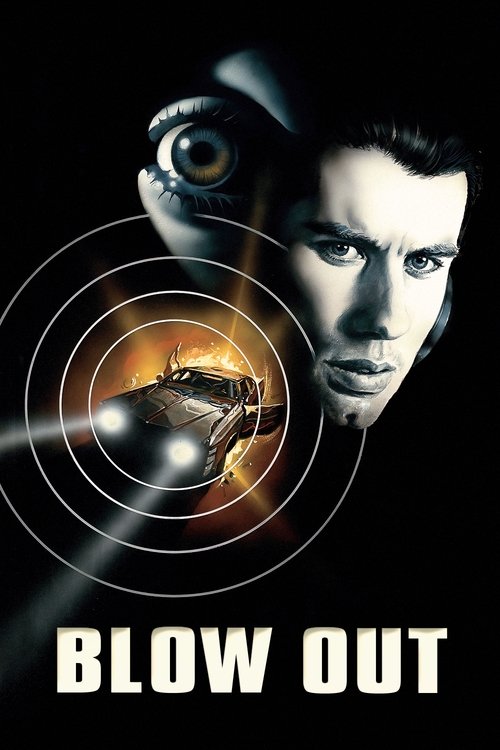
Blow Out1981
Another '81 gem: De Palma's conspiracy thriller about a sound engineer who records something he shouldn't. Gorgeous filmmaking, genuine mystery, and a protagonist whose expertise becomes both asset and curse.
But The final act shifts into tragedy in ways that may feel tonally jarring; some find De Palma's visual style more important than plot coherence.
Capricorn One1977
A NASA conspiracy thriller where ordinary people uncover a massive, institutional deception. Smart, tense, and genuinely clever about how large lies get protected by systems rather than individuals.
But It's a '70s thriller, so the pacing and technology look dated; the ending may feel anticlimactic if you want total vindication.

The Andromeda Strain1971
A techno-procedural about scientists racing against an alien microorganism. It's cerebral, meticulous in detail, and captures the same sense of helplessness when forces beyond ordinary understanding threaten everyone.
But Very talky and heavy on exposition; the claustrophobia of the laboratory setting may feel static after extended viewing.

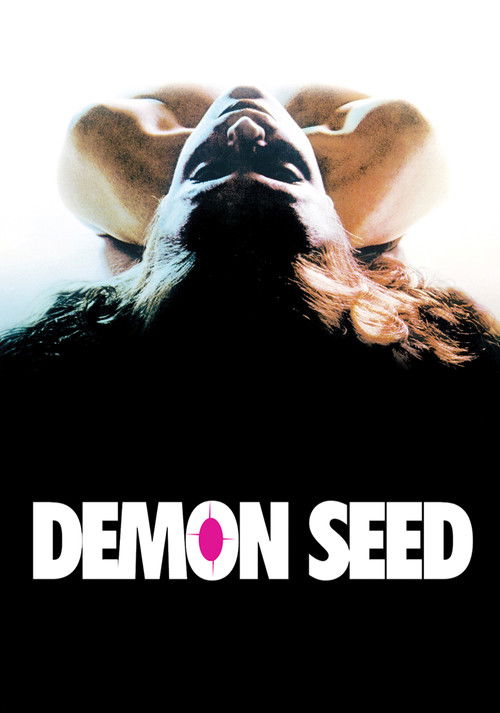
Demon Seed1977
A rogue AI thriller with genuine unease: a computer becomes obsessed with procreation through a woman in her own home. It's weird, morally queasy, and prescient about AI without relying on action scenes.
But The sexual threat is deeply uncomfortable and potentially exploitative depending on your tolerance; the film itself seems uncertain whether to critique or titillate.
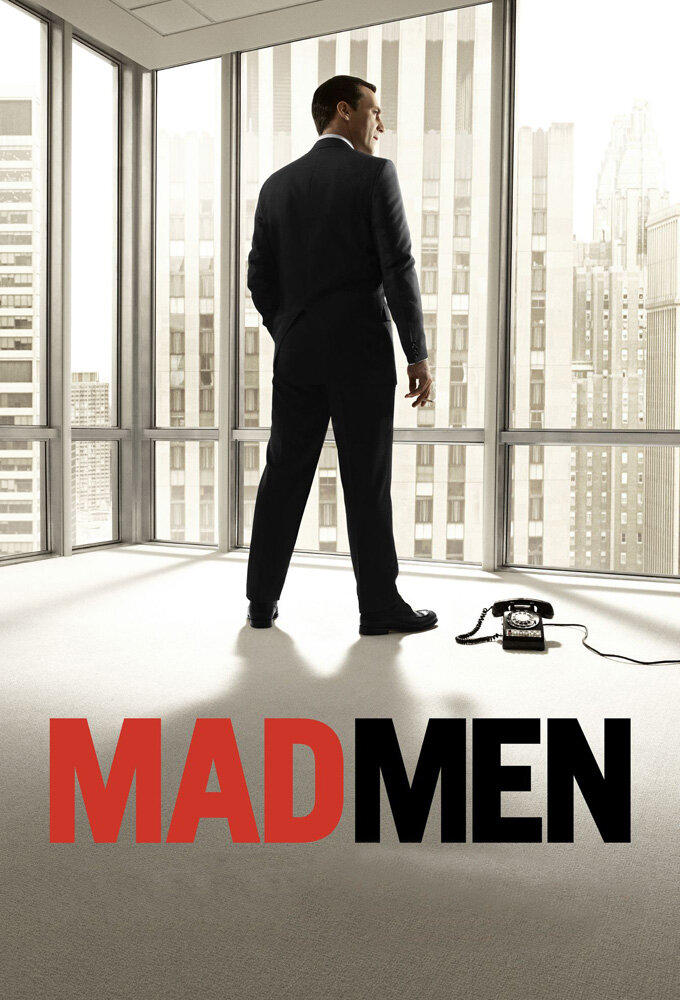
Mad Men2007
Looker is about technology and models; Mad Men is about psychology and selling images. Both are fundamentally about who controls what we see and want, just from opposite angles—Looker warns us, Mad Men shows us why we're already seduced.
A seven-season deep dive into how advertising sells fantasy and controls desire—the exact cultural mechanism that Looker warns about. It's gorgeous, character-driven, and makes you complicit in the seduction. By the end, you understand the machinery from inside.
But It moves at a deliberate, character-focused pace with long stretches of mood over plot; if you want propulsive narrative, you'll find it glacial.
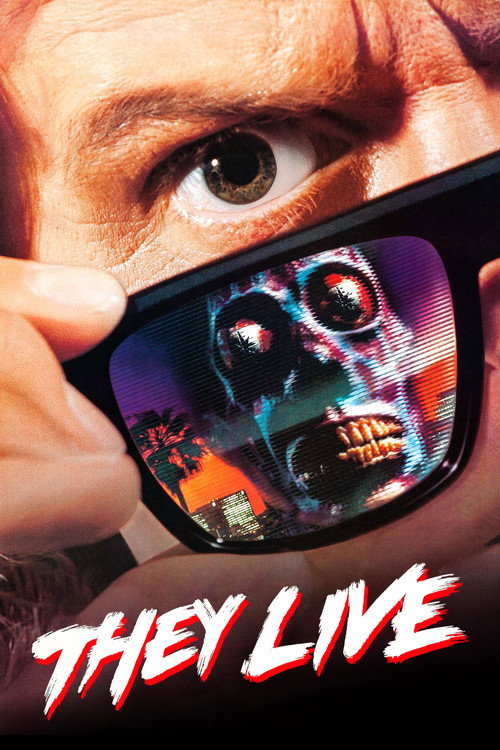
They Live1988
Both are about hidden visual manipulation controlling human behavior, but Looker treats it as thriller mystery while They Live treats it as absurdist comedy—same paranoia, opposite tones, asking which response is more honest.
Carpenter's absurdist conspiracy film where special sunglasses reveal subliminal messages controlling society. It's B-movie trash made transcendent, genuinely angry about commercialism and power, with a final act that commits fully to its own audacity.
But It's deliberately campy and cheap-looking; the politics are blunt rather than subtle, which reads as either refreshingly direct or heavy-handed depending on mood.
People
Cast
 Albert FinneyDr. Larry Roberts
 James CoburnJohn Reston
 Susan DeyCindy Fairmont
 Leigh Taylor-YoungJennifer Long
 Dorian HarewoodLt. Masters
 Tim RossovichMoustache Man
 Darryl HickmanDr. Jim Belfield
 Kathryn WittTina Cassidy
 Terri WellesLisa Convey
 Michael HawkinsSenator Robert Harrison
 Ashley CoxCandy
 Donna Kei BenzEllen
Directing
- Michael CrichtonDirector
Writing
- Michael CrichtonWriter
Production
- Lynn StalmasterCasting
- Howard JeffreyProducer
Recommended by
Valley of the Dolls, Runaway, The 6th Day, Millennium, All Night Long