
Television series
Star Cops
Star Cops is a hard science-fiction procedural set in the near future, following an international space police force investigating crimes across orbital habitats and lunar colonies. It's rigorous about physics and technology, treating space as a working environment rather than a backdrop. For viewers who want their SF grounded and their crime dramas cerebral.
Should you watch it?
Watch it if you enjoy hard science fiction where the procedure matters as much as the plot, and you like watching a crew patiently work out how a crime could even be committed in orbit or on a frontier station.
Skip it if you want fast cuts, big effects and constant momentum; this is a 1980s BBC production with modest visuals, and its episodes move at a measured, talky pace.
What it asks of you: Nine episodes of roughly fifty-five minutes each, so a committed evening or two. It rewards close attention to the details of the setting rather than passive half-watching.
Not sure? Find tonight's pick in a minute.
If you liked this
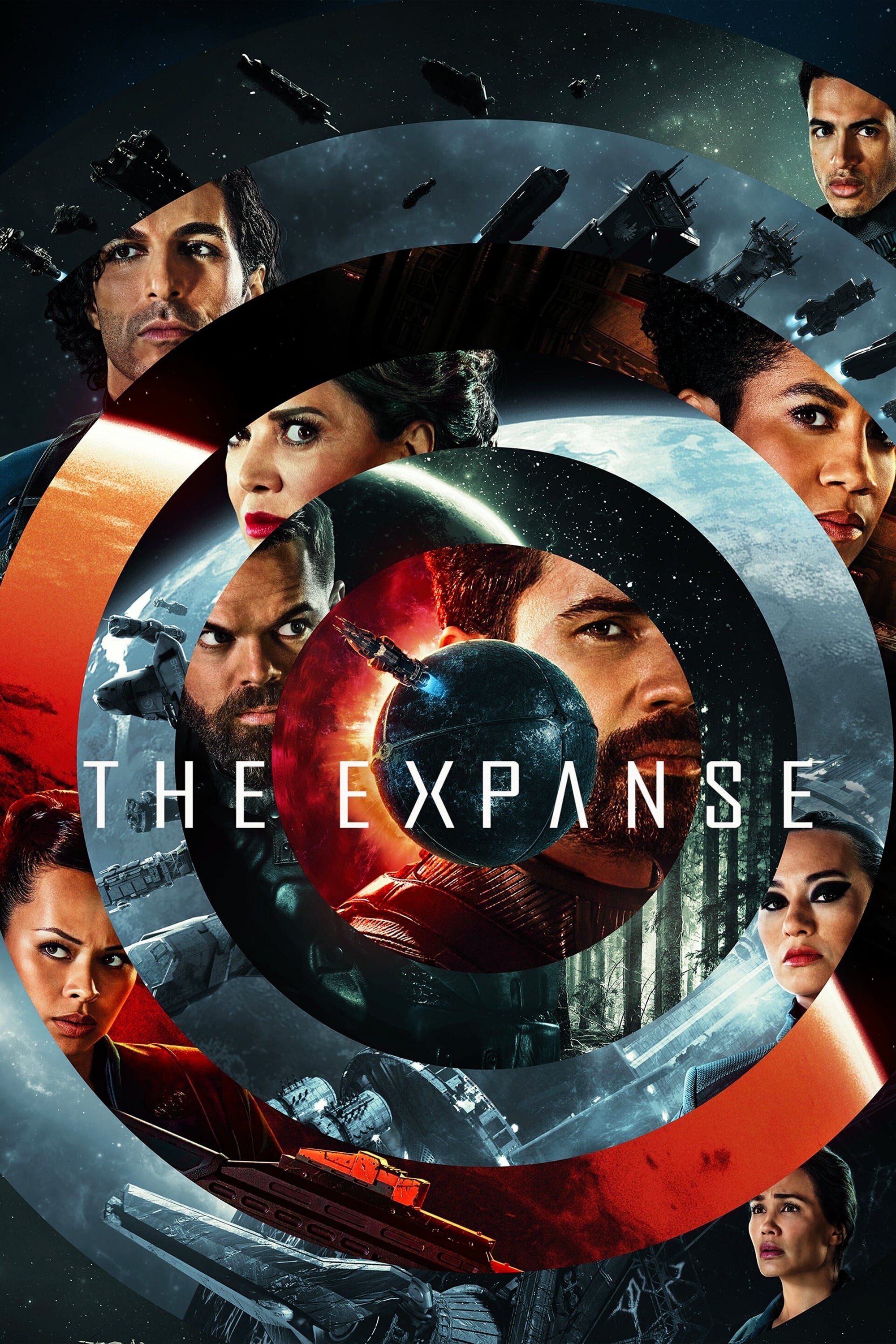
The Expanse2015
Political intrigue and procedural crime unfold across a scientifically credible solar system. Like Star Cops, it respects orbital mechanics and treats space as a place where ordinary people work, not just heroes on adventure.
But Slow to build in season one, and the sheer scope of competing factions can feel overwhelming if you want straightforward cases to solve.
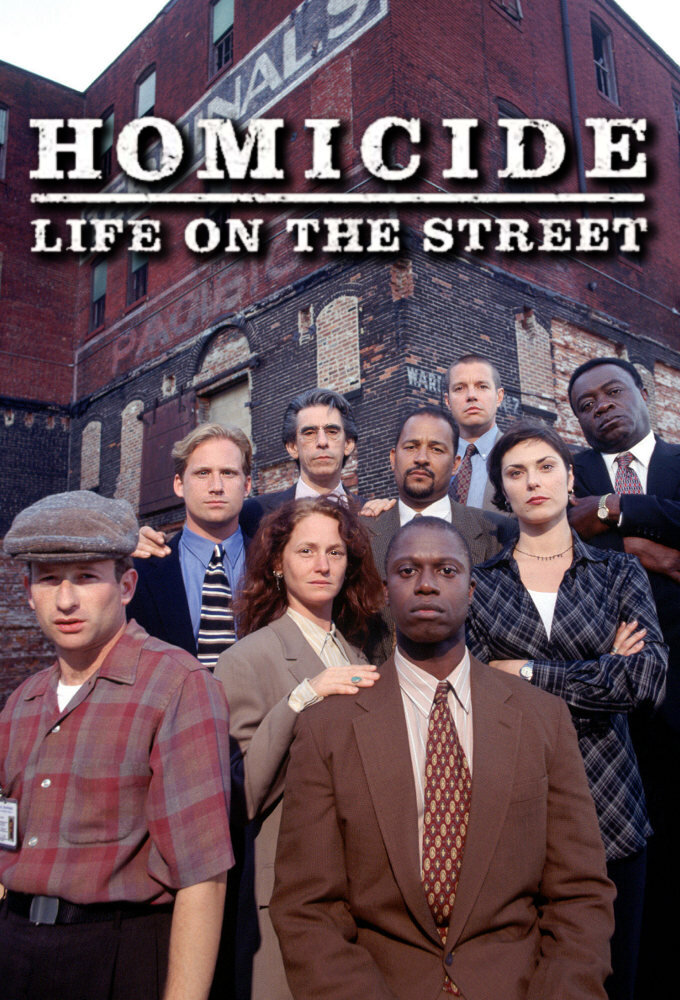
Homicide: Life on the Street1993
Procedural crime writing at its finest: cases emerge from the texture of a real place and real pressures. The focus on investigation over spectacle and the ensemble cast dynamics echo Star Cops' approach.
But Set in Baltimore, not space—if you're looking for SF specifically, this won't scratch that itch.
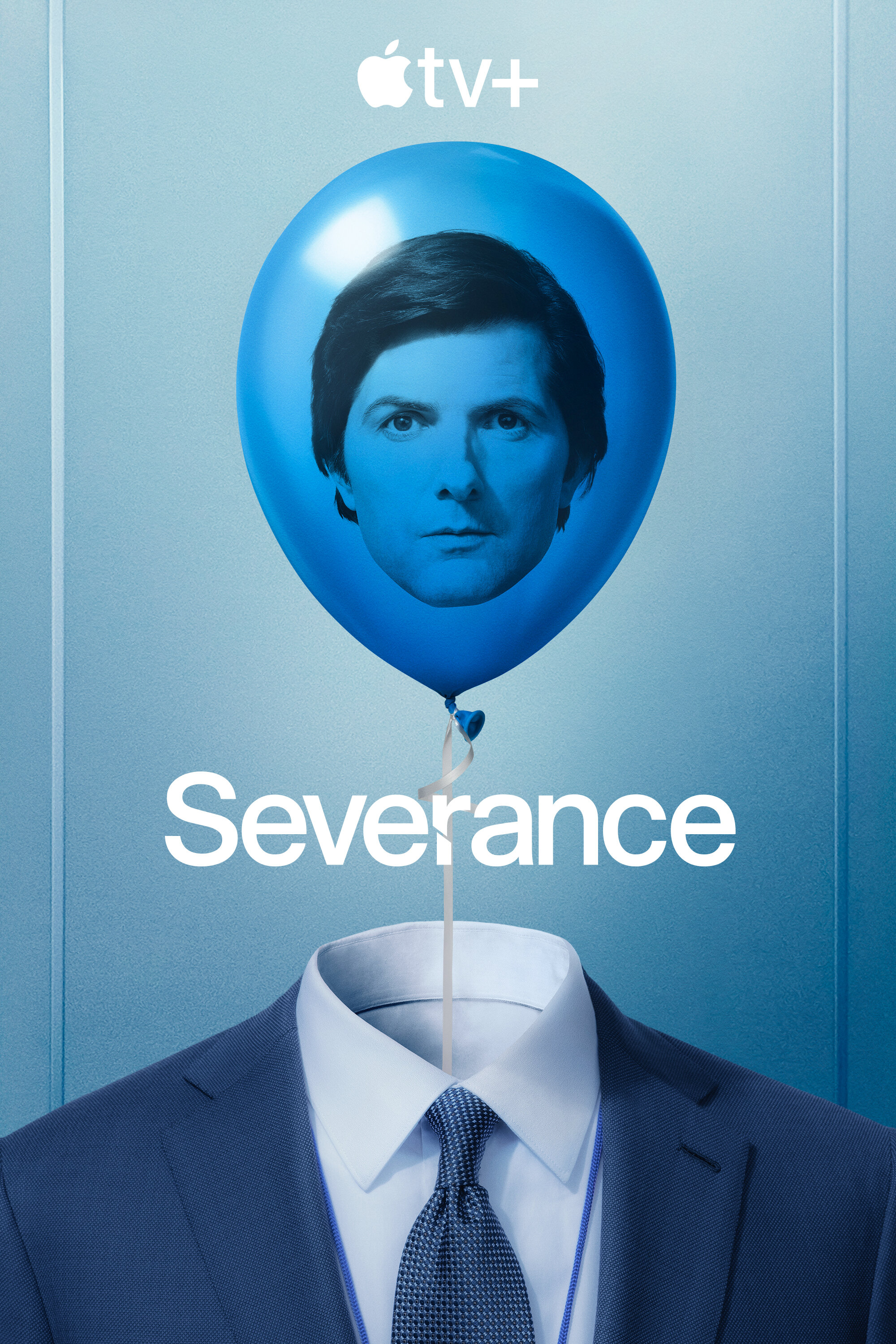
Severance2022
Near-future corporate SF that treats technology as morally neutral infrastructure. Dense, cerebral, and unafraid to make the viewer work. Every detail of the world serves the story.
But More mystery box than procedural; it withholds answers deliberately, which frustrates viewers who want resolution.
Not sure tonight? Get a pick in a minute, starting from Star Cops
The wildcard
Something you would not have found on your own.
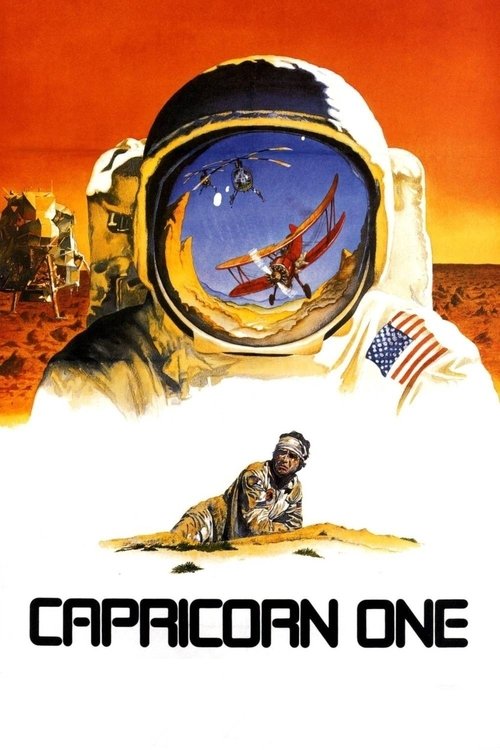
Capricorn One1977
Both trust the audience to care about technical detail and procedure. Capricorn One proves that grounded space drama doesn't need futurism; it needs honesty about what goes wrong when systems fail.
A thriller about space travel that treats the machinery and logistics as real and fragile. The conspiracy unfolds not as spectacle but as a procedural chase. Exacting craft from a director obsessed with plausibility and tension.
But It's a Cold War thriller dressed as SF, not SF itself—if you want futures, not 1970s paranoia transplanted, this might feel narrow.
More like this (7)
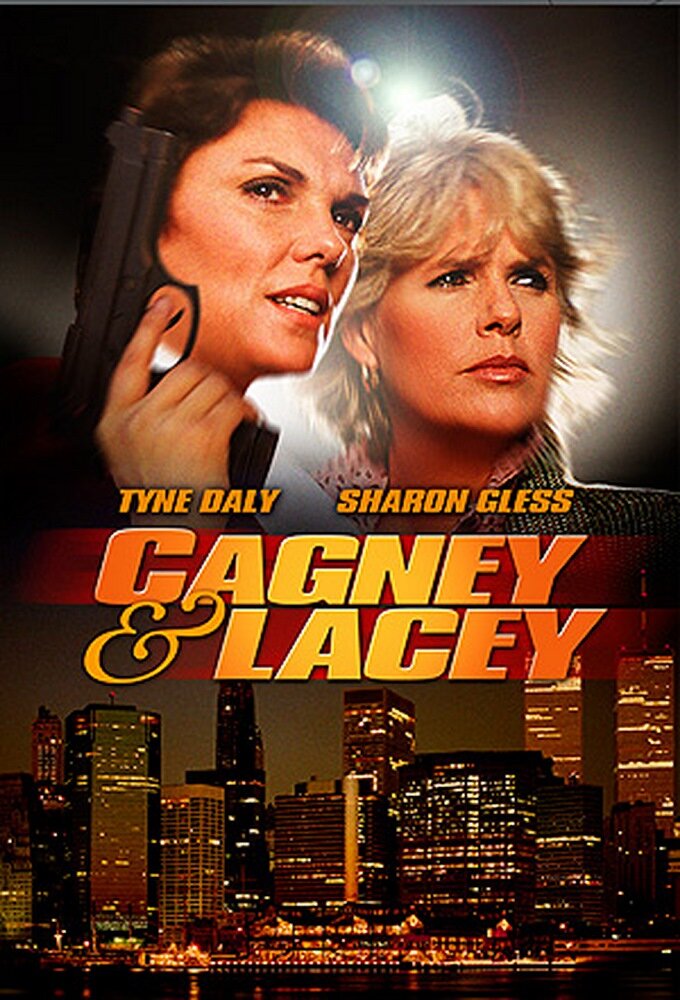
Cagney & Lacey1982
Landmark procedural with genuine stakes and character depth. The partnership dynamic and focus on the legwork of investigation influenced everything after it, including how Star Cops structures its cases.
But 1980s television pacing will test modern viewers accustomed to faster cutting.
Babylon 51993
Epic space opera with consequential storytelling and hard-SF worldbuilding. Created with five-year arcs before streaming made it safe. Characters grapple with politics, ethics, and the cost of maintaining order in an ungovernable frontier.
But The special effects are dated, and early seasons have uneven writing before the serialized payoff kicks in.
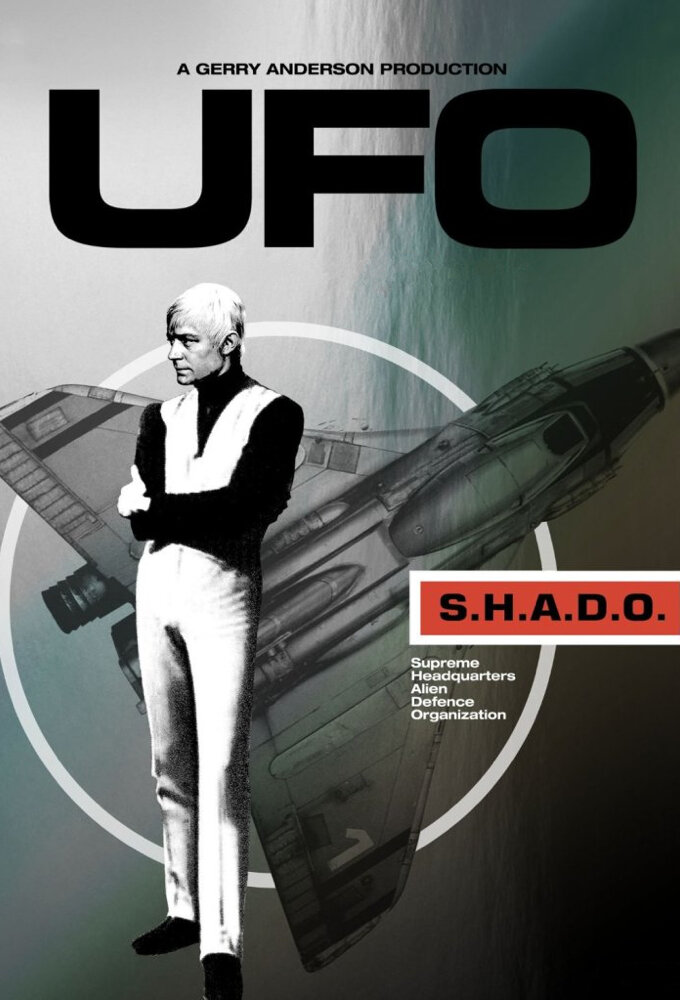
UFO1970
Predecessor to Star Cops by the same creator, with similar DNA: a multinational military task force, crisis protocols, and near-future technology treated as mundane hardware. The aesthetic alone is hypnotic.
But Significantly lower budget and rougher production values; some episodes trade plot for atmosphere in ways that don't always work.
Hill Street Blues1981
Ensemble police procedural that revolutionized TV drama by treating cops as flawed people managing systemic chaos, not heroes. The investigative patience and refusal to simplify cases parallel Star Cops' seriousness.
But Very much of the 1980s; the social issues and slang may feel dated or require context.
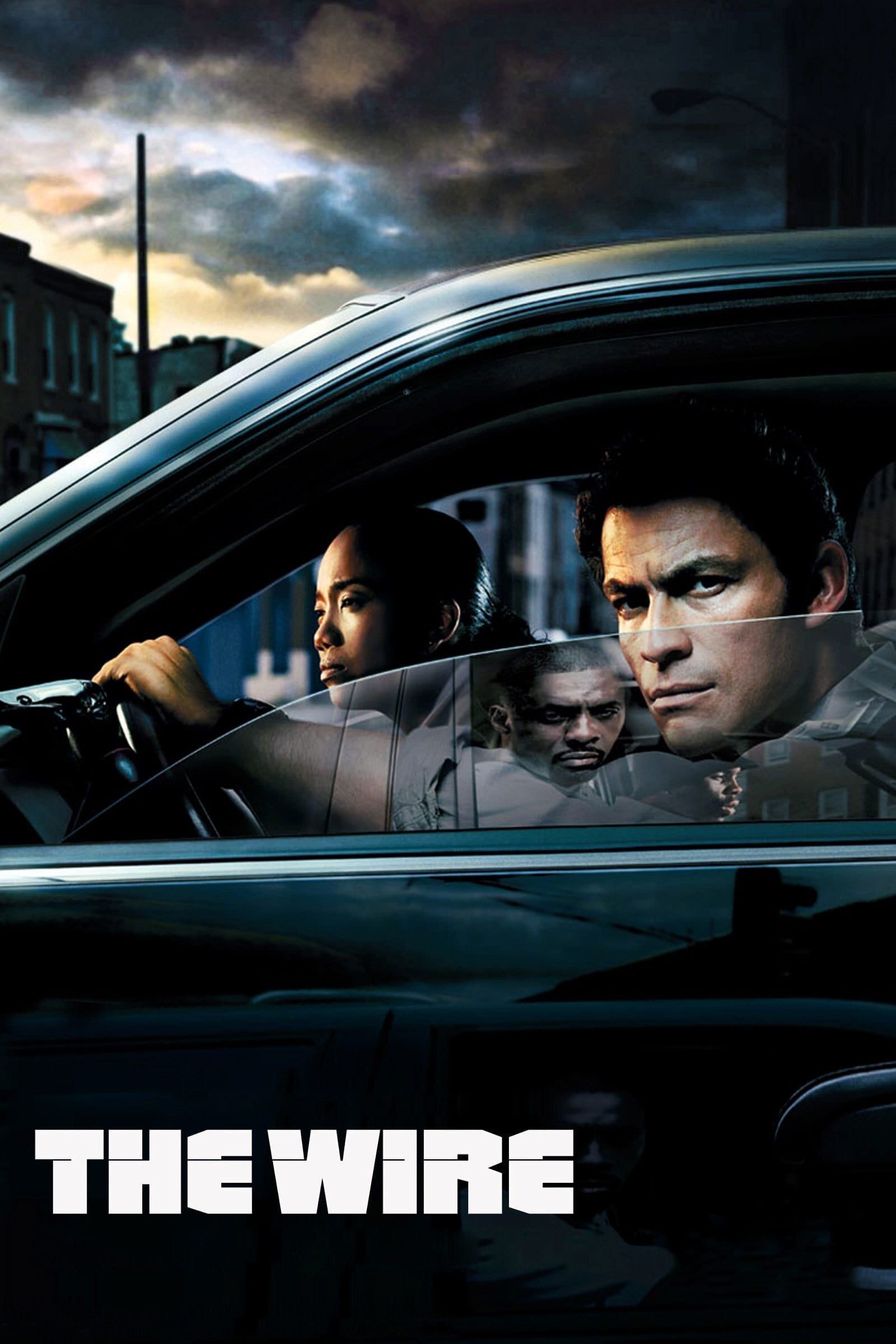
The Wire2002
Procedural crime written as a system, not a story. Every case connects to larger pressures and institutions. Demands that you think about root causes, not just suspect guilt—Star Cops shares this intellectual ambition.
But Urban Baltimore crime is a world away from orbital law enforcement, and the slow-burn approach loses many viewers by mid-season.
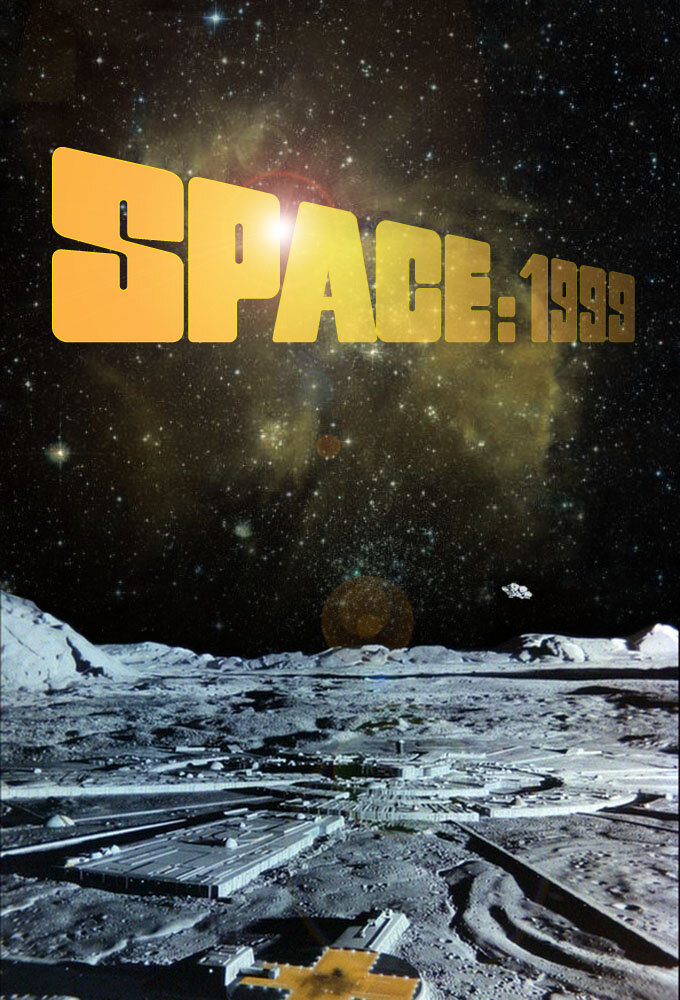
Space: 19991975
The foundational space survival drama. A lunar base cut off from Earth discovers a new crisis each week. Earnest 70s SF that takes its premise seriously and finds pathos in isolation and problem-solving under pressure.
But Inconsistent special effects, melodramatic dialogue, and weekly resets undermine the harder SF elements Star Cops pursues.
Stalker1979
Both inhabit futures that are mundane—no explosions, no dramatic reveals. Both treat the impossible and the routine as equally valid subjects for drama. Both understand that the deepest SF is about how humans adapt to new rules, not how they escape them.
A Soviet SF masterpiece about a guide leading two men through a mysterious zone to find a legendary room. Hypnotic, philosophical, built from long takes and philosophical digression. Treats an impossible task with bureaucratic and spiritual seriousness.
But Deliberately paced to the point of immobility; if you watch it at all, you must surrender to its rhythm. Plot is secondary to atmosphere and ideas.
