
Film
Doctor Who: An Unearthly Child
The first Doctor Who adventure: two teachers stumble upon a mysterious old man and his impossible machine. What begins as a kidnapping becomes the founding myth of science fiction television—intimate, strange, and utterly alive with invention. A threshold moment where genre television learned it could be intelligent.
If you liked this
The Twilight Zone1959
Serling's anthology proved that television could do serious science fiction and philosophy on a budget. Each episode is a complete idea, perfectly executed. The DNA is everywhere in modern genre TV.
But Pacing feels deliberate by modern standards. Some episodes are dated in their assumptions about gender and society, though many remain uncomfortably relevant.

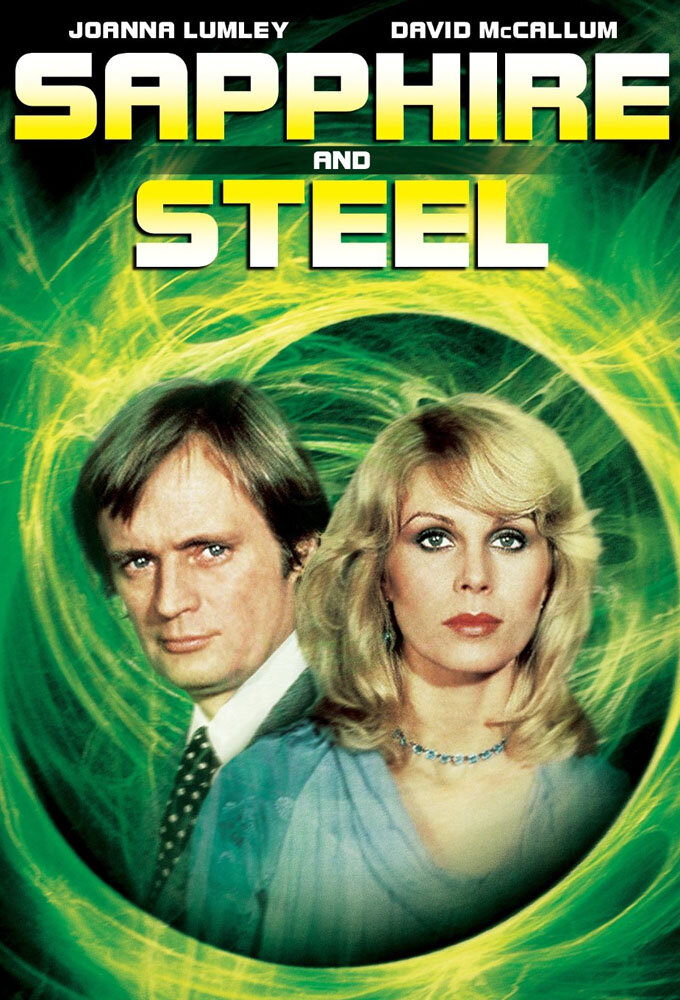
Sapphire and Steel1979
Deliberately eerie British sci-fi that prioritises mood and mystery over explanation. Two enigmatic investigators move through time solving cosmic puzzles. It's the spiritual heir to early Doctor Who's sense of the uncanny.
But The budget shows constantly. Plot resolution can feel hand-wavy. If you need everything neatly explained, you'll be frustrated.
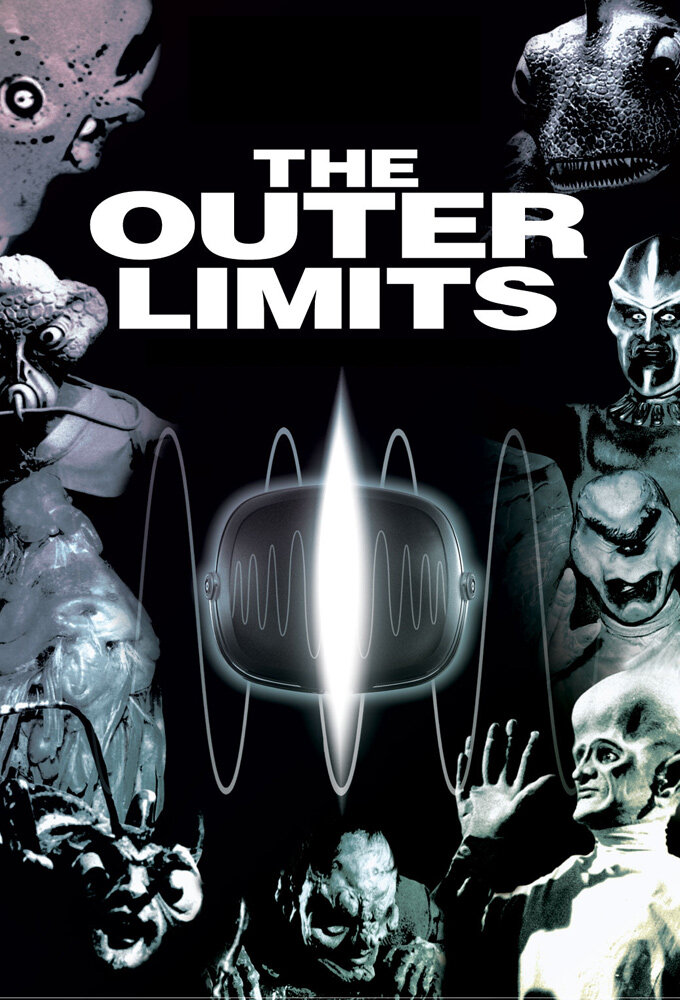
The Outer Limits1963
Contemporary with Doctor Who but American: big ideas about aliens and time, shot with genuine visual ambition. Each episode is a complete story. It has that same sense of wonder but plays things much darker.
But Some episodes are genuinely silly in ways that undercut their own premises. The monster-of-the-week format means uneven storytelling.
Not sure tonight? Get a pick in a minute, starting from Doctor Who: An Unearthly Child
The wildcard
Something you would not have found on your own.
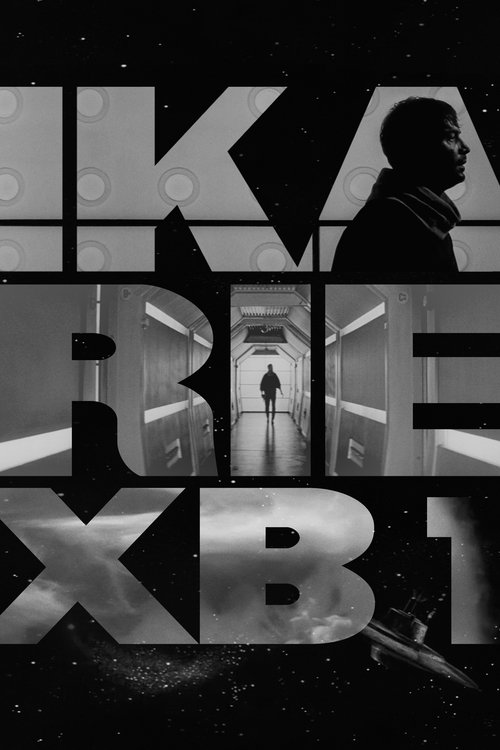
Ikarie XB 11963
Both are science fiction about ordinary people in extraordinary situations, trusting the audience to find wonder in ideas rather than spectacle. Both are from 1963 and both treat space travel as intimate rather than militaristic.
A Czech space-exploration film released the same year as An Unearthly Child. A crew on a generation ship heading toward Alpha Centauri deals with loneliness, doubt, and the possibility of discovery. It's completely serious, visually inventive, and quietly extraordinary.
But Deliberately paced. Subtitled. The Soviet-era production aesthetic might feel unfamiliar. There's no villain, just human beings dealing with isolation.
More like this (8)
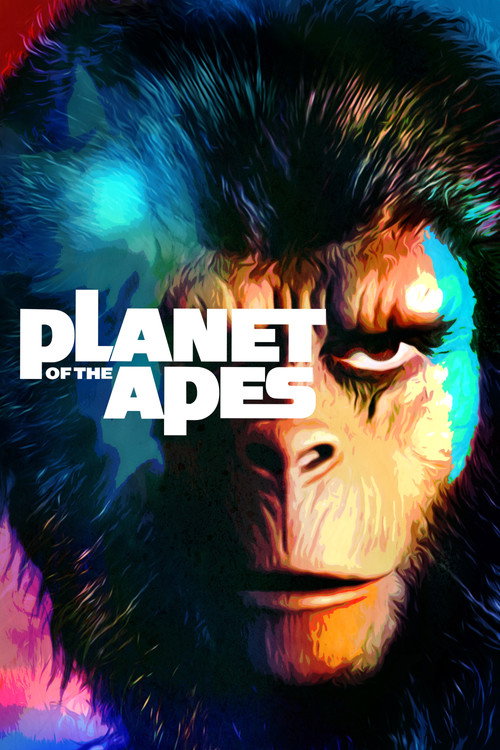
Planet of the Apes1968
A complete science-fiction story in two hours. Serious ideas about society and evolution wrapped in adventure. Built on the same principle as An Unearthly Child: premise first, character second, and that works perfectly.
But It's very much of its era. The action sequences are clunky, and some of the social commentary feels obvious now.
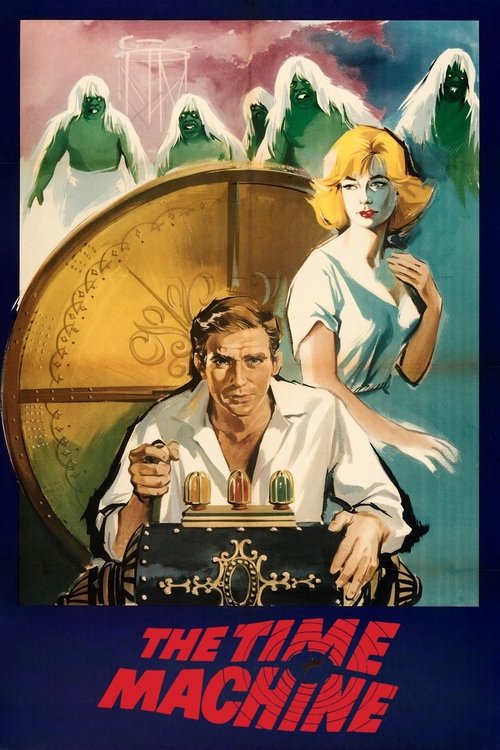
The Time Machine1960
H.G. Wells' time-travel story as realized by Hollywood: thoughtful, visually imaginative, and genuinely moving. About the same length as An Unearthly Child but with a feature film's resources. Shows what the concept could do.
But The love story is underdeveloped. Some of the social ideas are pretty simplistic by today's standards.
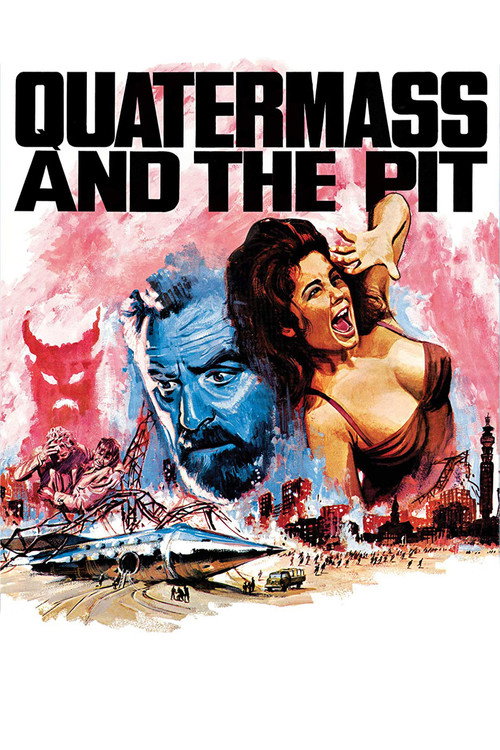
Quatermass and the Pit1967
British sci-fi horror that takes itself seriously. An archaeological discovery opens a door to cosmic dread. The same energy as Doctor Who's best episodes: mysterious, intelligent, genuinely unsettling.
But Very talky. The climax relies on ideas that require genuine concentration. If you want spectacle over philosophy, look elsewhere.
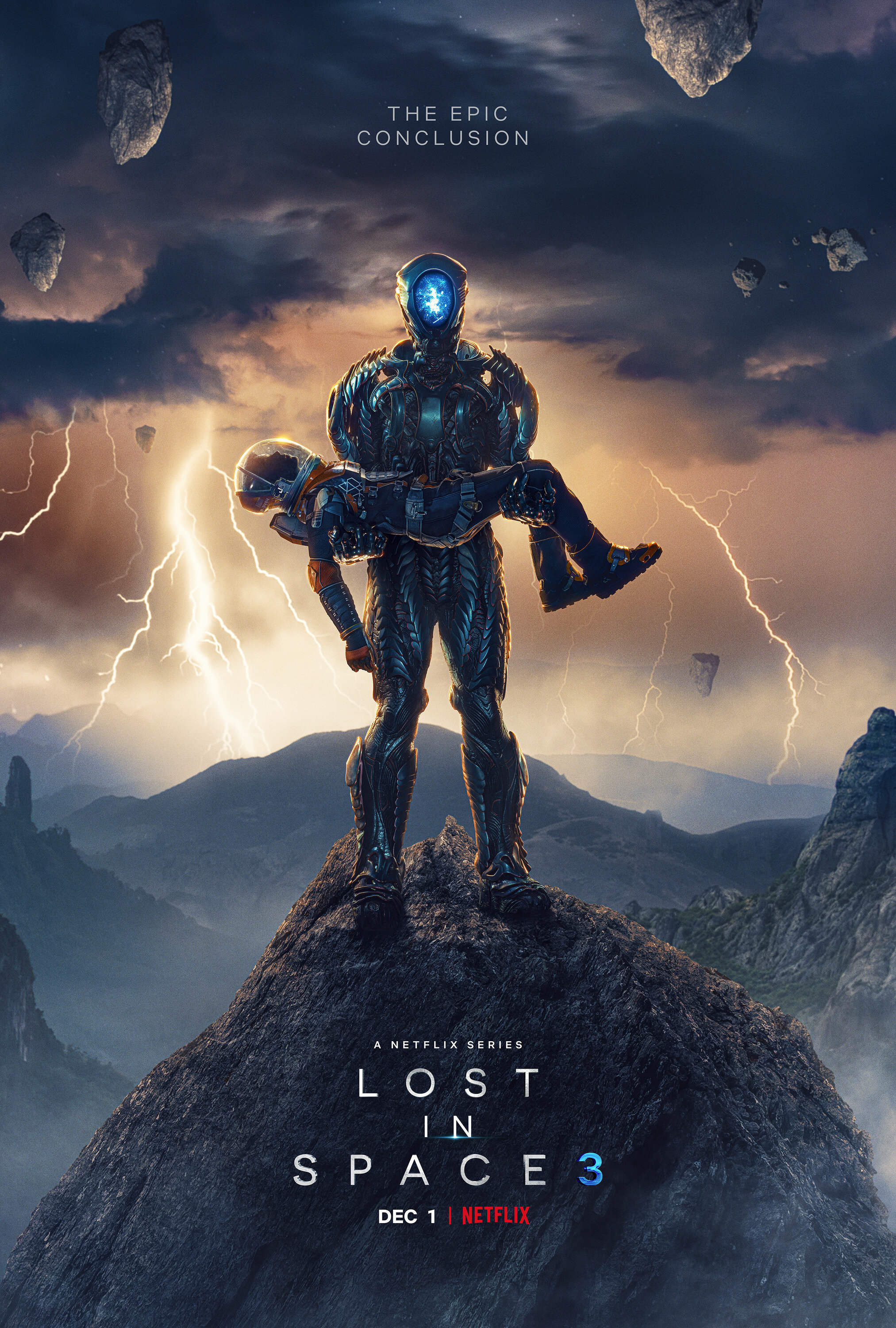
Lost in Space2018
Family adventure sci-fi with real stakes and genuine warmth between characters. The Robinson family's journey through space has the same DNA as Doctor Who: exploration, discovery, and people learning about themselves through alien worlds.
But Veers wildly between earnest drama and campy fun. Some episodes undermine their own premises. The robot increasingly dominates the show in ways that feel gimmicky.
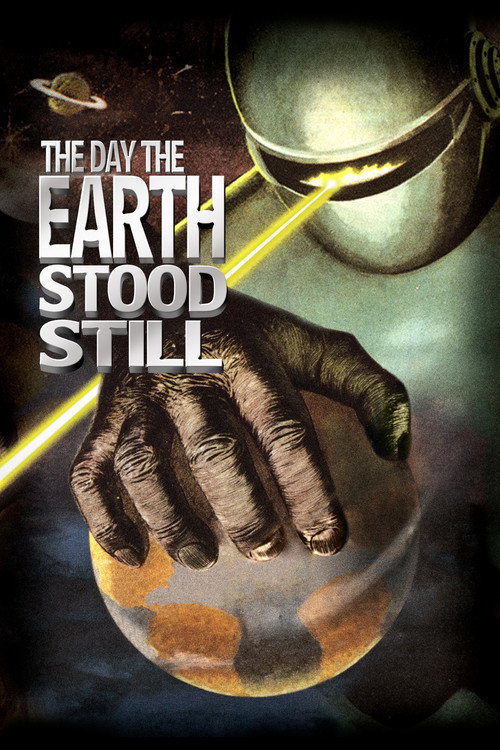
The Day the Earth Stood Still1951
A thoughtful, measured take on first contact. Klaatu is a mystery we're solving in real time, much like the Doctor. The film trusts the audience and lets ideas breathe rather than explain everything.
But Nothing happens very quickly. The special effects are obviously dated. If you're looking for action, you'll be bored within minutes.
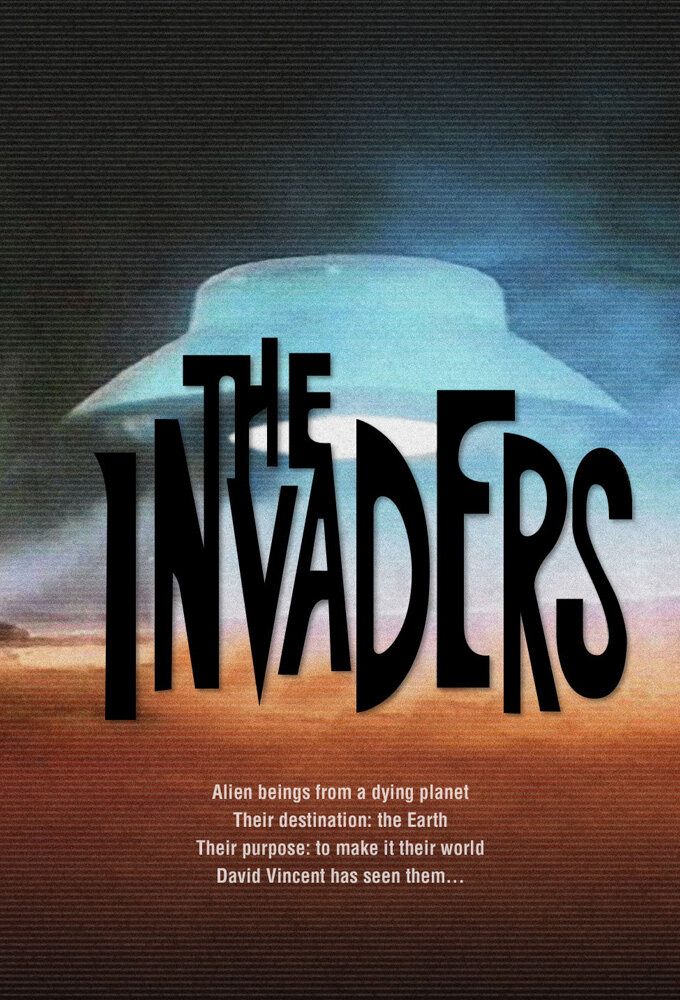
The Invaders1967
A man alone against an alien presence nobody believes in. It's paranoid, claustrophobic sci-fi, and it has real emotional weight. The mystery of the invaders drives every episode without feeling repetitive.
But The premise means very little gets resolved. By the end, you might feel like the show made promises it couldn't keep. Requires patience with ambiguity.
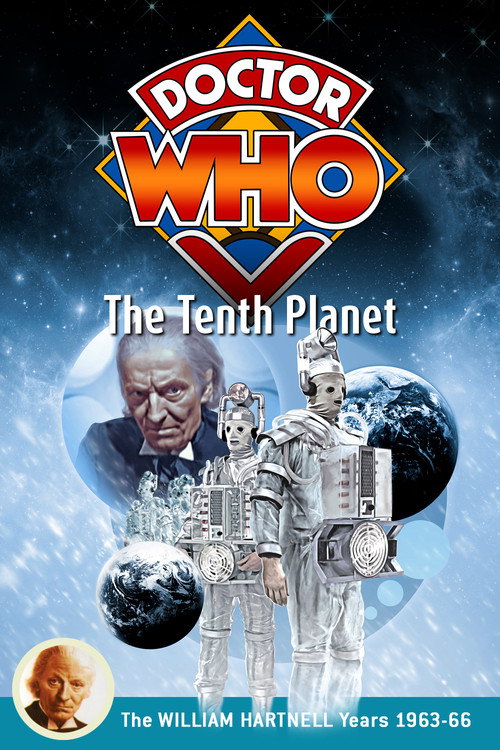
Doctor Who: The Tenth Planet1966
Literal continuation: it's the next step for William Hartnell's Doctor, showing how the character deepened over three years. It's the end of his tenure and quietly devastating because of it.
The last surviving episode of this William Hartnell Doctor Who serial is stark, haunting, and genuinely weird. If you fall in love with An Unearthly Child, this is where to go next—the same actor, the same energy, but evolved and darker.
But Only one of four episodes survives; the rest are audio recordings with still images. The production was done live, so there are flubs and technical issues. It requires acceptance of incompleteness.
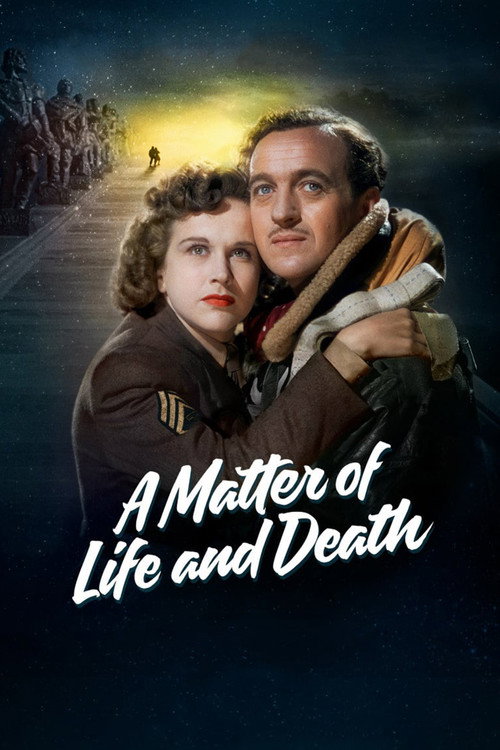
A Matter of Life and Death1946
Both are British sci-fi stories about ordinary people thrown into extraordinary situations they can't fully understand. Both prioritize the emotional and philosophical over the explicable. Both trust the audience to sit with mystery.
A British pilot crashes, should die, and then maybe he doesn't. A surreal courtroom drama between Earth and heaven itself. Technicolor, deeply strange, philosophically ambitious, and endlessly rewatchable. Early proof that British cinema could do impossible things on screen.
But Unapologetically theatrical. The pacing is slow by modern standards. Some will find it precious; the logic is dream-logic, which can frustrate people who want consistency.
People
Cast
 William HartnellThe Doctor
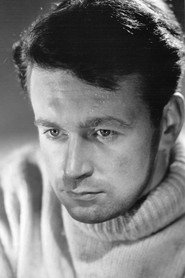 William RussellIan Chesterton
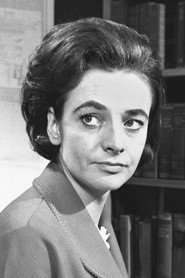 Jacqueline HillBarbara Wright
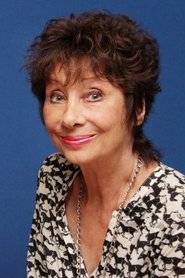 Carole Ann FordSusan Foreman
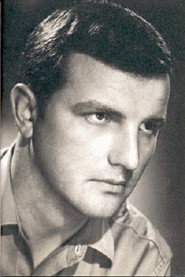
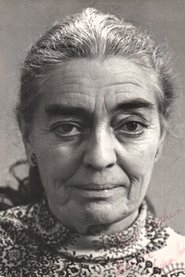 Eileen WayOld Mother
- Jeremy YoungKal
- Howard LangHorg
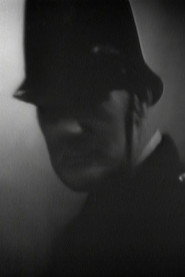 Reg CranfieldPoliceman (uncredited)
- Francesca BertorelliSchoolgirl (uncredited)
- Carole ClarkeSchoolgirl (uncredited)
Directing
- Waris HusseinDirector
Writing
- David WhitakerStory Editor
- Anthony CoburnWriter
Production
- Mervyn PinfieldAssociate Producer
- Rex TuckerProducer
- Verity LambertProducer
- Douglas CamfieldProduction Assistant
- Tony LightleyProduction Assistant