
Television series
Fireball XL5
Fireball XL5 is a 1962 British puppet-action series set in 2063, following a sleek spacecraft and its five-person crew as they patrol the solar system for the World Space Patrol. It's optimistic, colourful sci-fi for all ages, built on ingenious miniature effects and a genuine sense of wonder. Perfect if you love old-school space adventure with craftsmanship visible in every frame.
Should you watch it?
Watch it if you love retro-future adventure told with miniature models, wobbly strings and brisk, cheerful sincerity, the sort of charm that makes a 1960s rocket feel like an honest promise.
Skip it if the stiff puppet movements and earnest 1960s sci-fi may feel like a museum piece if you need modern effects or a serial that builds tension slowly.
What it asks of you: Half-hour episodes, one season of 39, so you can dip in without a long arc to track, at an unhurried pace.
Not sure? Find tonight's pick in a minute.
If you liked this
Thunderbirds1965
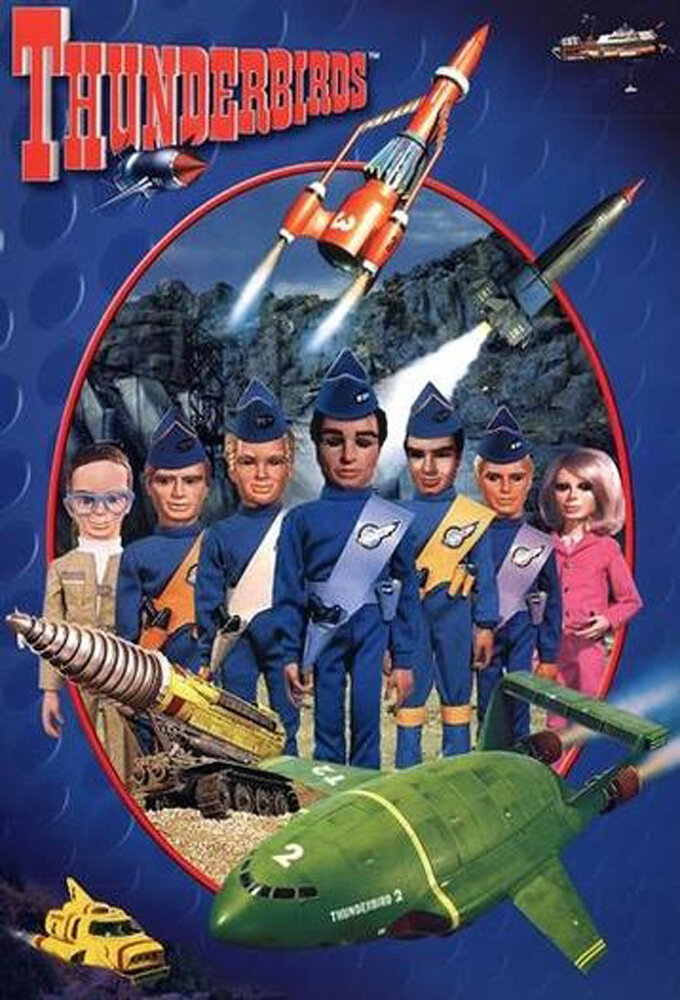
The spiritual successor from the same studio, with more elaborate puppets, bigger disasters, and an even more compelling premise: a secret family using gadgets to save lives globally. The effects work is genuinely astonishing.
But Runs longer (52 minutes) and some episodes drag. The plotting can be simple, and the earnestness might feel dated if you're after irony.
Captain Scarlet and the Mysterons1967
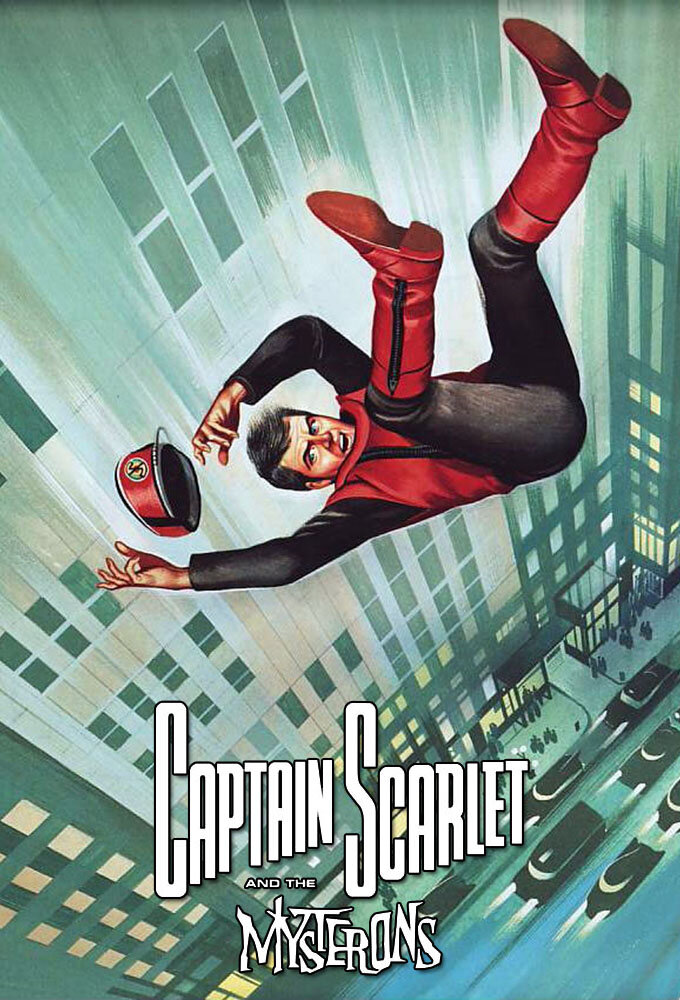
Gerry Anderson's most ambitious puppet series: a genuine alien threat, higher stakes, and a hero who's effectively immortal. The design work and scope dwarf Fireball XL5, and there's real menace beneath the colourful surface.
But Darker and more intense than Fireball—some children found it genuinely frightening. The philosophy gets heavy-handed, and it's very much a product of its moment.
The Twilight Zone1959
Groundbreaking anthology series that influenced every science-fiction show after it. Economical storytelling, genuine ideas, and a moral spine. Season one especially crackles with invention and dread.
But Black-and-white and period TV pacing means it moves slowly by modern standards. Some episodes are weaker than others; cherry-picking is fair.

Not sure tonight? Get a pick in a minute, starting from Fireball XL5
The wildcard
Something you would not have found on your own.
Barbarella1968
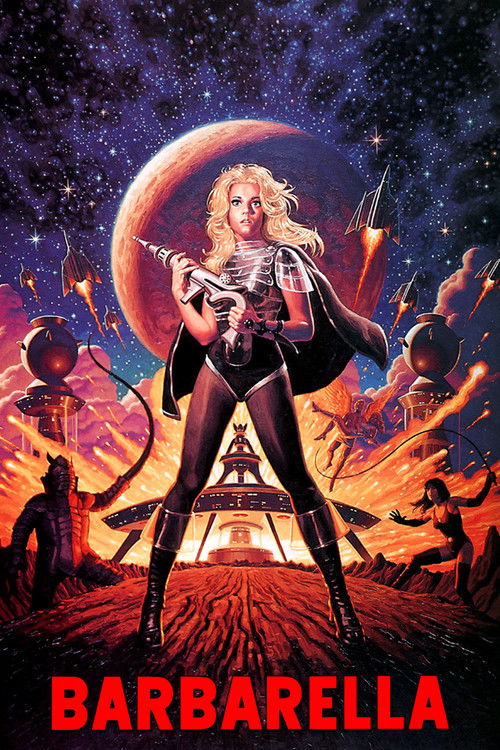
Both are unashamed celebrations of a retro vision of the future—sleek spacecraft, bright colours, absolute confidence in space travel as glamorous adventure. Barbarella is Fireball's id given a Hollywood budget.
A feature film that captures Fireball XL5's sense of colourful, campy space opera but cranks the aesthetic and absurdity to eleven. Jane Fonda in a deliberately kitsch sci-fi future where design and fun matter more than logic. It's the spirit of 1960s space-age optimism distilled into 104 minutes.
But Deeply silly and self-aware in ways Fireball never is. The sexual politics are dated and uncomfortable by modern standards. If you want earnest space adventure, this is pure camp.
More like this (7)
Space: 19991975
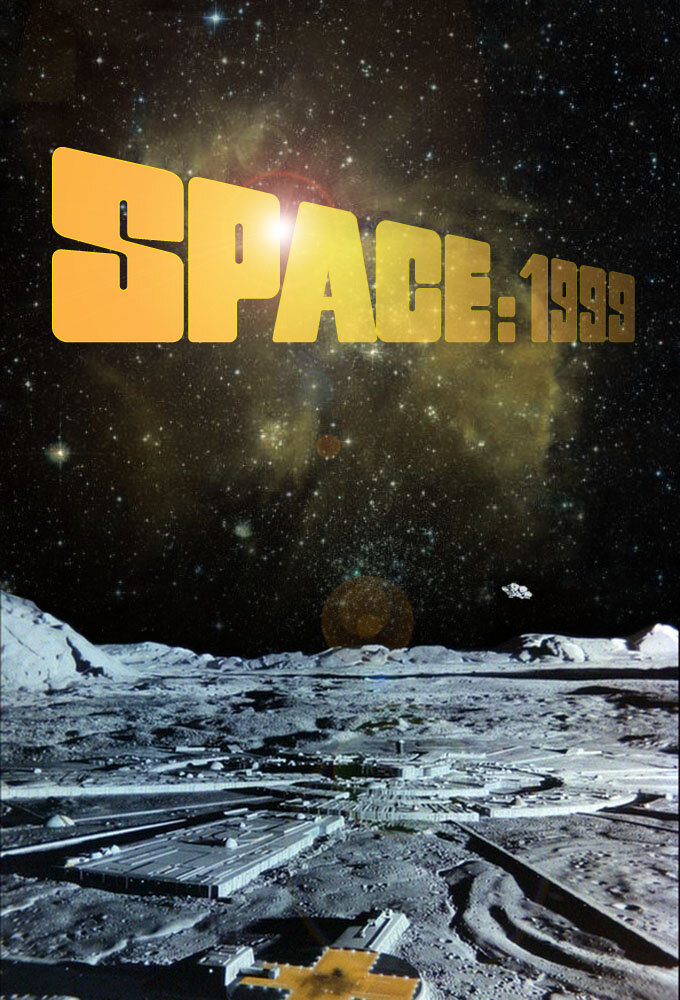
Shares Fireball's optimistic vision of space exploration but grounds it in real science and existential loneliness. The moon is detached from Earth and hurtles through the cosmos; the visual design is stunning and eerie.
But Slower-paced and more philosophically inclined than action-adventure. Some plots are threadbare, and Martin Landau's lead can be wooden.
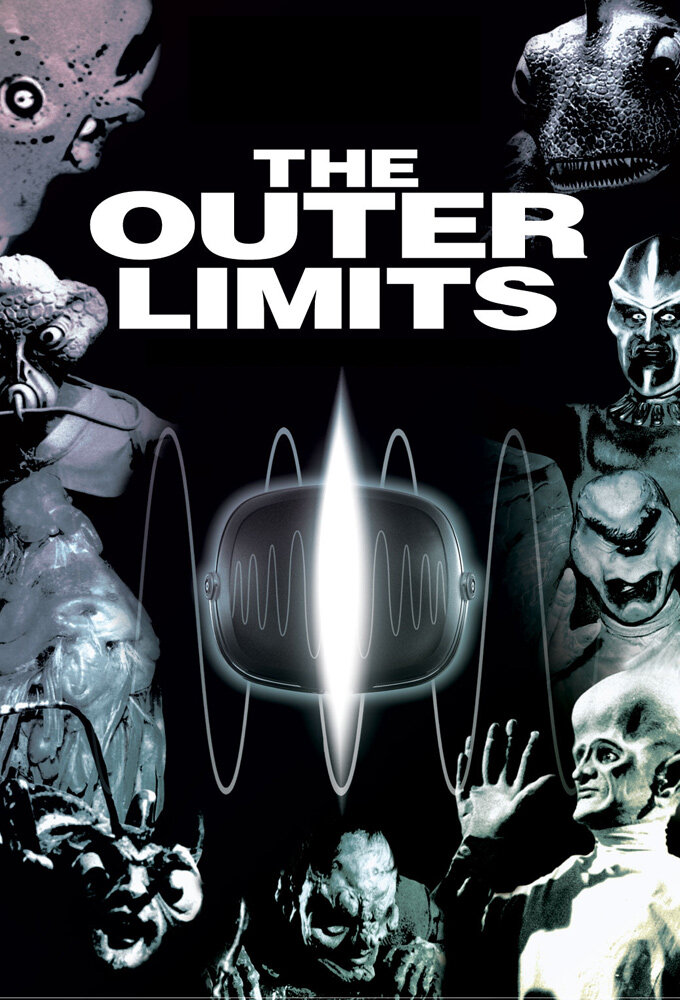
The Outer Limits1963
Contemporary with Fireball but sharply different: anthology sci-fi with proper budgets and ambition. Each episode feels like a low-budget film. The creature design is imaginative and occasionally unsettling.
But Uneven—some episodes are excellent, others generic. The tone swings between campy and pretentious. Black-and-white limits the visual impact of monster design.
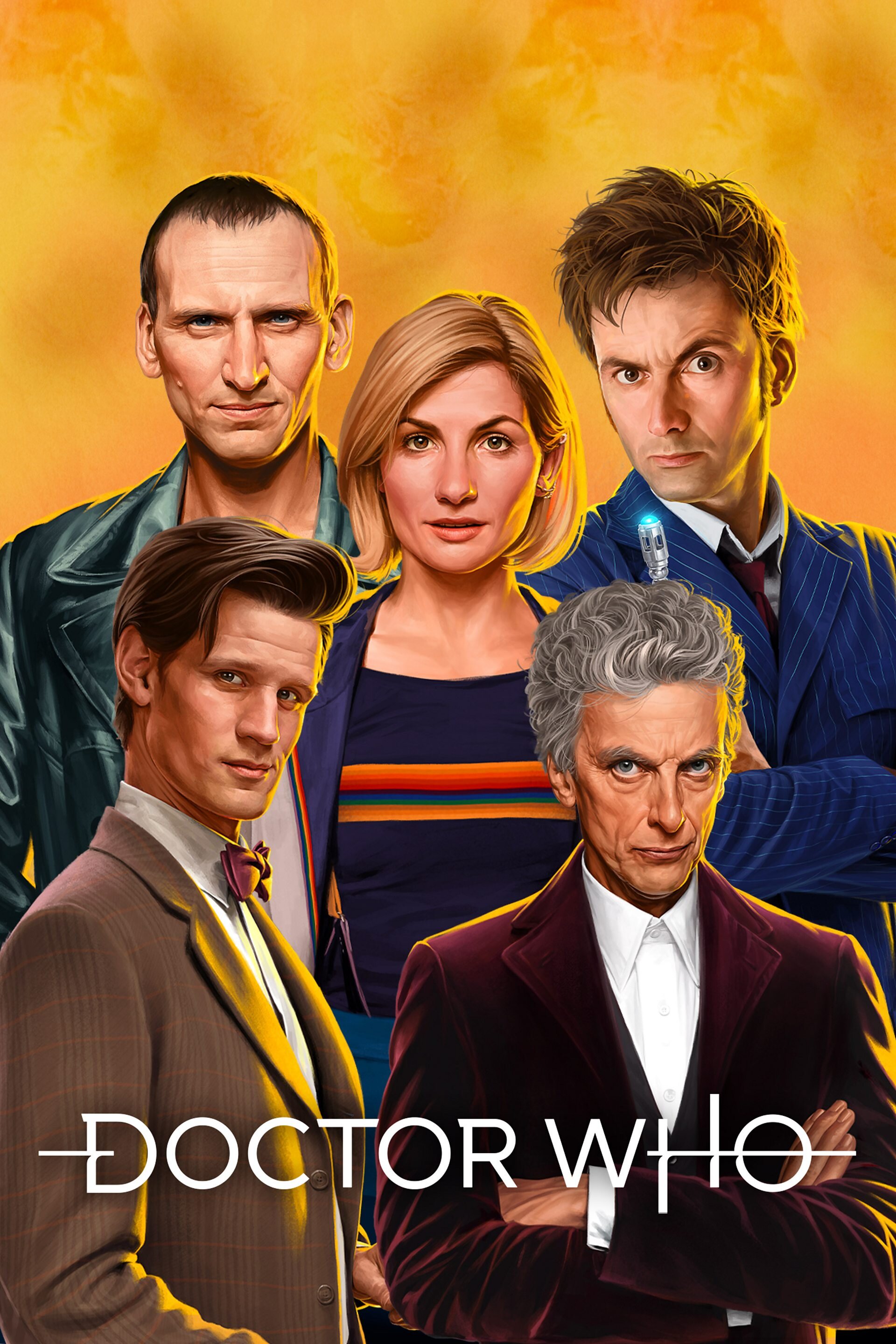
Doctor Who2005
British sci-fi contemporaneous with Fireball but far more influential. Time travel, infinite worlds, and a main character who regenerates mean the possibilities are endless. Early seasons have genuine invention and charm.
But Production values are famously shaky. Stories often run too long (six to seven episodes each), and pacing can be glacial. You'll need patience and goodwill.
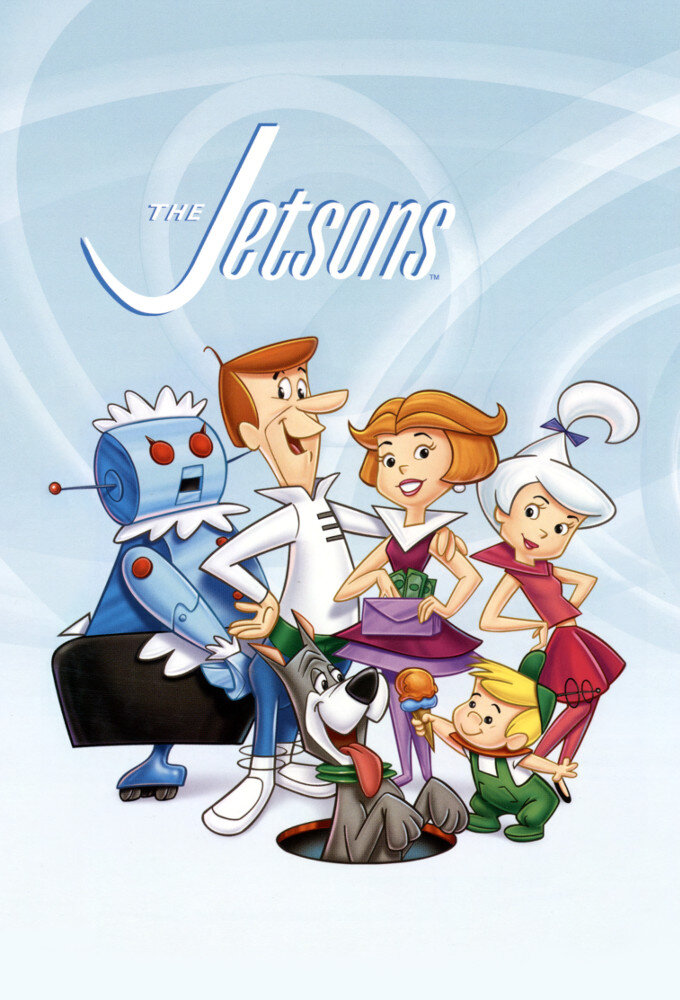
The Jetsons1962
American animated optimism about the future, made the same year as Fireball. Colourful, funny, and genuinely charming. The design work imagines domestic space-age living with real creativity and humour.
But Only two seasons, and it skews younger than Fireball. The humour feels dated, and the utopia can feel saccharine.
Astra Lost in Space2019
A family lost in space searching for Earth; blends adventure, genuine emotion, and creative alien encounters. Grows more confident and ambitious as it progresses, with excellent visual effects for the era.
But First season especially leans into melodrama and weaker plotting. The robot becomes the real star, pushing the Robinson family into the background. Latter seasons lean campy.

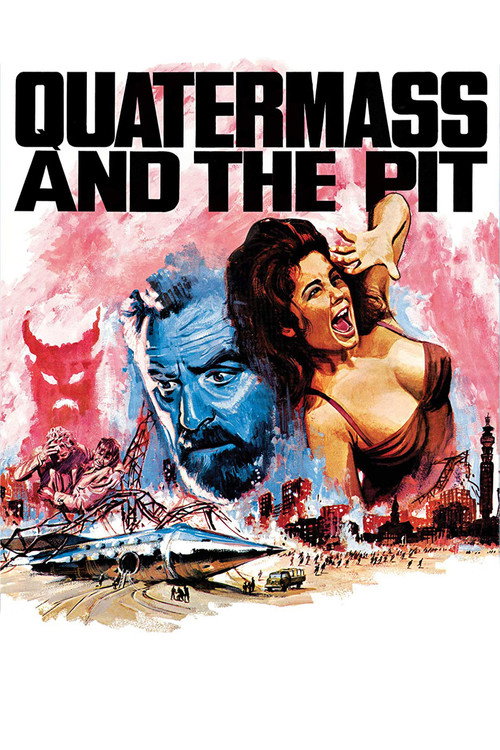
Quatermass and the Pit1967
Both are British sci-fi products of the 1960s using practical effects, but Quatermass asks the hard questions while Fireball invites you to marvel. Watching both shows what the era could do in opposite registers.
British sci-fi of the same era, but serious and archaeological rather than adventurous. An alien artefact buried beneath London; sophisticated writing, genuine intellectual engagement, and mounting dread. Proof that 1960s British sci-fi could be genuinely unsettling.
But Slow-burn and cerebral, with minimal action and no adventure. Black-and-white and very much a period piece. If you want spectacle and excitement, this will frustrate you.
Night and Fog1956
Both emerge from the same post-war European moment of reconstruction, but point in opposite directions: one toward optimism and escape, one toward witness and refusal to forget. Understanding the era requires seeing both impulses.
A 32-minute documentary about Auschwitz, made by Alain Resnais. Not entertainment—required viewing. Colour film of the camps as they were, intercut with present-day footage of the same locations now empty. The simplicity and directness are devastating. Essential historical testimony.
But This is not adjacent to Fireball XL5 in tone or subject. Watching it is emotionally and morally necessary, not pleasurable. You should see it, but understand what you're choosing.
People
Writing
- Gerry AndersonCreator
- Sylvia AndersonCreator
Production
- Gerry AndersonExecutive Producer
Recommended by
Thunderbirds, Space: 1999, The Mouse on the Moon, The Herculoids, Thunderbirds Are GO