
Film
The Mouse on the Moon
- Comedy
- Science fiction
- Light-hearted
A 1963 British comedy where a tiny European country accidentally enters the Space Race by fibbing to superpowers about their scientific ambitions. Margaret Rutherford presides over cheerful chaos as a plucky Grand Duchess, while Cold War paranoia collides with bumbling incompetence. It's a lightweight, charming romp—affectionate satire served at a gentle pace, perfect for anyone who enjoys midcentury whimsy and doesn't need explosions to smile.
If you liked this
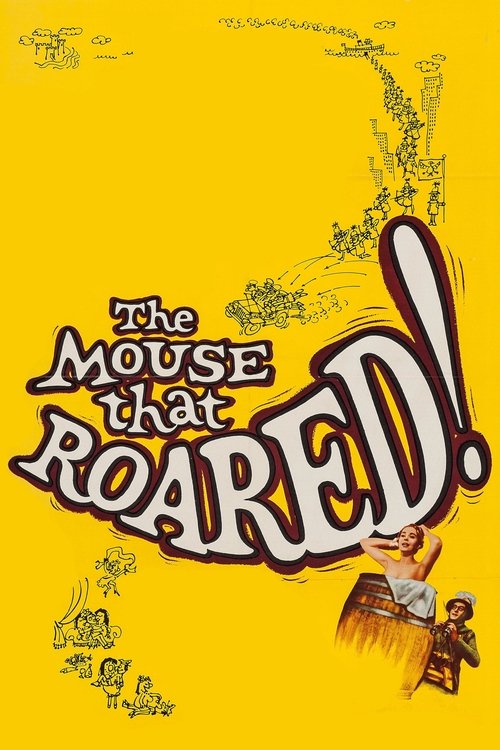
The Mouse That Roared1959
The original and superior film: a tiny country declares war on America to win foreign aid, and somehow wins. Peter Sellers is magnificent, the premise is fresher, and the satire has real bite. A genuine delight.
But It's dated—though in a way that mostly works—and the political jokes assume a specific 1950s worldview. Some sight gags land softer than others.
Dr. Strangelove or: How I Learned to Stop Worrying and Love the Bomb1964
Kubrick's masterpiece takes the same Cold War anxiety and transforms it into pitch-black farce. If you love how Mouse on the Moon plays with superpower absurdity, this goes nuclear with that idea—same year, infinitely sharper teeth.
But Tone couldn't be more different: relentlessly dark, no warmth, built on dread rather than bumbling affection. It's also more demanding of the viewer.

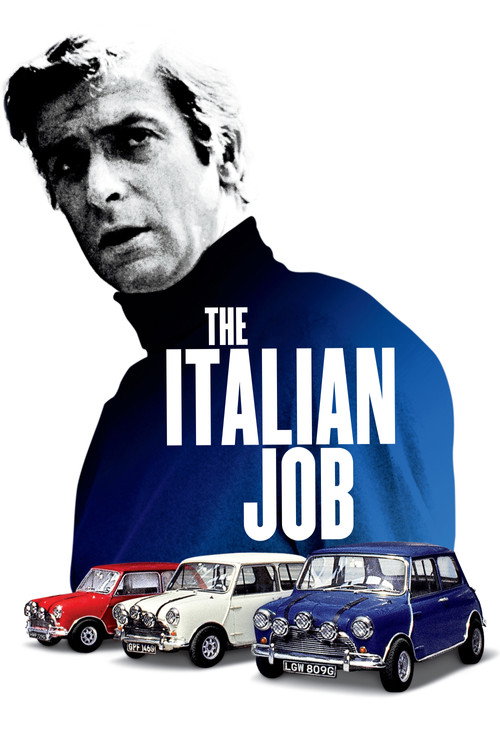
The Italian Job1969
Another British caper with ensemble charm, lovable rogues, and a heist premise that's more fun than serious. Michael Caine leads a perfectly calibrated team through a bonkers plan. Same spirit of clever mischief, better executed.
But It's a heist film first, not a satire, so the political edge is thinner. Some may find the pacing slow by modern standards.
Not sure tonight? Get a pick in a minute, starting from The Mouse on the Moon
The wildcard
Something you would not have found on your own.
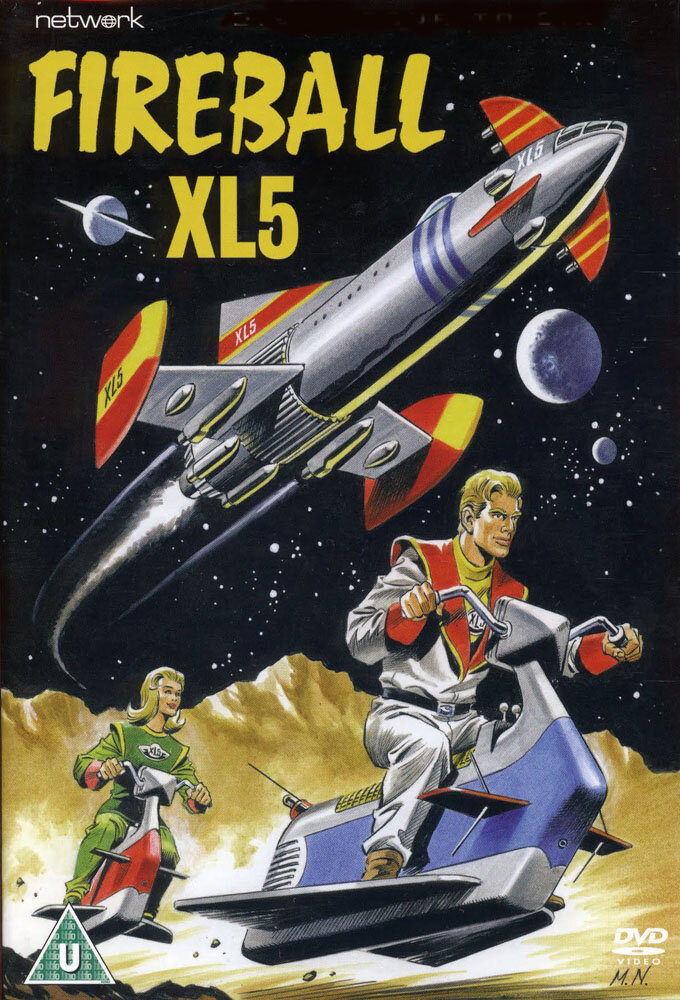
Fireball XL51962
Both are products of the early-1960s space-race moment; one plays it straight, one ridicules it. Experiencing both shows how satire actually works.
A Gerry Anderson puppet series about a space-exploration crew—it's the serious version of what Mouse on the Moon is spoofing. Watching them back-to-back shows how the film deconstructs 1960s space-opera optimism, making the satire even funnier.
But It's a children's show made with puppets, so it moves slowly and the effects are deliberately artificial. Requires a willingness to sit with puppet acting and earnest plotlines.
More like this (7)
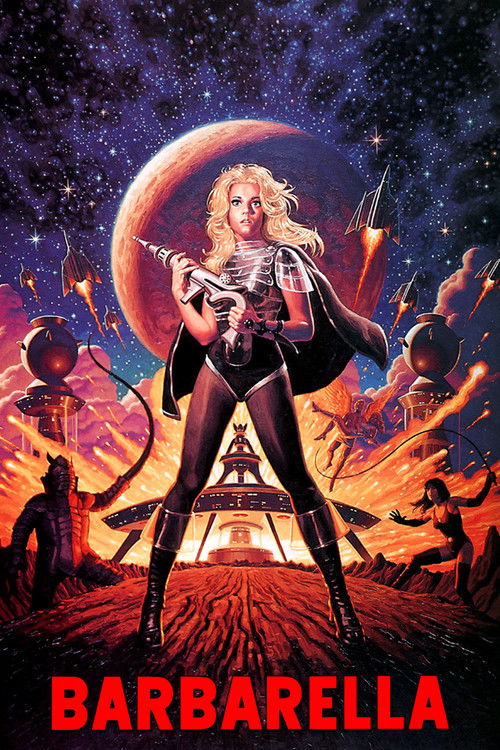
Barbarella1968
A campy, colourful space romp with Jane Fonda as a cosmic naif. It's earnest about being silly, packed with 1960s design, and never apologises for its lightness. Shares that same joyful sci-fi parody wavelength.
But It's visibly cheap in places and very of its era—glitter over substance. The humour is broad and sometimes awkward by modern taste.
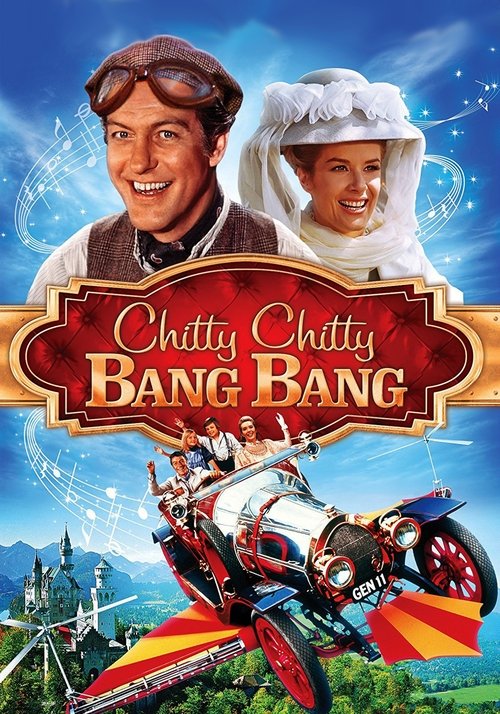
Chitty Chitty Bang Bang1968
A fantastical family adventure with Dick Van Dyke and a sentient car, bursting with imaginative set pieces and songs. Same midcentury British charm, similar willingness to be whimsical without irony.
But It's long, the pacing meanders, and some numbers outstay their welcome. Not everyone's nostalgic for this particular strain of theatrical excess.
The Ladykillers1955
Ealing comedy perfection: criminals pose as musicians to rob a bank, then get outsmarted by an elderly landlady. Alec Guinness and Peter Sellers at their best, tight plotting, genuine laughs. British wit at its peak.
But The plot mechanics take precedence over character depth. It's comedy as clockwork rather than character study, which some find cold.

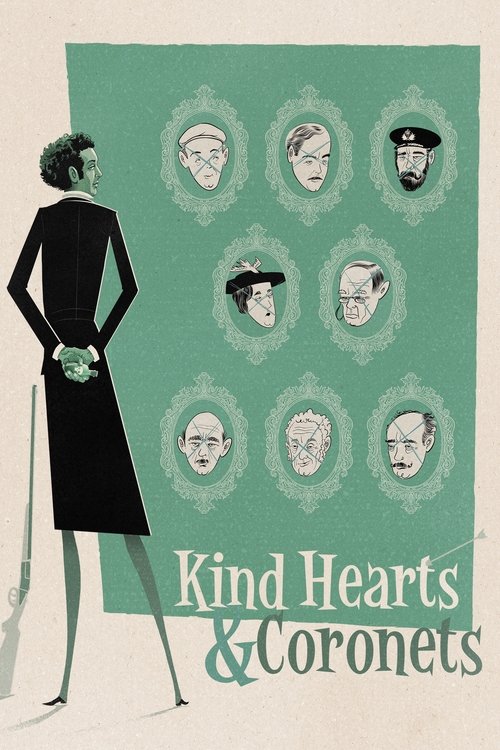
Kind Hearts and Coronets1949
Alec Guinness plays eight roles in this pitch-black comedy about inheritance and murder. Sardonic, clever, brilliantly constructed—proof that British comedies can be both lightweight and sophisticated.
But It's darker and more cynical than Mouse on the Moon; the murders are treated seriously. The pacing is slow by modern standards, and it requires patience.
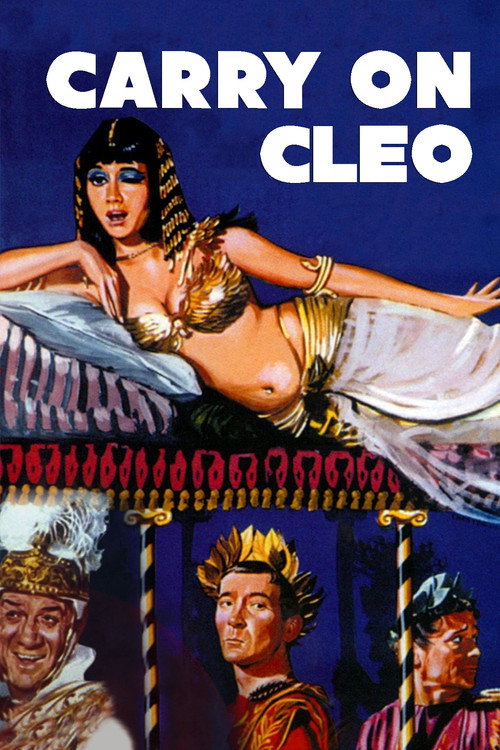
Carry On Cleo1964
The Carry On films were British comedy's equivalent of loud, irreverent joy. This one spoofs historical epics with terrible puns, slapstick, and a cast clearly having the time of their lives. Pure, unashamed fun.
But Humour is very broad—double entendres, obvious gags, and sometimes cringe-making by modern standards. If you don't embrace the campness immediately, it won't win you over.
The Man in the White Suit1951
Alec Guinness invents an indestructible fabric; chaos ensues. It's a perfectly plotted satire on industry, capitalism, and unintended consequences. Elegant social comedy with real substance underneath the whimsy.
But It moves at a measured pace and assumes you're engaged by ideas as much as gags. The ending is ambiguous in a way some find unsatisfying.

Ikiru1952
Both films celebrate the inherent worth of people overlooked by history and power. One does it through laughter, one through tears. They're mirror images of the same belief.
Kurosawa's masterpiece about a Japanese bureaucrat's final act of meaning. It sounds nothing like Mouse on the Moon, but both are about modest people achieving something larger through persistence and dignity. The emotional weight is immense, the beauty unbearable.
But It's a slow, devastating meditation on mortality and futility. There is no comedy here—only grace. It demands emotional openness and patience over two hours.

People
Cast
 Margaret RutherfordGrand Duchess Gloriana XIII
 Ron MoodyPrime Minister Rupert Mountjoy
 Bernard CribbinsVincent Mountjoy
 David KossoffProfessor Kokintz
 Terry-ThomasMaurice Spender
- June RitchieCynthia
 John Le MesurierBritish Delegate
 John PhillipsBracewell - U.S. Delegate
 Eric BarkerM.I.5. Man
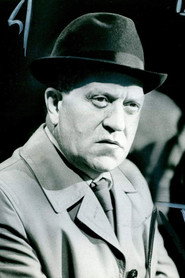 Roddy McMillanBenter
 Tom AldredgeWendover
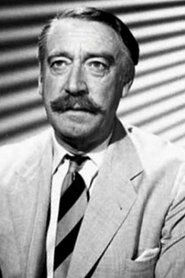 Michael TrubshaweBritish Aide
Directing
- Ross MacKenzieAssistant Director
- Eileen HeadContinuity
- Richard LesterDirector
Writing
- Leonard WibberleyNovel
- Michael PertweeScreenplay
Production
- Walter ShensonProducer
- R. E. DearingProduction Manager