Television series
The Osmonds
- Comedy
- Light-hearted
- Dip in and out
A Saturday-morning cartoon built around the real Osmonds family, with the brothers globe-trotting through colorful adventures while their pop hits soundtrack the chaos. It's bubblegum entertainment—bright, silly, occasionally surreal, with a talking dog and the unmistakable energy of 1970s family TV. Perfect for anyone nostalgic for that era, or curious about how bands turned themselves into animated goods.
Should you watch it?
Watch it if you have a soft spot for bright, old-fashioned kids' TV where a pop group's songs, sunny travel scenes and a talking dog with a mind of its own are the whole point.
Skip it if you want a tight, plot-driven story; episodes are loose and episodic, with the antics and musical interludes doing most of the work, and the premise can wear thin quickly.
What it asks of you: Thirty minutes an episode, light and bouncy, with no need to follow continuity; you can drop in at any location on the tour and keep up.
Not sure? Find tonight's pick in a minute.
If you liked this
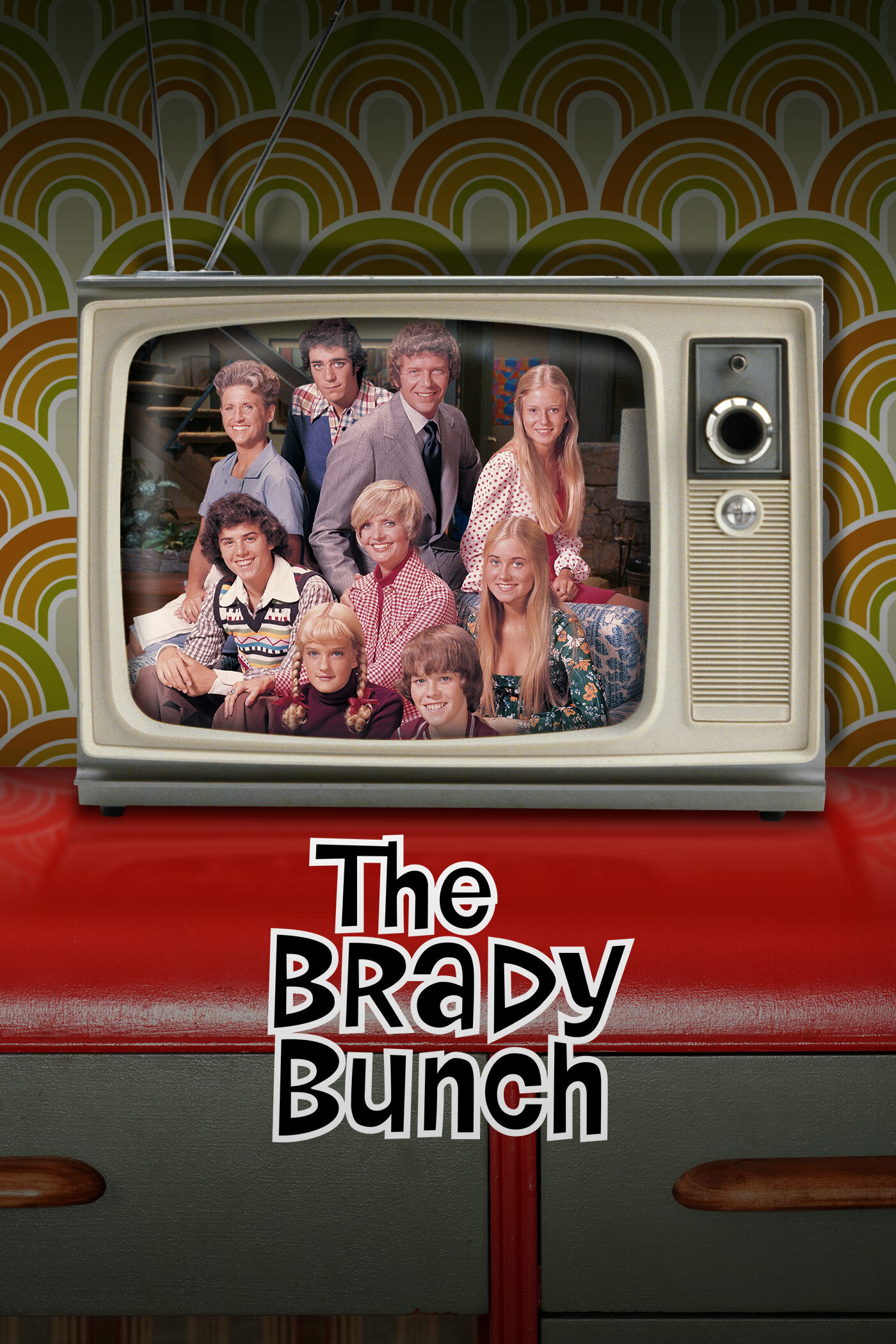
The Brady Bunch1969
A real family (sort of), musical moments, a wholesome chaos that feels genuine. This is what happens when you ground the Osmonds' energy in an actual household instead of animation.
But The earnestness can read as saccharine now, and the family-problem resolutions are almost comically tidy. Takes itself seriously in ways the Osmonds never did.
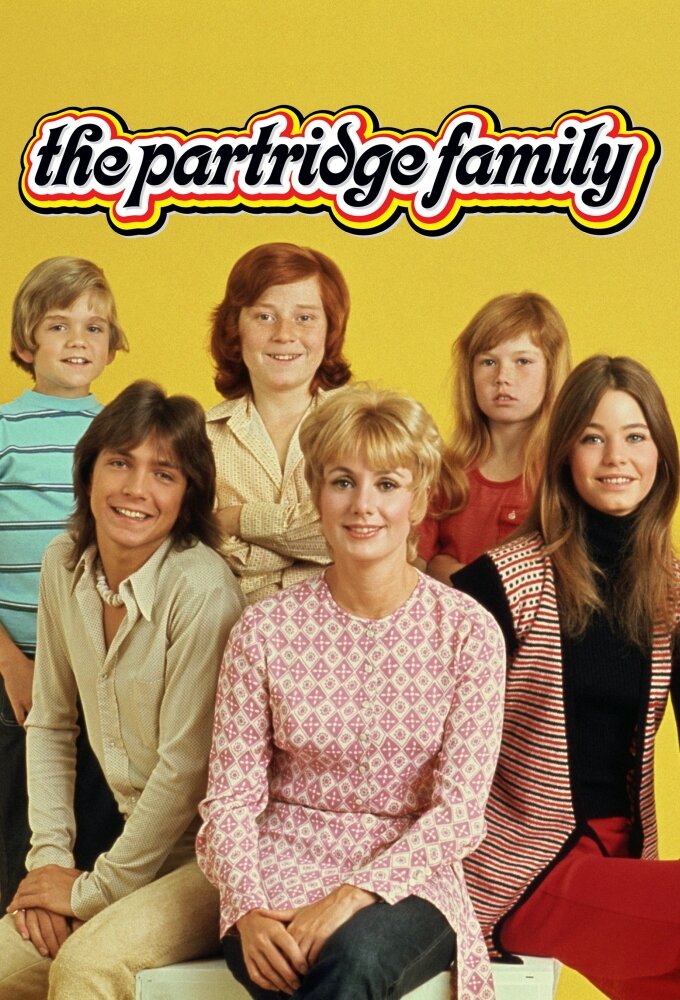
The Partridge Family1970
Another band-as-sitcom premise, but with a fictional family and a real working songwriter (Harry Nilsson). Catches the exact moment pop music and wholesome family TV collided.
But The live-action format means the acting can feel strained, and the songs interrupt rather than enhance. Less bouncy than the Osmonds' cartoon energy.
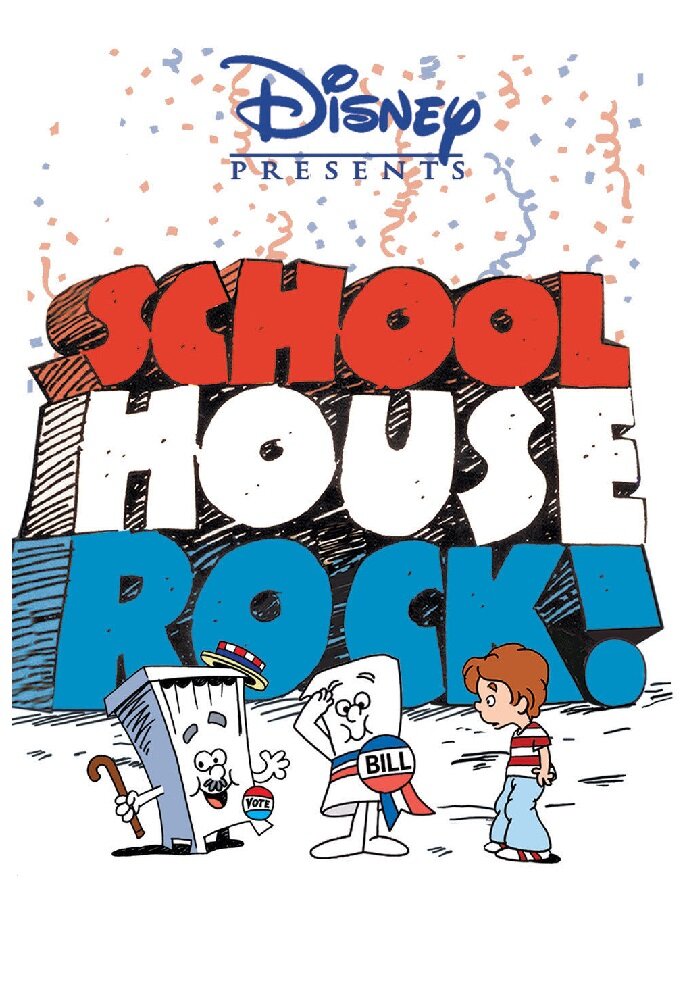
Schoolhouse Rock!1973
Three-minute bursts of educational content turned into earworm pop songs. Proof that you can make something genuinely clever while also being commercially savvy and entertaining.
But Each episode is too short to sustain narrative momentum. It's memorable but slim—a snack rather than a meal.
Not sure tonight? Get a pick in a minute, starting from The Osmonds
The wildcard
Something you would not have found on your own.
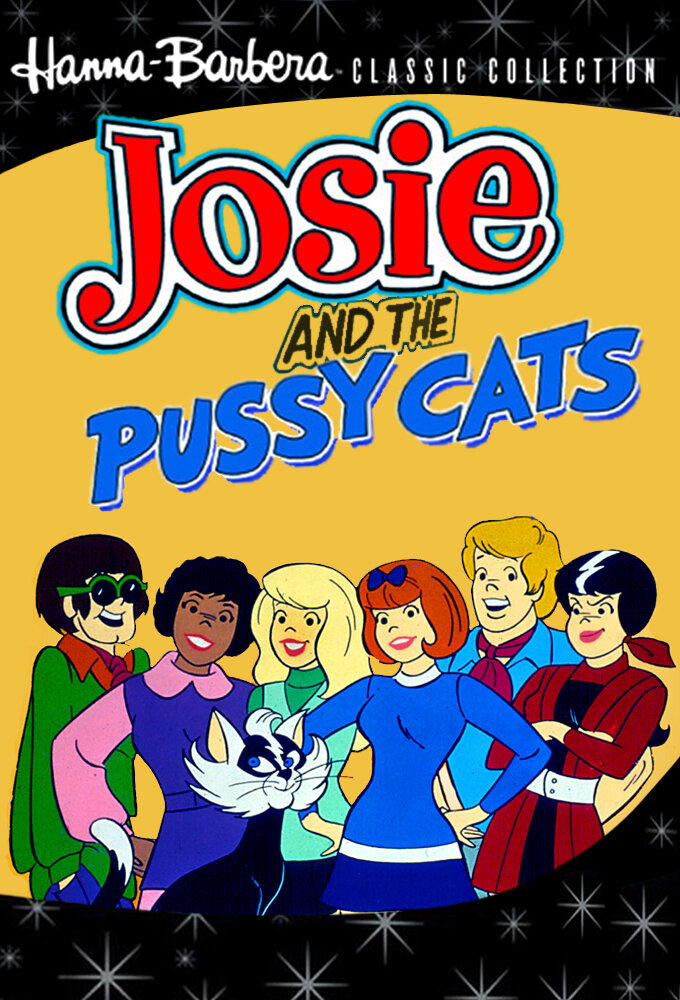
Josie and the Pussycats1970
Same blueprint—a real/real-coded band as cartoon protagonists, episodic adventures, pop songs integrated into plot, Saturday-morning marketing of a genuine music commodity. But it flipped the gender dynamic a decade before people were really thinking about it.
An all-girl rock band solving mysteries as a cartoon. It's the Osmonds' exact formula applied to a different demographic, with surprisingly sharp writing and genuine character work beneath the bubblegum surface.
But The animation is deliberately cheap (Filmation economy), and some of the gender politics now read as inadvertently revealing about how the show positioned female musicians.
More like this (6)
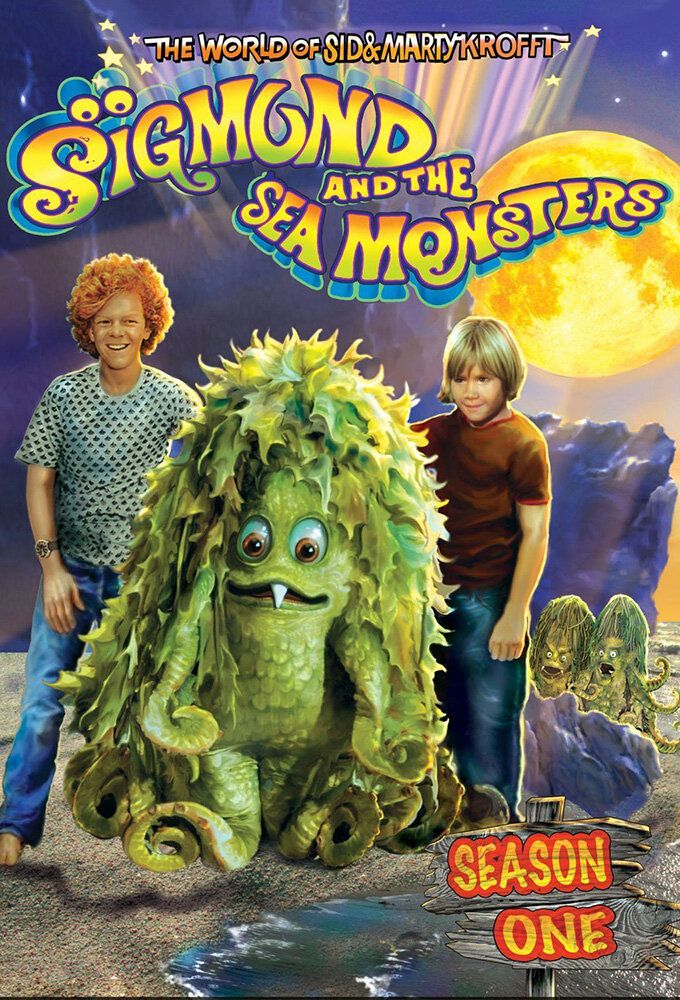
Sigmund and the Sea Monsters1973
Sid and Marty Krofft's surreal puppet/live-action hybrid, with the same variety-show sensibility as the Osmonds but weirder and more unsettling in the best way.
But The tone is genuinely strange—intentionally trippy in places. Comfort-food entertainment this is not.
Beat Shazam2017
Live-action superhero adventure with heart, episodic travel structure, and a genuine sweetness. Proves that kids' TV of this era could be fun without irony or winking.
But The special effects are visibly cheap, and the moral lessons are blunt. The pacing can drag if you're not in the mood for measured, earnest storytelling.

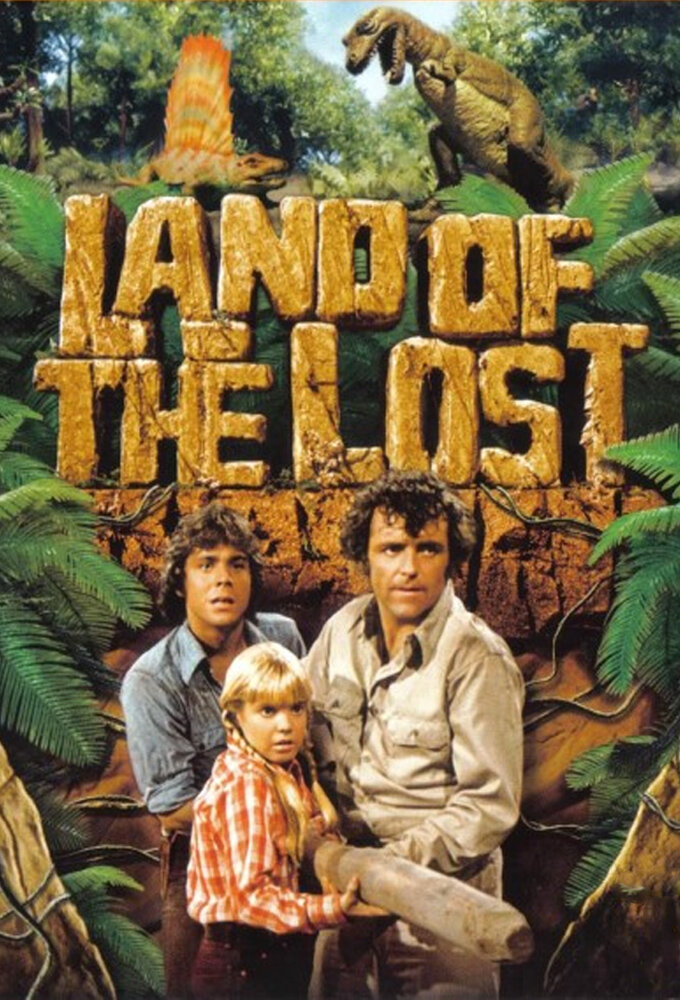
Land of the Lost1974
A family lost in a dinosaur world with real imaginative design. More ambitious and weird than the Osmonds—it builds actual mythology across episodes rather than resetting each week.
But The dinosaur suits are clunky, the plots uneven. It takes itself seriously in a way that sometimes backfires into unintended comedy.
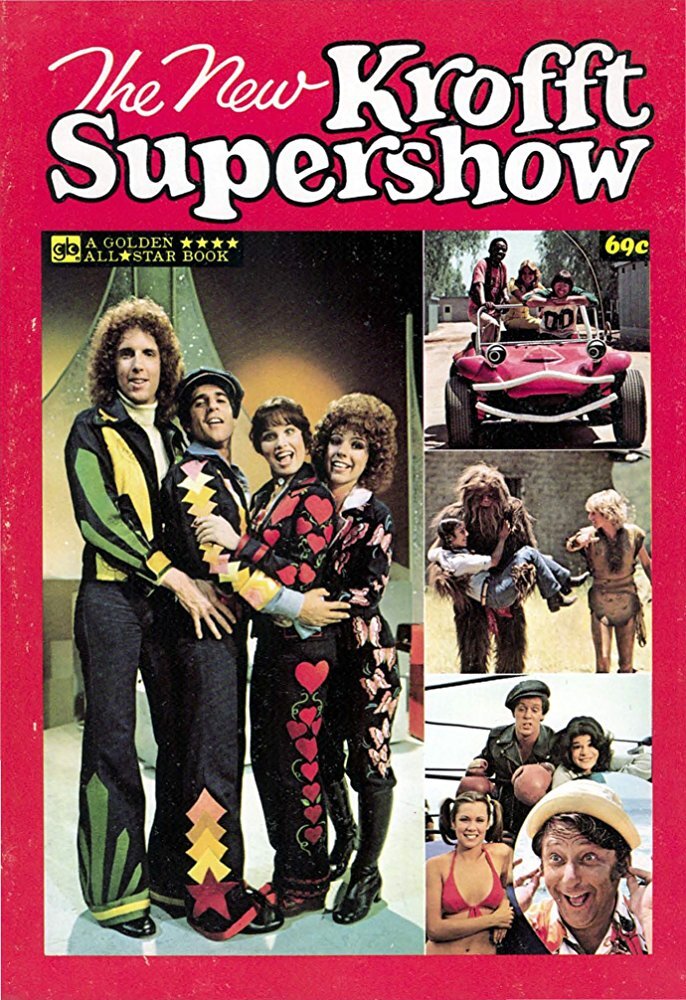
The Krofft Supershow1976
A variety format mixing live-action sketches, animated segments, and musical performances from real bands. Essentially the Osmonds' DNA applied as an anthology rather than a focused series.
But Being a variety show, it's deliberately scattered—no through-line, no characters you grow attached to. Requires the viewer to enjoy constant tonal whiplash.
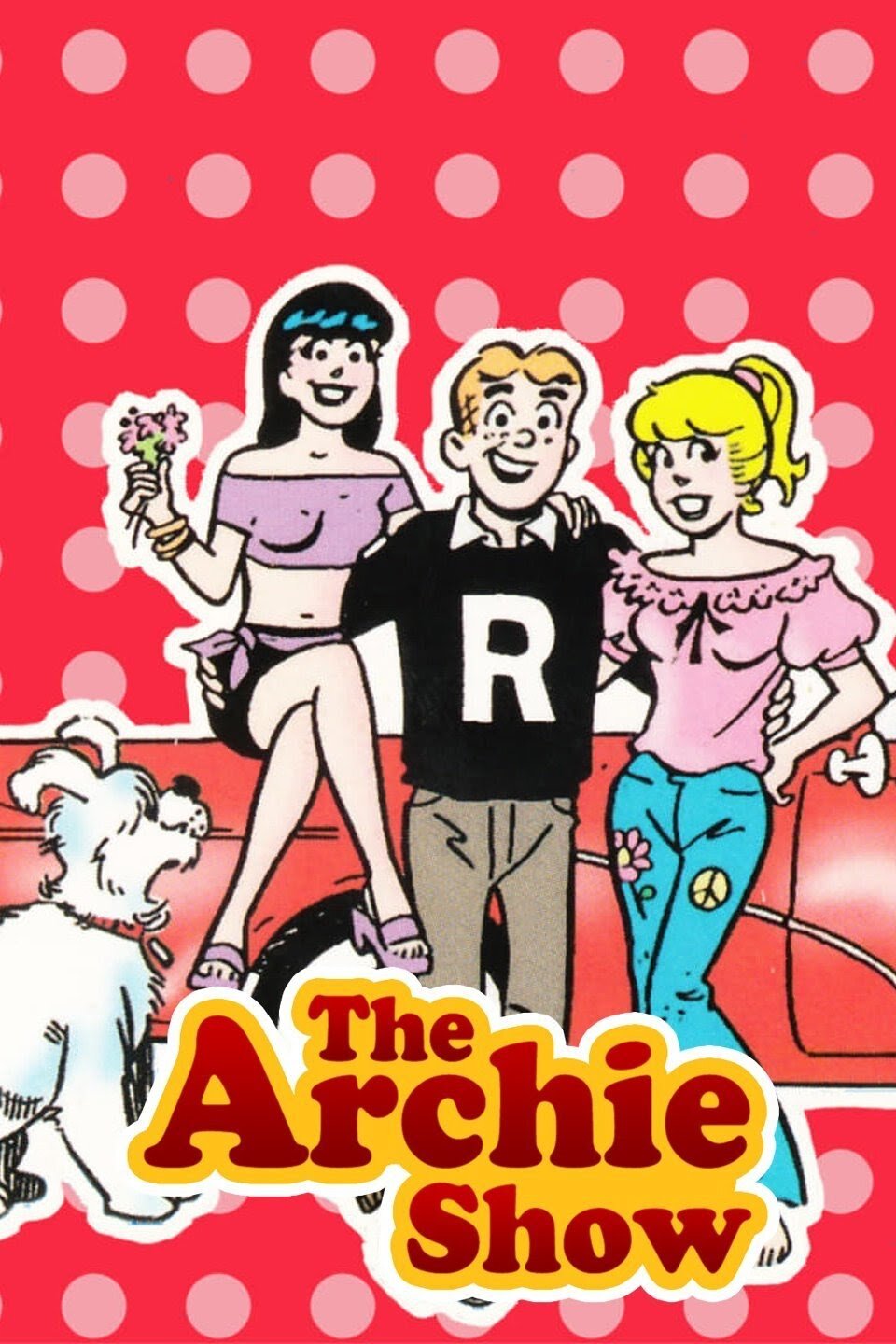
The Archie Show1968
Both are cartoons built primarily to sell records and the band's image rather than to tell stories. Both prove the era genuinely believed animation could be a delivery mechanism for pop music itself, not just the soundtrack.
Comic-book characters turned into an animated band with actual hit records. The animation is primitive but the songs are legitimately catchy, and there's something hypnotic about watching fictional characters perform.
But Only lasted one season. The episodes are very thin—they're basically promotional material extended to 22 minutes. The animation barely moves.
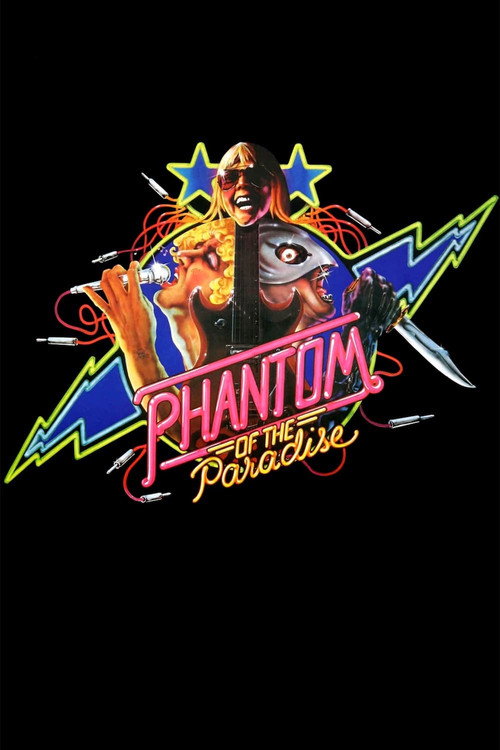
Phantom of the Paradise1974
Both are fascinated by the moment when music, youth, and mass entertainment collided in the early '70s. The Osmonds are the dream this nightmare version wakes up from. De Palma uses the same artificiality but as critique rather than celebration.
Brian De Palma's operatic rock horror film about a composer whose songs are stolen and transformed into something grotesque. It's campy, gorgeous, and genuinely unsettling—a dark mirror of everything the Osmonds represented.
But It's violent, sexually explicit, and takes a bleak view of the music industry. The tone is intentionally arch and theatrical, which can feel exhausting. Nothing like a feel-good family show.