
Film
The Bells
A 1926 silent film about conscience and obsession: an innkeeper commits murder for money, then spirals as guilt, supernatural visitations, and a hypnotist's presence tear at his sanity. Expressionist in mood, intimate in scale, it's a psychological horror that predates talkies' best tricks by showing rather than telling. For those who love silent cinema's visual intelligence and moral darkness.
If you liked this
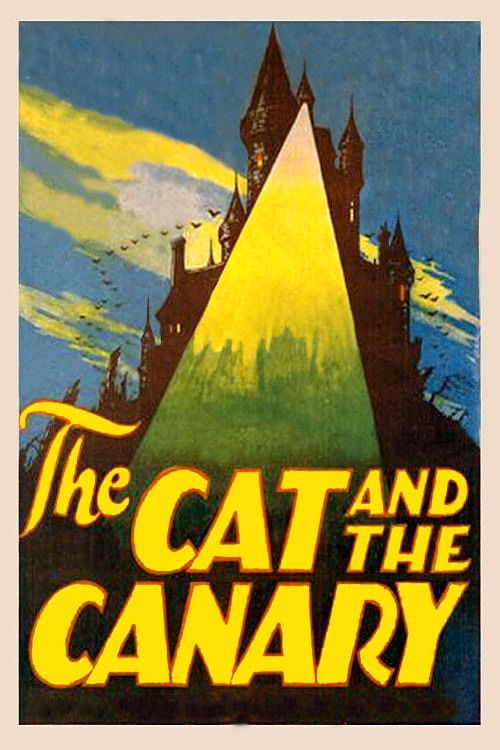
The Cat and the Canary1927
Another silent horror-mystery with genuine scares, clever staging, and a protagonist unraveling under pressure. Paul Leni directed with the same expressionist precision that made shadows and architecture do the emotional work.
But The pacing feels stretched by modern standards, and some of the comedy bits fracture the tension. Silent films demand patience.
The Phantom Carriage1921
Ackland's masterpiece: a redemption story haunted by ghosts, guilt, and the supernatural. Like The Bells, it uses the supernatural to externalize a conscience under siege, with technical brilliance that still staggers.
But It's slower and more meditative than The Bells, which some find contemplative and others find glacial. The emotional register is almost unbearably bleak.

Nosferatu1922
The other great German Expressionist horror of the silent era. A vampire film that works as psychology and atmosphere rather than jump-scares. Shares The Bells' conviction that visual composition can terrify.
But The print quality is always compromised, and the pacing is deliberate to the point of testing. It requires active watching.

Not sure tonight? Get a pick in a minute, starting from The Bells
The wildcard
Something you would not have found on your own.
Pandora's Box1929
Both films see moral transgression as a kind of infection—Mathias and Lulu spread corruption around them, and neither can outrun what they've done. The guilt is not internal torment alone; it's a material force that warps the world.
G.W. Pabst's masterpiece about a woman who destroys everyone around her, starring Louise Brooks in cinema's most magnetic performance. Like The Bells, it's a study in moral consequence and how one act of transgression echoes outward. The sexuality and moral ambiguity feel decades ahead of its time.
But Brooks' character is often read as a victim, but the film itself seems uncertain how to judge her. The fatalism can feel misogynist depending on your reading. Also, prints vary wildly in quality and completeness.

More like this (7)
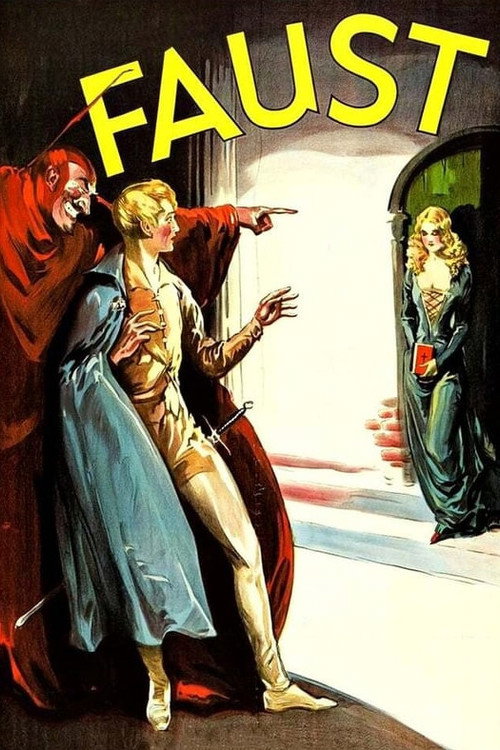
Faust1926
Murnau's follow-up to Nosferatu, released the same year as The Bells. A Faustian tragedy with supernatural intervention, demon possession, and a man's soul in the balance. Visually intoxicating.
But The religious and philosophical weight can feel heavy-handed. Some sequences extend well past their dramatic purpose.
The Cabinet of Dr. Caligari1920
The foundational text of German Expressionism: a hypnotist uses a sleepwalker to commit murders, twisted sets and shadows create pure unease, and the finale interrogates reality itself. Feels less like a film and more like a descent.
But The narrative is thin and the acting style is decidedly theatrical. The twist ending frustrates some viewers as a betrayal of what came before.

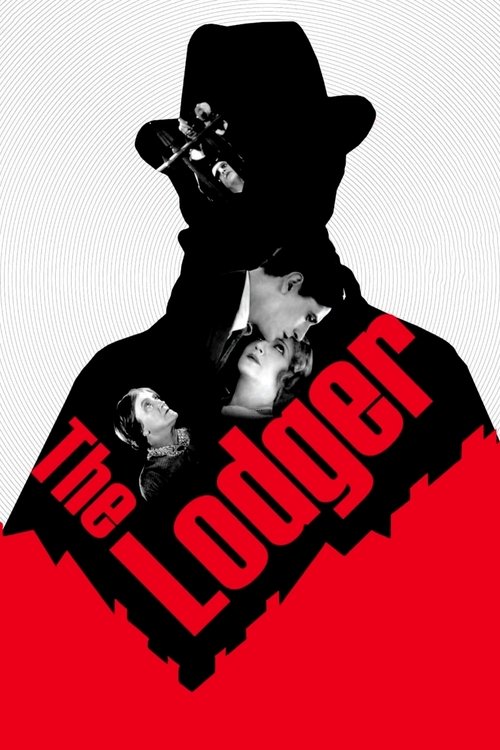
The Lodger: A Story of the London Fog1927
Hitchcock's first suspense masterpiece, released a year after The Bells. A mysterious tenant may or may not be a serial killer; Hitchcock builds paranoia through camera movement and composition rather than exposition. Pure cinema.
But It's more thriller than horror, and the mystery resolves in a way that some find conventional. The pacing shifts awkwardly in the final act.
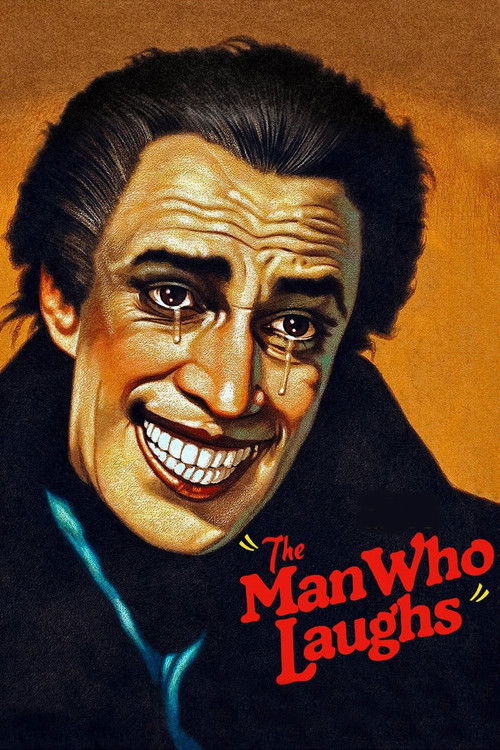
The Man Who Laughs1928
Another German Expressionist tale of a man destroyed by circumstance and appearance, with one of cinema's most unsettling grotesqueries. Veidt's performance is both tragic and deeply strange.
But It's tonally unstable—lurches between horror, romance, and melodrama without always landing them. The ending feels tacked on.
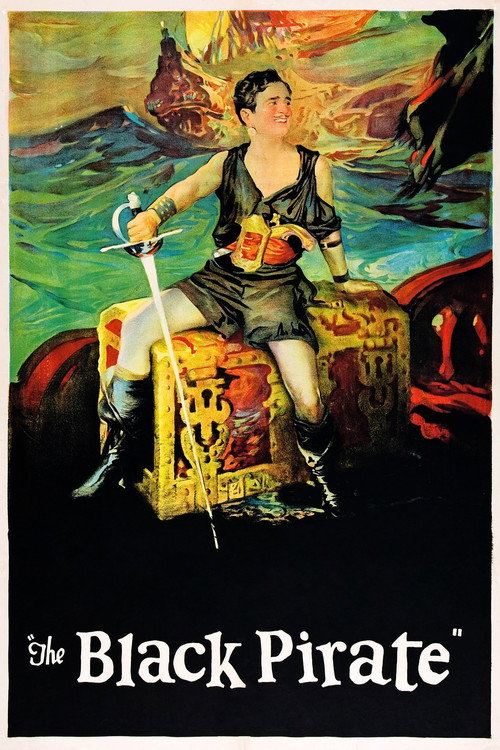
The Black Pirate1926
Douglas Fairbanks swashbuckles in an early Technicolor film—a reminder that 1926 was also the year of spectacle and adventure. Proves silent cinema's range; Fairbanks' physicality and charm are still magnetic.
But It's fundamentally lighter fare than The Bells, with a simple plot. If you're in the mood for moral darkness, this will feel like a palate cleanser.
The Third Man1949
The Mesmerist hypnotizes Mathias into confession; The Third Man hypnotizes the audience into sympathy for a man who shouldn't have any. Both films are about how easily a charismatic person can manipulate perception and conscience.
A postwar thriller about guilt, betrayal, and the impossibility of innocence in a corrupted world. Orson Welles as a charming criminal; Joseph Cotten as a man forced to confront his complicity. Greene's screenplay and Carol Reed's camera work create paranoia and moral vertigo.
But It's 23 years later and in a wholly different idiom—realistic, urban, morally cynical rather than supernatural. If you want the expressionist fever dream preserved, this will feel cold.

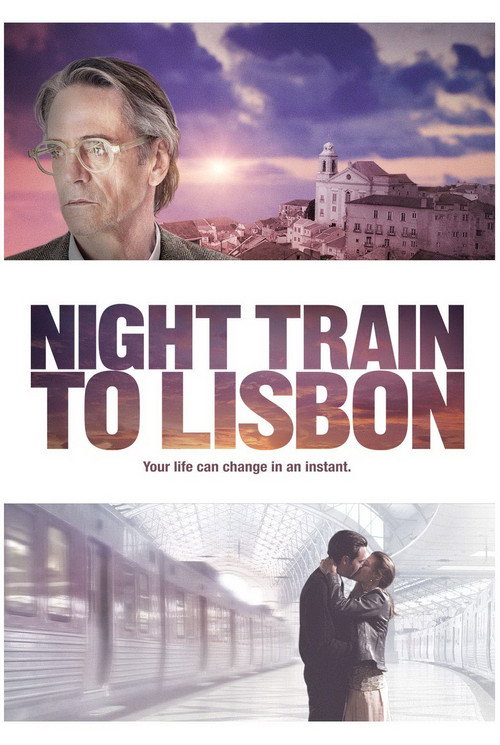
Night Train to Lisbon2013
Like Mathias haunted by the merchant he killed, Irons' character is pursued by the weight of decisions unmade. Both films ask: how much of our present is the ghost of our past? The tone is completely different—one is gothic horror, one is autumnal melancholy—but the engine is identical.
Jeremy Irons as a professor who abandons his life on impulse after a stranger's cryptic words, chasing a ghost across Europe. A meditation on regret, chance, and the ways past actions reshape present choices. Quiet, philosophical, and genuinely strange.
But It's deliberately paced and interior—almost meditative to the point of inertia. The plot is minimal; if you need narrative propulsion, you'll be frustrated. Also relatively obscure and hard to find.
People
Cast
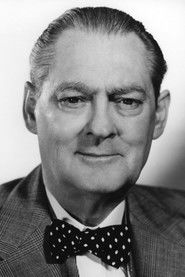 Lionel BarrymoreMathias
 Caroline Frances CookeCatharine
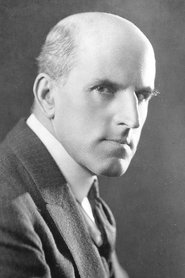 Gustav von SeyffertitzJerome Frantz
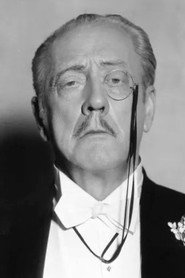 Lorimer JohnstonHans
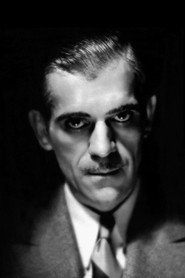 Boris KarloffThe Mesmerist
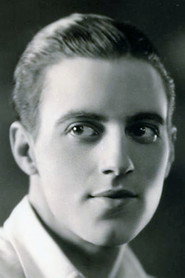 Eddie PhillipsChristian
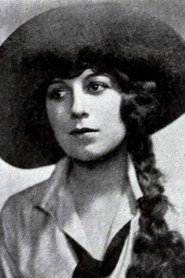 Lola ToddAnnette
 E. Alyn WarrenBaruch Koweski / Jethro Koweski
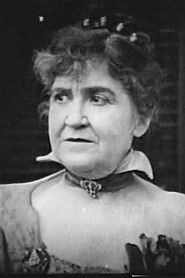 Laura La VarnieFortune Teller
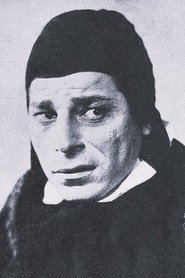 John GeorgeMesmerist Announcer (uncredited)
Directing
- James YoungDirector
Writing
- Alexandre ChatrianTheatre Play
- Emile ErckmannTheatre Play
- James YoungWriter
Production
- I.E. ChadwickProducer