
Film
The Conquest of the Pole
- Treasure hunt
- Light-hearted
Méliès's 1912 polar adventure is a fever dream of hand-tinted fantasia: balloons, mechanical poles, impossible geography, and the director himself hamming it up as an absent-minded professor. It's pure visual imagination, filmed like a child describing a dream. For anyone curious about cinema's first special effects wizard or the origins of sci-fi spectacle.
If you liked this
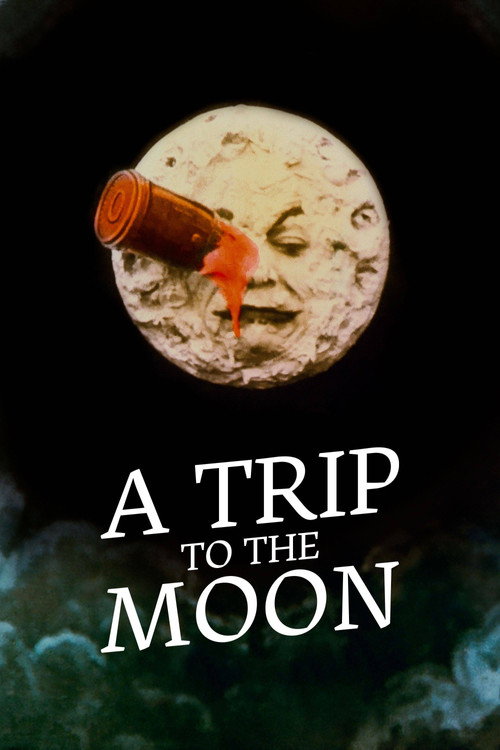
A Trip to the Moon1902
The Méliès masterpiece that defines early cinema magic. A lunar voyage as ingenious, playful, and visually inventive as anything he ever made. Essential viewing for understanding where all of this started.
But 33 minutes of silent film from 1902. No dialogue, no plot momentum in the modern sense. It requires patience and a willingness to be enchanted by technique.
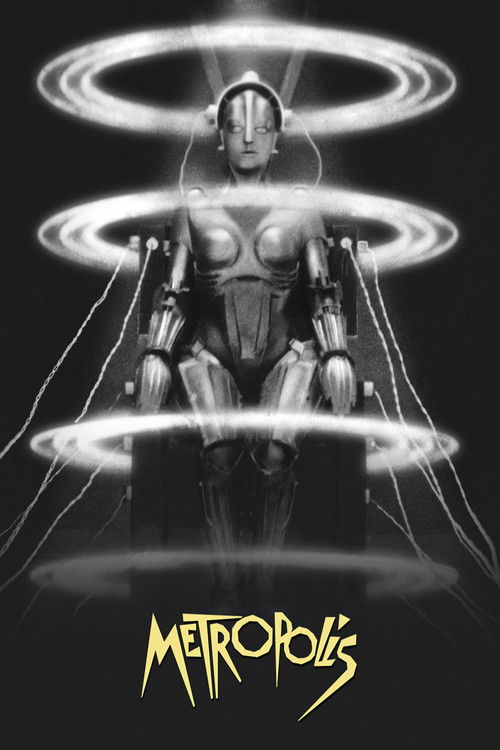
Metropolis1927
Fritz Lang's sci-fi epic towers over everything that came after. Massive sets, stunning visuals, real stakes. Shows how the language of early cinema could express grand ideas and genuine human drama.
But Restoration versions vary wildly in quality and completeness. It's slow by modern standards, and the social messaging can feel dated or heavy-handed.
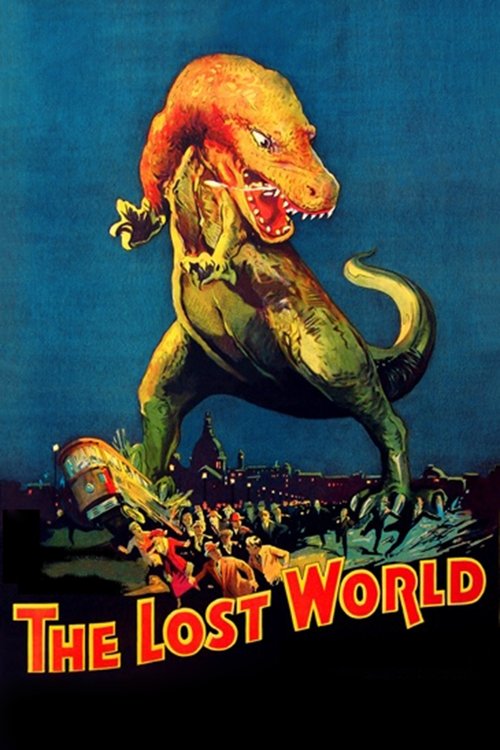
The Lost World1925
Dinosaurs, adventure, practical effects that still impress. Willis O'Brien's stop-motion work was revolutionary. If Méliès showed cinema could imagine, this proved it could show you the impossible walking around.
But The pacing is glacial. Silent film acting can feel overwrought. The restoration can be patchy depending on which cut you find.
Not sure tonight? Get a pick in a minute, starting from The Conquest of the Pole
The wildcard
Something you would not have found on your own.
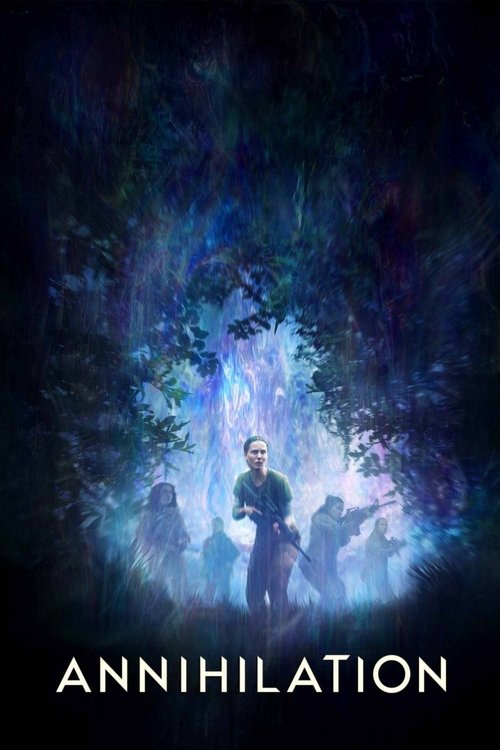
Annihilation2018
Both films are about expeditions into the impossible, but where Méliès's adventure is playful and decorative, *Annihilation* treats the impossible as a genuine threat. The structure mirrors: a team ventures in; not all return; what they find defies explanation.
A shimmer at the border of known space. Beyond it, the laws of nature warp into something incomprehensible—beauty and horror blended. Like Méliès's pole transformed into cosmic unknowability. Haunting and visually extraordinary.
But Science-fiction jargon gets thick. The film is deliberately ambiguous and withholding. No catharsis, no clear answers. Some will find it pretentious; others will feel cheated.
More like this (6)
Intolerance: Love's Struggle Throughout the Ages1916
D.W. Griffith's audacious epic spans Babylon, the crucifixion, the St. Bartholomew's Massacre. Visually staggering, thematically ambitious, the most expensive film ever made at the time.
But Nearly four hours of silent cinema told in four parallel stories. It's challenging, sometimes murky, and Griffith's politics are deeply troubling.

Nosferatu1922
German Expressionism at its peak. A vampire film that still unsettles. Shadows and geometry used as narrative tools. Eerie, beautiful, and proof that silence can amplify dread.
But Very slow. The print quality is often poor. If you need jump scares or action, you'll be disappointed.

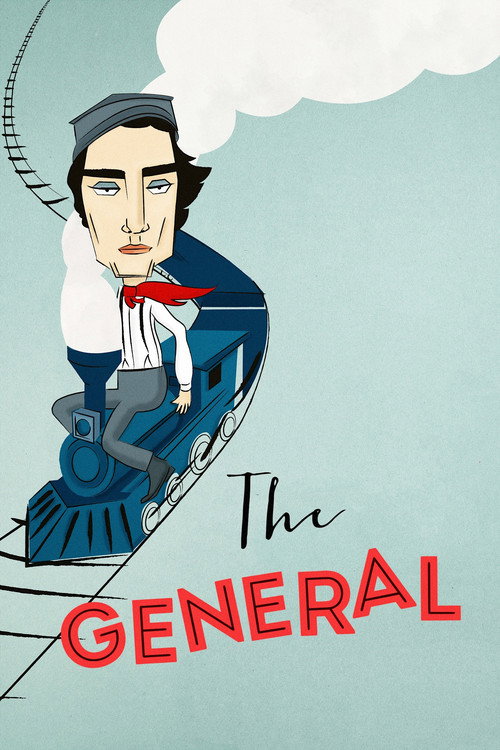
The General1926
Buster Keaton's deadpan masterpiece. A train heist during the Civil War, executed with perfect physical comedy and genuine danger. Funny, thrilling, and made with total control.
But Silent comedy is an acquired taste. Keaton's refusal to emote confuses modern viewers. The pacing asks for active watching, not passive consumption.
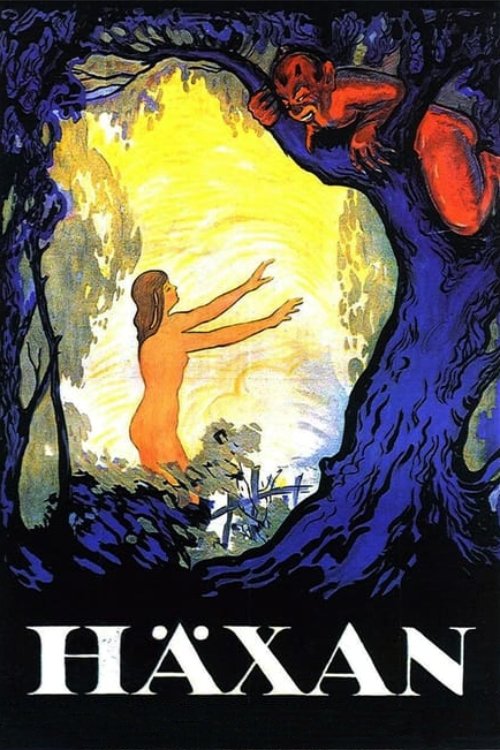
Häxan1922
A Swedish documentary-fiction hybrid about witchcraft, sin, and superstition. Grotesque, hallucinatory, proto-horror. Like watching someone's nightmare about medieval theology. Utterly unique.
But The depictions of mental illness and suffering are disturbing in ways that feel exploitative. The film's logic is dreamlike rather than narrative. Genuinely difficult to watch at times.
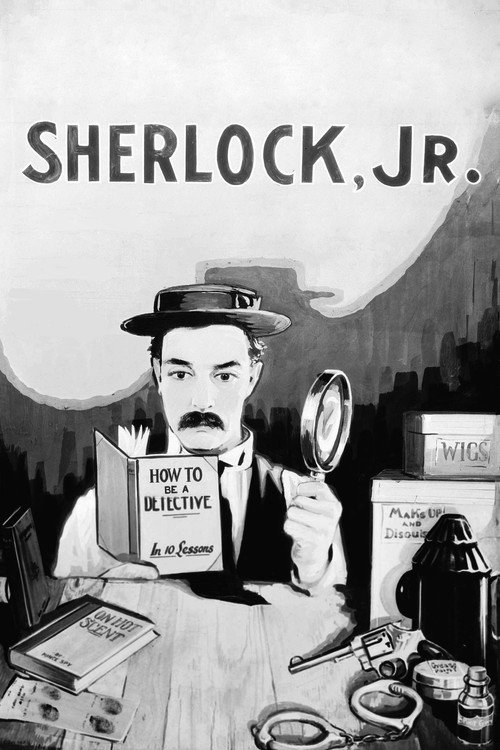
Sherlock Jr.1924
Keaton again, but focused. A projectionist dreams himself into a film-within-the-film. The gimmick is audacious, the execution is perfect, and it's only 45 minutes of pure joy.
But Very short. The plot is almost nonexistent. If you want substance over style, even this will feel slight.
The Cabinet of Dr. Caligari1920
Both use cinema's infancy to conjure worlds that obey different physics than reality. Where Méliès is the showman's dream, Caligari is the madman's. Same tool, opposite temperature.
German Expressionism as pure nightmare: tilted sets, shadows shaped like daggers, a killer in a cabinet. Silent cinema used as psychological horror. Every frame is a painting designed to disturb.
But Incredibly slow. The frame rate was different then. The 'twist' ending has been discussed to death. The film's power comes from mood, not plot, and mood alone won't sustain everyone.

People
Cast
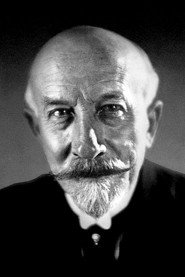 Georges MélièsLe professeur Mabouloff

Directing
- Georges MélièsDirector
Writing
- Jules VerneNovel
- Georges MélièsScreenplay
Production
- Charles PathéProducer
- Georges MélièsProducer