
Film
The Great White Silence
- Treasure hunt
- Very dark
- Slow-burning
Herbert Ponting's footage from Scott's fatal 1911 Antarctic expedition, re-edited in 1924 with Ponting's own narration. It's a haunting document of exploration at the edge of human endurance—visually stunning, morally complex, and shadowed by its tragic ending. Essential viewing for anyone moved by stories of ambition, failure, and the cost of discovery.
Should you watch it?
Watch it if you are moved by old photographs of people at the edge of the possible, and you enjoy seeing ice, dogs and weather filmed with patience rather than explained to you.
Skip it if you want a documentary with talking heads, quick cutting or a clear argument, since most of this is landscape and expedition routine stretched across more than an hour.
What it asks of you: Patience is the main currency here: long held shots of frozen wastes, slow cuts and little narration, so attention wanders unless you let the cold set the pace.
Not sure? Find tonight's pick in a minute.
If you liked this
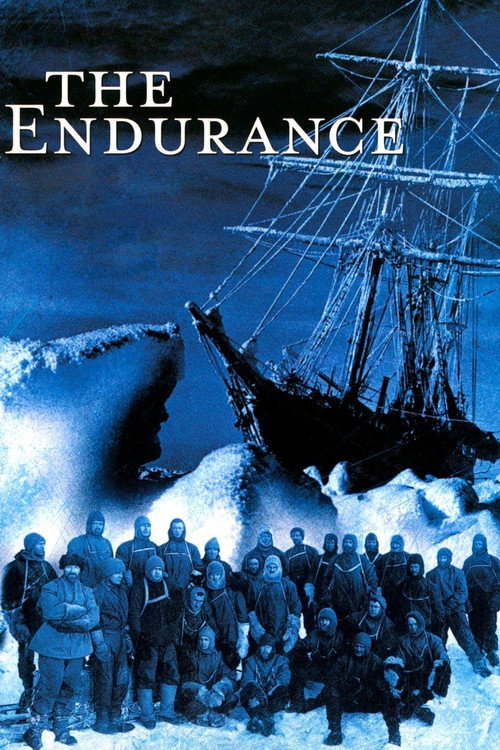
The Endurance2000
A gripping docudrama about Ernest Shackleton's Antarctic journey, told with the same sense of heroic struggle and survival against impossible odds. Complements Ponting's footage with narrative drama and modern context.
But It's a TV movie from the early 2000s with the production values that implies. The pacing can feel workmanlike compared to the raw power of the original footage.
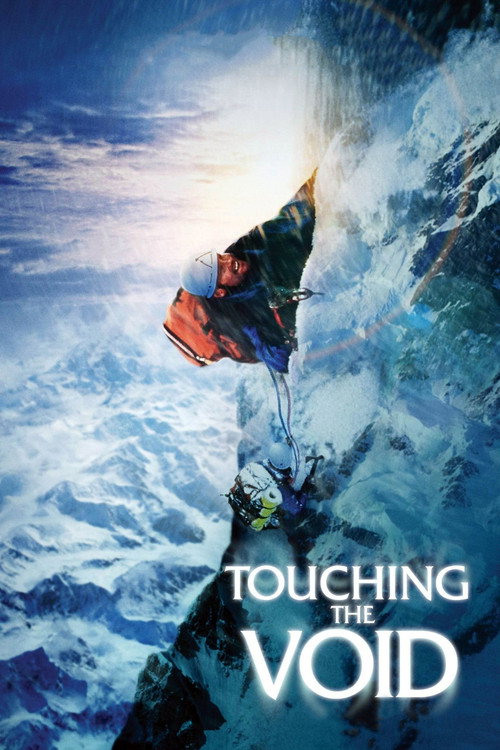
Touching the Void2003
A masterclass in survival documentary that pairs archival footage with interviews and recreations to tell the story of a near-fatal mountain climbing accident. Shares Ponting's fascination with human endurance in extreme environments.
But The recreation scenes are visceral and sometimes uncomfortable. It's also a very different kind of expedition—technical climbing rather than polar exploration.
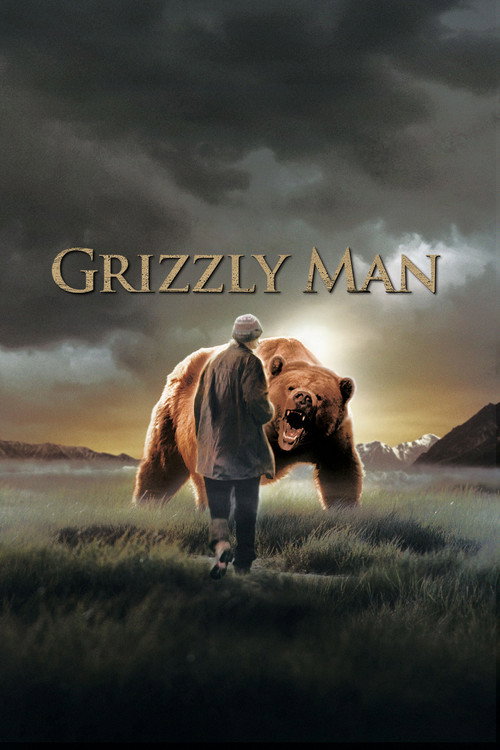
Grizzly Man2005
Werner Herzog's meditation on obsession, nature, and footage shot by someone who didn't survive to frame it. Like Ponting's film, it grapples with archive material as both document and ghost.
But It's deliberately philosophical rather than narrative-driven. Herzog's narration is an acquired taste, and the subject matter is deeply dark.
Not sure tonight? Get a pick in a minute, starting from The Great White Silence
The wildcard
Something you would not have found on your own.
Sans Soleil1983
Both are elegies disguised as documents. Both use visual beauty to circle around absence and death. Both ask what a camera captures and what it inevitably loses.
Chris Marker's essay film uses found footage, still photography, and meditation to explore memory, loss, and the impossibility of truly knowing a place or a person. It shares Ponting's obsession with what a camera can and cannot preserve.
But It's a pure essay film with no narrative. Marker's voice work is cryptic and associative rather than clarifying. If you want plot, you're in the wrong place.

More like this (4)
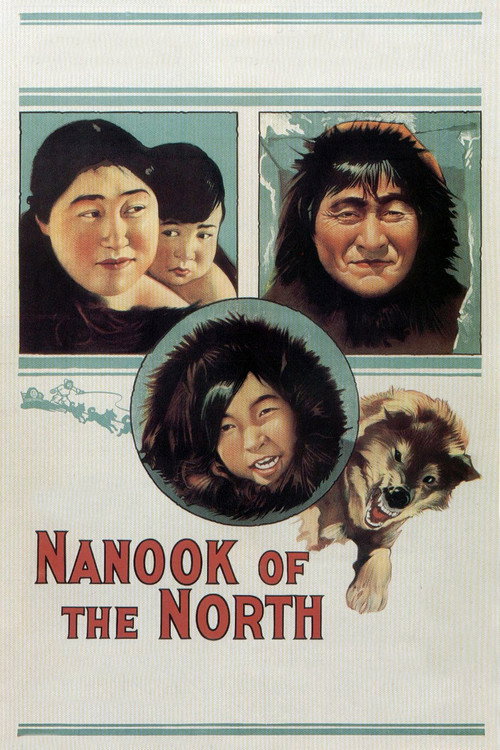
Nanook of the North1922
Made two years before Ponting's re-edit, this pioneering documentary captures indigenous Arctic life with similarly stunning visuals. Both films defined what documentary cinema could be in the 1920s.
But Nanook raises serious questions about staged footage and consent that haunt early documentary. The ethics are murky, and that discomfort lingers.
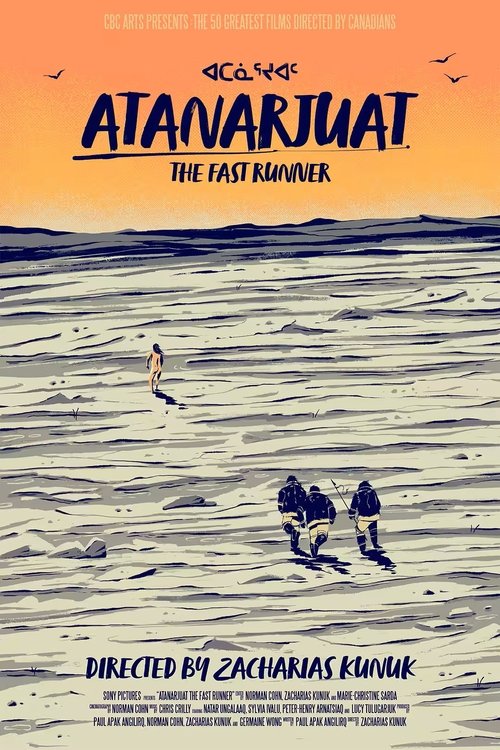
Atanarjuat: The Fast Runner2002
An Inuit-directed film set in the Arctic that reclaims the landscape and culture from the explorer's viewpoint. It's a counterpoint to the colonial perspective embedded in Ponting's expedition footage.
But It's a narrative drama, not a documentary, and very long. The pacing is deliberately slow and meditative, which won't appeal to everyone.
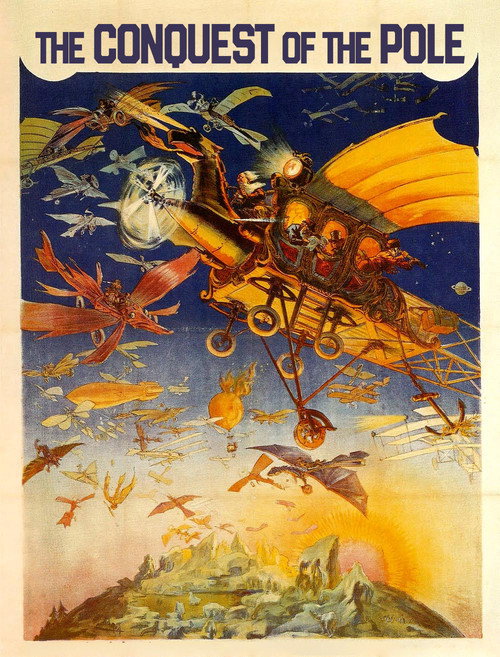
The Conquest of the Pole1912
A direct contemporary response to the real expeditions of the era. Méliès offers the opposite perspective: the absurdity and fantasy at the heart of the explorer mythos that Ponting documented straight-faced.
Georges Méliès's satirical sci-fi fantasy about a fantastical expedition to the North Pole. Released the same year Scott's real expedition was documented, it's a fever dream inversion of the explorer narrative.
But It's very early cinema—brief, theatrical, based on theatrical spectacle rather than realism. Silent film conventions will feel strange if you're not prepared for them.
Tokyo Story1953
Both films are about people separated from each other by circumstances beyond their control, and both use the camera's patient observation to make that distance unbearable. Both are about the impossibility of truly knowing what someone else experienced.
Ozu's quiet masterpiece about an elderly couple visiting their children, filmed in stillness and silence. It's about the unbridgeable distance between people who love each other—the same emotional truth at the heart of Ponting's footage.
But It has nothing to do with Antarctica or exploration. The connection is purely thematic and emotional. If you need surface-level similarity, this will feel like a strange recommendation.

People
Cast
- Henry R. BowersSelf
- Edgar EvansSelf
- George P. AbbottSelf
- Tom CreanSelf
- Frank DebenhamSelf
Directing
- Herbert G. PontingDirector