
Film
In Time
- Dystopian sci-fi
- Car-chase action
- Relentless
Andrew Niccol's high-concept dystopia turns time itself into currency: everyone stops aging at twenty-five and then burns down a personal clock, the poor working day-to-day while the rich stockpile centuries. It's a chase movie with a thesis, glossy and blunt, using Justin Timberlake's fugitive-with-a-fortune plot to dramatise wealth inequality as literally, ticking-clock, mortal. Fun, silly in places, unmistakably about now.
Should you watch it?
Watch it if you like high-concept sci-fi where a stark idea about money and mortality drives a brisk chase, and you don't mind the logic being more slogan than science.
Skip it if you want the premise to hold up under scrutiny, since the rules of its world are sketched in broad strokes and the romance and chase beats often outrun them.
What it asks of you: Across its 109 minutes it runs fast and rarely pauses, keeping a bleak, glossy tension you have to follow closely.
Not sure? Find tonight's pick in a minute.
If you liked this
Gattaca1997
Niccol's earlier and better film, same clinical dystopian eye but trained on genetics instead of time — a cooler, sadder, more disciplined version of the same argument about who gets to have a future.
But Slower and more melancholy, with none of the chase-movie momentum — it's a mood piece, not an action film.

Elysium2013
Neill Blomkamp's vision of the ultra-rich literally living above the poor in orbit, with immortality-granting tech just out of reach — the same blunt inequality parable with more explicit violence.
But The politics are even less subtle, and the back half tips fully into shoot-em-up territory.

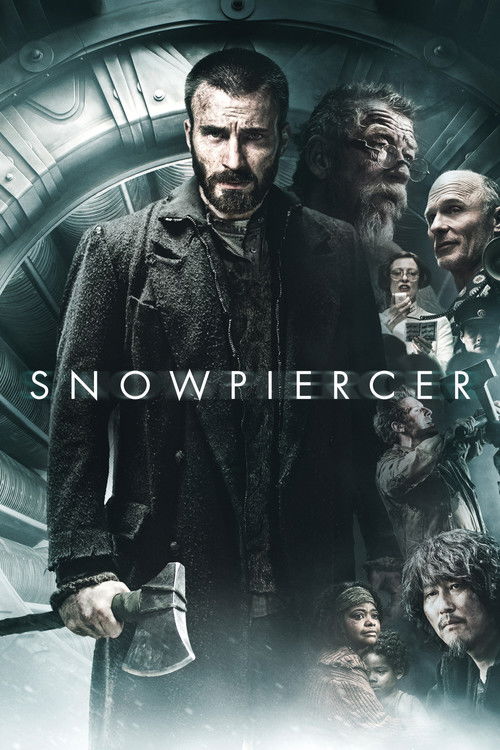
Snowpiercer2013
Class stratification rendered as literal geography — a train instead of time zones — with Bong Joon-ho's gift for making allegory feel like a genuine, brutal thriller.
But Weirder and more violent than In Time, with a tonal swerve or two that some viewers find jarring.
Not sure tonight? Get a pick in a minute, starting from In Time
The wildcard
Something you would not have found on your own.
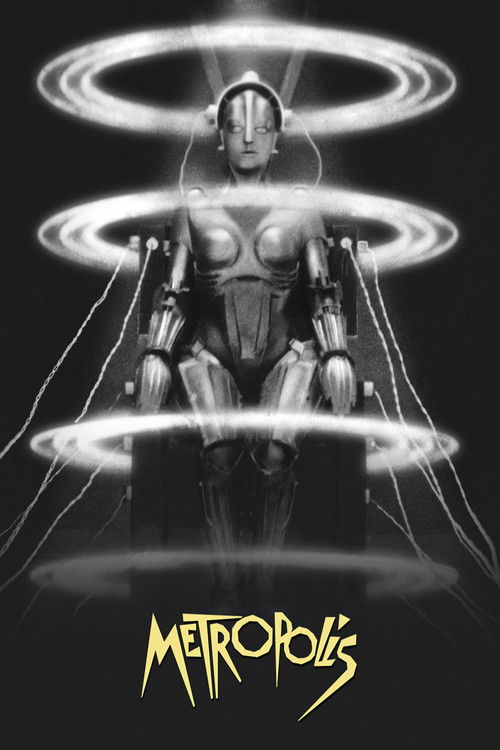
Metropolis1927
Same core image — the rich living above, literally, while the poor are consumed by the machine that sustains them — done first, and arguably more powerfully, in 1927.
The silent-era ancestor of every film on this page: workers laboring in mechanized darkness beneath a gleaming city of the rich, class war rendered as pure visual architecture nearly a century early.
But Silent, melodramatic, and nearly two and a half hours in some cuts — it demands patience In Time never asks for.
More like this (8)
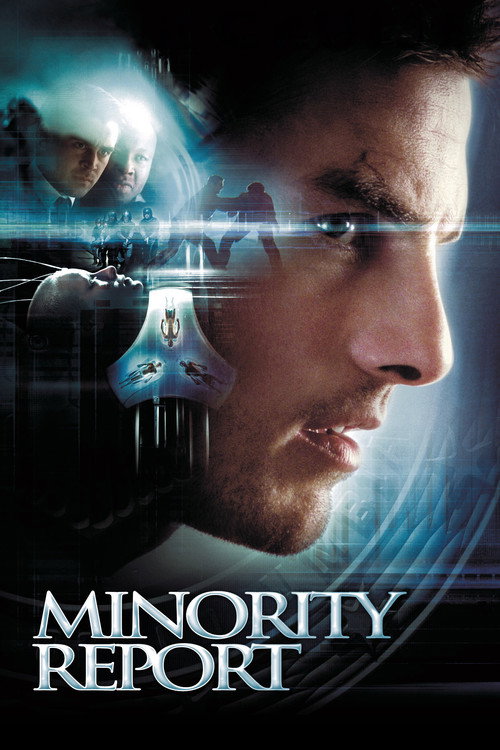
Minority Report2002
Spielberg's slick future-noir chase thriller, a fugitive-from-the-system story with the same production polish and a hero running against institutions built to catch him.
But More procedural mystery than social commentary — the class angle is background, not the engine.
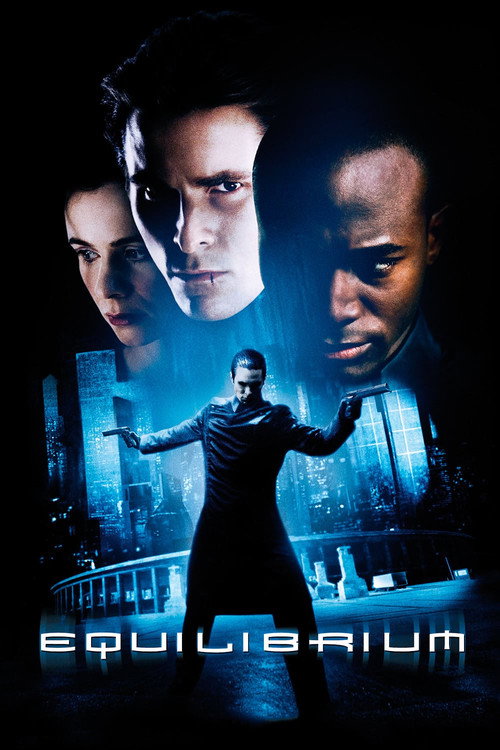
Equilibrium2002
A cult dystopian actioner about a society that's outlawed emotion, with the same stylised control-state aesthetic and a hero who breaks from the machine that made him.
But Cheaper-looking and more indebted to The Matrix — style often outruns substance here.
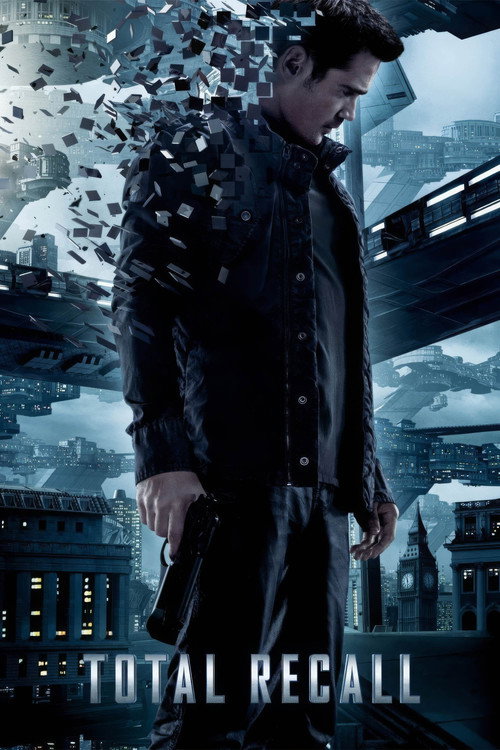
Total Recall2012
Another glossy, class-divided future — workers commuting between a ravaged lower world and a gleaming upper one — with plenty of chase-and-fight momentum to match In Time's pace.
But Thinner on ideas than the original 1990 film, and largely forgettable once the credits roll.
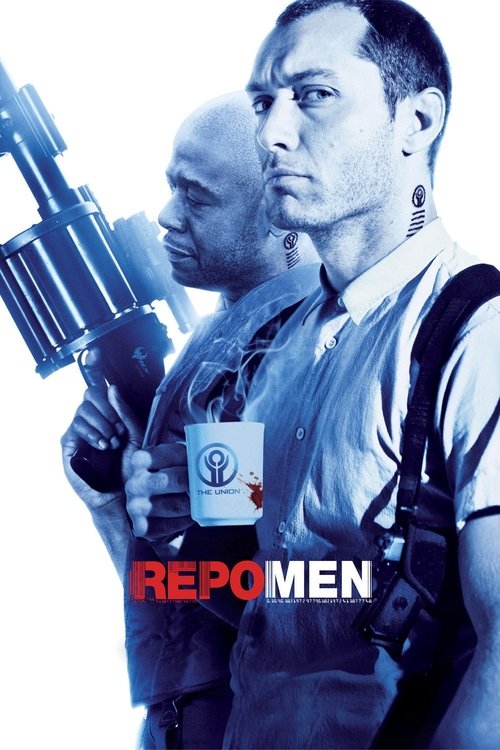
Repo Men2010
A darker cousin: artificial organs on credit, repossessed violently if you can't pay — same body-as-currency logic, pushed into gorier, blacker-comedy territory.
But Considerably more graphic, and its tone lurches between satire and splatter in a way that won't land for everyone.
The Purge2013
A high-concept dystopia that's really about wealth insulating people from violence the poor can't escape — pulpy, mean, and unembarrassed about its metaphor.
But Home-invasion thriller mechanics dominate over the social commentary, especially in this first entry.

Children of Men2006
A dystopia in a much more serious register: a fugitive protecting something precious through a decaying, unequal society, shot with a documentary urgency In Time never attempts.
But Far grimmer and slower-paced, with almost none of the action-movie polish or momentum.

Cléo from 5 to 71962
Where In Time makes time-as-death a sci-fi gimmick, this film makes it literal and unadorned — the same countdown, stripped of genre trappings.
A French New Wave film that plays out in something close to real time as a woman wanders Paris awaiting a possibly fatal diagnosis — mortality as an actual, unbearable clock.
But Nothing explodes, nobody runs — it's a quiet, internal film, the polar opposite of a chase movie.

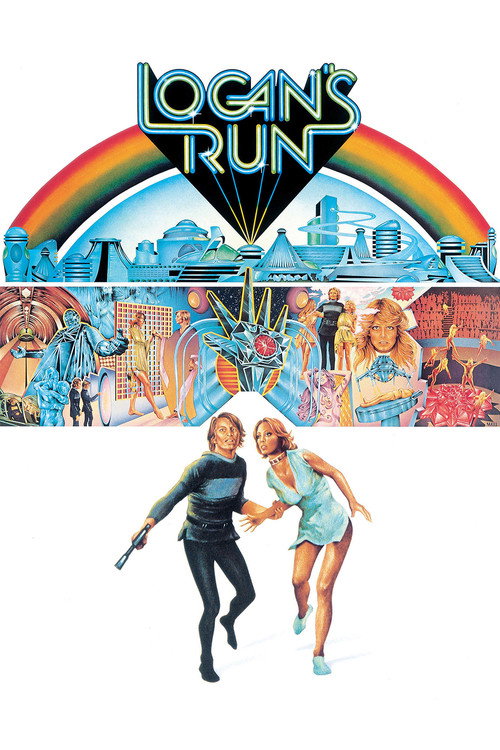
Logan's Run1976
The same enforced-mortality premise as In Time, but decades earlier and gleefully trashier — a reminder the idea's been recycled, not invented.
A gloriously campy 70s sci-fi where everyone's life is capped by law at thirty, enforced by a system the young must flee — the same premise with velour jumpsuits and disco-era swagger.
But Dated effects and a lot of unintentional cheese — watch it for pulp pleasure, not for thematic rigor.
People
Cast
 Amanda SeyfriedSylvia Weis
 Justin TimberlakeWill Salas
 Cillian MurphyRaymond Leon
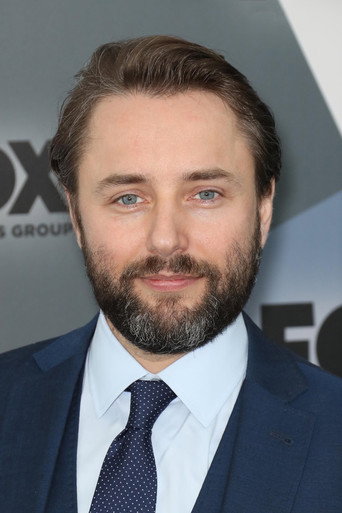 Vincent KartheiserPhilippe Weis
 Olivia WildeRachel Salas
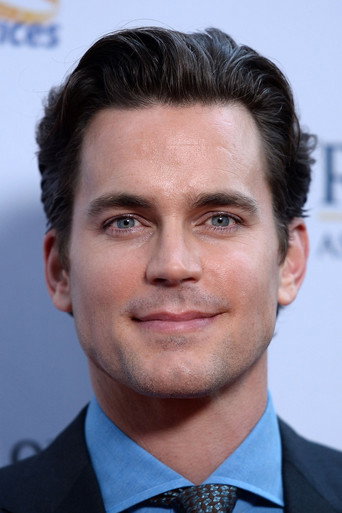 Matt BomerHenry Hamilton
 Johnny GaleckiBorel
 Collins PennieTimekeeper Jaeger
 Toby HemingwayTimekeeper Kors
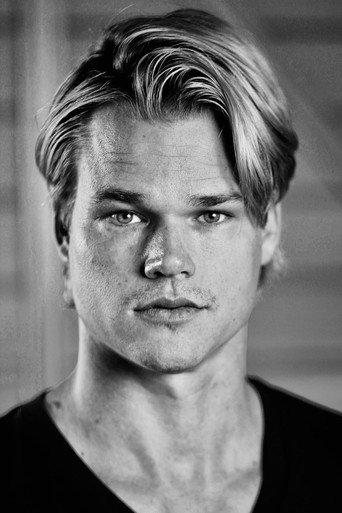 Brendan MillerKolber
 Yaya DaCostaGreta
 Alex PettyferFortis
Directing
- Andrew NiccolDirector
- Lars P. WintherFirst Assistant Director
- Wilma Garscadden-GahretScript Supervisor
- Greg HaleSecond Assistant Director
- Kristina M. PetersonSecond Second Assistant Director
- Renee Hill-SweetSecond Second Assistant Director
- David LeitchSecond Unit Director
Writing
- Andrew NiccolWriter
Production
- Barbara HarrisADR Voice Casting
- S. Dylan KirklandAssistant Location Manager
- Denise ChamianCasting
- Ania O'HareCasting Associate
- Debra JamesCo-Producer
- Amy IsraelExecutive Producer
- Andrew Z. DavisExecutive Producer
- Arnon MilchanExecutive Producer
- Hutch ParkerExecutive Producer
- Kristel LaiblinExecutive Producer
- Michelle StevensFirst Assistant Accountant
- John PanzarellaLocation Manager
- Alan KilmerPayroll Accountant
- Andrew NiccolProducer
- Eric NewmanProducer
- Marc AbrahamProducer
- Michael DeSantisProduction Accountant
- Paul LaZebnikProduction Coordinator
- David BojarskiSecond Assistant Accountant
- Debra JamesUnit Production Manager